The U.S. taking an equity stake in Intel is a terrible idea; it also happens to be the least bad idea to make Intel Foundry viable.
Intel’s Death and Potential Revival
Intel died when mobile cost it its software differentiation; if the U.S. wants a domestic foundry, then it ought to leverage the need for AI chips to make an independent Intel foundry viable.
Intel details everything that could go wrong with US taking a 10% stake
Intel warns investors to brace for losses and uncertainties.
Intel’s Humbling
Intel under Pat Gelsinger is reaping the disaster that came from a lack of investment and execution a decade ago; the company, though, appears to be headed in the right direction, as evidenced by i…

Nvidia invests $5 billion into Intel to jointly develop PC and data center chips
Intel will help build x86 chips with Nvidia RTX GPU chiplets

US tech dependence: A risk report for European businesses | Proton
Most European companies rely on US tech. Proton’s new report explains why that dependence is now a strategic risk and how to mitigate it.
Don’t Believe the Hype — or Doom — About AI
For America’s VC-dominated tech industry, AI hype isn’t just a crazy by-product — it’s a structural part of the US economy in which capital tries to write our destinies. We shouldn’t let it.
The chips are down for Moore’s law
The semiconductor industry will soon abandon its pursuit of Moore's law. Now things could get a lot more interesting.
Books — Sharon Weinberger
Drawing on deep, exclusive reporting, a veteran national security correspondent reveals how a new military-industrial complex is arising from the cradle of Silicon Valley, with vast implications for American democracy and the global balance of power.Elon Musk, Peter Thiel, and Alexander Karp. These tech titans are fast becoming some of the most powerful figures in the realm of national security, with enormous implications for us all. As Sharon Weinberger reveals in this gripping account, the American military and spy agencies helped to create Silicon Valley as we now know it, and some of its biggest and most valuable companies today owe much of their success to the Pentagon and CIA. Beginning with the War on Terror and accelerating under Donald Trump, however, the old alliance between elected leaders in Washington and the unelected CEOs of Silicon Valley has grown increasingly uneasy as power has shifted to the private sector and Big Tech exerts greater and greater influence over its old patrons. Companies such as SpaceX and Palantir, along with newer entrants to the field such as Anduril, are proudly supporting—and quietly shaping—US national defense, whether by providing spies and soldiers with AI and cloud-computing tools or actual military hardware such as microwave weapons, hypersonic missiles, and advanced drones. The implications of this historic shift are poorly understood and fraught with peril. What happens when mercurial billionaires like Elon Musk control weapons and technologies that were once the preserve of the US government? How will this new military-industrial complex affect the way wars are fought, or even which wars are fought? That is the urgent question before us today, at the dawn of this new era—and as Weinberger reveals, it is one on which our collective future might well hinge.
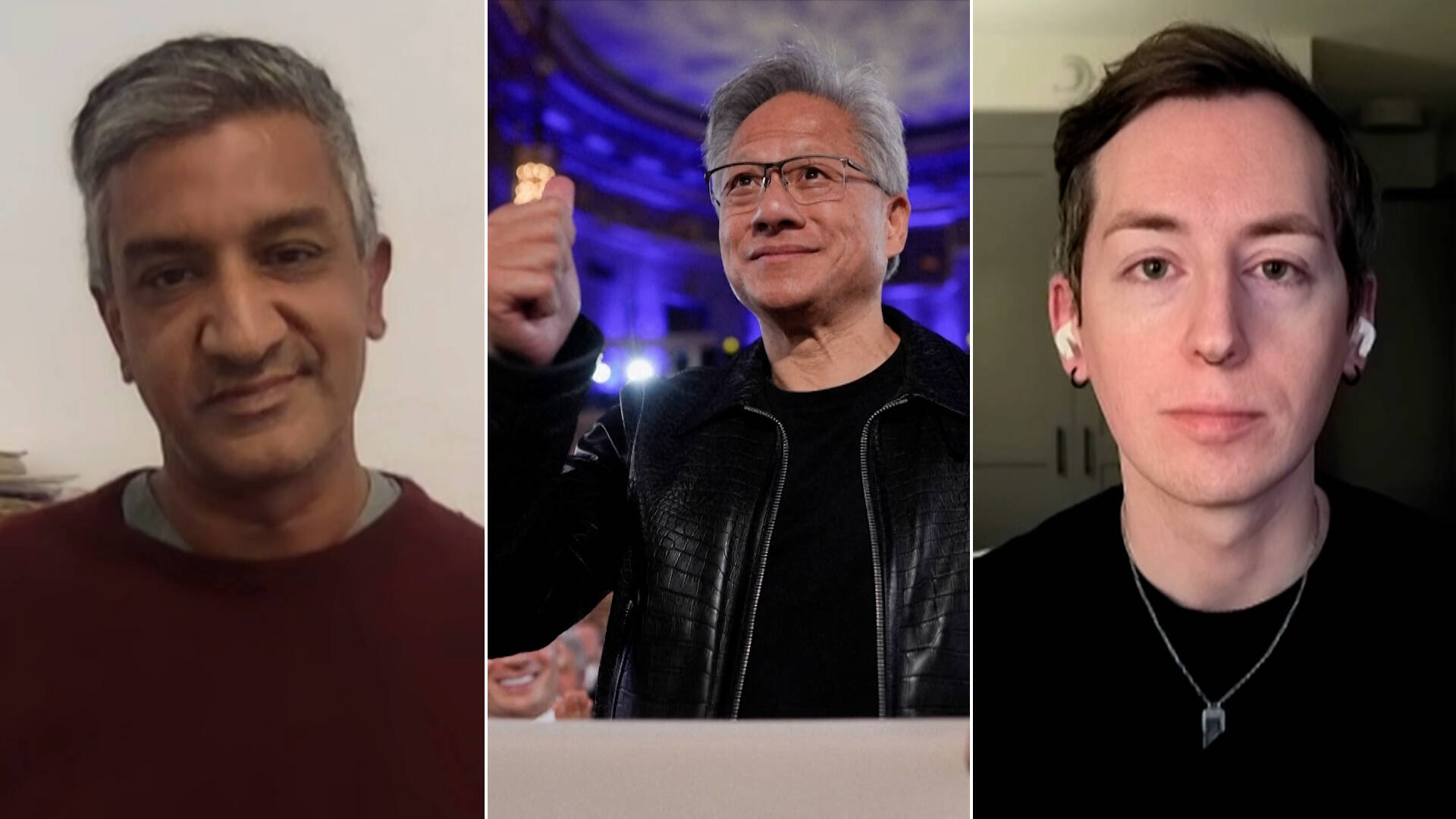
“Parasitic Technology”: Could Jensen Huang/Nvidia Scandal Prompt Rethink About AI?
Nvidia CEO Jensen Huang resigned Thursday after reports of multiple extramarital affairs, including with an employee and a Chinese businesswoman whom U.S. intelligence officials accuse of spying for Beijing. The company says Chief Financial Officer Colette Kress will serve as interim CEO as the board searches for a permanent replacement. Nvidia’s computer chips are at the heart of the artificial intelligence boom, driving the company’s value above $4 trillion and making Huang one of the most influential business leaders in the world. His spectacular fall from the company he co-founded in 1993 comes as the U.S. stock market has become highly dependent on a handful of AI-related companies and amid intense competition between the United States and China over control of the technology, with access to Nvidia’s chips becoming a major point of contention between the two countries. Tech critic Paris Marx notes that the AI industry’s “circular financing,” in which companies are both clients and investors for one another, has created systemic risk. We also speak with Ramesh Srinivasan, director of the AI Futures Lab at UCLA, who says the “soap opera” of the Huang scandal has exposed “how precarious the governance of this AI truly is,” with only a handful of people and firms controlling “incredibly powerful technology that feeds off of all of us and the planet.”
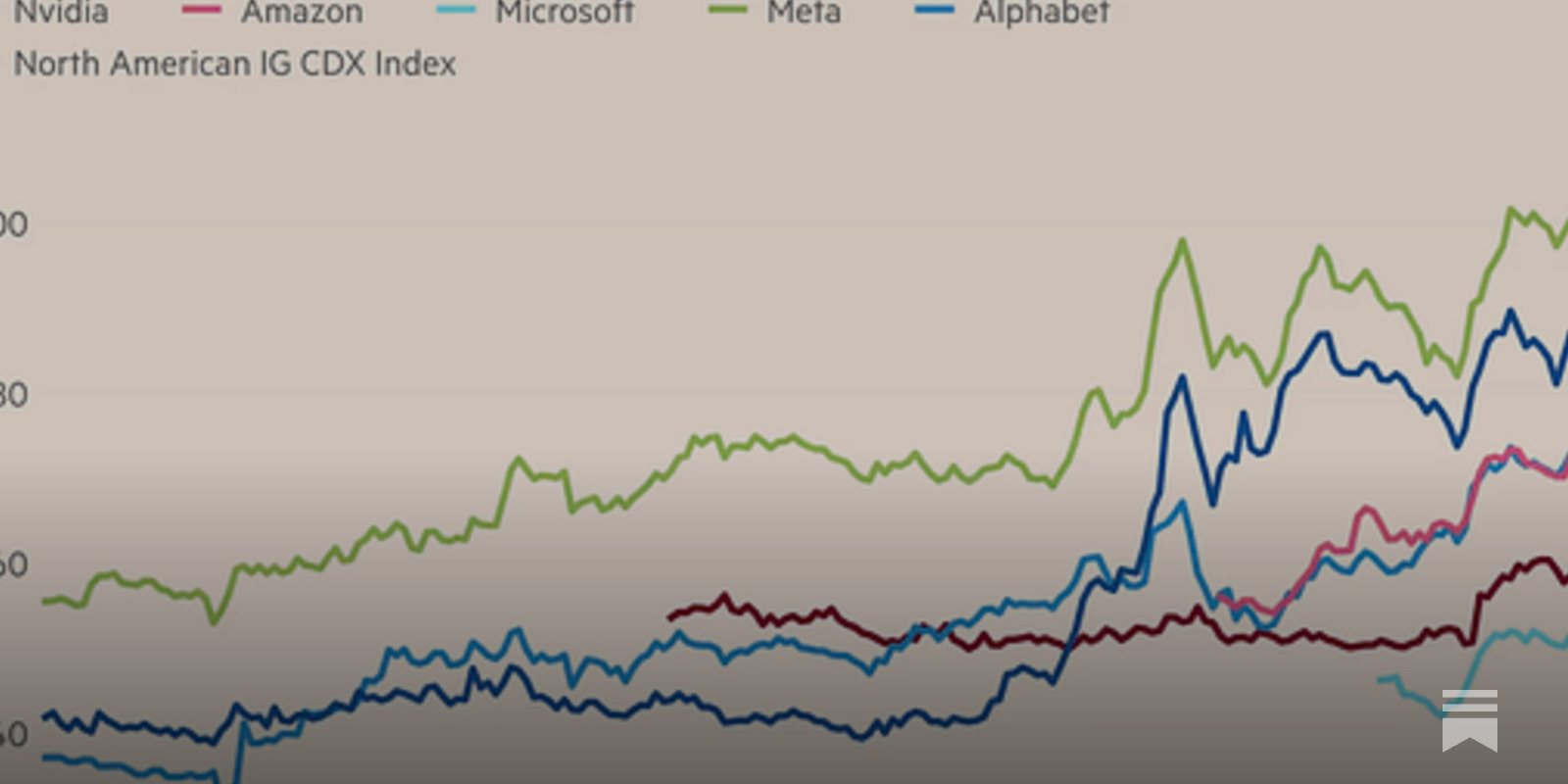
The Big Short, AI edition
Investors are buying protection against an AI bust, just like they did with mortgage-backed securities before 2008...
The End of Silicon Valley (Bank)
Silicon Valley Bank bears responsibility for its demise, but it symbolizes a Silicon Valley reality that is very different from the myth — and the ultimate cause is tech itself.
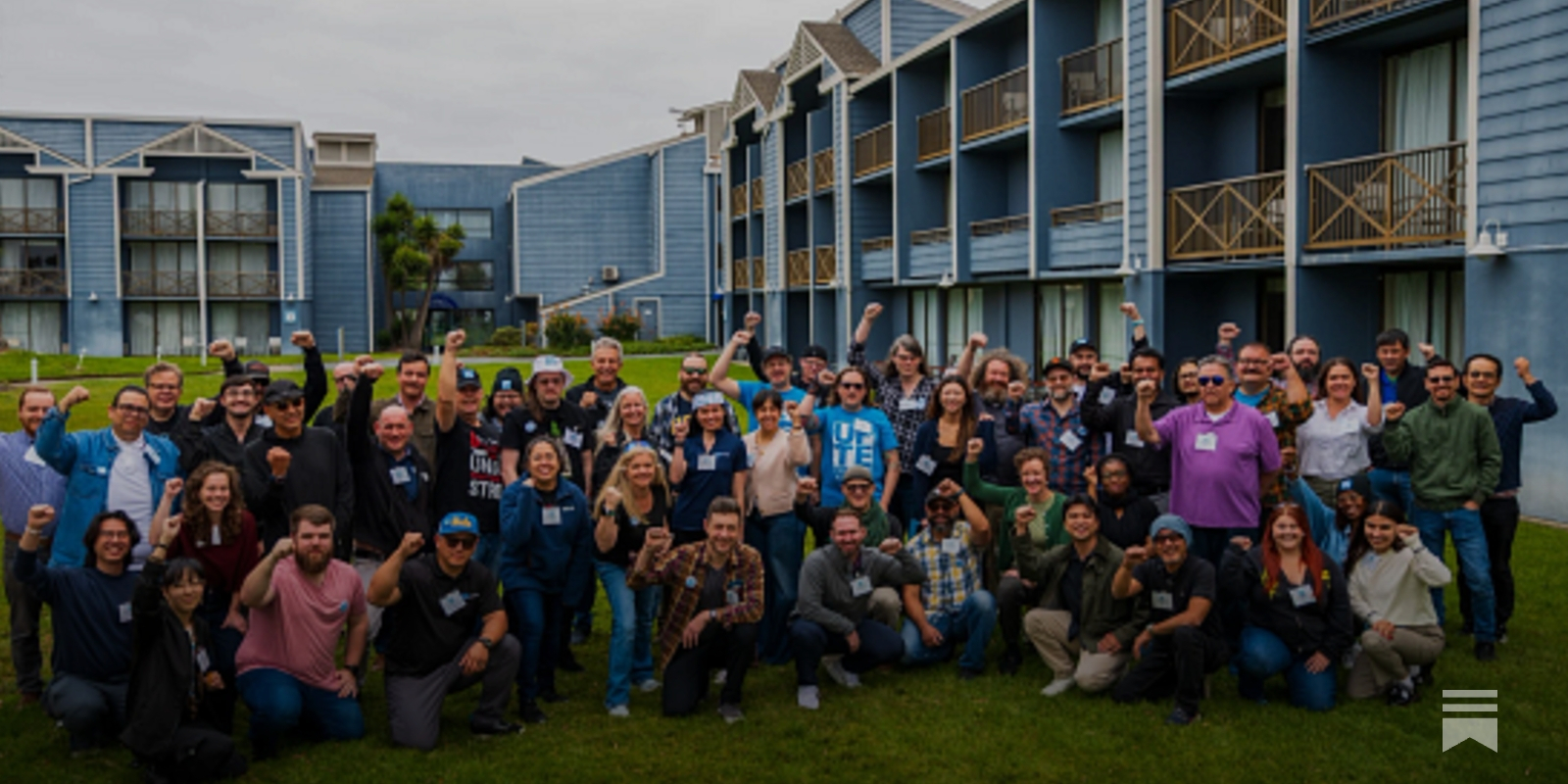
They just formed the biggest tech worker union in the US. They plan to rein in AI and curb layoffs
"Who AI benefits and who it immiserates often is based on who gets to decide how it’s used. We know how tech is used on the day to day. We should be at the table as well."
Silicon Valley's Audacious Plan to Create a New Stock Exchange
The author of "The Lean Startup" and his team are in early talks with the Securities and Exchange Commission

Computer Chips Are the Most Magnificent Things Humanity Has Ever Made
They power our phones, cars, dishwashers—and the A.I. systems that prop up the economy. They’re also at the heart of fierce geopolitical rivalry.

Protected by its moat, Apple has time to get AI right
Best of all, the hardware it sells today will run whatever Apple comes up with.

Why Silicon Valley can’t fix itself
The long read: Tech insiders have finally started admitting their mistakes – but the solutions they are offering could just help the big players get even more powerful