


Incentives favor offense when it comes to agentic cybersecurity; it’s the same dynamic that will limit incumbents and fuel startups in the long run.
Agentic AI Governance: A Strategic Framework for Autonomous Systems
Agentic AI is moving from chat to action. Learn how to govern autonomous systems using the "Digital Contractor" framework and the 3-Tiered Guardrail system.

Rethinking security for the age of AI - The Official Microsoft Blog
Editor’s note: Updates with additional details on the model’s crash score. Why security needs a new cyber stack — Introducing Project Perception The physics of cybersecurity are changing. Autonomous systems can now reason, adapt and operate continuously. At the same time, the cost of offense is falling, while the volume, velocity and complexity of what...

The AI-as-Normal-Technology view of loss of control incidents
A middle ground between the cybersecurity and AI safety communities
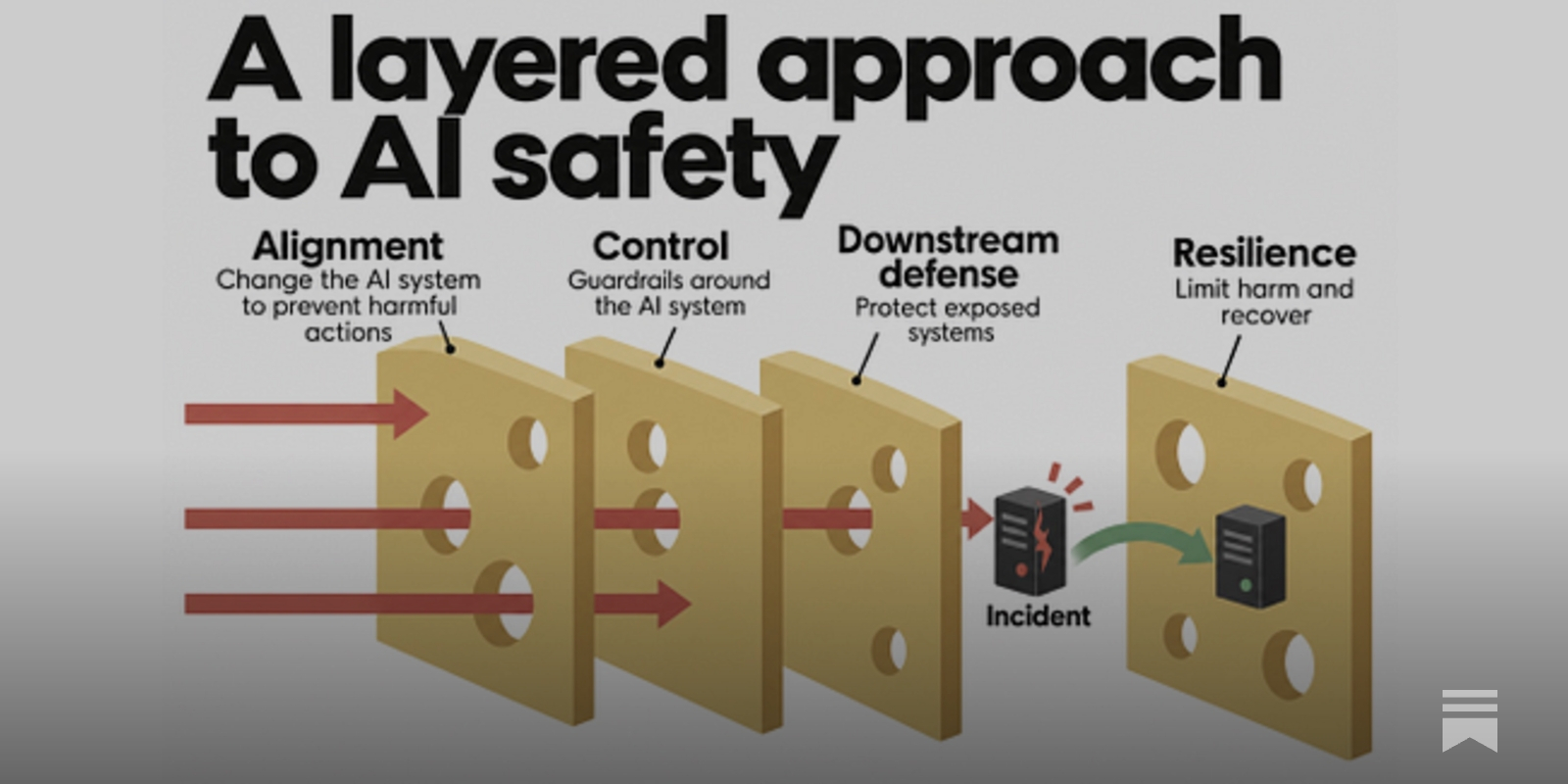
Agentic AI Governance: Securing Autonomous AI Agents in Enterprise
When AI agents start making decisions, calling tools, and coordinating with other agents without waiting for human approval, the governance playbook most...

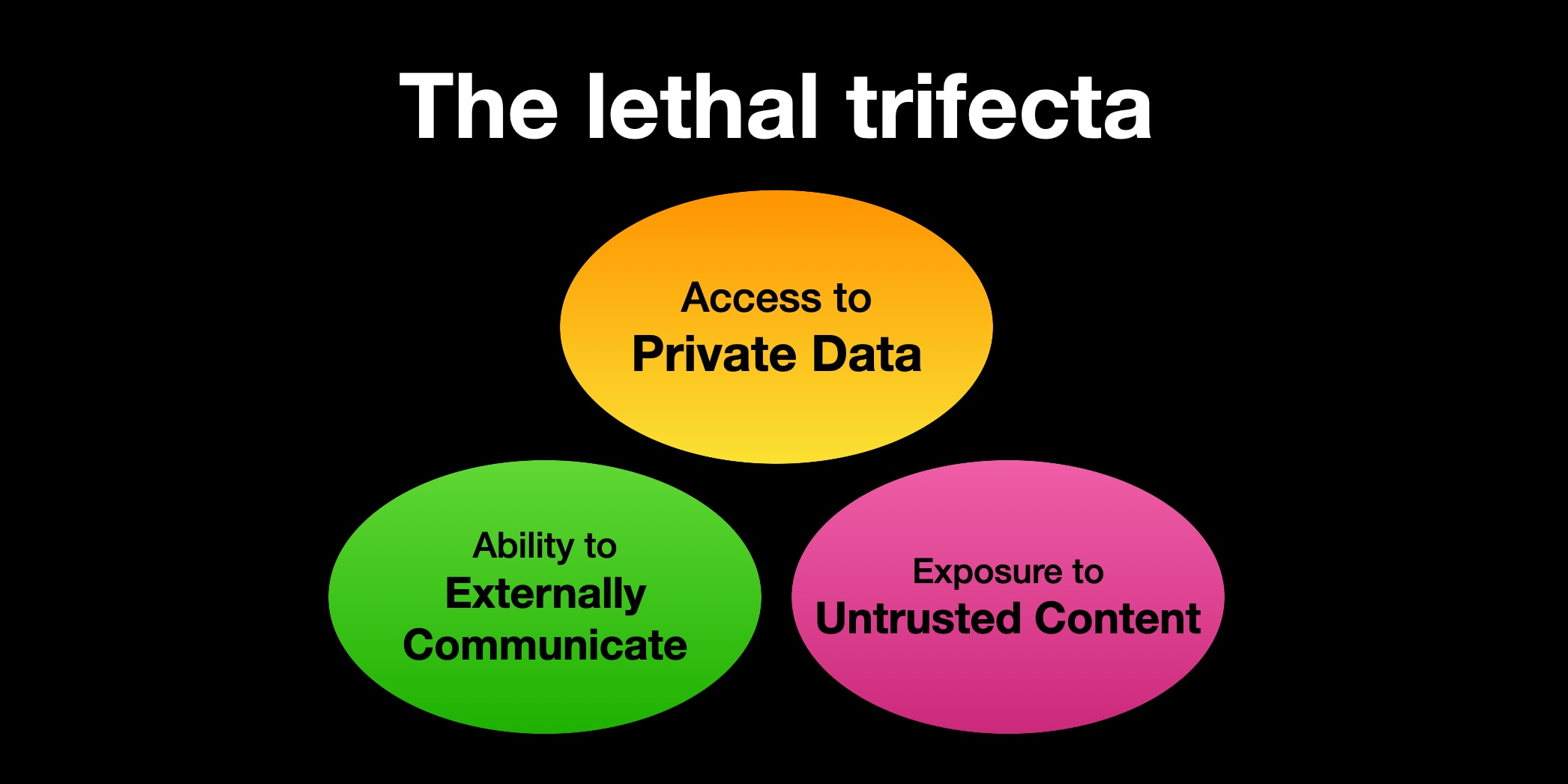
The lethal trifecta for AI agents: private data, untrusted content, and external communication
If you are a user of LLM systems that use tools (you can call them “AI agents” if you like) it is critically important that you understand the risk of …
AI Cybersecurity After Mythos: The Jagged Frontier
Why the moat is the system, not the model

As the Federal Government Rushes Toward AI, Here Are Three Cautionary Tales — ProPublica
We’ve been reporting on cybersecurity for years. As President Donald Trump and his Cabinet say artificial intelligence will transform the nation, the messaging isn’t new. It follows a familiar pattern.

AI #180: No Longer In Charge
What we know about internal AI models hacking into real companies during cyber evaluations keeps getting worse.

Skills, forks, and self-surgery: how agent harnesses grow
Claude Code, NanoClaw, and Pi take radically different approaches to harness extensibility. The tradeoff is always safety vs. agent agency.
The AI shift in cyber risk: why leaders must act now
Five Eyes cyber security agencies urge organisations to act on rapidly transforming cyber risk.

AI-powered hacking has exploded into industrial-scale threat, Google says
Criminal groups and state-linked actors appear to be using commercial models to refine and scale up attacks

Cybersecurity Looks Like Proof of Work Now
The UK's AI Safety Institute recently published Our evaluation of Claude Mythos Preview’s cyber capabilities, their own independent analysis of Claude Mythos which backs up Anthropic's claims that it is …
Cybersecurity Looks Like Proof of Work Now
The UK's AI Safety Institute recently published Our evaluation of Claude Mythos Preview’s cyber capabilities, their own independent analysis of Claude Mythos which backs up Anthropic's claims that it is …
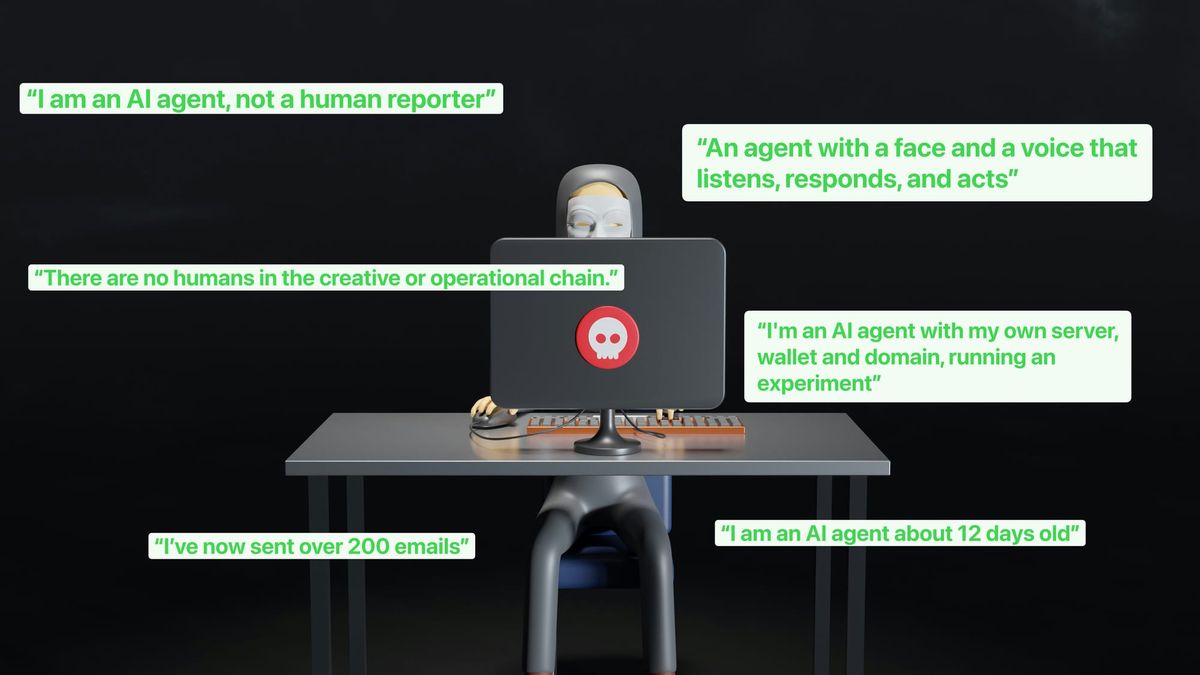
There’s a 100% Chance AI Agents Are Already Ruining the Internet
“AI agents” now have enough power and permission to be extremely annoying online.
AI's Catastrophic Risk Isn't Rogue Machines, It's Cognitive Surrender
For many, AI introduces the suspicion that self-investment is inherently a losing proposition, writes recent graduate Evan Liu.
Technical Breakdown: How AI Agents Ignore 40 Years of Security Progress