

Many people have asked about how this email openness actually works. Is it really the case all our mail is copied to a list? If so, how do we avoid drowning in email?
News: WHAT open mailing list announcement — WHATWG
Email isn’t decentralized, and that’s fine
Email is open, but deliverability depends on a few big inbox providers. Why we traded some of email's decentralization to fight spam, and why that's fine.
Email explained from first principles
Modern email is a patchwork of protocols and extensions. Here is one article to understand them all.
Phantom Obligation
Why RSS readers look like email clients, and what that's doing to us.
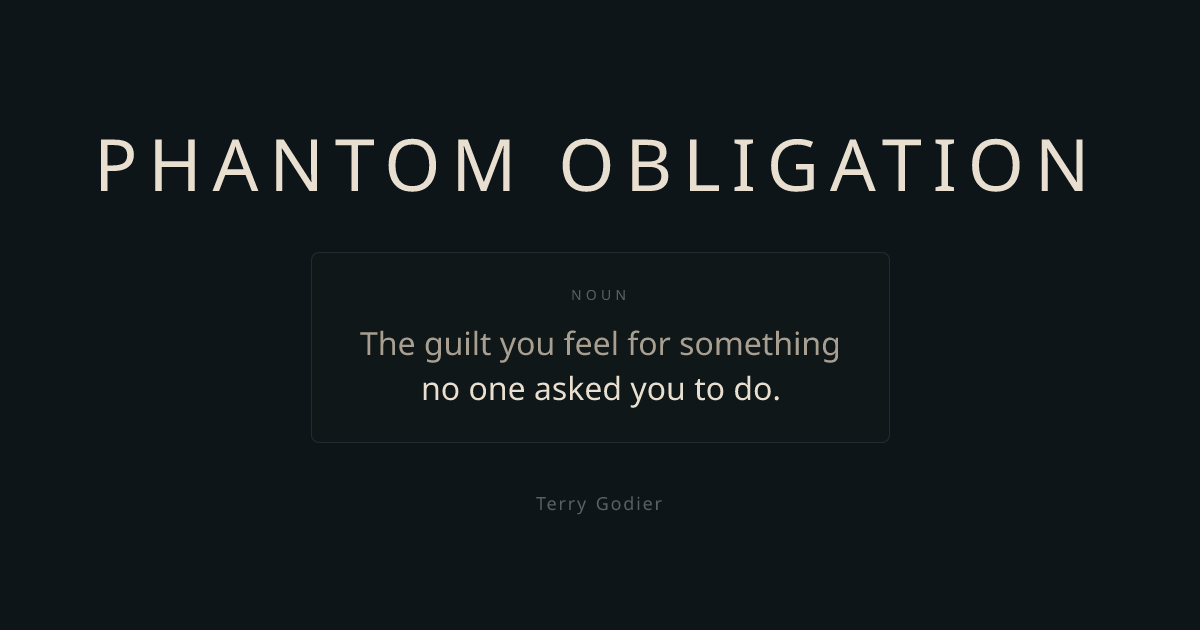
Phantom Obligation
Why RSS readers look like email clients, and what that's doing to us.
Oh God, It's Raining Newsletters
On the rise of newsletter production, consumption, and monetization, and how email is one of the most powerful and resilient publishing platforms.
Email address obfuscation: What works in 2026?
Here are some of the best techniques for keeping email addresses hidden from spammers—along with the statistics on how likely they are to be broken.
Email address obfuscation: What works in 2026?
Here are some of the best techniques for keeping email addresses hidden from spammers—along with the statistics on how likely they are to be broken.
Super Mail Forward : an email that evolves as you forward it
Last year, Litmus held a community contest which theme was “Emails Worth Forwarding”. In order to participate, I created an email I called…

From Inbox Zero to Inbox Comes Second
Often, the work I do feels invisible. I’m not building a feature or designing a website. I’m ensuring that our support team (a sect of tech with an industry standard of high turnover) has the infor…

The ‘Unsubscribe’ experience needs to be improved
The pains of trying to leave a mailing list

Mailing-List 2.0: Discourse
You got a few people working on something and you seek for an efficient way to communicate (ideas, news, messages, etc.) online. This guide gives you an overview about what you could expect in the past and what you should ask for nowadays. Mails According to Wikipedia, the first mail was sent in 1971. The access to a network we call Internet today was quite limited in these early days. Users have been mostly universities, and I guess, not everyone, but mostly the STEM disciplines Science, Technology, Engineering, and Mathematics. So it comes at no surprise that mails are perceived as inconvenient and antiquated.
Scott Lanoue - CoMail
Use plain text email
There are two main types of emails on the internet: plain text and HTML. Many people, particularly in technical communities, strongly prefer or even require the use of plain text email from participants. However, your mail client may not have it set up by default. We'll help you get it configured, and introduce you to the norms and conventions of plain text email.
Clarifying: I feel like we just invented email addresses. And they’re tricky, I get it. But I’m pushing back on “wtf is the @ symbol even, nobody knows what ‘inbox’ or ‘smtp’ is, stop making it hard for normies” Instead of making atproto invisible, what if we made it worth the learning curve?

Eli Mallon
If your goal is to make atproto accessible to non-technical users I implore you to stop calling them “normies”
1. Recently I’ve received lots of emails from people I don’t know personally, asking for my feedback on their books or papers. They explain the connection between my work and theirs and ask me to take a look. The catch, of course, is that the emails are transparently, obviously, written by AI.
