

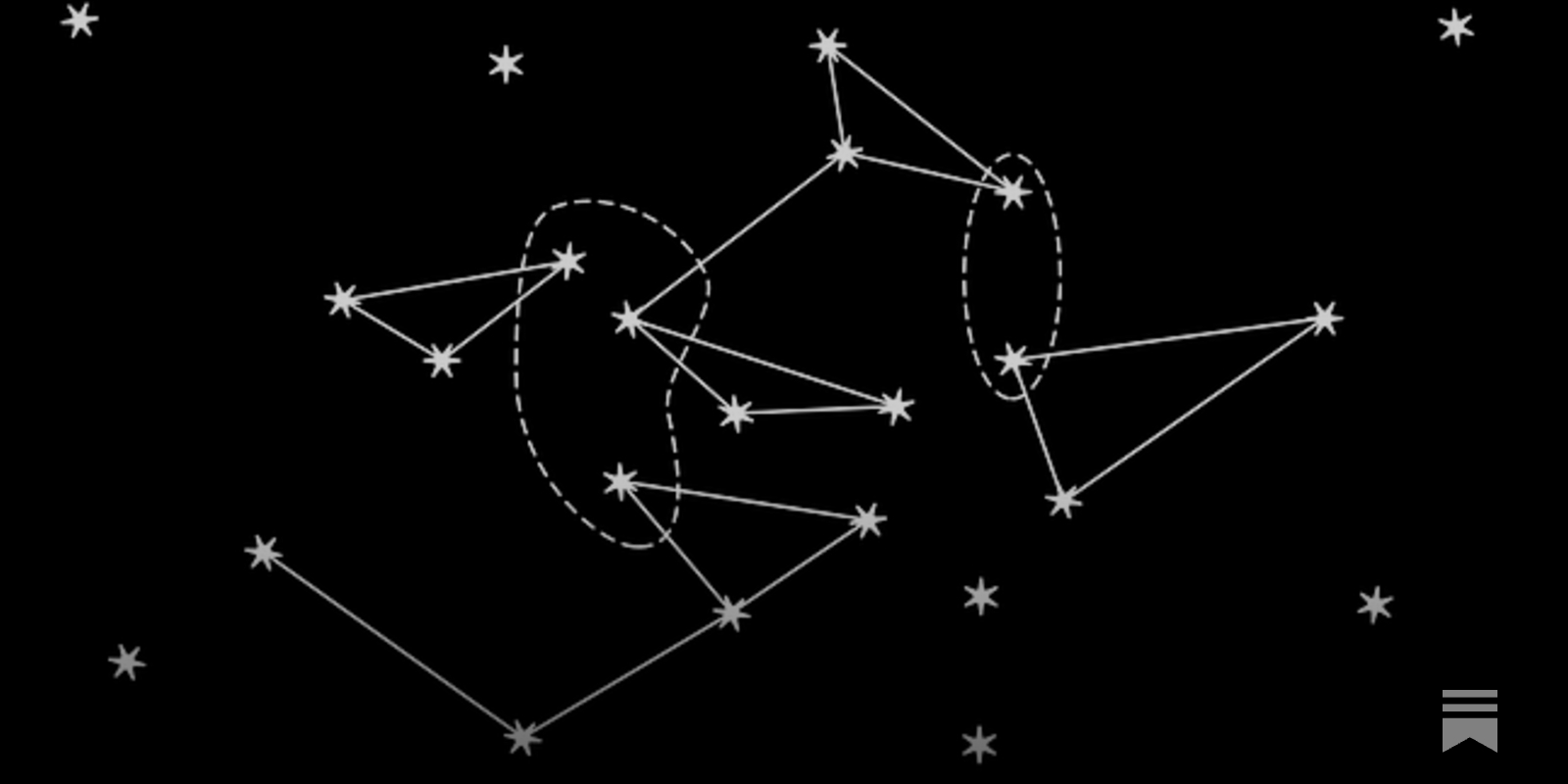
When Tim Berners Lee talks about how he designed the web, he uses an analogy from physics, describing his process as a quest to find “fundamental laws” which can generate a desired system:
All you need is links
When Tim Berners Lee talks about how he designed the web, he uses an analogy from physics, describing his process as a quest to find “fundamental laws” which can generate a desired system:
All you need is links
When Tim Berners Lee talks about how he designed the web, he uses an analogy from physics, describing his process as a quest to find “fundamental laws” which can generate a desired system:
All you need is links
When Tim Berners Lee talks about how he designed the web, he uses an analogy from physics, describing his process as a quest to find “fundamental laws” which can generate a desired system:
The Web’s Creator Looks to Reinvent It (Published 2016)
Tim Berners-Lee and other computer scientists are pondering newer technologies to create a web with more privacy and less government control.

CERN70: Where the Web was born…
In 1989, Tim Berners-Lee, a young scientist working at CERN, wrote a proposal for an information management system based on the Internet. At the time, few people really understood the significance of his seemingly abstract idea. Luckily, however, his supervisor and a few colleagues had the foresight to let him work on an invention that would change the world.

Building Glass for the Web
How we built a cross-browser glass effect for the web, and how it shapes a family of components.

Systems design 3: LLMs and the semantic revolution
Long ago in the 1990s when I was in high school, my chemistry+physics teacher pulled me aside. "Avery, you know how the Internet works, righ...
Information Architecture. Basics for Designers.
The World Wide Web contains a tremendous amount of information which is hard to imagine unstructured because a human brain wouldn’t be able…

Tim Berners-Lee on the huge sociotechnical design challenge | TechCrunch
In a speech discussing ethics and the Internet, the inventor of the World Wide Web, Sir Tim Berners-Lee, has tasked the technology industry and its coder

How the Web Was Lost – James Gleick
This Is for Everyone: The Unfinished Story of the World Wide Webby Tim Berners-Lee with Stephen WittFarrar, Straus and Giroux, 389 pp., $30

Opinion | How to Save the Web (Published 2018)
Governments, businesses and users around the world must commit to a set of fundamental principles for the web.

🌿 Foraging in High-Dimensional Data
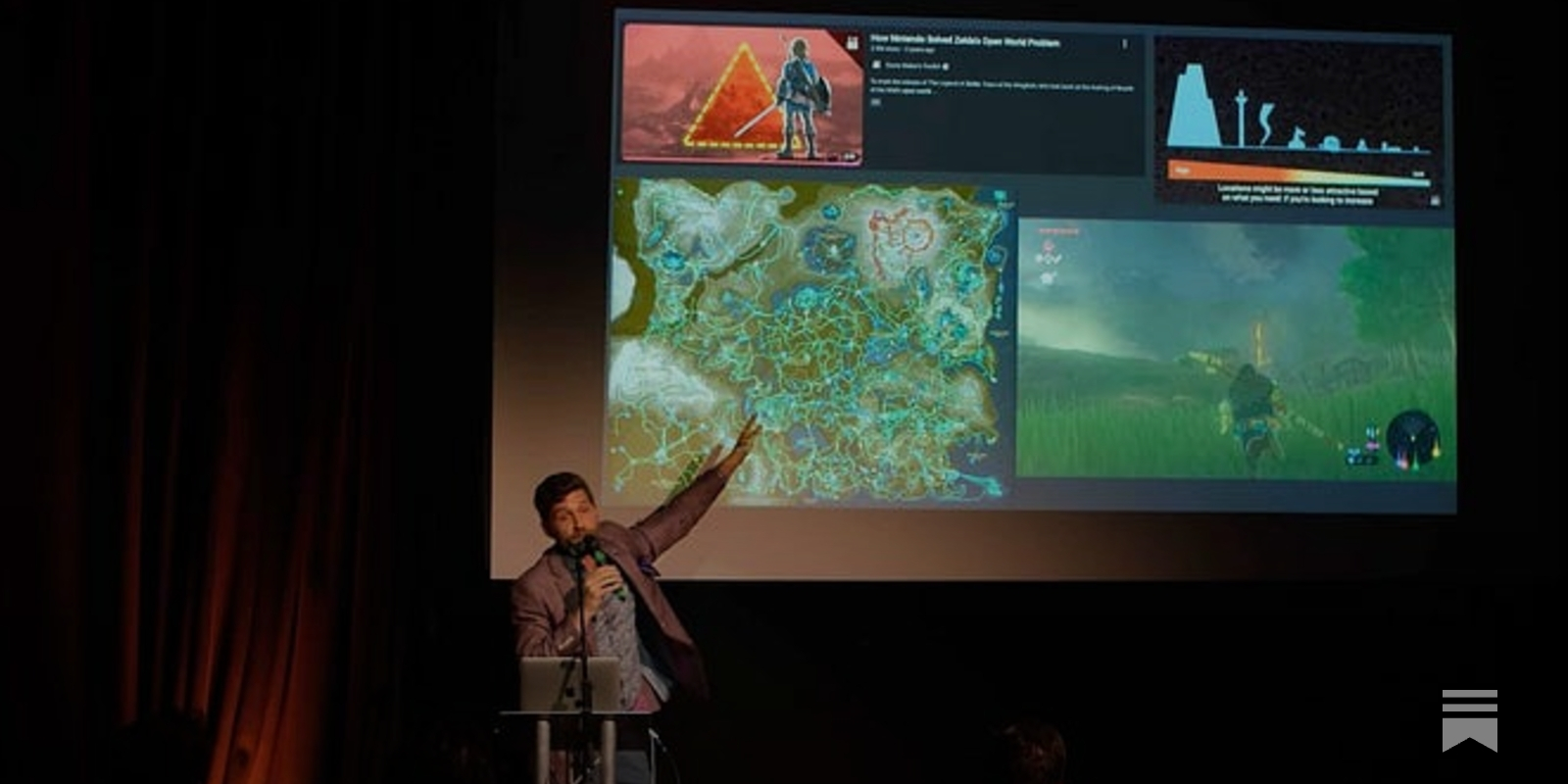
My talk from the Diverse Intelligences Summer Institute 2025 on how we can draw from thinking in complex systems science and game design to heal our relationship to the Web.
Rethink: Web - Open Space
When we struggle to explain the inherent qualities of a medium, we tend to defer to analogies and metaphors. This is especially true of the internet. Clouds, highways, streams, and real estate are just a few examples of the concepts employed to represent this intangible invention. Staring into a screen, it’s easy to imagine an […]

The inventor of the web Tim Berners-Lee on the future of the internet, 'fake news,' and why net neutrality is so important
Axel Springer CEO Mathias Döpfner sat down with Sir Tim Berners-Lee, the inventor of the World Wide Web, for a far-ranging conversation.
Reimagining the Browser for a Green Web - Branch
The web must operate within planetary limits by phasing out fossil fuels, and reducing absolute emissions across supply chains.

Tim Berners Lee: Thoughts On The Internet Evolution
"I’ve always believed the web is for everyone. That's why I and others fight fiercely to protect it."
