

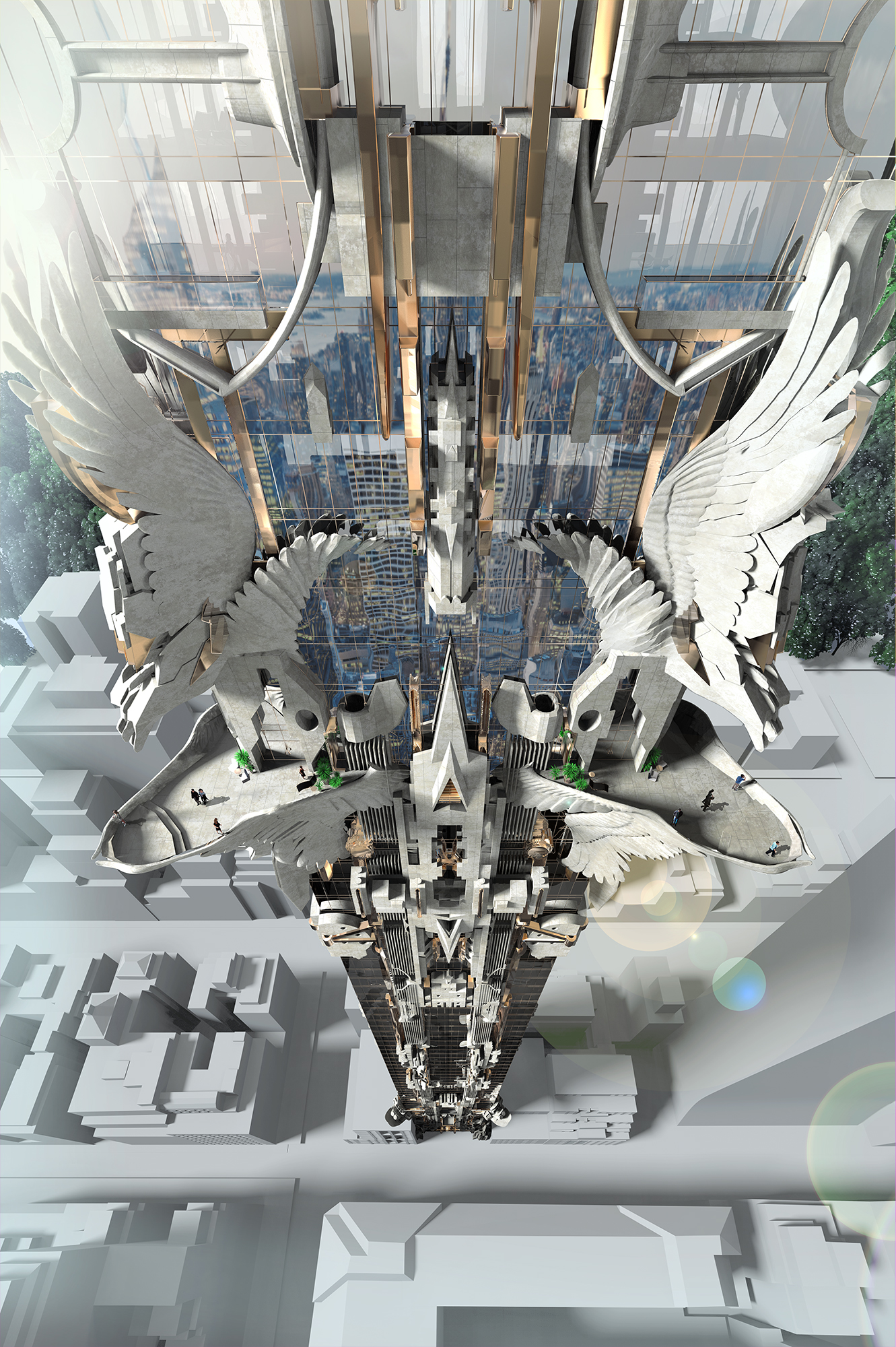
Accepted as a creative point of origin, capital blossoms into evermore absurd stylistic forms, intricate angel sculptures, and shimmering copper cluster columns.
Capital in the Twenty First Century
What are the grand dynamics that drive the accumulation…

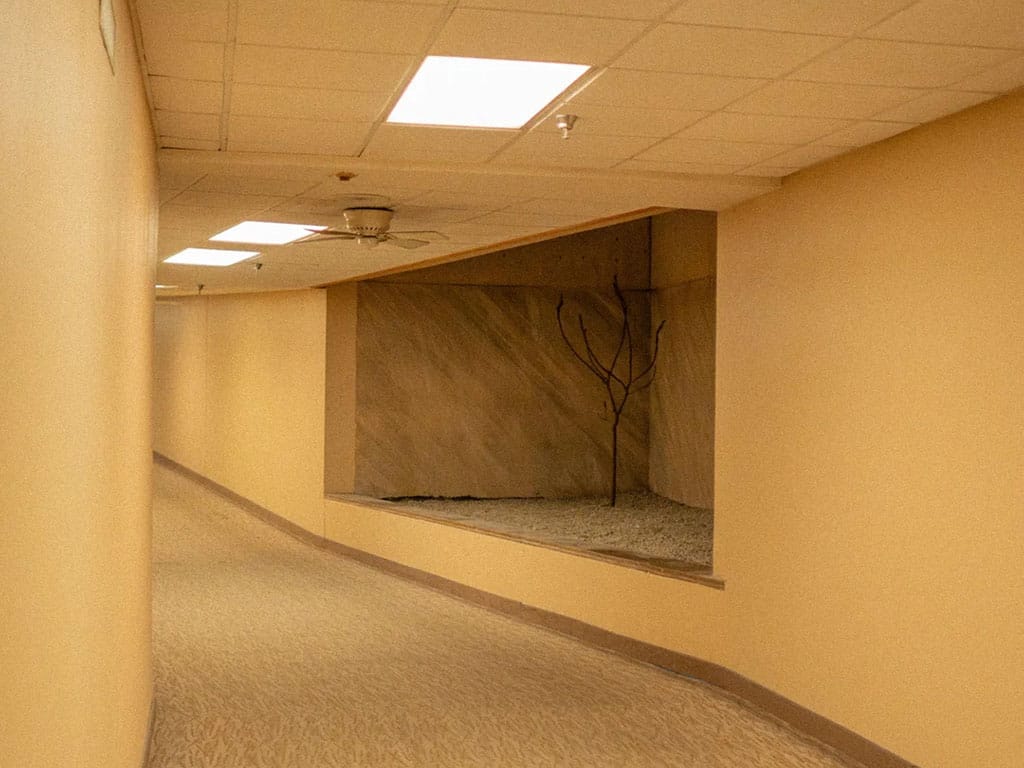
How Liminalism Became the Defining Aesthetic of Our Time
This crowd-curated digital movement is one of the most pertinent and explicit reactions to our particular slice of dystopian late capitalism.
Arts and culture for the enjoyment of all – Victorian Socialists
Art should belong to everyone, not just the rich. We’re fighting for stronger support for emerging artists, museums, galleries, theatres and live music.
AI: The New Aesthetics of Fascism
It's embarrassing, destructive, and looks like shit: AI-generated art is the perfect aesthetic form for the far right.
How Modern Art Serves the Rich
More art is being produced and sold than ever before, at ever higher prices.

Artist Corporations: A groundbreaking structure for creative people
Creative people deserve the same economic advantages as everyone else. So we’re going to build it together.
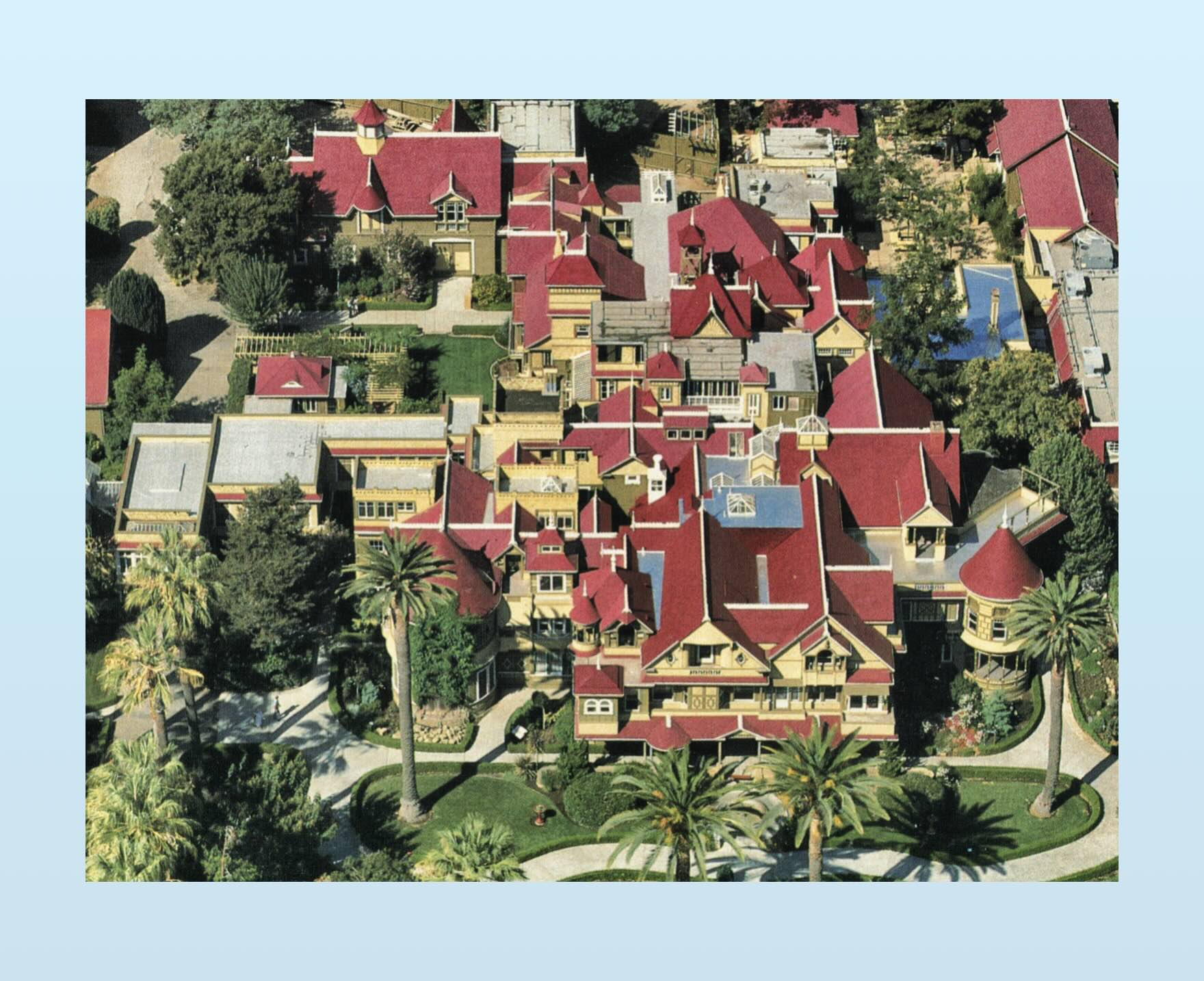
The Cathedral, the Bazaar, and the Winchester Mystery House
Welcome to the era of sprawling, idiosyncratic tooling.
Hype, financial narratives, and self-fulfilling prophecies in surveillance capitalism
The rise of platforms has transformed our understanding of contemporary capitalism, with the critical literature describing how these firms leverage unprecedented digital powers to extract monopoly rents – perhaps even heralding a new form of Feudalism. This paper draws on the literature on financial narratives to examine the role that such stories play within the form of capitalism that they describe, and what this suggests for the role of “hype” in contemporary capitalism. The same stories that for critical scholars appear as menacing threats of “technofeudalism” or “surveillance capitalism” for investors appear as optimistic stories of promising future returns. By driving financial investments, narratives afford platforms very real social and political powers, enabling them to function as a form of self-fulfilling prophecies. The paper argues for a cultural inflection to the political economy of Big Tech – viewing capitalism as neither mechanistic nor rational, but as an expression of a complex interplay between narrative, technology, and economic power. This suggests the need for a critical hype studies, geared at deconstructing the narratives undergirding the technological waves of capitalist pursuits, and examining the broader role of hype in coordinating and directing flows of capital within contemporary financialized capitalism.

The Cult of the Imperfect by Umberto Eco
October 28, 2019 – Umberto Eco on the merits of imperfect works of art, including ‘The Count of Monte Cristo,’ ‘Hamlet,’ and ‘Casablanca.’

Cognitive Mercantilism
AI panic weirdly resembles the anxiety that accompanied early capitalism
Gamified Capitalism and 21st Century Fascism w/ Max Haiven
How Capitalism Incentivizes the Destruction of Art
Capitalism is supposed to encourage innovation. But in Hollywood, studios are creating a narrower range of films to avoid taking any risk at all.
Playbooks — Renaissance Philanthropy – A brighter future for all through science, technology, and innovation
Christopher Alexander’s A Pattern Language defines 253 methods for constructing beautiful and practical designs at every scale, from cities to rooms.

Interface Realisms: The Interface as Aesthetic Form
Until now, digital arts have largely been understood to belong in traditional genres or forms of art: we are said to have electronic literature, net.art, or electronic, techno music. Sometimes interesting discussions have arisen concerning the very ontology of digital art, and questions such as whether net.art should be seen within the tradition of the visual arts or as a form of literature connecting it to the different traditions and questions regulating these arts.[1] While it is not my intent to disconnect digital art from traditional art, or to argue for the irrelevance of the traditional forms of art, I will in the following establish the interface as an aesthetic and critical framework for digital art.