

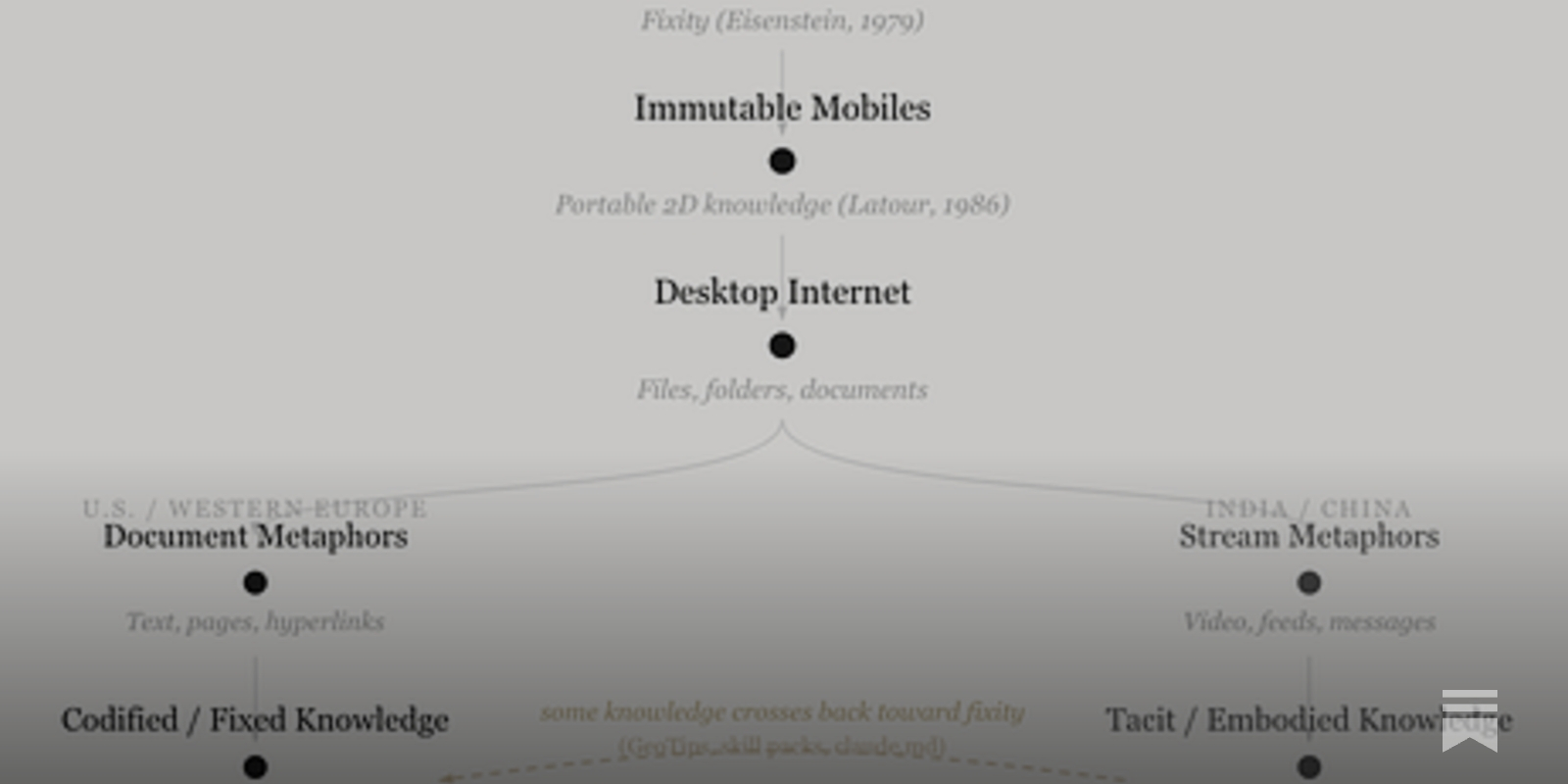
How knowledge redevelops at higher levels of abstraction, and why its still dependent on properties of the printing press
Why Tacit Knowledge is More Important Than Deliberate Practice
What tacit knowledge is, and why it is the most interesting topic in the study of expertise today.

Copying Better: How To Acquire The Tacit Knowledge of Experts
Much of expertise is tacit: that is, it cannot be captured through words alone. We look at techniques, drawn from the field of Naturalistic Decision Making, designed to acquire the tacit knowledge of experts.

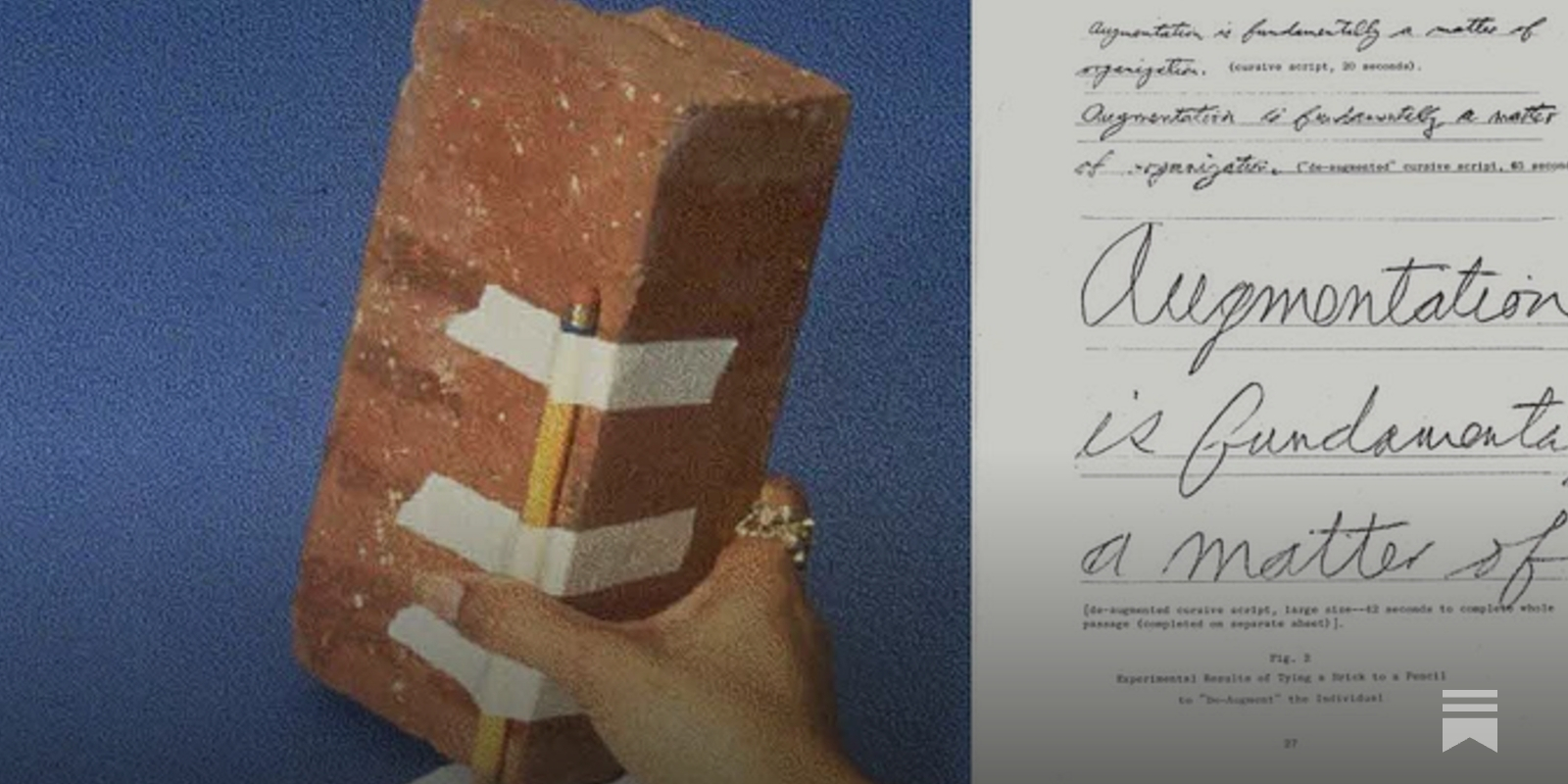
What’s Lost as Handwriting Fades (Published 2014)
Even as the emphasis shifts to the keyboard, experts say that learning to write by hand improves motor skills, memory and creativity.


Care at the Edge of Automation – Topos Institute
Technologies don’t just solve problems, they change us. We invent technologies, and they invent us in turn, shaping our lives and worlds. This is the phenomenon that Terry Winograd and Fernando Flores, in Understanding Computers and Cognition (1986), called “ontological design.” It matters now more than ever—along with a second lesson they saw clearly. Technological research is always guided (and sometimes misguided) by deep ontological assumptions about, e.g., the nature of cognition, agency, and communication. If we are to create technologies that truly serve human flourishing and care, we must bring these hidden assumptions into the open and question them at their roots.

AI Skills with Matt Pocock
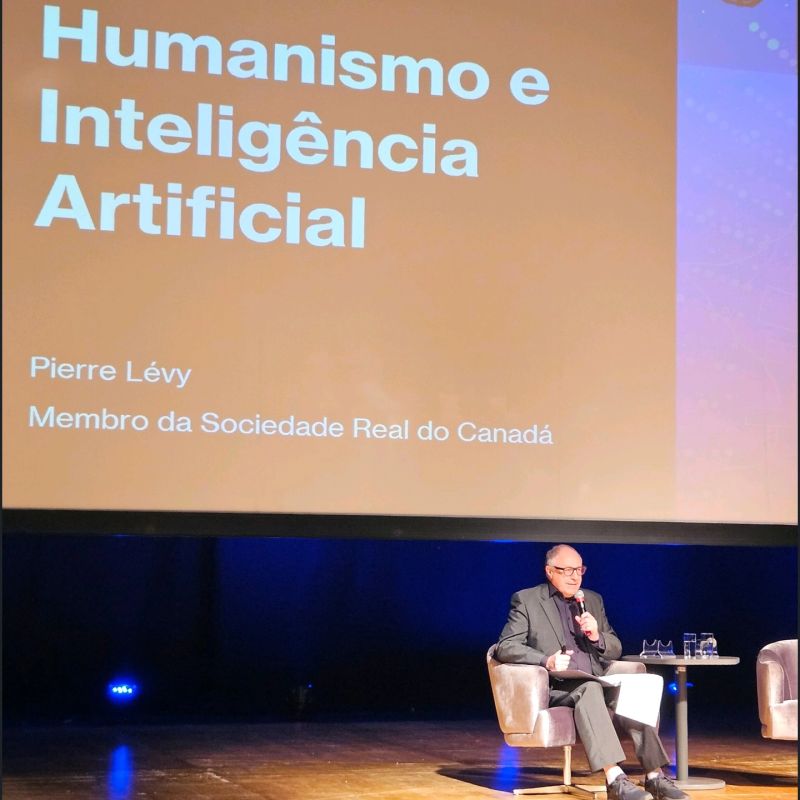
Humanism and artificial intelligence
If humanism was born with the alphabet in a literate environment and was reborn with the printing press, what becomes of it when digital technology becomes the dominant symbolic technology?
Up and Down the Ladder of Abstraction
"In science, if you know what you are doing, you should not be doing it. In engineering, if you do not know what you are doing, you should not be doing it. Of course, you seldom, if ever, see either pure state."
The Knowledge Ecology
The important thing here is that the music is not in the piano. And knowledge and edification is not in the computer. The computer is simply an instrument whose music is ideas. Yes? No? Yes-no-yes-no-yes-no.
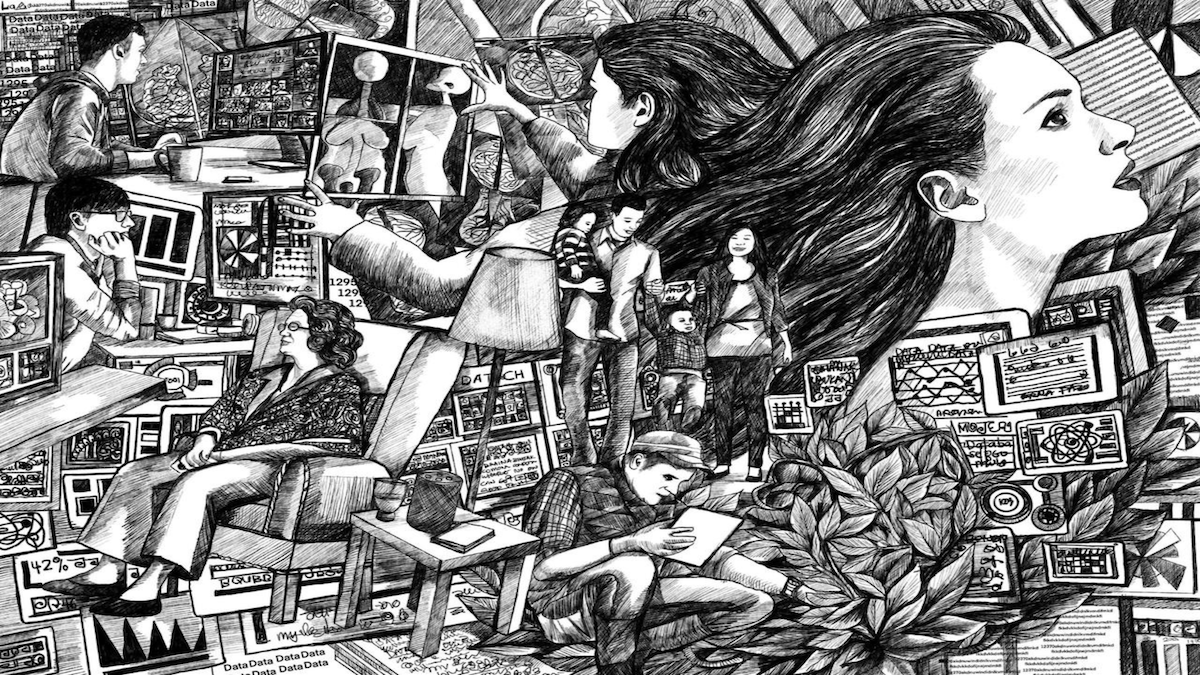
AI’s Next Chapter Requires Human Expertise
The future of AI doesn’t just require technical skills; it demands deep human expertise, writes Annie K. Lamar.
Why Hasn’t AI Made Work Easier? - Cal Newport
I’ve been studying the intersection of digital technology and office work for quite some time. (I find it hard to believe that my book, Deep ... Read more

Small Programming Tricks
A lot of effective engineering comes from the accumulation of small nuggets of knowledge.
Drawabox | A free, exercise based approach to learning the fundamentals of drawing
A free, exercise based approach to learning the fundamentals of drawing. We tackle drawing in a logical, analytical fashion inspired by concept artists and industrial designers, focusing on technical skills that can be developed with hard work and determination.

I don't know if I like working at higher levels of abstraction
AI tools push us to higher abstraction. I'm not sure I like what that costs us.
AI Literacy Across the Curriculum
As you have no doubt seen, AI is becoming ubiquitous in our lives and in the technologies we use every day. Generative AI is no longer an experimental tool, but a deployed technology in many of the…

The peril of laziness lost | The Observation Deck
In his classic Programming Perl — affectionately known to a generation of technologists as "the Camel Book" — Larry Wall famously wrote of the three virtues of a programmer as laziness, impatience, and hubris: If we’re going to talk about good software design, we have to talk about Laziness, Impatience, and Hubris, the basis of good software design. We’ve all fallen into the trap of using cut-and-paste when we should have defined a higher-level abstraction, if only just a loop or subroutine. To be sure, some folks have gone to the opposite extreme of defining ever-growing mounds of higher level abstractions when they should have used cut-and-paste. Generally, though, most of us need to think about using more abstraction rather than less.