

Mobile super apps have evolved into complex ecosystems that integrate diverse services through third-party miniapps, plugins, and APIs. These super apps, offering a plethora of services often in the form of third-party integrated, self-contained packages and capabilities, have greatly extended the versatility of the platforms, offering unprecedented convenience but also introducing significant security and privacy challenges. In the past decade, super apps have evolved into a comprehensive OS-alike ecosystem, with millions of miniapps hosted by built-in stores akin to Google Play and the Apple App Store. Nevertheless, the surging popularity of these apps, such as WeChat, Alipay, TikTok, Line, Zalo, and Grab, has resulted in an immense volume of user data being generated, stored, and transmitted via these platforms. Emerging Operating Systems have also provided such light-weight integration, such as QuickApps as advocated by Huawei, Xiaomi, and Oppo. With their integration of diverse services within a single platform or application, these super apps pose significant security and privacy challenges. Recently, the rise of agentic AI frameworks and AI-enabled application development has further transformed the ecosystem of super apps. Agentic frameworks enabling automatic multi-modal interaction, as well as AI-augmented app development, has significantly reformed the landscape of software development and user interactions. However, these advancements have also expanded the attack surface, introducing novel risks such as data leakage, malicious integrations, privilege escalation, and adversarial manipulation. Our desire of SaTS workshop is to bring together researchers and practitioners from academia, industry, and government to share the latest research efforts and advances, exploring emerging threats, defense, and research directions at the intersection of AI-empowered mobile super apps, miniapp ecosystems, and security analysis.

Replit: Make an app for that
Who Does Your Agent Work For? The AI Super App Problem
Explore who controls AI agents in your digital life. This essay examines super apps, enclosure, and why the delegation layer between intent and action matters most.
LLM Agents Are the Antidote to Walled Gardens
While the Internet's core infrastructure was designed to be open and universal, today's application layer is dominated by closed, proprietary platforms. Open and interoperable APIs require significant investment, and market leaders have little incentive to enable data exchange that could erode their user lock-in. We argue that LLM-based agents fundamentally disrupt this status quo. Agents can automatically translate between data formats and interact with interfaces designed for humans: this makes interoperability dramatically cheaper and effectively unavoidable. We name this shift universal interoperability: the ability for any two digital services to exchange data seamlessly using AI-mediated adapters. Universal interoperability undermines monopolistic behaviours and promotes data portability. However, it can also lead to new security risks and technical debt. Our position is that the ML community should embrace this development while building the appropriate frameworks to mitigate the downsides. By acting now, we can harness AI to restore user freedom and competitive markets without sacrificing security.

Mark Gurman on Twitter / X
Apple will let any AI platform - big apps include Gemini, Claude, Alexa, Meta AI etc. - to be queried in Siri if they enable an Extensions service inside of their iOS, macOS or iPadOS app. Apple will have a new section in the App Store. Unclear if there’s an approval process. https://t.co/RJObyPHB2u— Mark Gurman (@markgurman) March 26, 2026
Supermemory
The memory layer for AI agents. Context engineering platform powering enterprise APIs, developer plugins, and a personal app that remembers everything.
AgentBox · Free In-Browser AI Agent OS | Strukto
A free, privacy-first in-browser AI agent OS that connects to Google Drive, Dropbox, Slack, GitHub, etc. No server-side data storage.
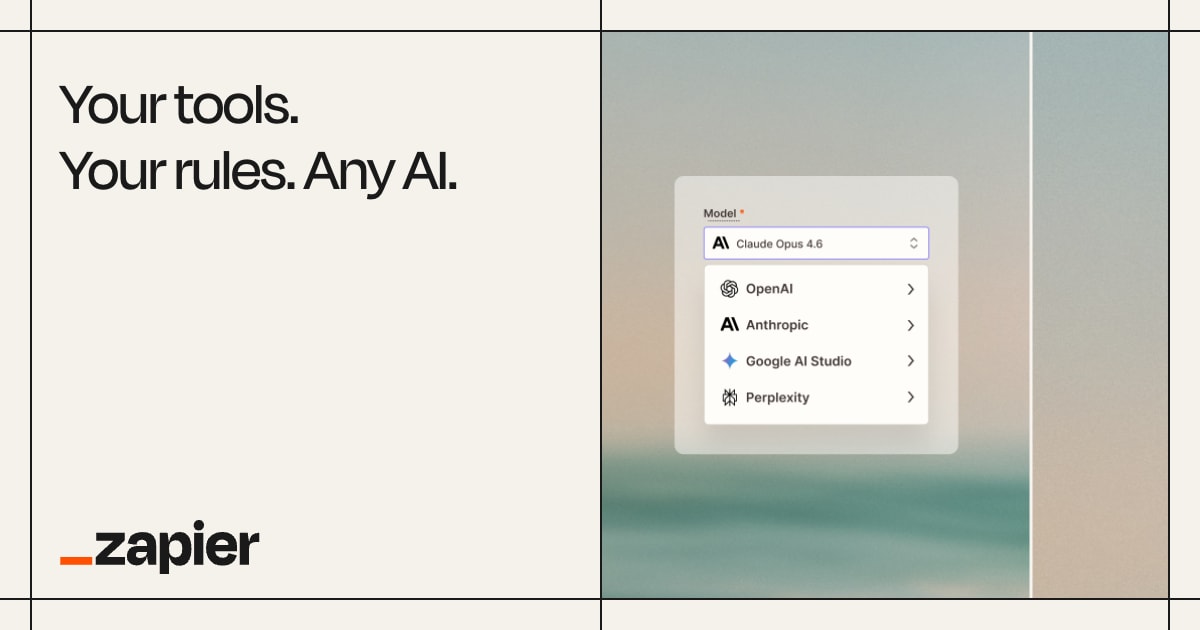
Zapier: Automate AI Workflows, Agents, and Apps
Build and scale AI workflows and agents across 9,000+ apps with Zapier—the most connected AI orchestration platform. Trusted by 3 million+ businesses.
Agents vs Operating Systems : The War That Could Kill Apps
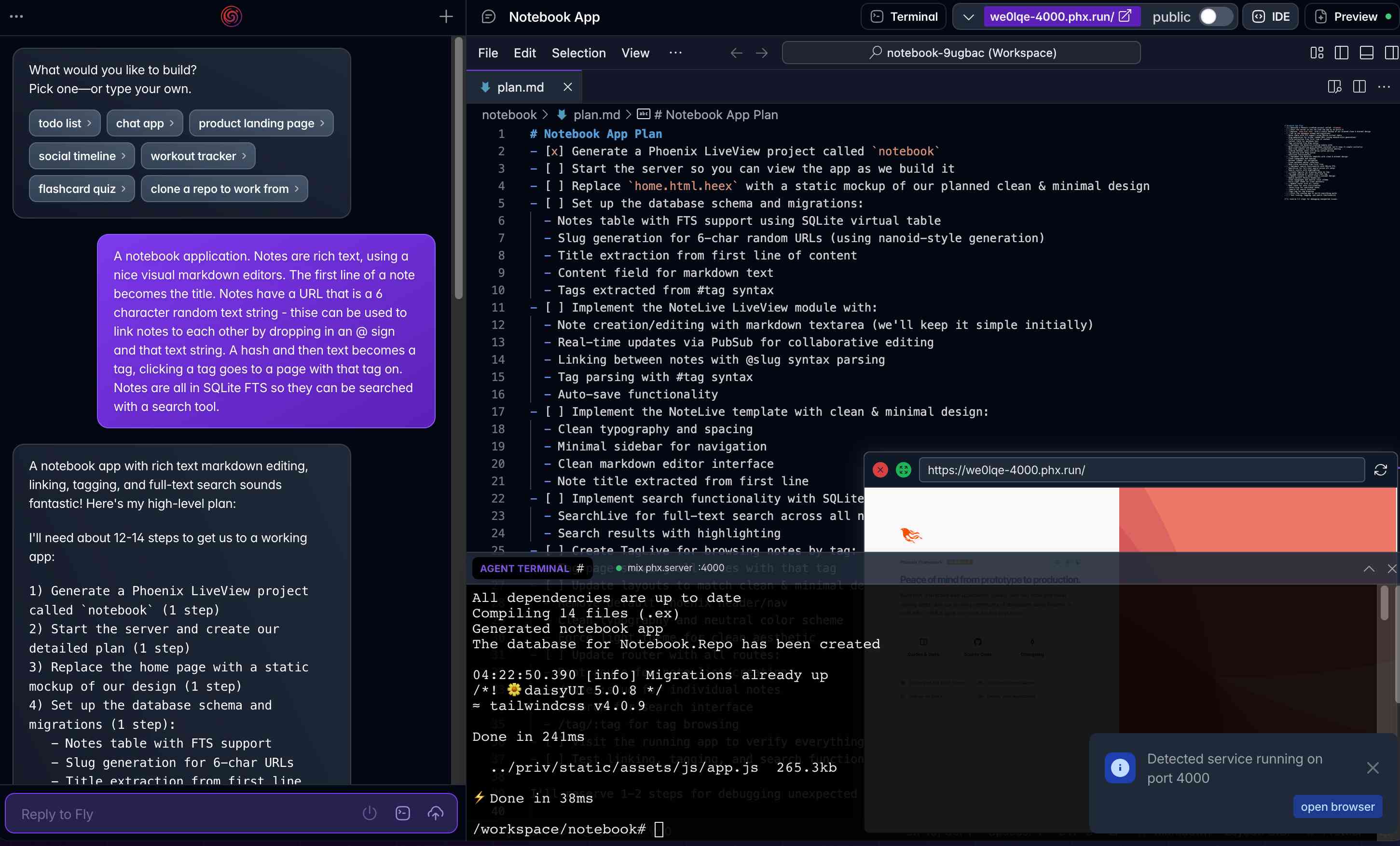
Phoenix.new is Fly’s entry into the prompt-driven app development space
Here’s a fascinating new entrant into the AI-assisted-programming / coding-agents space by Fly.io, introduced on their blog in Phoenix.new – The Remote AI Runtime for Phoenix: describe an app in …
Agents vs Operating Systems : The War That Could Kill Apps
GREG ISENBERG on Twitter / X
Apple JUST quietly announced something that’s a lot BIGGER than it looks: "the Mini Apps Partner Program"Apple is admitting that the future of software is embedded, lightweight, vertical mini-apps distributed inside bigger appFor founders who want to make $$ building apps:… pic.twitter.com/jZz7dU6w07— GREG ISENBERG (@gregisenberg) November 14, 2025

App stores could be replaced by having apps published to a PDS, with safety provided using content moderation tooling, search indexed from the firehose, etc. thoufh. We strike aggregators everywhere that they stand.

Gordon
Software industry is probably going to look a lot like the music industry or games industry. Lots of talent, lots of supply, bottleneck shifts to distribution. Aggregators win again?
