

The systems we build are never neutral. They can magnify harm or support a just and sustainable society. How we build today shapes tomorrow’s possibilities.

We need Sustainable Free and Open Source Communities
Sustainable Free and Open Source software is not about business models, it’s about building sustainable communities.
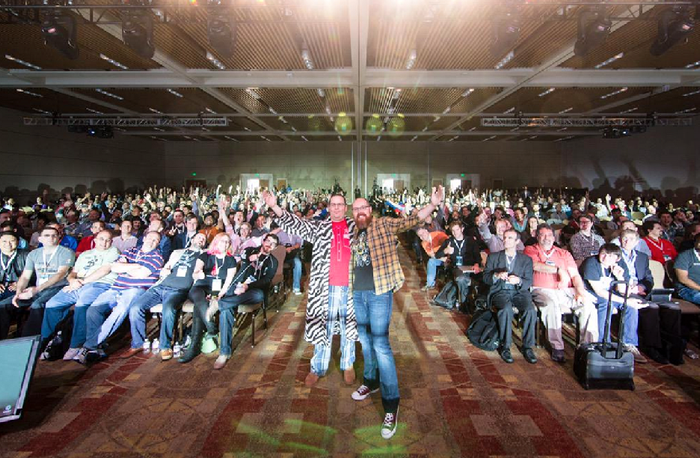
Redefining our needs: Permacomputing and Vernacular computing
How to ensure an increasing focus on sustainability in computing?

Breaking Smart: How Software is Eating the World
21 essays on the software revolution — how agile, networked approaches are disrupting industries and remaking society. In English, German, and French.

Breaking Smart: How Software is Eating the World
21 essays on the software revolution — how agile, networked approaches are disrupting industries and remaking society. In English, German, and French.
Breaking Smart: How Software is Eating the World
21 essays on the software revolution — how agile, networked approaches are disrupting industries and remaking society. In English, German, and French.
Breaking Smart: How Software is Eating the World
21 essays on the software revolution — how agile, networked approaches are disrupting industries and remaking society. In English, German, and French.
Breaking Smart: How Software is Eating the World
21 essays on the software revolution — how agile, networked approaches are disrupting industries and remaking society. In English, German, and French.
Breaking Smart: How Software is Eating the World
21 essays on the software revolution — how agile, networked approaches are disrupting industries and remaking society. In English, German, and French.
Breaking Smart: How Software is Eating the World
21 essays on the software revolution — how agile, networked approaches are disrupting industries and remaking society. In English, German, and French.
Breaking Smart: How Software is Eating the World
21 essays on the software revolution — how agile, networked approaches are disrupting industries and remaking society. In English, German, and French.
Breaking Smart: How Software is Eating the World
21 essays on the software revolution — how agile, networked approaches are disrupting industries and remaking society. In English, German, and French.
Open source sustainability
While only twenty years ago open-source software was simply a curiosity that attracted the attention of a few academics and was not seriously considered in the software industry, open-source infrastructure today is ubiquitous, powering applications in virtually every domain.
Open source sustainability | TechCrunch
Open source sustainability has been nothing short of an oxymoron. Engineers around the world pour their sweat and frankly, their hearts into these passion

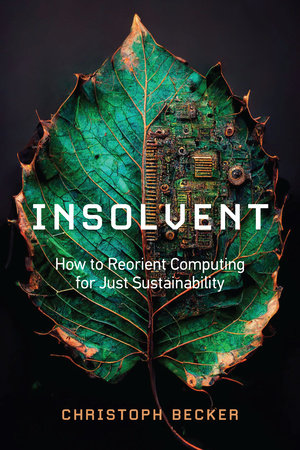
Insolvent: How to Reorient Computing for Just Sustainability
How we can enact meaningful change in computing to meet the urgent need for sustainability and justice.The deep entanglement of information technology with
Sustaining Open Source Software
The ‘open source sustainability’ debate continues with yet-another-company relicensing their product away from an open source license to…
