


Minimal source-inspection tooling for Svelte apps, inspired by Agentation and designed for dev-only workflows.
AgentScan - GitHub Automation Detector
An open experiment in detecting automation patterns on GitHub
Composable, fast, and secure dev environments | Workshop | Ubuntu
Launch agent-ready, sandboxed development environments with a single command. Define them via simple YAML configs, share them to recreate on different machines.

agentOS — A faster, lighter, cheaper alternative to sandboxes
A portable open-source operating system for agents. Stateful runtime, universal agent interface, and secure code execution. One SDK, deploy anywhere.

Cognition | Agent Trace: Capturing the Context Graph of Code
We’re excited to join in Cursor, Cloudflare, Vercel, git-ai, OpenCode and others in support of [Agent Trace](https://agent-trace.dev/). As described in the spec, Agent Trace is an open, vendor-neutral spec for recording AI contributions alongside human authorship in version-controlled codebases.
Introducing Ark UI Svelte
A headless component library for Svelte 5 apps and design systems
Evaluating AGENTS.md: Are Repository-Level Context Files Helpful for Coding Agents?
A widespread practice in software development is to tailor coding agents to repositories using context files, such as AGENTS.md, by either manually or automatically generating them. Although this practice is strongly encouraged by agent developers, there is currently no rigorous investigation into whether such context files are actually effective for real-world tasks. In this work, we study this question and evaluate coding agents' task completion performance in two complementary settings: established SWE-bench tasks from popular repositories, with LLM-generated context files following agent-developer recommendations, and a novel collection of issues from repositories containing developer-committed context files. Across multiple coding agents and LLMs, we find that context files tend to reduce task success rates compared to providing no repository context, while also increasing inference cost by over 20%. Behaviorally, both LLM-generated and developer-provided context files encourage broader exploration (e.g., more thorough testing and file traversal), and coding agents tend to respect their instructions. Ultimately, we conclude that unnecessary requirements from context files make tasks harder, and human-written context files should describe only minimal requirements.

Microsoft offers devs a better way to control AI agent behavior | TechCrunch
The specification lets developer, compliance, and security teams define their own policies for agents to follow in portable policy files.

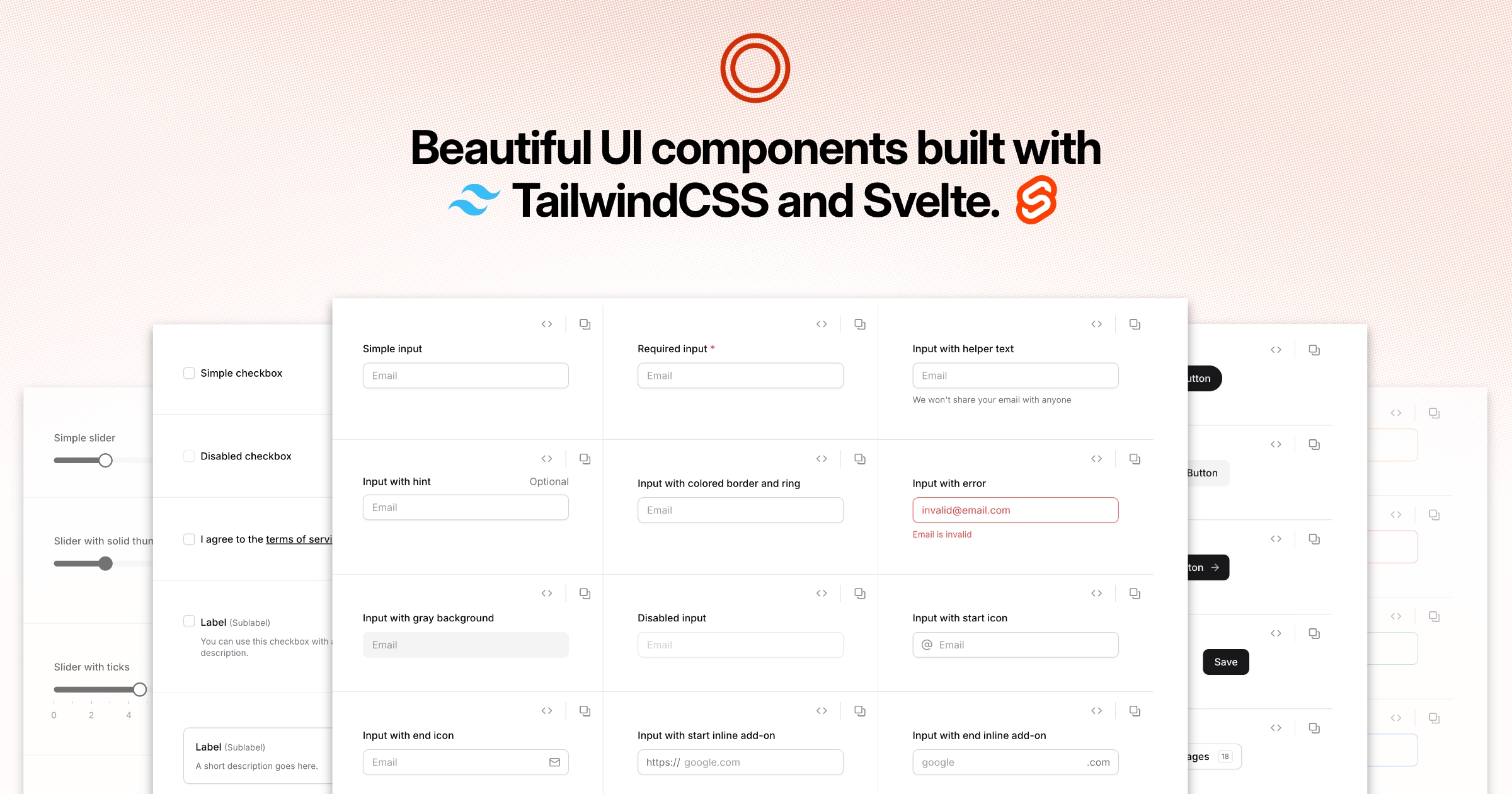
Origin UI - Svelte
An extensive collection of copy-and-paste Svelte components for quickly building app UIs.
Git AI - Track AI Code all the way to production
Cross-agent observability from prompt to production. Track AI-generated code from Cursor, Claude Code, GitHub Copilot, Gemini, and more through the entire SDLC.
Introducing eve
Introducing eve, the open-source agent framework from Vercel for building, running, and scaling agents in production, with durable execution, sandboxed compute, approvals, channels, tracing, and evals built in.

How Antithesis Turned exe into a Sandbox for Agentic Software Tests - exe.dev blog
Carl Sverre spends a lot of time thinking about how to give AI agents the right amount of power. Give them too little, and they can’t do real work. Give them too much, and they might blow up your tech stack. As a software engineer at Antithesis, an autonomous software testing platform, that question is core to how Sverre thinks about designing tools in the era of advanced AI.

AURI for Developers | AI-Native AppSec Platform | Endor La
Secure agentic software development with free code and dependency scanning. Find vulnerabilities, malware, and leaked secrets before AI coding agents ship them.
