Securely connect to anything on the internet with Tailscale. Built on WireGuard®️, Tailscale enables you to make finely configurable connections, secured end-to-end according to zero trust principles, between any resources on any infrastructure.
Tailscale Services
Securely connect to and manage access to your internal resources using Tailscale Services.

Tailscale | Secure Connectivity for AI, IoT & Multi-Cloud
The connectivity platform for devs, IT, and security teams. Zero Trust identity-based access that deploys in minutes and scales to every resource. Start free.

Tailscale Funnel
Securely route internet traffic to local services using Tailscale Funnel.
Digging into how Tailscale encrypts its state file on Windows, Apple, and Linux
Tailscale's latest version encrypts more data at rest, making it harder for attackers to potentially clone your nodes. Here's how it works.

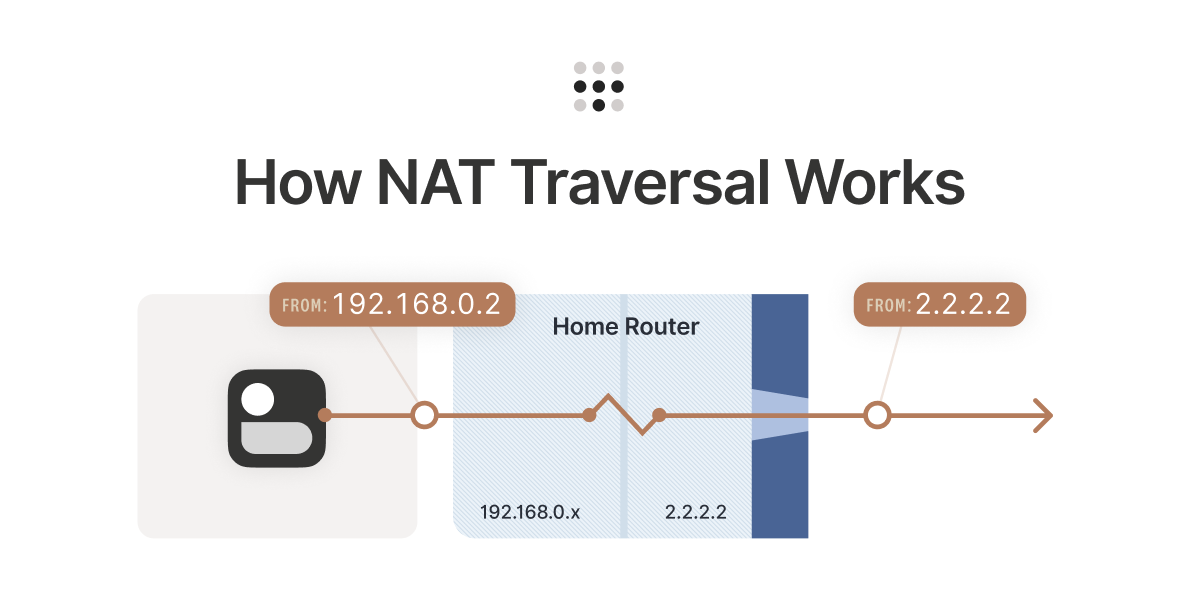
How NAT traversal works
Learn how NAT traversal works, how Tailscale can get through and securely connect your devices directly to each other.
tailscale/tailcat
like netcat, but over Tailscale's data plane, without Tailscale's control plane
tailscale/tailcat
like netcat, but over Tailscale's data plane, without Tailscale's control plane
How to self-host with Tailscale: Installing Proxmox and hardware choices
In this tutorial, we’ll start by picking out hardware and installing Proxmox. Tailscale can then securely connect to your self-hosted storage.

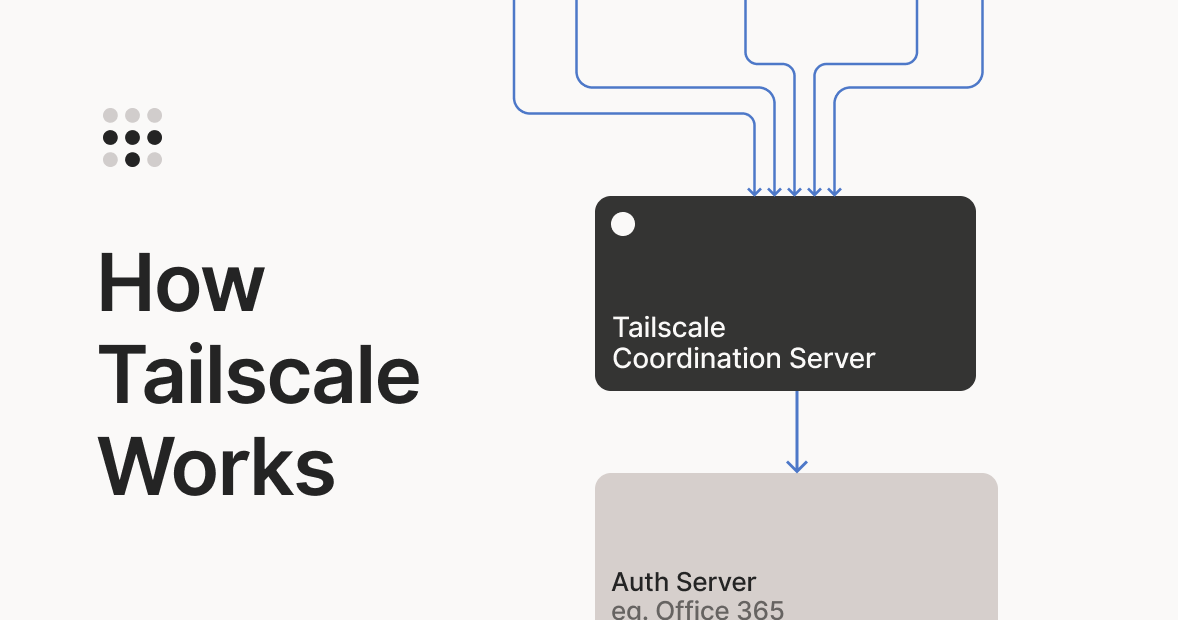
Tailscale: How it works
Understand the entire Tailscale system, how it works, how we built it, and its benefits compared to legacy VPNs. Use this article as a guide to quickly build your own Tailscale replacement.
tailmox v1.2.0 is ready
103 votes, 15 comments. With this version, `tailscale serve` is used which helps to decouple Tailscale from Proxmox as the certificate no longer…
Jellyfin + Tailscale Setup Guide for Secure Remote Streaming
Tailscale’d Into Homelabbing
Having my own homelab was something I wanted to try for a long time. However, I just couldn’t get started. Mostly because I kept overthinking it. How will I handle dynamic IPs? Do I need something like a local DNS on my router for that? Even if I solve things inside the home, how am I supposed to access it remotely? Do I need port forwarding at the NAT layer? And what about TLS certificates, how do I even manage those without using a public certificate authority?

tailmix: Connect to Multiple Tailnets at Once - exe.dev blog
An independent, open-source client that lets one machine connect to multiple tailnets simultaneously.