

There’s a campaign dynamic now coming into view which under other circumstances...
Crossing the River by Feeling the Stones - Simon Wardley
The Joy of Becoming Worthless…except to each other — Douglas Rushkoff
My last piece, The Intentional Collapse, seems to have agitated a few people. I know it came off a bit dark. I talked about how the Uber wealthy believe the world as we know it is ending and that there won’t be enough essential resources to go around, so they need to take control of as much money and stuff and land as possible in order to position themselves for the end of days.
Victoria's crime crisis is turning, but a looming election means everything
Fresh data shows crime levels may be beginning to plateau, but as the state election looms, the political crisis fuelled by the community's perception of safety shows little sign of easing.
Cory Doctorow on Enshittification, with danah boyd and Lee Vinsel
A Thrive/Survive Theory Of The Political Spectrum
I admitted in my last post on Reaction that I devoted insufficient space to the question of why society does seem to be drifting gradually leftward. And I now realize that in order to critique the …

What if failure is the plan? | danah boyd | apophenia
I’ve been thinking a lot about failure lately. Failure comes in many forms, but I’m especially interested in situations in which people *perceive* something as failing (or about to fail) and the contestations over failure that often arise in such situations. Given this, it’s hard not to be fascinated by all that’s unfolding around Twitter. At this point in the story of Musk’s takeover, there’s a spectrum of perspectives about Twitter’s pending doom (or lack thereof). But there’s more to failure than the binary question of “will Twitter fail or won’t it?” Here’s some thoughts on how I’m thinking about the failure question…
Opinion | The Rotting of the Republican Mind (Published 2020)
When one party becomes detached from reality.

Why Are American Presidential Election Campaign Polls so Variable When Votes Are so Predictable?
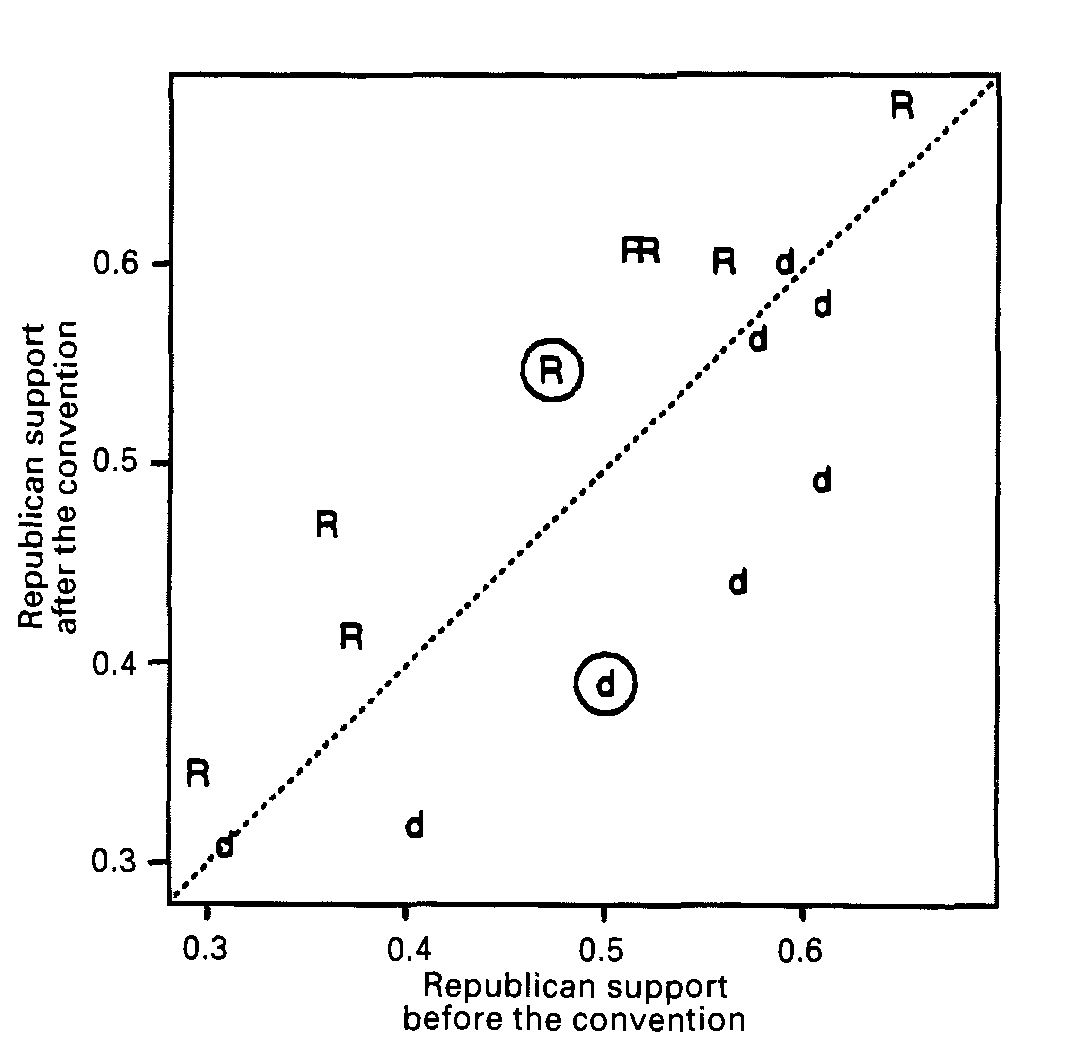
As most political scientists know, the outcome of the U.S. Presidential election can be predicted within a few percentage points (in the popular vote), based on information available months before the election. Thus, the general election campaign for president seems irrelevant to the outcome (except in very close elections), despite all the media coverage of campaign strategy. However, it is also well known that the pre-election opinion polls can vary wildly over the campaign, and this variation is generally attributed to events in the campaign. How can campaign events affect people's opinions on whom they plan to vote for, and yet not affect the outcome of the election? For that matter, why do voters consistently increase their support for a candidate during his nominating convention, even though the conventions are almost entirely predictable events whose effects can be rationally forecast? In this exploratory study, we consider several intuitively appealing, but ultimately wrong, resolutions to this puzzle, and discuss our current understanding of what causes opinion polls to fluctuate and yet reach a predictable outcome. Our evidence is based on graphical presentation and analysis of over 67,000 individual-level responses from forty-nine commercial polls during the 1988 campaign and many other aggregate poll results from the 1952–1992 campaigns. We show that responses to pollsters during the campaign are not generally informed or even, in a sense we describe, "rational." In contrast, voters decide which candidate to eventually support based on their enlightened preferences, as formed by the information they have learned during the campaign, as well as basic political cues such as ideology and party identification. We cannot prove this conclusion, but we do show that it is consistent with the aggregate forecasts and individual-level opinion poll responses. Based on the enlightened preferences hypothesis, we conclude that the news media have an important effect on the outcome of Presidential elections–-not due to misleading advertisements, sound bites, or spin doctors, but rather by conveying candidates' positions on important issues. Winner of the Pi Sigma Alpha Awardfor the best paper at the previous year's meetings of the Midwest Political Science Association. Replication data at the Harvard Dataverse: [https://doi.org/10.7910/DVN/I7GIKD](https://doi.org/10.7910/DVN/I7GIKD).
The Democratic image is underwater — but they're not losing
The party has a near-historically low favorability rating. This is mostly due to disaffection on the left, where voters still say they'll vote Democratic for the midterms
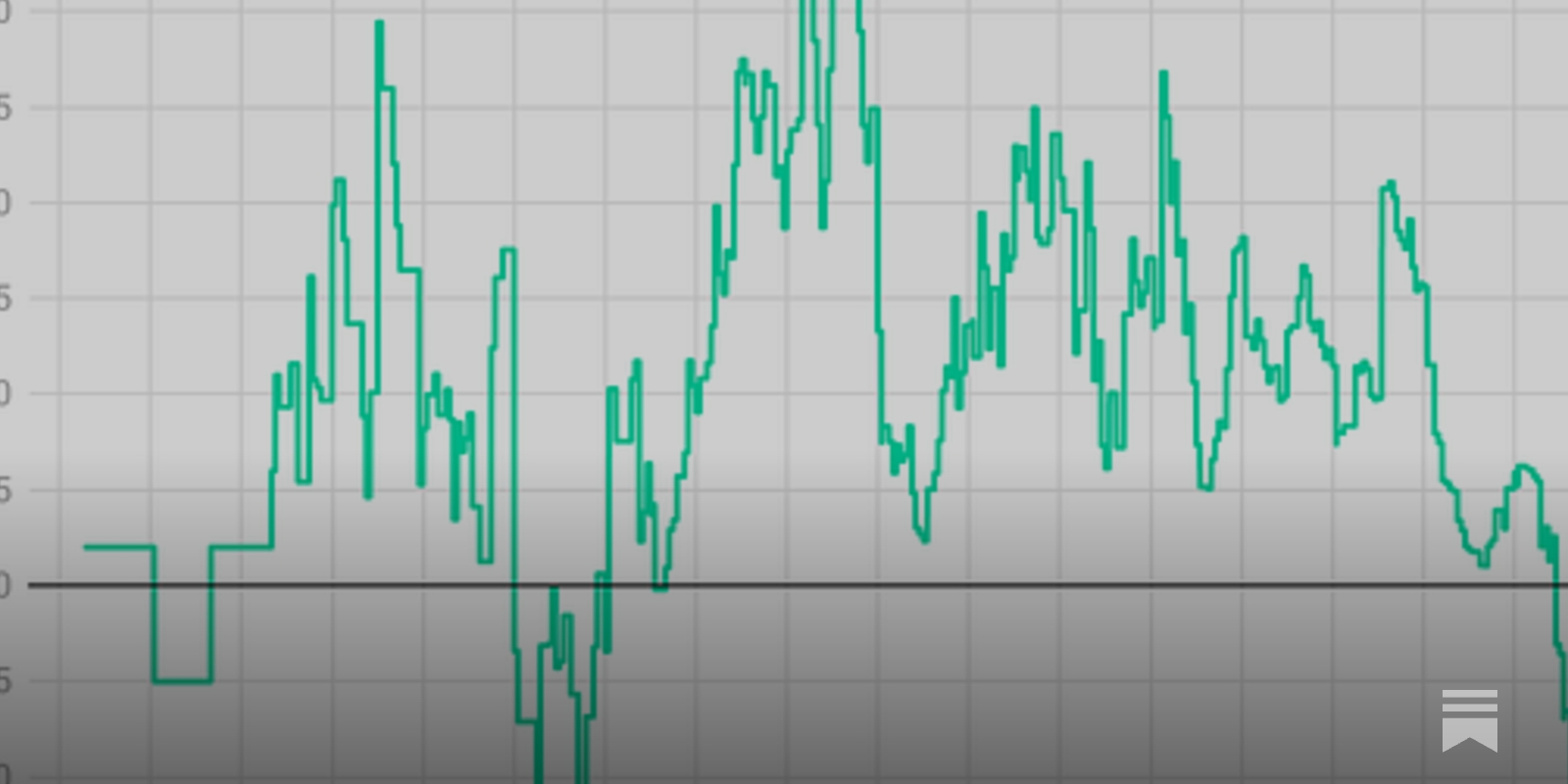
It's a torturous chaos until it isn't
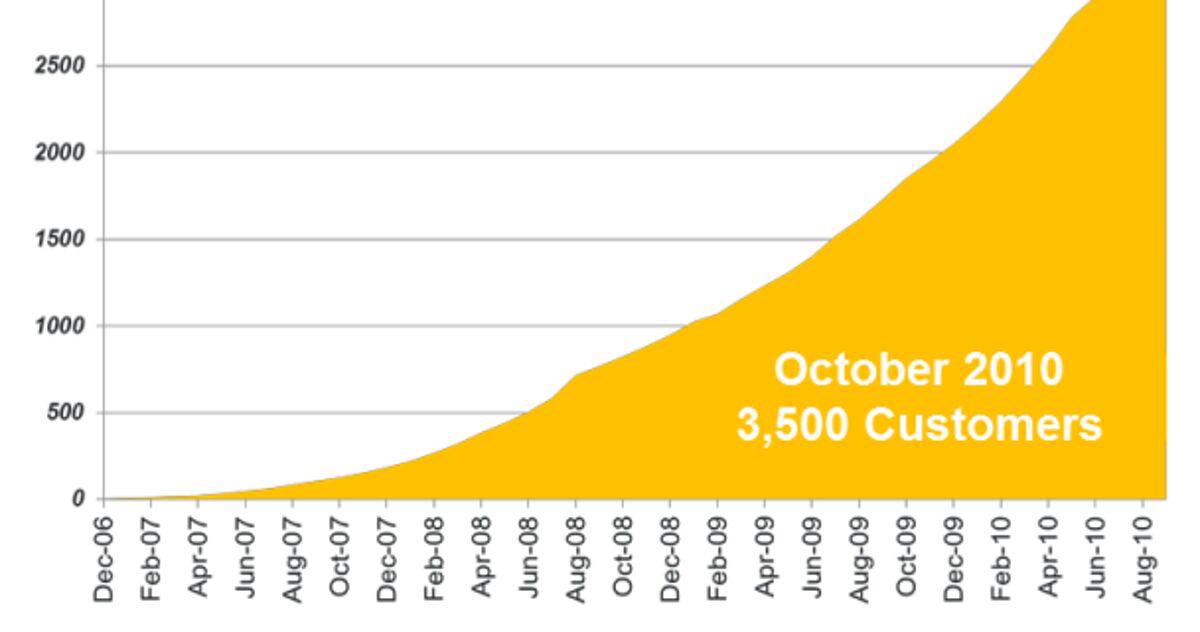
Even at wildly successful startups, the first few years are gut-wrenching, uncertain, on the brink of collapse, where pessimism is realism, and yet optimism is required.
An American Tragedy
The electorate has, in its plurality, decided to live in Trump’s world of vanity, hate, arrogance, untruth, and recklessness.
Lost in translation
74K votes, 423 comments. 719K subscribers in the NonPoliticalTwitter community. Twitter and Bluesky without the politics. Come vibe with us as we…

What to Do as the World Falls Apart: A Framework for Action | Frankly 132
Podcast Episode · The Great Simplification with Nate Hagens · March 20 · 53m

It's Mourning in America
I'm not really sure what to say. But phew, I sure as hell won't turn to ChatGPT to compensate, because my god, I'm grieving – "election grief is real" – and some advanced text predictor that promises to compensate for my "loss for words" is not going to do

Biden, Harris, Trump and 2024
Slow news weekend, am I right? Some thoughts on the current state of things, in no particular order. 1. I was not a fan of the idea of Joe Biden leaving the race, and I still have my suspicions tha…
