


Secrets of rendering extremely fast UIs in WebGPU by minimizing overhead on the GPU.
TypeGPU – Type-safe WebGPU toolkit
Discover how it can change the way you work with GPU rendering and computing.
Leveraging Rust and the GPU to render user interfaces at 120 FPS
From the Zed Blog: A deep-dive into the graphical underpinnings of GPUI, the hardware-accelerated framework that powers Zed's user interface.

WebGPU is now supported in major browsers | Blog | web.dev
Read about the biggest web graphics launch since WebGL. WebGPU is supported across major browsers, bringing unparalleled performance to the web.

Iwo Plaza – Your GPU is a JavaScript runtime* (TypeGPU deep-dive)
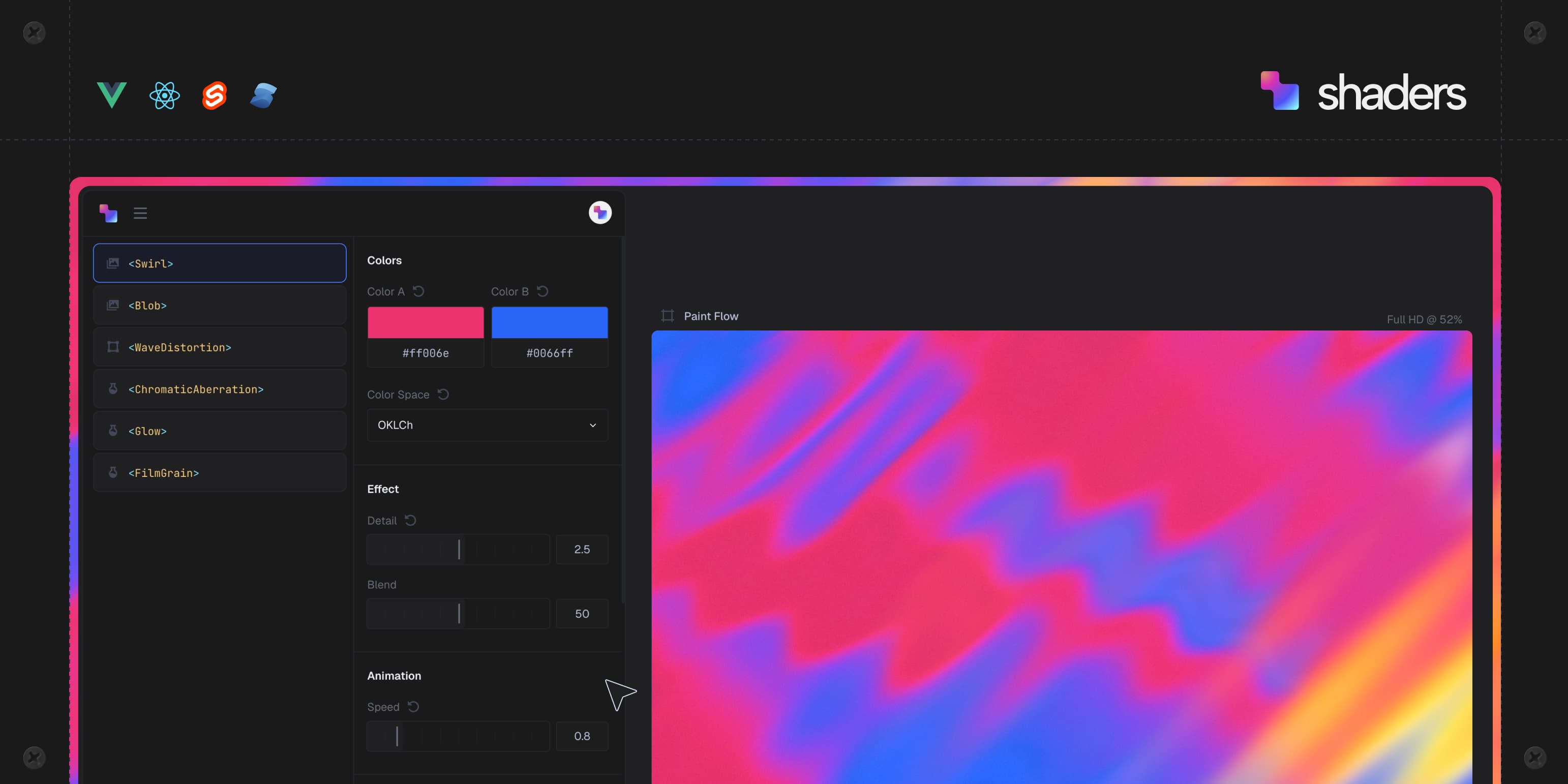
Shaders
Component library for creative WebGPU effects in modern frontend frameworks. Compose interactive visuals for Vue, React, Svelte and Solid.
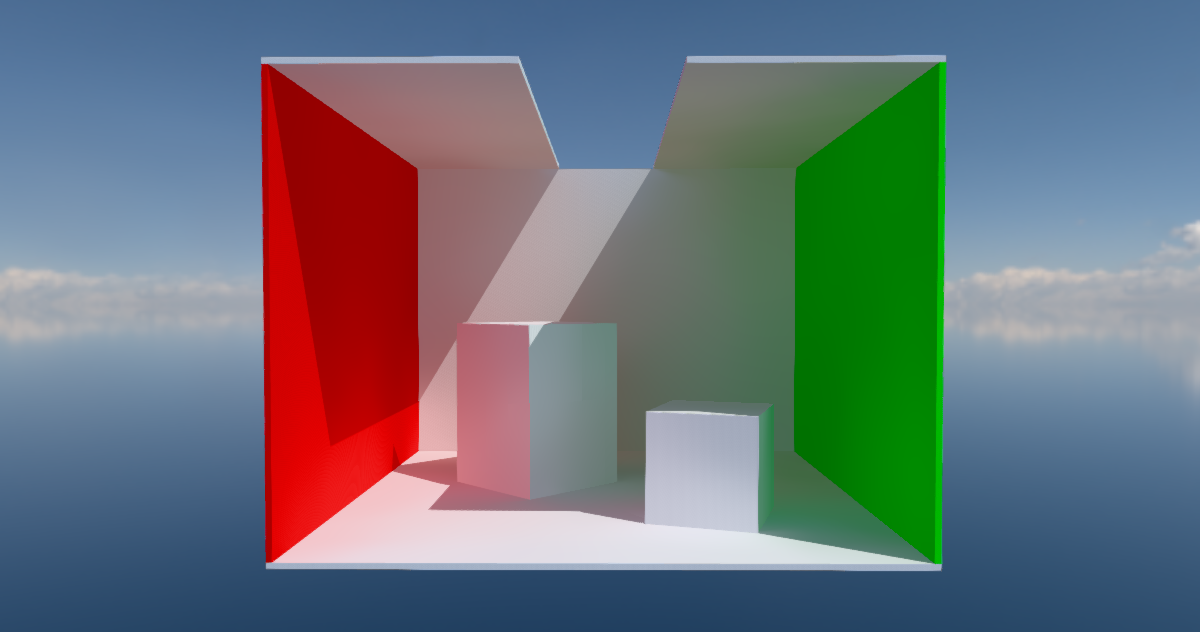
Surfel-based global illumination on the web
Can we use WebGPU to compute real-time global illumination with surface patches called surfels? Does it look good enough? Is it fast enough? And can we finally construct viable compute-heavy rendering pipelines right here on the open web? Join me on this journey and let's find out!
Brandon on Twitter / X
I think we might need a new TensorFlow.js for the modern WebGPU era. The best starting point for this library is, ironically, TensorFlow.js with WebGPU backend. But, like three.js, there are indications that not designing them from the ground up around WebGPU can lead to…— Brandon (@brandon_xyzw) December 6, 2025
LFM2 WebGPU – In-browser tool calling - a Hugging Face Space by LiquidAI
In-browser tool calling, powered by Transformers.js
Shipping WebGPU on Windows in Firefox 141
After years in development, we will be releasing WebGPU on Windows in Firefox 141! WebGPU gives web content a modern interface to the user’s graphics processor, enabling high-performance comp…

Fast Embeddings on GPUs
Fast and accurate search is vital to all of Perplexity, from Search and Computer to our API Platform. Behind the scenes, the heavy lifting is done by embedding


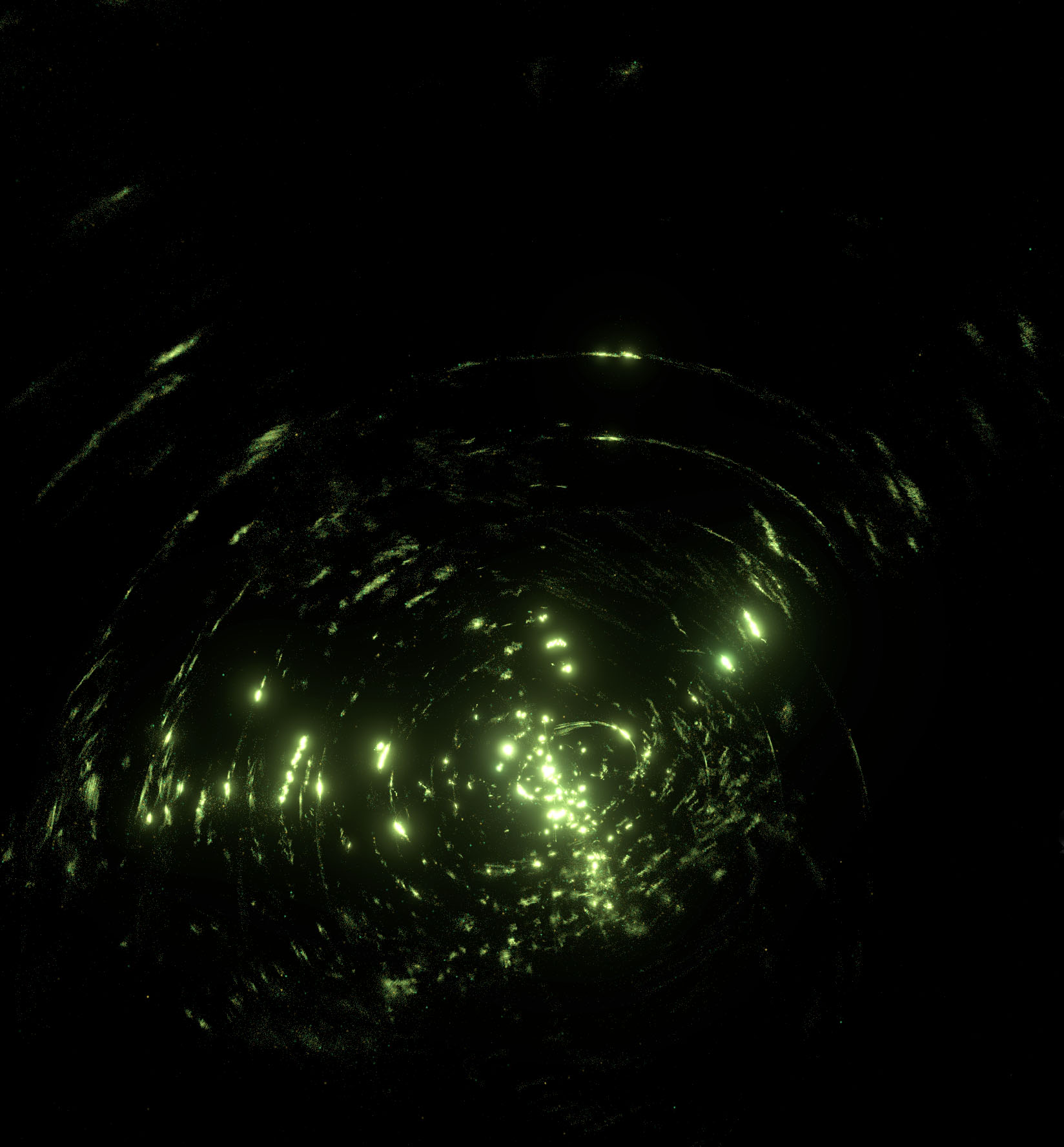
Rendering Particles with Compute Shaders
Overview I developed a technique to render single-pixel particles (using additive blending) with compute shaders rather than the usual fixed-function rasterization with vertex and fragment shaders. My approach runs 31–350% faster than rasterization on the cases I tested and is particularly faster for some “pathological” cases (which for my application are not actually that uncommon). I observed these speedups on both NVIDIA and AMD GPUs. Using this technique allowed me to ship an app that runs on minimum-spec hardware without sacrificing visual fidelity.
Electrobun + WGPU - Blackboard Blog
Electrobun now ships first-class WGPU, so you can render straight to GPU or use our Three.js/Babylon adapters in Bun without touching a webview.
Ternary Bonsai 2 WebGPU Kernels - a Hugging Face Space by webml-community
Run Ternary-Bonsai-2-27B locally in your browser on WebGPU
GitHub - playcanvas/engine: Powerful web graphics runtime built on WebGL, WebGPU, WebXR and glTF
Powerful web graphics runtime built on WebGL, WebGPU, WebXR and glTF - playcanvas/engine