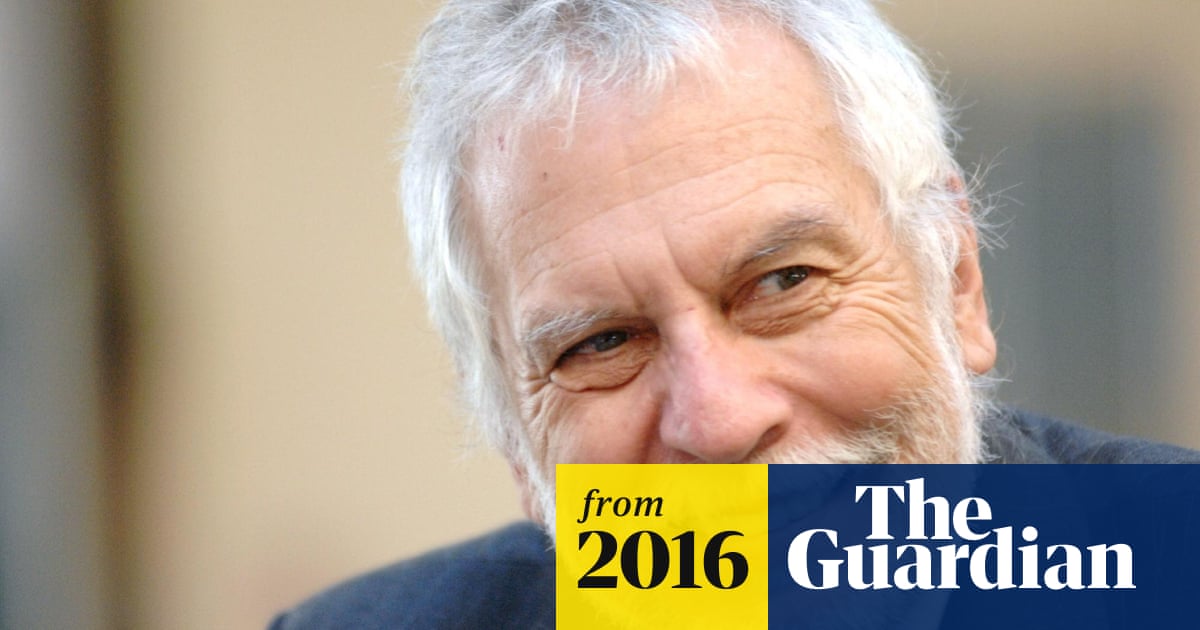
There are few figures more legendary in Silicon Valley than Nolan Bushnell, the Atari co-founder who gave Steve Jobs his first tech job and the guy who turned down the offer to buy a third of Apple for $50,000. Bushnell has a new book out called Finding The Next Steve Jobs which, he told me, is designed to help companies find that "quirky" fellow who can do the "strange things" that will change the world.
Atari co-founder: mobile games make me want to throw my phone
Video games pioneer Nolan Bushnell is planning to revive the ‘hardcore fundamental game design’ of arcades to make mobile titles worth playing
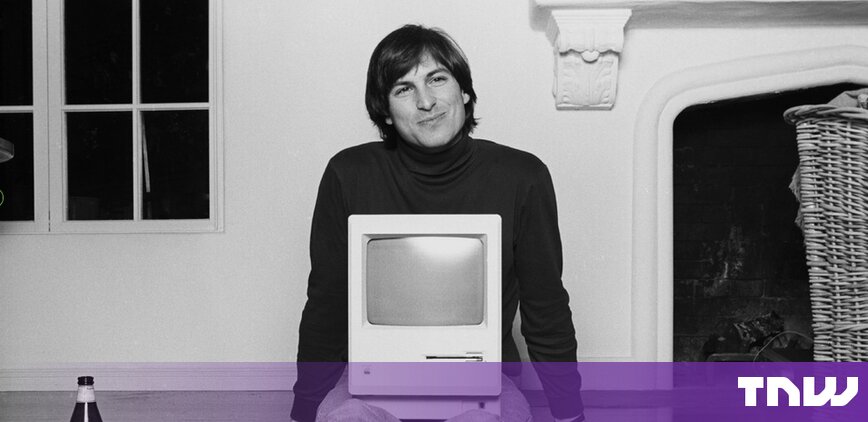
Steve Jobs Begs Designers in 1983 to Build Better Looking Computers
The Center for Design Innovation shared the tape of a rare speech recently that I thought was a fascinating snapshot of the transitional period from mainframe to personal computing. Jobs is typically charismatic in the speech, begging the attending designers to help Apple make computers that actually look good. This speech comes courtesy of a link […]
Steve Jobs
"FROM THE AUTHOR OF THE BESTSELLING BIOGRAPHIES OF BENJAMIN FRANKLIN AND ALBERT EINSTEIN, THIS IS THE EXCLUSIVE BIOGRAPHY OF STEVE JOBS. Based on more than forty interviews with Jobs conducted over two years--as well as interviews with more than a hundred family members, friends, adversaries, competitors, and colleagues--Walter Isaacson has written a riveting story of the roller-coaster life and searingly intense personality of a creative entrepreneur whose passion for perfection and ferocious drive revolutionized six industries: personal computers, animated movies, music, phones, tablet computing, and digital publishing. At a time when America is seeking ways to sustain its innovative edge, and when societies around the world are trying to build digital-age economies, Jobs stands as the ultimate icon of inventiveness and applied imagination. He knew that the best way to create value in the twenty-first century was to connect creativity with technology. He built a company where leaps of the imagination were combined with remarkable feats of engineering. Although Jobs cooperated with this book, he asked for no control over what was written nor even the right to read it before it was published. He put nothing off-limits. He encouraged the people he knew to speak honestly. And Jobs speaks candidly, sometimes brutally so, about the people he worked with and competed against. His friends, foes, and colleagues provide an unvarnished view of the passions, perfectionism, obsessions, artistry, devilry, and compulsion for control that shaped his approach to business and the innovative products that resulted. Driven by demons, Jobs could drive those around him to fury and despair. But his personality and products were interrelated, just as Apple's hardware and software tended to be, as if part of an integrated system. His tale is instructive and cautionary, filled with lessons about innovation, character, leadership, and values"--

Graham Fleming | Software & Hardware Engineer
The Human Co-Pilot for Early-Stage Founders. Expert software & hardware engineer specializing in Next.js, AI integration, scaling infrastructure, and fixing tech debt.
How Steve Jobs Became a Billionaire | Fortune
It wasn't Apple that made him his first billion, as a book by Pixar ex-CFO Lawrence Levy explains.

The most brilliant move in corporate history?
In a bold departure from its Big Tech peers, Apple sidestepped the $650 billion AI infrastructure spending frenzy, a move likened to opting out of purchasing the US Navy annually. While Amazon, Goo…

We still live in Steve Jobs’s brave new world
Forty years ago, Apple unveiled the Macintosh—and computing changed forever

Steve Jobs Envisioned the iPad in 1983
Visionary is one of the most frequently used words to describe Steve Jobs. Nearly a year after he passed away, historians are still digging up treasures from his life that confirm that assessment. The Next Web writes of a speech Jobs gave in 1983 at the Center for Design innovation.

The Next Frontier: Sam Altman on the Future of A.I. and Society

Exclusive: Watch Steve Jobs’ First Demonstration of the Mac for the Public, Unseen Since 1984 http://t.co/Cb2OMMpV7n
Exclusive: Watch Steve Jobs’ First Demonstration of the Mac for the Public, Unseen Since 1984 http://t.co/Cb2OMMpV7n— Chris Heilmann codepo8.bsky.social (@codepo8) January 27, 2014
Ryan Stephen
Ryan Stephen is a product designer and prototyper with a background designing digital, spatial, and fluid interfaces. He is based in Seattle, WA and works at Microsoft.
Matt Webb
I have worked with some of the world’s largest firms on design-led product invention using new technology for over 20 years. I was MD of two London startup accelerators with R/GA Ventures, and co-founder and CEO of pioneering design studio BERG, where we shipped connected products and got work into the New York MoMA.
Apple’s Heir Apparent Steps Into the Spotlight
Interviews with Apple insiders reveal a growing consensus that John Ternus is the leading contender to become the company’s next CEO
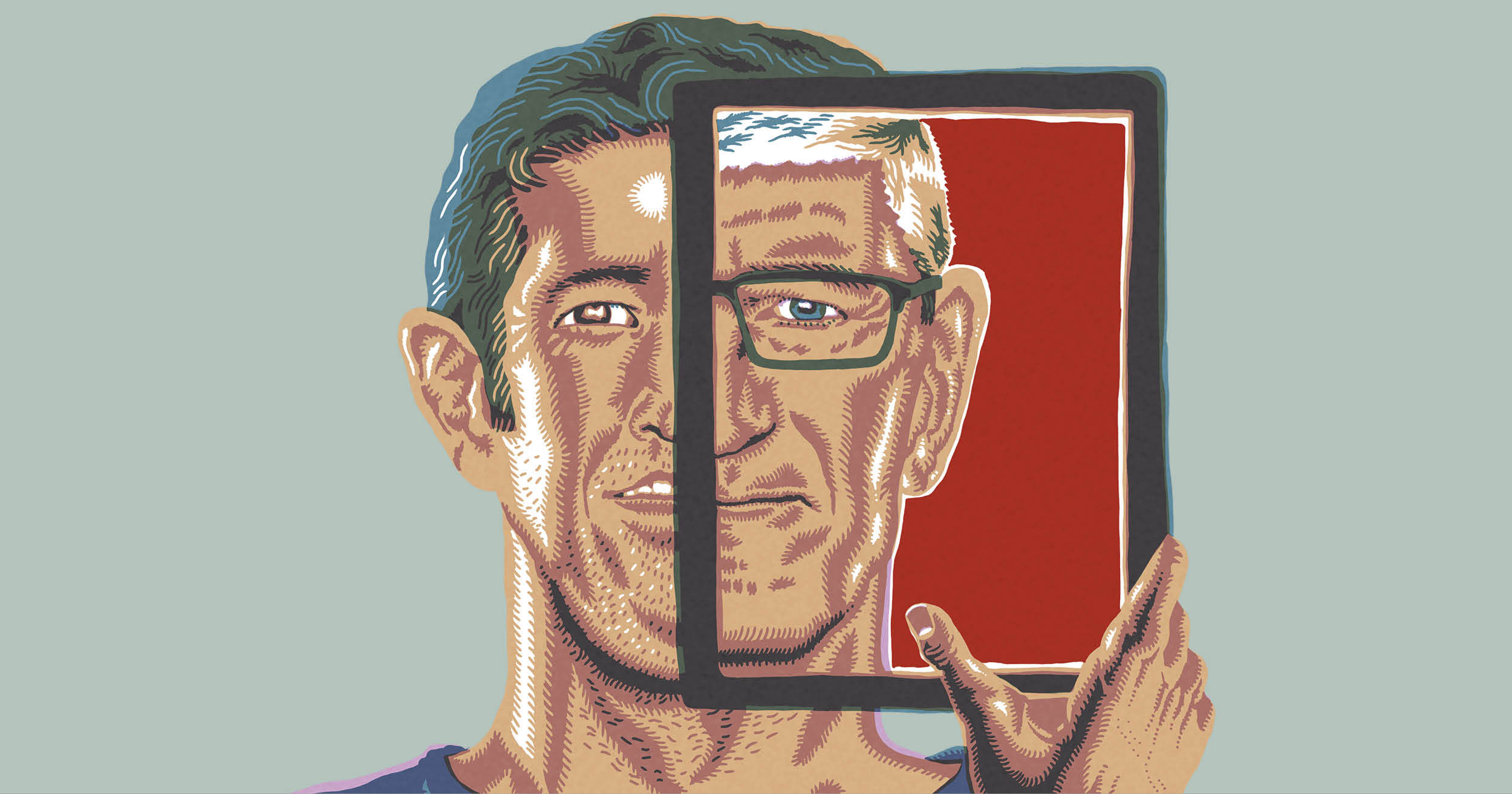
Tim Cook on Shaping the Future of Apple
In a frank conversation, the Apple CEO offers new insight into his leadership—and explains how he has refashioned the world’s most creative company (from its privacy policy to its Oscar-winning movies to what’s coming next) on his own exacting terms.

A billionaire and a novelist offer two versions of tech's future. Who's right?
Where exactly is tech going? Joanne McNeil's debut novel 'Wrong Way' and billionaire Marc Andreessen's 'Techno-Optimist Manifesto' offer some clues.