Remember Edward Snowden? For many Americans who talked to John Oliver on Last Week Tonight, the answer is no. It's been almost two years since the world was captivated by Snowden's leaks to The Guardian and The Washington Post about American surveillance programs. For weeks it seemed there was a new headline everyday about another previously classified surveillance program or another government official calling for action on this issue. Presidential review groups were called. President Obama called for major changes to the programs.
Former CIA Officer: President Obama Should Pardon Edward Snowden
He let Americans evaluate omniscient domestic surveillance for themselves
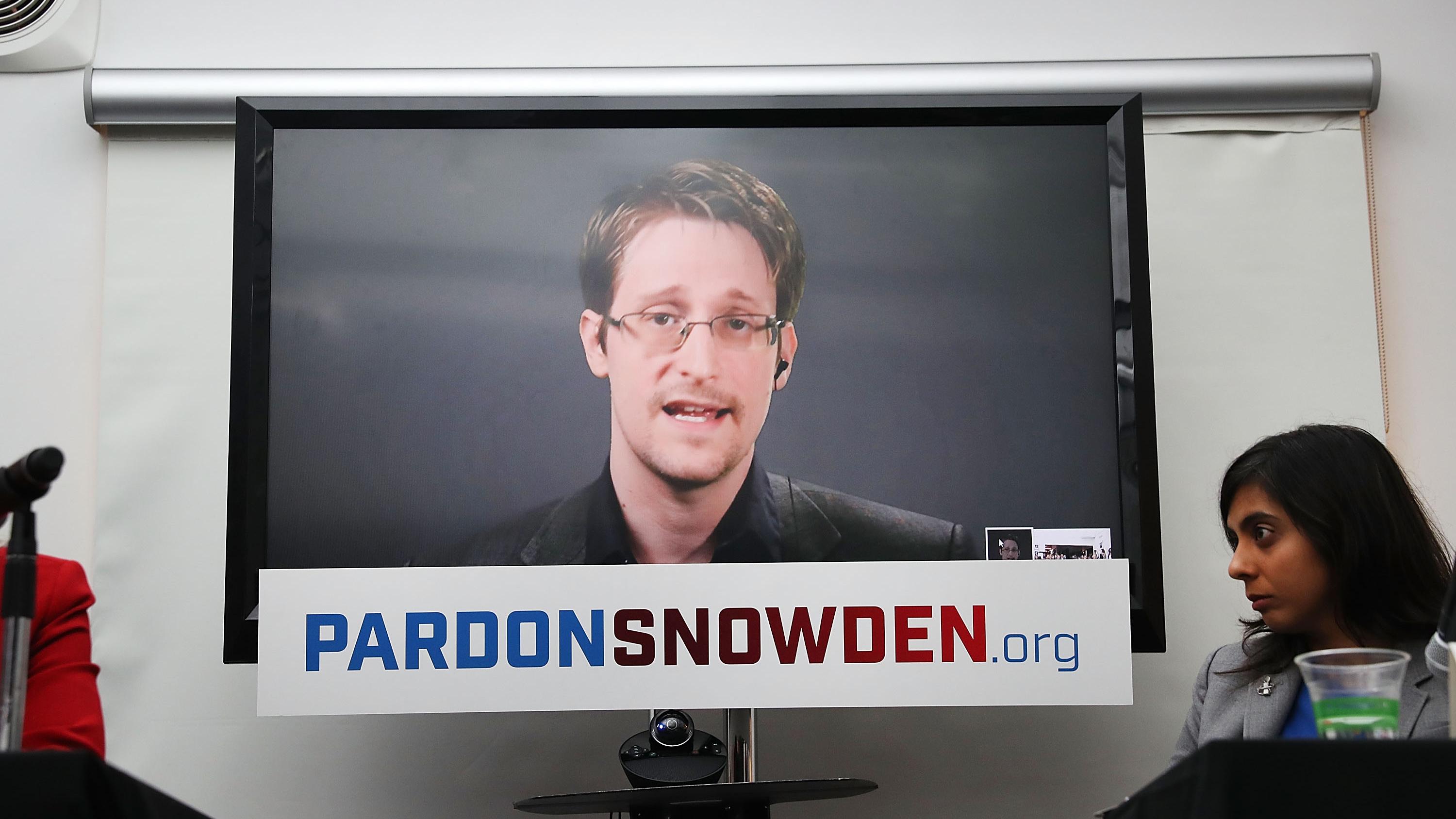
The Next US President Will Have Troubling New Surveillance Powers
Over the weekend, President Joe Biden signed legislation not only reauthorizing a major FISA spy program but expanding it in ways that could have major implications for privacy rights in the US.
The U.S. Economy Is A Casualty Of NSA Surveillance Programs
Ever since Edward Snowden revealed the true extent of the National Security Agency's surveillance methods, the public debate has focused mostly on issues

Edward Snowden Reconsidered
The Snowden phenomenon was far larger than the man himself, larger even than the documents he leaked. It showed us the first glimmerings of an emerging ideological realignment—a convergence, not for the first time, of the far left and the far right, and of libertarianism with authoritarianism. It was also a powerful intervention in information wars we didn’t yet realize we were engaged in, but which we now need to understand. To this day, Snowden speaks often, and uses his platform. So whether we trust him matters. And it certainly matters if we conclude that he is a well-intentioned whistleblower who has shown bad judgment or has allowed himself to become an unwitting pawn of the Russians.

Edward Snowden makes 'moral' case for presidential pardon
Exclusive: Whistleblower says citizens have benefited from his disclosure in 2013 of US and UK government surveillance
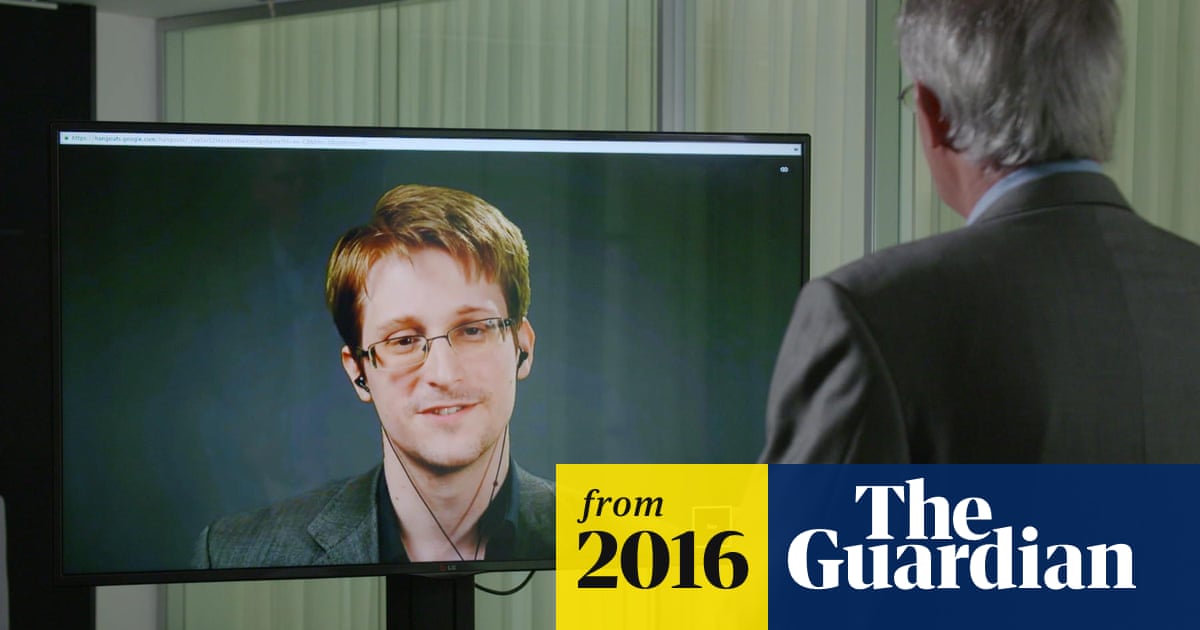
The Snowden Legacy, part one: What’s changed, really?
In our two-part series, Ars looks at what Snowden's disclosures have wrought politically and institutionally.

After the Internet
In the wake of Edward Snowden's revelations, and concern that the internet has heightened rather than combated various forms of political and social...

Looking back at the Snowden revelations
Edward Snowden recently released his memoirs. In some parts of the Internet, this has rekindled an ancient debate: namely, was it all worth it? Did Snowden’s leaks make us better off, or did …
Facebook told my followers I was spreading misinformation about government surveillance. I wasn’t.
Calls for censorship, or for Big Tech to become the arbiter of truth, will ultimately backfire. We need to address the problem at its root.

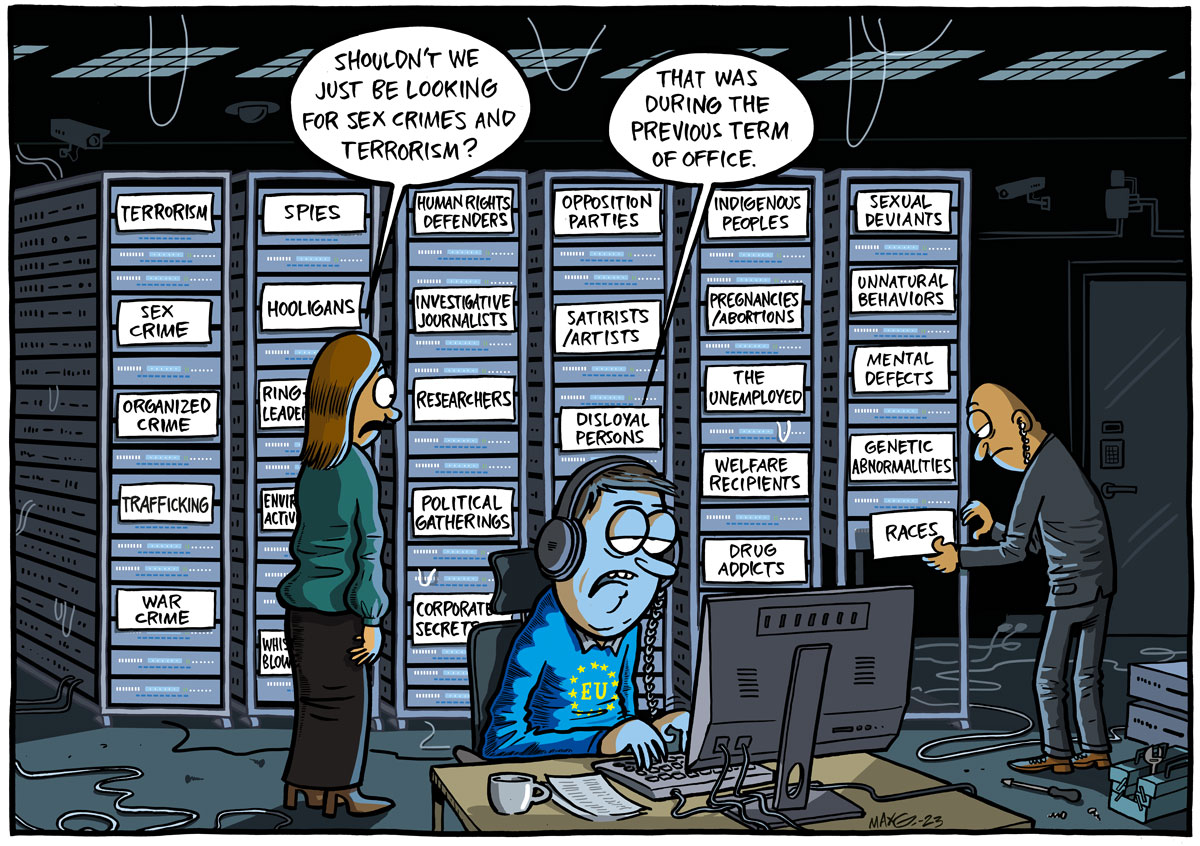
Chat Control & Going Dark: The war on encryption is on the rise. Through a shady collaboration between the US and the EU.
After Snowden’s whistleblowing in 2013, large parts of the internet became encrypted, enabling private and secure communication. Not everyone has welcomed this change. Most notably, the FBI and other U.S. government agencies have fought what is often called the “crypto wars”, the war on encryption. In recent years, they have been joined by the European Commission. Under the slogan “what about the children,” they try to introduce total mass surveillance of all EU citizens — first through the proposed Chat Control legislation, and later via the Going Dark and ProtectEU initiatives. The goal is to legally mandate spy tools on every European smartphone and computer. The forces behind these efforts have turned out to be American tech companies and intelligence agencies.
Opinion | Edward Snowden, Whistle-Blower (Published 2014)
Considering the value of his leaks and the N.S.A. abuses he has exposed, Mr. Snowden should be offered clemency or a plea bargain.

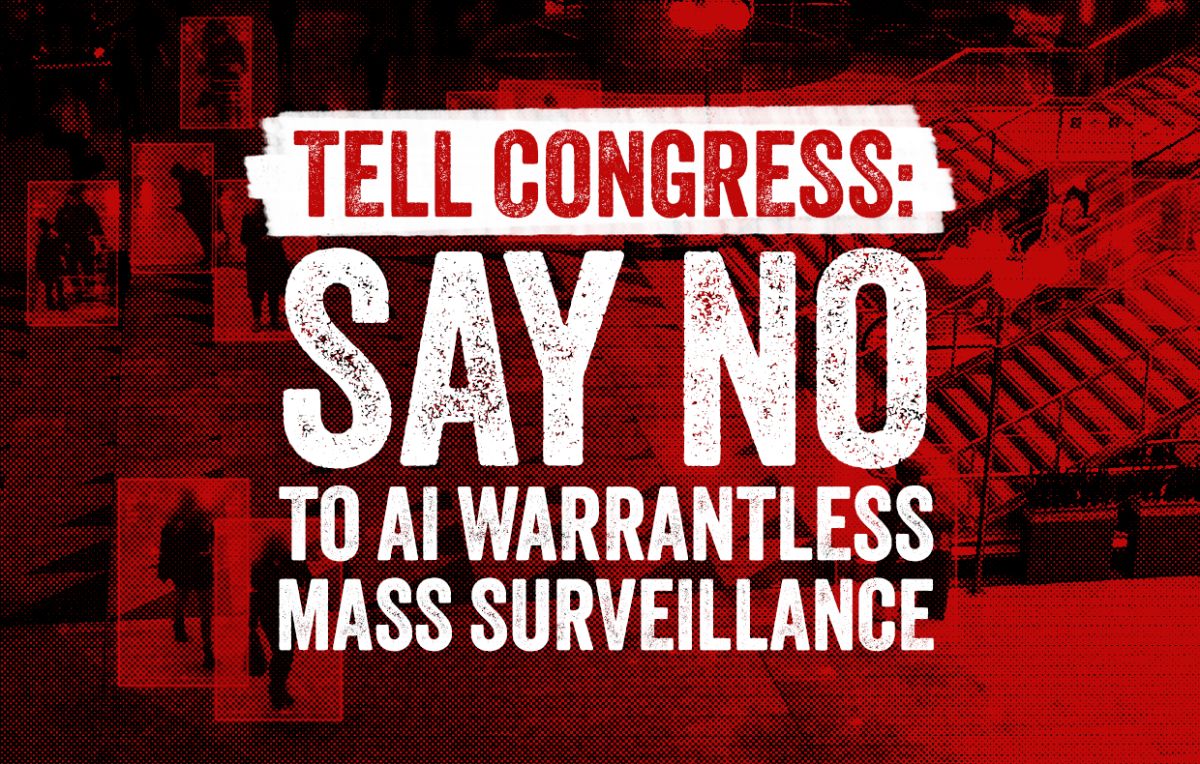
Tell Congress to Say No to Warrantless AI Mass Surveillance
The War on Terror-era legislation that authorized decades of civil liberties-eroding mass surveillance expired June 12. . Congress has a choice to make before they reauthorize this bill: will they greenlight warrantless mass surveillance of American citizens, or uphold the Constitution and prevent more of Trump's authoritarian powergrabs? Section 702 of the Foreign Intelligence Surveillance Act (FISA) was passed in 2008 as a counterterrorist measure, but has a long history of abuse from the federal government, especially when it comes to surveillance. Congress has a choice to make: Will they greenlight warrantless mass surveillance, or hold the line and reject any effort to move forward without serious privacy guardrails. FISA as it is currently written: Allows warrantless backdoor surveillance of people in and out of the country Offers little to no protections against the administration targeting critics, activists, religious minorities, or communities of color Actively chills our freedoms of speech and association Two years ago, this reauthorization legislation sailed through Congress with bipartisan support. That can’t happen again. Democratic leadership and members must hold the line for our civil liberties. And any Democrat or Republican voting for unfettered spying on US citizens should hear from their constituents. Let your Members of Congress know you expect them to reject reauthorization unless it includes significant reforms to protect our civil liberties against this authoritarian regime.
Edward Snowden interview: 'Smartphones can be taken over'
Smartphone users can do "very little" to stop security services getting "total control" over their devices, US whistleblower Edward Snowden tells the BBC in his first British TV interview.

The US Government Is Hiding a Secret Court Ruling About How It Spies on Americans
Two US senators say the Trump administration is breaking the law by withholding the FISA court decision while it presses Congress to renew America’s most sweeping surveillance program.

Obama’s Path From Critic to Overseer of Spying (Published 2014)
In 2007, Barack Obama described a surveillance state run amok. He is now the leader of a surveillance state that some of his own advisers think has gotten out of control.

We Shouldn’t Wait Another Fifteen Years for a Conversation About
With high-profile hacks in the headlines and government officials trying to reopen a long-settled debate about encryption, information security has become a mainstream issue. But we feel that one