


Imagine a world where search engines proactively send recommended articles, people and companies to their users -- and all of these recommendations are extremely helpful and relevant. This is an example of using context for discovery, and it’s the future of the Internet. Unfortunately, today’s search engines aren’t mind readers. Not even close. It’s not until the user begins typing the information they’re looking for that the search engine begins to “think.”
Context engineering is sleeping on the humble hyperlink
The dream of hypermedia can come to fruition in a world where clients can not only parse, but navigate with intent.
The web is for everyone: Our vision for the evolution of the web | The Mozilla Blog
Over the last two decades, the web has woven itself into the fabric of our lives. What began as a research project has become the world’s most important

The Web Needs a Context Layer Built on a Shared Protocol
Making context a shared protocol, rather than a platform feature, would let readers see competing perspectives anywhere on the web, argue Mallory Knodel, Evan Friedman, and Brad Friedman.

The Web Needs a Context Layer Built on a Shared Protocol
Context is a new, developing layer of the internet, write Mallory Knodel, Evan Friedman and Brad Friedman.

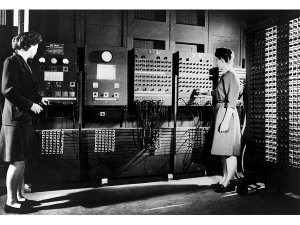
A Brief(ish) History of the Web Universe - Part I: The Pre-Web
There are a couple of posts that I've been wanting to write, but in each of them I keep finding myself wanting to talk about historical context. Explaining it in place turns out t
The Mediated Web
<p>Large Language Models have the potential to hugely shift what it means to interact with a web browser.</p> <p>Here’s a prediction: the web will soon be mediated by agents, not just rendered by web browsers. Every user will have their own AI interpreting information for them, and executing tasks on their behalf.</p> <p>What does this mean now, and what does it mean for the future of the web? Let’s delve into what a mediated web might look like, and how it could impact the internet ecosystem.</p>

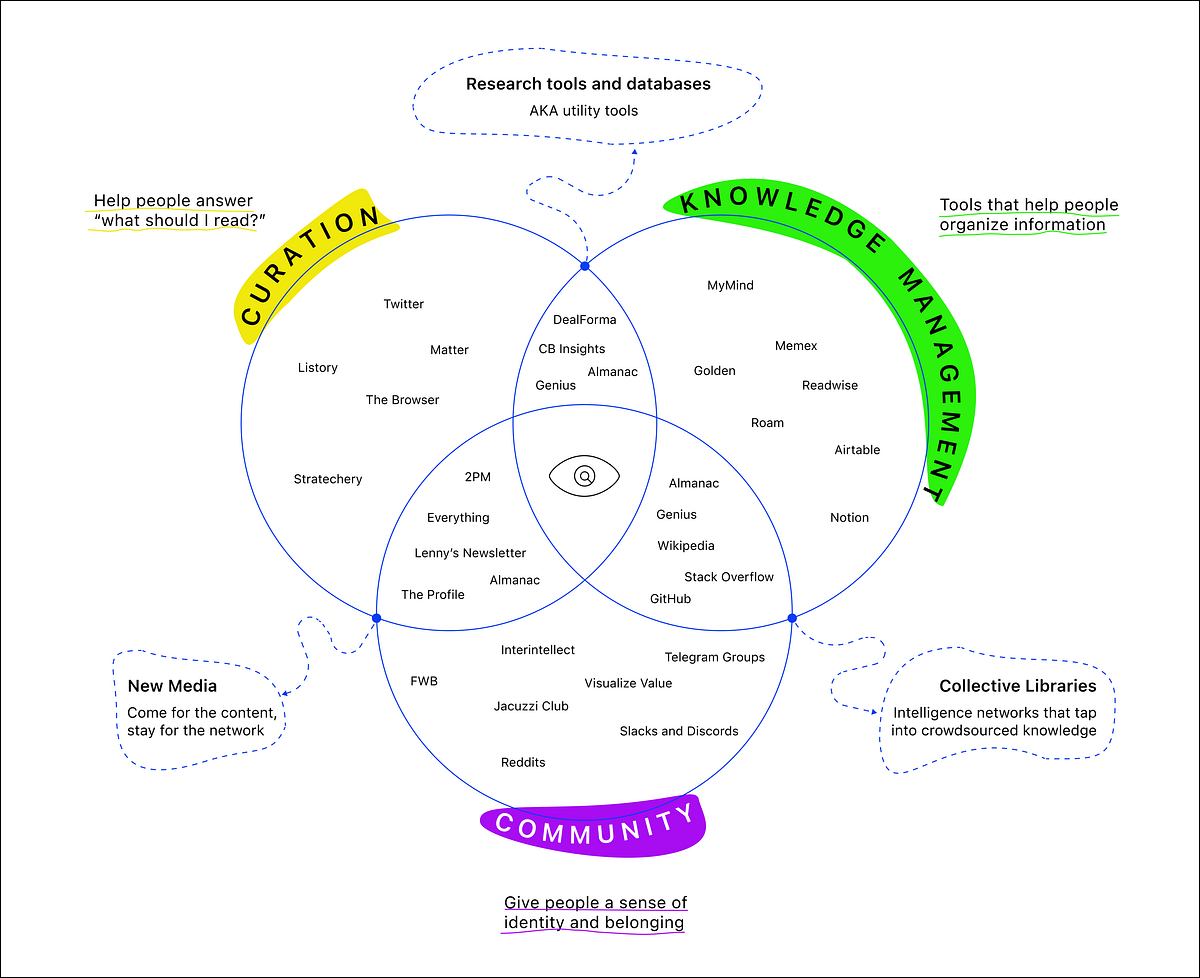
The rise of community-curated knowledge networks
The Internet put thousands of years of human thought at our fingertips, and enabled billions of people to create content. At least 2.5…

Remembering the pre-Google web, when search was an experiment
Most people have completely forgotten how chaotic it really was."

Google Search's guidance about AI-generated content | Google Search Central Blog | Google for Developers
In this post, we'll share more about how AI-generated content fits into our long-standing approach to show helpful content to people on Search.

Context Engineering | Meetup
"Context engineering is the delicate art and science of filling the context window with just the right information for the next step" - Andrej KarpathyLearn about tools, frameworks, and code that is in service of context engineering from practitioners in this space.Dive into the set of strategies fo

Luke Wroblewski on Twitter / X
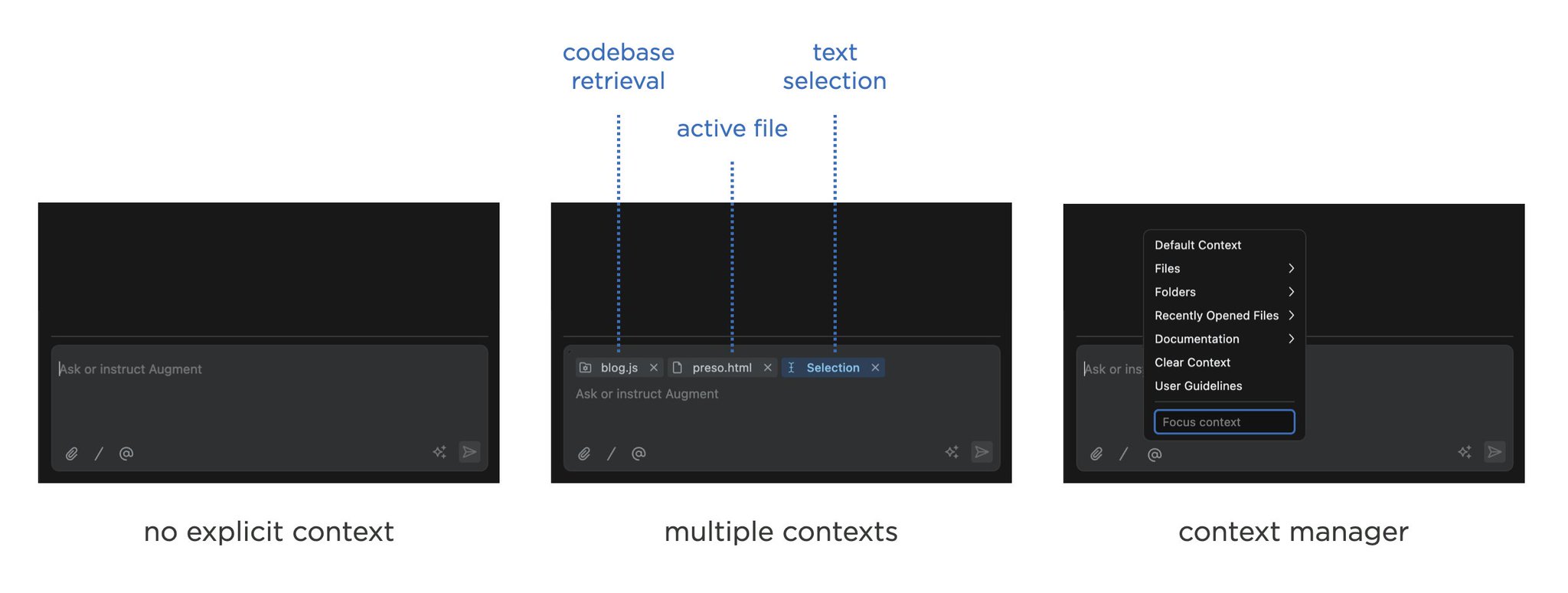
If context engineering is the new hotness for engineering, context management is the new UI hotness/challenge for designers. pic.twitter.com/iXNTYnVRIi— Luke Wroblewski (@LukeW) July 10, 2025
Experimental evidence of the effects of large language models versus web search on depth of learning
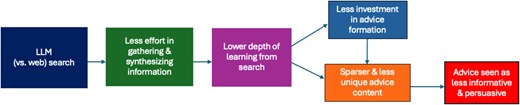
Abstract The effects of using large language models (LLMs) versus traditional web search on depth of learning are explored. A theory is proposed that when individuals learn about a topic from LLM syntheses, they risk developing shallower knowledge than when they learn through standard web search, even when the core facts in the results are the same. This shallower knowledge accrues from an inherent feature of LLMs—the presentation of results as summaries of vast arrays of information rather than individual search links—which inhibits users from actively discovering and synthesizing information sources themselves, as in traditional web search. Thus, when subsequently forming advice on the topic based on their search, those who learn from LLM syntheses (vs. traditional web links) feel less invested in forming their advice, and, more importantly, create advice that is sparser, less original, and ultimately less likely to be adopted by recipients. Results from seven online and laboratory experiments (n = 10,462) lend support for these predictions, and confirm, for example, that participants reported developing shallower knowledge from LLM summaries even when the results were augmented by real-time web links. Implications of the findings for recent research on the benefits and risks of LLMs, as well as limitations of the work, are discussed.
The Missing Building Blocks of the Web
At a time when millions are losing trust in the the web’s biggest sites, it’s worth revisiting the idea that the web was supposed to be…

The Anatomy of a Large-Scale Hypertextual Web Search Engine
Our teams advance the state of the art through research, systems engineering, and collaboration across Google.
