


Marketers in the high-tech world who use phrases such as “social media marketing,” “Facebook marketing” and “content marketing” do not understand the basic difference between marketing strategies, marketing channels and marketing content. And Google Analytics is to blame.
How to Fix Facebook—Before It Fixes Us
An early investor explains why the social media platform’s business model is such a threat—and what to do about it.

Think with Google US - Marketing Research, Insights, and Trends
Stay ahead with the latest marketing research, expert insights, and digital trends with Think with Google US's data reports, guides, and articles.
How Google helped destroy adoption of RSS feeds
Learn how one of the biggest tech companies played a major role in the reason many people stopped using RSS feeds

Uniting the Tribes: Using Text for Marketing Insight
Words are part of almost every marketplace interaction. Online reviews, customer service calls, press releases, marketing communications, and other interactions create a wealth of textual data. But how can marketers best use such data? This article provides an overview of automated textual analysis and details how it can be used to generate marketing insights. The authors discuss how text reflects qualities of the text producer (and the context in which the text was produced) and impacts the audience or text recipient. Next, they discuss how text can be a powerful tool both for prediction and for understanding (i.e., insights). Then, the authors overview methodologies and metrics used in text analysis, providing a set of guidelines and procedures. Finally, they further highlight some common metrics and challenges and discuss how researchers can address issues of internal and external validity. They conclude with a discussion of potential areas for future work. Along the way, the authors note how textual analysis can unite the tribes of marketing. While most marketing problems are interdisciplinary, the field is often fragmented. By involving skills and ideas from each of the subareas of marketing, text analysis has the potential to help unite the field with a common set of tools and approaches.

The Danger of Exaggerating the Political Importance of Social Media - Cal Newport
The Pew Research Center recently released a new study on American Twitter use. As Jennifer Rubin reported in the Washington Post, one of the most ... Read more

Social Media Algorithms Distort Social Instincts and Fuel Misinformation - Neuroscience News
Social media algorithms, designed to boost user engagement for advertising revenue, amplify the biases inherent in human social learning processes, leading to misinformation and polarization.

WebProNews
Breaking business news covering marketing, I.T., ecommerce & emerging trends like electric vehicles, solar energy, financial tech & space.

On Social Media and Its Discontents - Cal Newport
Split Reactions As someone who has publicly criticized the major social media platforms for years, I’ve become familiar with the common arguments surrounding this topic. ... Read more

Facebook's Business Model Is Out Of Alignment With Their API Management Layer
All the controls for Facebook to have done something about the Cambridge Analytics situation are already in place. The Facebook API management layer has ever...
Free Our Feeds
Social media is broken: controlled by a handful of billionaires who shape what people see, say, and believe. These platforms profit from division, exploit user data, and lock people into closed systems.
Content Products: The new way of doing Content Marketing
The era of the 'quick wins' in content marketing is long gone. Learn how to drive new leads by creating Content Products

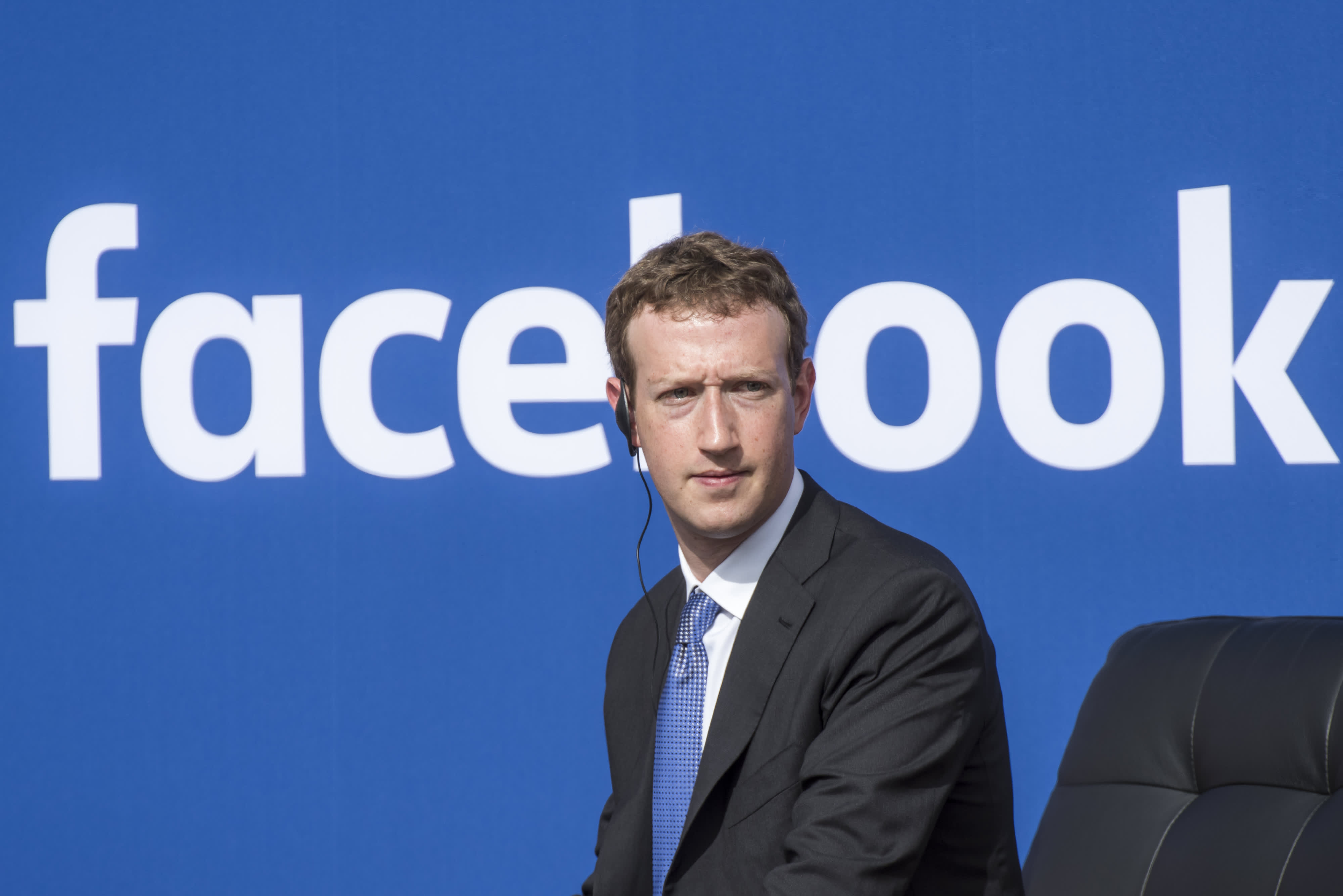
Facebook-Cambridge Analytica: A timeline of the data hijacking scandal
Facebook is desperately trying to mend its damaged reputation following the continued fallout of a massive data scandal.
Do social media threaten democracy?
Facebook, Google and Twitter were supposed to save politics as good information drove out prejudice and falsehood. Something has gone very wrong

One of the issues that has come up again and again in my reporting on misinformation and social media is the massive influence social media companies have on research in the field. Last night a preprint dropped that tries to get at this with some numbers. My piece in @science.org (and 🧪🧵 coming):

Nearly a third of social media research has undisclosed ties to industry, preprint claims
www.science.org