


We are the Uber of our industry, applying curated, user-generated gamification to the sharing economy. That’s pretty much it. That’s the sentence you’d
Build a Product Infrastructure Team · cory.news
Of all the lessons I’ve taken away from my time at Facebook — how to successfully pivot a massive, public company, Schrep’s “loose opinions, strongly held”, the limitations of feeds, the power of simplicity — the hardest to convey is this:

Beyond Digital Exhaust: Reclaiming Agency in the Context Economy - A MozFest Discussion on Personal Context Infrastructure and the Future of AI
At this year's MozFest in Barcelona, we convened an urgent conversation about what may be the defining struggle of our digital future: who will control the vast

How We're Funded
IOI is supported through a mix of philanthropic support and financial commitments from institutions, consortia-based organizations, and more. As a sustainability focused not-for-profit initiative, we are keenly aware of the strains that exist on the current funding landscape for open infrastructure non-profits. We are dedicated at IOI to exploring revenue
Can “Conscious Data Contribution” Help Users to Exert “Data Leverage” Against Technology Companies?
Tech users currently have limited ability to act on concerns regarding the negative societal impacts of large tech companies. However, recent work suggests that users can exert leverage using their role in the generation of valuable data, for instance by withholding their data contributions to intelligent technologies. We propose and evaluate a new means to exert this type of leverage against tech companies: "conscious data contribution" (CDC).

What Blockchain Means for the Sharing Economy
Blockchain technology is facilitating the emergence a new kind of radically decentralized organization . These organizations — which have no director or CEO, or any sort of hierarchical structure — are administered, collectively, by individuals interacting on a blockchain. As such, it is important not to confuse them with the traditional model of “crowdsourcing,” where people contribute to a platform but do not benefit proportionately from the success of that platform. Blockchain technologies can support a much more cooperative form of crowdsourcing — sometimes referred to as “platform cooperativism”— where users qualify both as contributors and shareholders of the platforms to which they contribute. The value produced within these platforms can be more equally redistributed among those who have contributed to the value creation. With this new opportunity for increased “cooperativism,” we could be moving toward a true sharing economy.

Philanthropy 2.0: What the Evolution of For-Profit Investment Tells Us About the Future of Giving
Gaps in philanthropic funding for era-defining science and discovery demand a new approach. In this piece, we look at how learning from venture capital is a game changer for catalytic philanthropy.

Philanthropy 2.0: What the Evolution of For-Profit Investment Tells Us About the Future of Giving
Gaps in philanthropic funding for era-defining science and discovery demand a new approach. In this piece, we look at how learning from venture capital is a game changer for catalytic philanthropy.
The Fediverse and Content Creation: Monetization
Sure, we have open source, federated replacements for Instagram, Tiktok, and YouTube. How do we get creators to use this stuff? One consideration involves the ability to pay for things.

Defining “Participatory Ecosystem” — Grow the Pie, N...
A blog on social software, collaboration, trust, security, privacy, and internet tools by Christopher Allen. Defining “Participatory Ecosystem” — Grow t...
Indirect funding and the limits of free software patronage | Teleogistic
A few thoughts about direct and indirect funding for free software development.

Keep Your Friends Close — Open Tech Strategies | Blog
One of the insider secrets of free and open source software (FOSS) is that most of the rules a project uses on a day-to-day basis are not found in the software’s license. There are contribution guidelines, which are enforced by the project only taking contributions that meet them. There are codes of conduct, which are a condition of community participation. There are endorsements, official membership, a voice in setting the project roadmap, and all kinds of other benefits that attach to varying types of community participation. In each case, entirely external to the license, there are official rules and unwritten norms that govern how participants gain the benefits of joining the civic life of a project.
Report: Tipping the scales - what it takes to fund an equitable tech & human rights ecosystem - The Engine Room
Research into equity in funding.

PieFed - Explore Anything, Discuss Everything.
Federated, open‑source, ad‑free, and fully under your control. Build or join a community that reflects your values with no corporate overlords. …

novel funding mechanisms

funding models that doesn't depend on VC. funding models that keep things accessible and open but yet provide enough incentive for people to pay
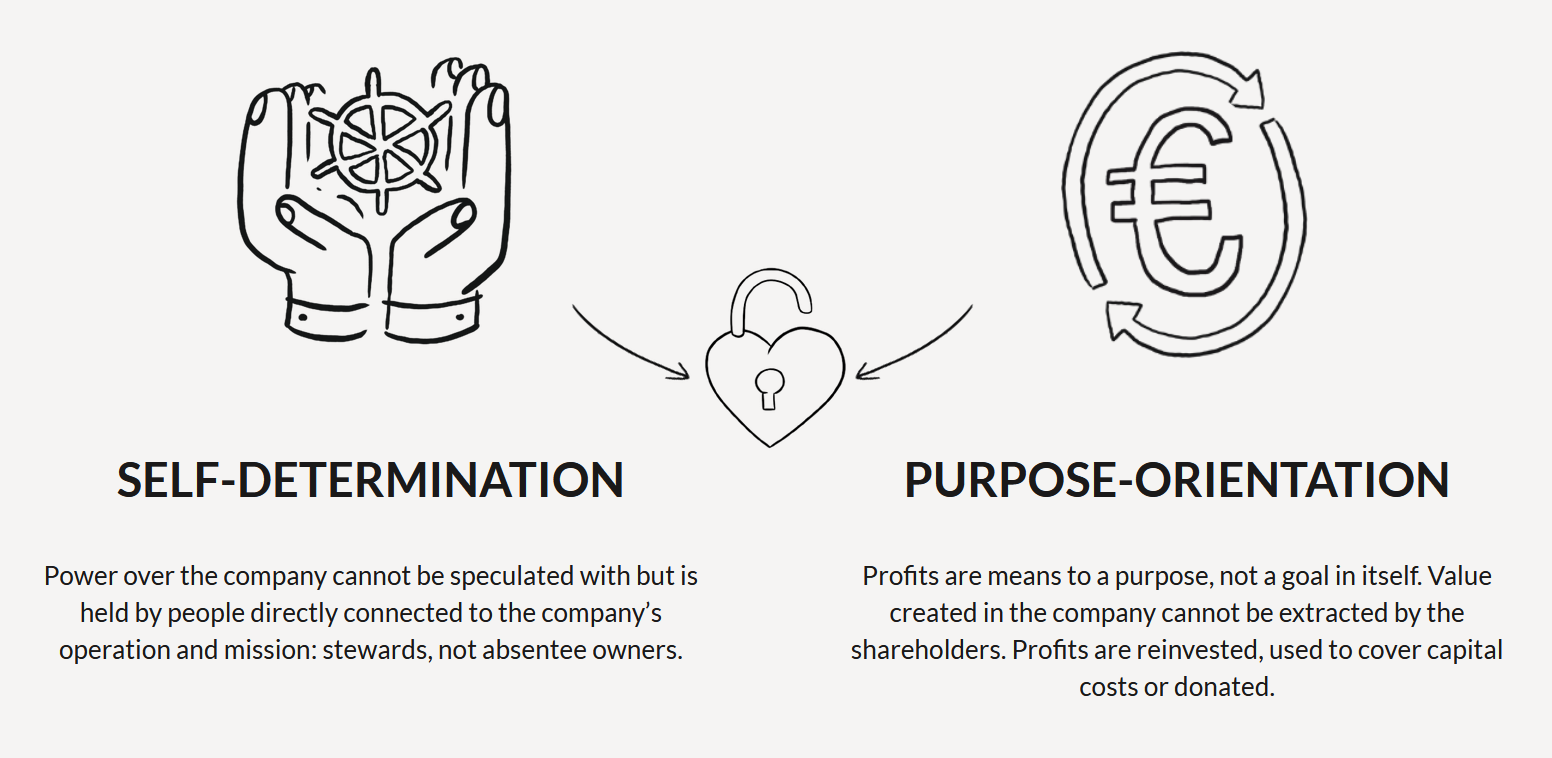
Company as a Commons

x402
Let's Talk Money - Interlinked

Home | Sovereign Tech Agency

The future is low-tech: lessons from the early 2000s ft. Jésabel DC | Config 2026
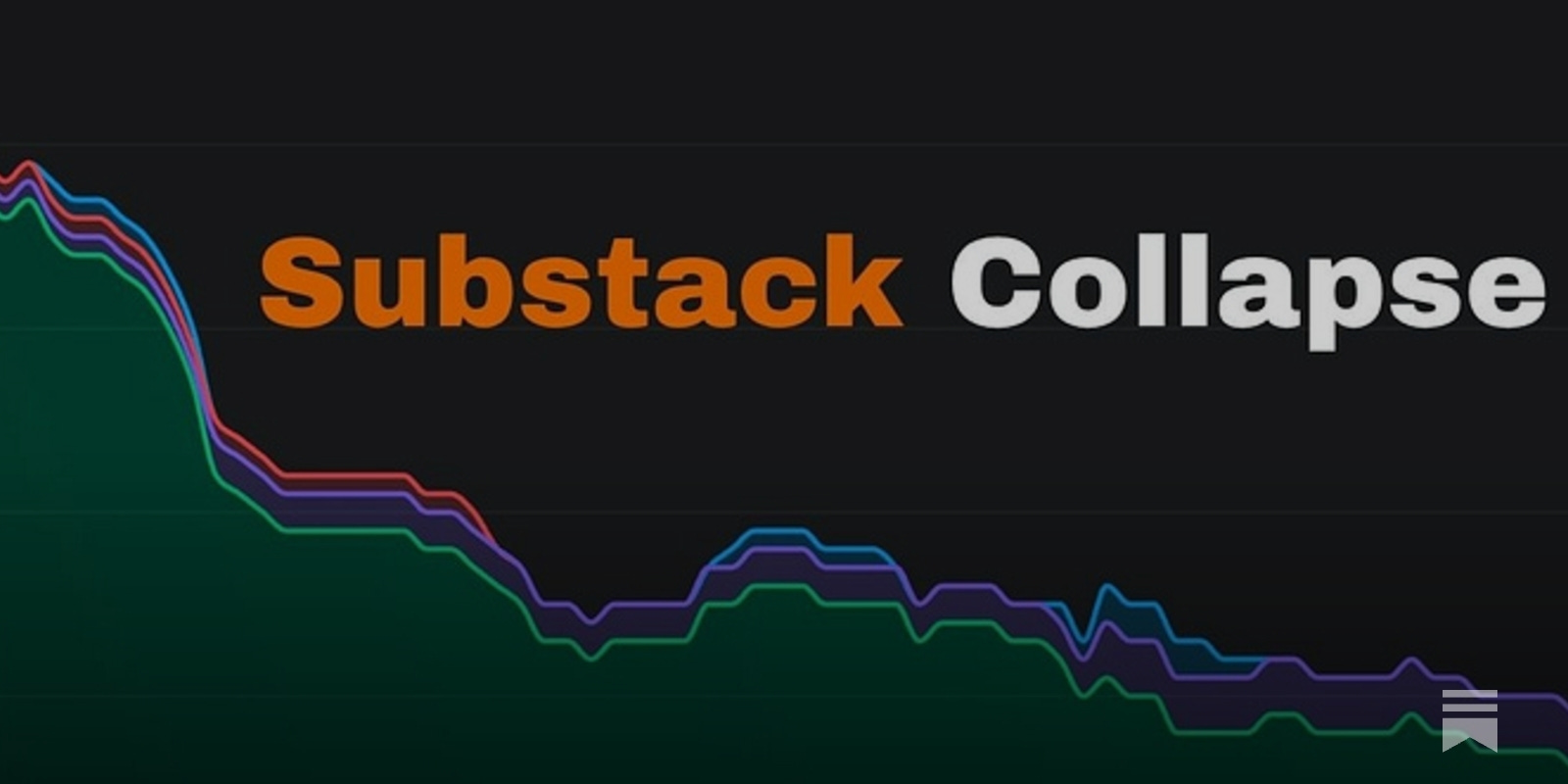
The Real Reason that Substack is Collapsing