

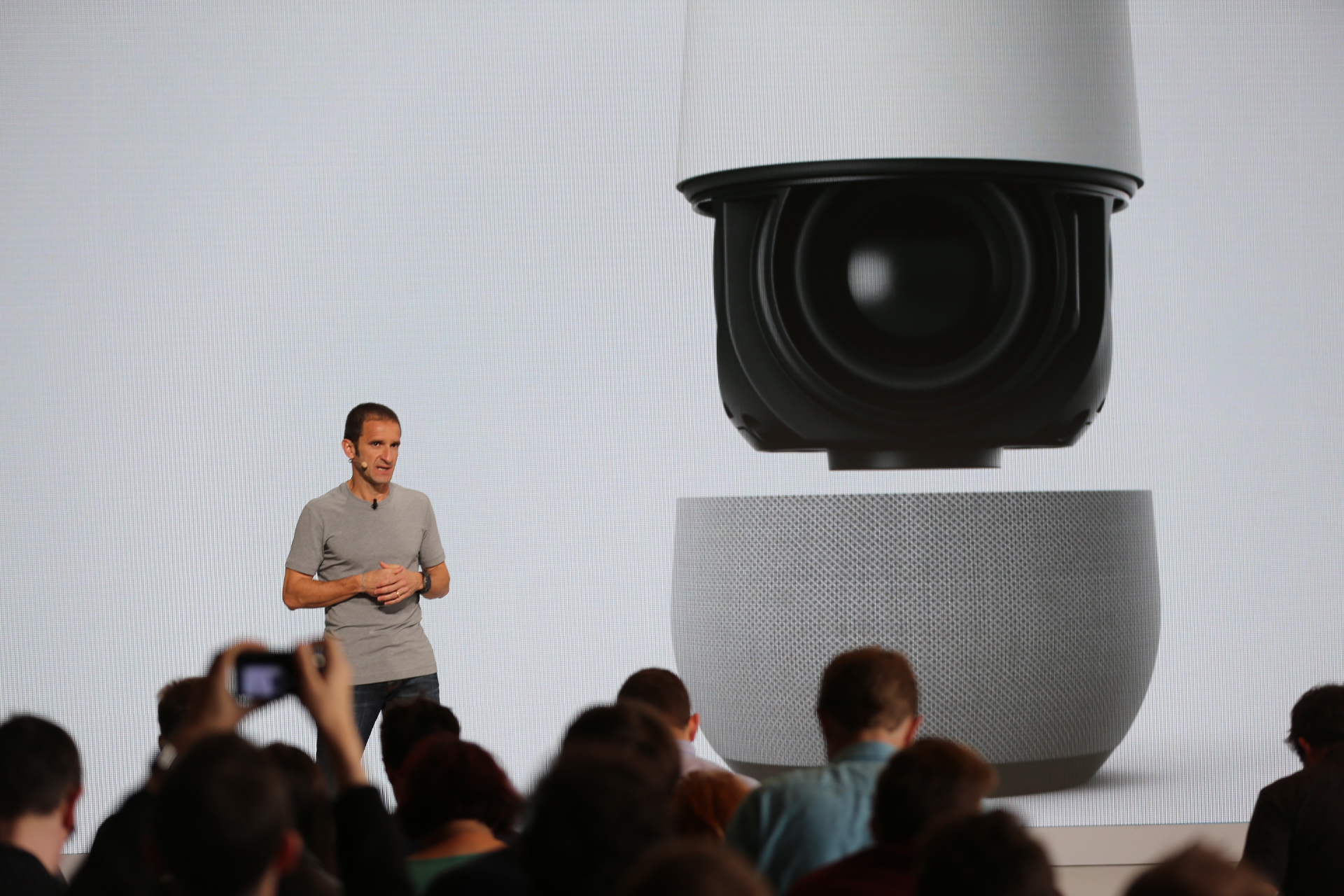
At its hardware launch event in San Francisco yesterday, Alphabet showed the sweeping breadth of its ambition to own consumers' personal data, as computing continues to accelerate away from static desktops and screens, coalescing into a cloud of connected devices with the potential to generate far more data -- and data of a far more intimate nature -- than ever before.
Not OK, Google | TechCrunch
At its hardware launch event in San Francisco yesterday, Alphabet showed the sweeping breadth of its ambition to own consumers' personal data, as computing continues to accelerate away from static desktops and screens, coalescing into a cloud of connected devices with the potential to generate far more data -- and data of a far more intimate nature -- than ever before.
I Don’t Care What Google or Apple or Whoever Did
Please do not use this post as an excuse to beat up the devs at Apple or Google. If you are doing that, you have missed the point of this post and you are being unnecessarily mean to individuals who may have no control over broader organizational decisions. Do not…
Google Was a Lifeline for Publishers. Now Some Are Thinking of Cutting It Off.
Reddit, Politico and others are weighing how—or even if—they can work with the tech company as AI tools supplant traditional searches.

Google Was a Lifeline for Publishers. Now Some Are Thinking of Cutting It Off.
Reddit, Politico and others are weighing how—or even if—they can work with the tech company as AI tools supplant traditional searches.
Expanding our use of Google Cloud TPUs and Services
Announcing a dramatic increase in Anthropic's compute resources
The State of the Web at Google I/O 2018
The web is a global treasure, and has many strengths we all enjoy. It is a distribution platform like no other, providing people around the ...

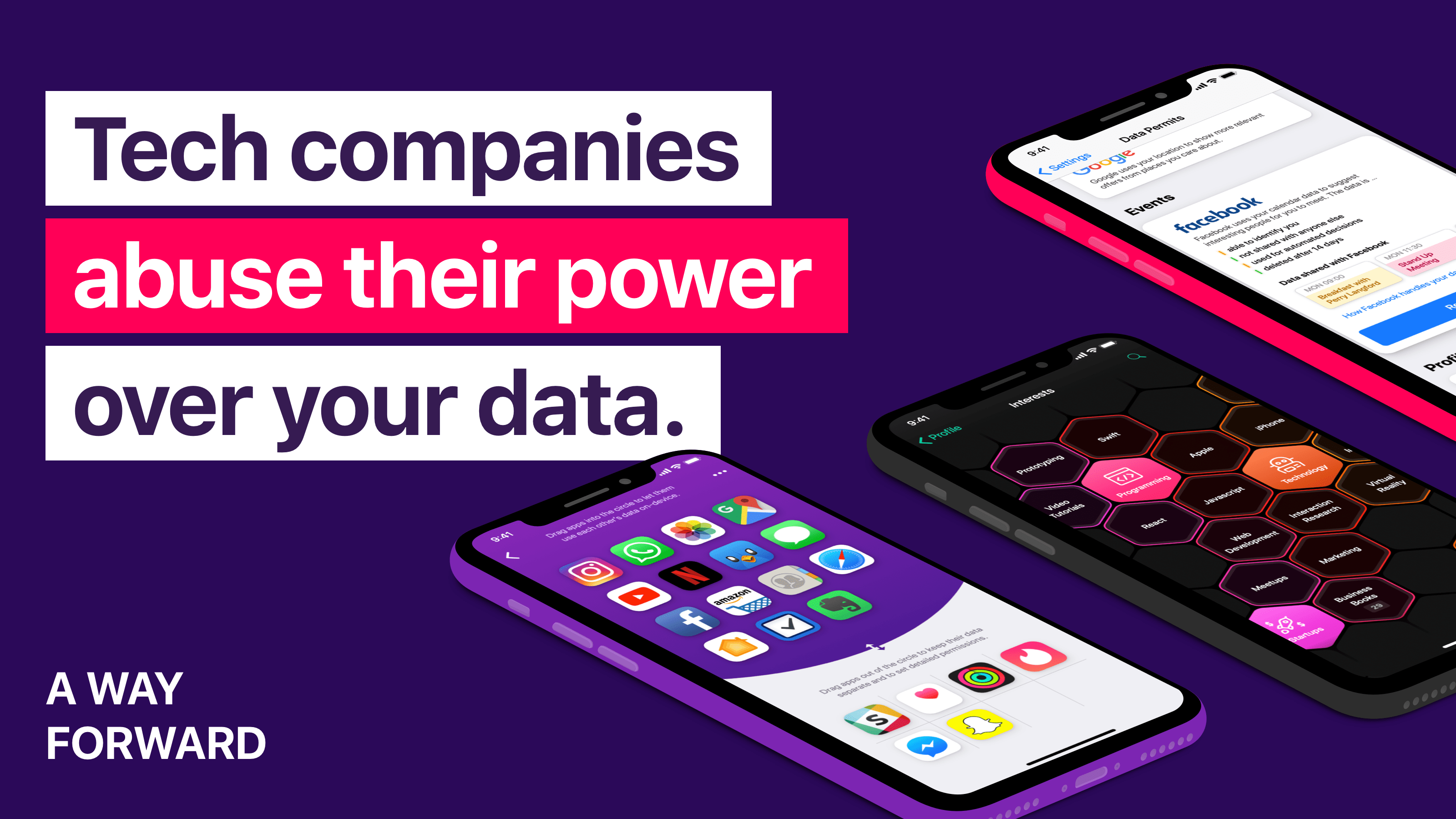
Rethinking how technology uses our personal data
This essay explores visually how keeping data and AI on‑device could empower not only users, but also companies.
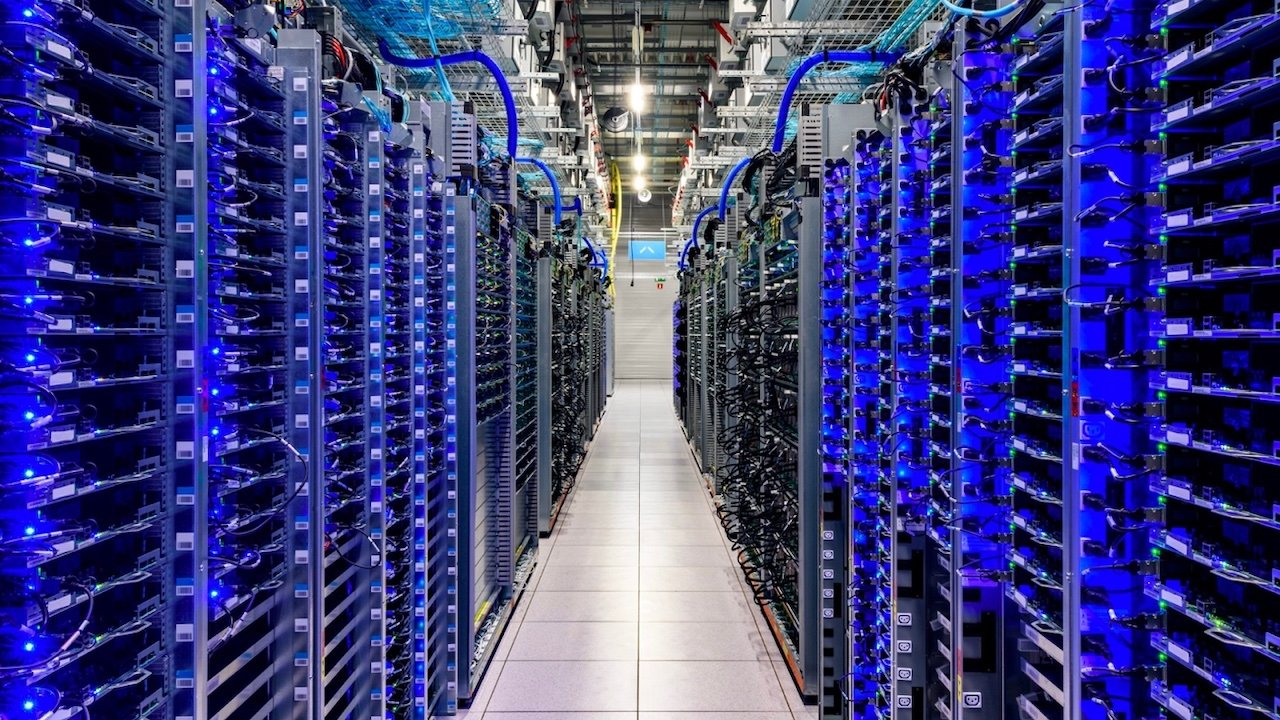
Products and Services | Google Cloud
See products from Google Cloud, Google Maps Platform, and more to help developers and enterprises transform their business.

Google launches first developer preview of Android Things, its new IoT platform | TechCrunch
Google today announced Android Things, its new comprehensive IoT platform for building smart devices on top of Android APIs and Google's own services.

Google’s Search for the Sweet Spot
Google’s hardware event shows the company’s commitment both to devices and to artificial intelligence; just doing what you are good at, though, is not always enough.

How One 1990s Browser Decision Created Big Tech’s Data Monopolies (And How We Might Finally Fix It)
There’s a fundamental architectural flaw in how the internet works that most people have never heard of, but it explains nearly every frustration you have with modern technology. Why your pho…

Google Has Your Data. Gemini Barely Uses It.
Google's Gemini has 650M users and sits on more personal data than any other AI. Yet its memory system is deliberately cautious. I explore how Gemini's memory works, what Google gets right, and what this restraint costs them.
AppleInsider.com
Apple has dramatically increased the amount of data that it stores on Google's cloud services, suggesting that its storage needs have grown faster than it can handle with its own servers.
Facebook, Amazon, Google, IBM and Microsoft come together to create the Partnership on AI | TechCrunch
The world's largest technology companies hold the keys to some of the largest databases on our planet. Much like goods and coins before it, data is
History of Google
Google was officially launched in 1998 by Larry Page and Sergey Brin to market Google Search, which has become the most used web-based search engine. Larry Page and Sergey Brin, students at Stanford University in California, developed a search algorithm first (1996) known as "BackRub", with the help of Scott Hassan and Alan Steremberg. The search engine soon proved successful, and the expanding company moved several times, finally settling at Mountain View in 2003. This marked a phase of rapid growth, with the company making its initial public offering in 2004 and quickly becoming one of the world's largest media companies. The company launched Google News in 2002, Gmail in 2004, Google Maps in 2005, Google Chrome in 2008, and the social network known as Google+ in 2011, in addition to many other products. The company set up a charitable offshoot, Google.org, in 2005. In 2015, Google became the main subsidiary of the holding company Alphabet Inc.

Tim Sweeney on Twitter / X
Google is opening up Android all the way with robust support for competing stores, competing payments, and a better deal for all developers. So, we've settled all of our disputes worldwide. THANKS GOOGLE! https://t.co/Dq6eXNnZd0— Tim Sweeney (@TimSweeneyEpic) March 4, 2026