


After 20 months in a closed beta under the working title Facebook at Work, (as we predicted it would the other week) today Facebook is finally
How to Fix Facebook—Before It Fixes Us
An early investor explains why the social media platform’s business model is such a threat—and what to do about it.

Facebook is building its own Steam-style desktop gaming platform with Unity | TechCrunch
Facebook may try to compete with Steam, or at least win back revenue lost when casual gaming shifted to mobile. Today Facebook formally announced it's
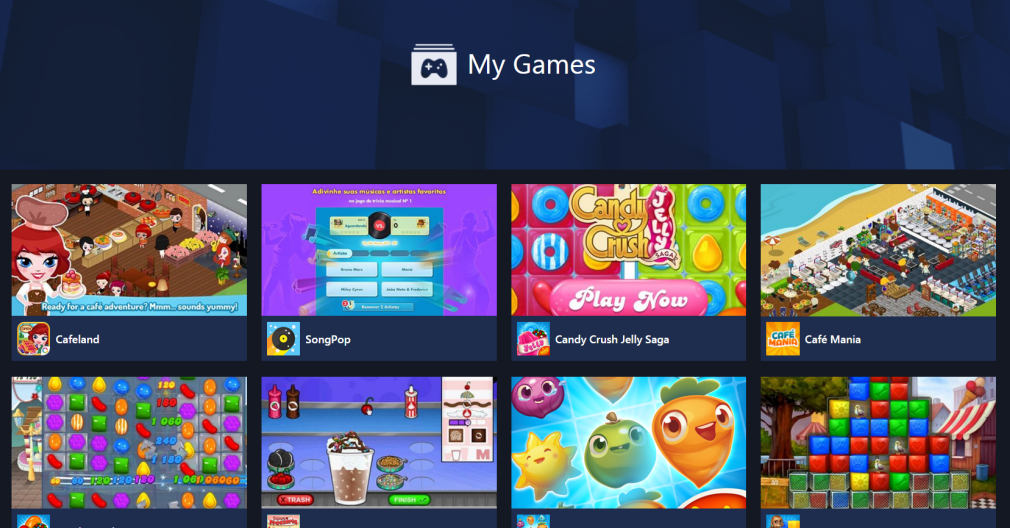
Facebook Wrestles With the Features It Used to Define Social Networking (Published 2021)
Likes and shares made the social media site what it is. Now, company documents show, it’s struggling to deal with their effects.

Criticism of Facebook
Facebook (and parent company Meta Platforms) has been the subject of criticism and legal action since it was founded in 2004.[1] Criticisms include the outsize influence Facebook has on the lives and health of its users and employees, as well as Facebook's influence on the way media, specifically news, is reported and distributed. Notable issues include Internet privacy, such as use of a widespread "like" button on third-party websites tracking users,[2][3] possible indefinite records of user information,[4] automatic facial recognition software,[5][6] and its role in the workplace, including employer-employee account disclosure.[7] The use of Facebook can have negative psychological and physiological effects[8] that include feelings of sexual jealousy,[9][10] stress,[11][12] lack of attention,[13] and social media addiction that in some cases is comparable to drug addiction.[14][15]
Bluesky & Open Social Media Tech
Facebook is the new Excel
If you’re building a SaaS startup, then your biggest competitor isn’t a competitor. It’s Microsoft Excel. That was the mantra a few years ago. Add in Google Docs and it still holds true. Contact lists, mailing lists, accounts, invoicing, mark...
Recently I’ve been thinking about a couple of... - Adam Wood
Recently I’ve been thinking about a couple of different tech-related things that sort of overlap. One is the (emerging) shape of the new social web; the other is a pull I’m feeling to try and lessen reliance on American companies. I’ve been interested in / concerned by what became of social media for some time.1 Since the sundering of Twitter in 2022, I’ve kept an eye on the various alternatives, with particular interest in Mastodon and Bluesky. Actually, to be more accurate, my interest has been in the protocols behind those platforms: ActivityPub and AT Protocol respectively. Both have their...

Note from Mark Zuckerberg
Everything we do at Facebook is focused on our mission to make the world more open and connected.
The Facebook Files
Facebook knows, in acute detail, that its platforms are riddled with flaws but hasn’t fixed them. That’s a key finding of a Journal series that launched this week, based on an array of internal company documents. Read all the stories here.
The year social networks were no longer social | TechCrunch
The term “social network” has become a meaningless association of words. Pair those two words and it becomes a tech category, the equivalent of a single

Publishers fearing Facebook dependency: fight for your future, reinvent RSS.
Right now Facebook accounts for over 40% of all traffic for U.S. news organizations, making many dependent on the social network for…

One Response to the Cambridge Analytica Scandal: Block Facebook's
With Facebook in a dominant position in hosting a huge portion of the world’s social conversation, we’ve been worried about the incredible power the company has accumulated and the risks that poses
First post: A history of online public messaging
From BBS to Facebook, here’s how messaging platforms have changed over the years.
Wages for Facebook - Dissent Magazine
The art campaign Wages for Facebook is an attempt to unsettle the digital marketization of our relationships that many of us have already come to accept as normal.

In 2026, @bsky.app is focused on what’s next for open social: bringing together users for conversations around live events, creator and platform monetization, and private state, giving users truly private data while preserving ownership and portability at the protocol level.
A new European microblogging app? Used to be the case that meant starting all over again. Not this time: I just logged in with the same @eurosky.social account I use for @bsky.app and it works. Starting to see the potential of decentralised socials.

Eurosky Social
Muve to the beat. Muve the conversation. Muve mountains. Today @eurosky.social announces mu.social, a new microblogging app to experiment with the future of social! 🪩💖

