Software is losing its magic. We simply demand too much from the current approaches. As a result, software developers are losing the battle with complexity, often without realizing it. To bring the magic back into software, developers need to make software itself more autonomous.
A Philosophy of Software Design
This book addresses the topic of software design: how to decompose complex software systems into modules (such as classes and methods) that can be implemented relatively independently. The book first introduces the fundamental problem in software design, which is managing complexity. It then d...

Why embracing complexity is the real challenge in software today
In the midst of industry discussions about productivity and automation, it’s all too easy to overlook the importance of properly reckoning with complexity.


Complexity and Strategy | HackerNoon
I struggled with how to think about complexity through much of my career, especially during the ten years I spent leading Office development. Modeling complexity impacted how we planned major releases, our technical strategy as we moved to new platforms, how we thought about the impact of new technologies, how we competed with Google Apps, how we thought about open source and throughout “frank and open” discussions with Bill Gates on our long term technical strategy for building the Office applications.
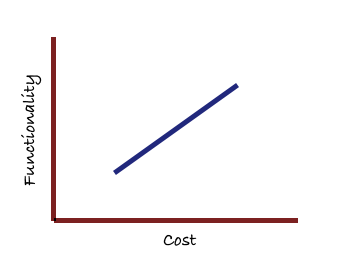
Complexity and Strategy | HackerNoon
I struggled with how to think about complexity through much of my career, especially during the ten years I spent leading Office development. Modeling complexity impacted how we planned major releases, our technical strategy as we moved to new platforms, how we thought about the impact of new technologies, how we competed with Google Apps, how we thought about open source and throughout “frank and open” discussions with Bill Gates on our long term technical strategy for building the Office applications.
Tending Your Software Garden
Software: do you write it like a book, grow it like a plant, accrete it like a pearl, or construct it like a building? As Steve McConnell notes in Code Complete 2, there’s no shortage of software development metaphors: A confusing abundance of metaphors has grown up around software

Software Bonkers
I’m software bonkers: I can’t stop thinking about software. And I can’t stop building software.
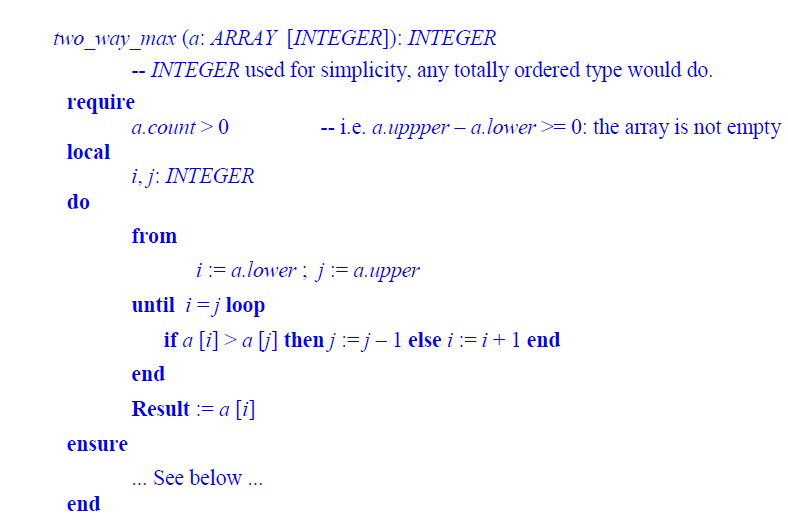
Domain Theory: the forgotten step in program verification - Bertrand Meyer's technology+ blog
Program verification is making considerable progress but is hampered by a lack of abstraction in specifications. A crucial step is, almost always, absent from the process; this omission is the principal obstacle to making verification a standard component of everyday software development. 1. Steps in software verification In the first few minutes of any ... Read more
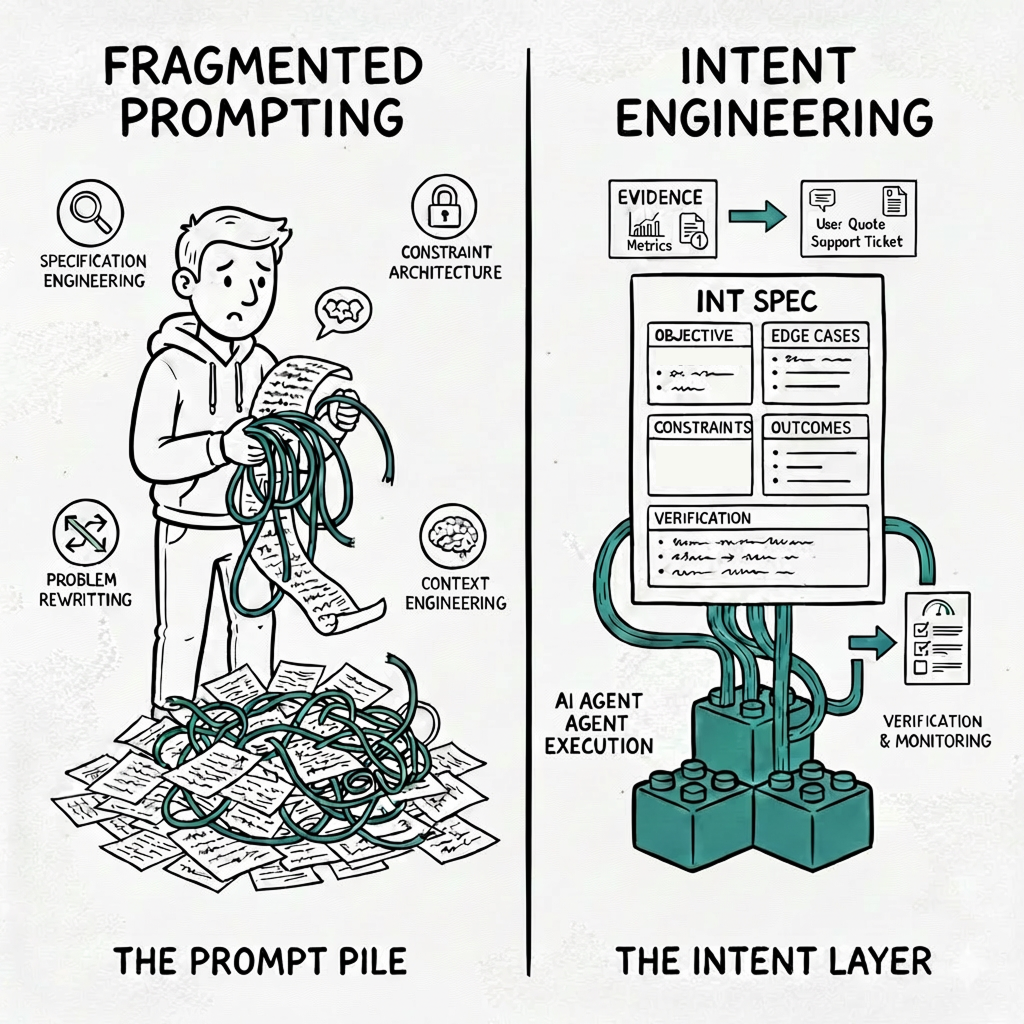
What Is Intent Engineering? The Discipline That Replaced Prompt Engineering
Intent engineering is how product teams turn judgment under evidence into specs precise enough for AI agents to execute — and verify. Here's the complete guide: what it is, why it matters, and how to practice it.
Where Did Software Go Wrong? | Jesse Li
Software is broken, but it's not because of NPM, startups, AI, or venture capitalists. A deep dive into how we think about and produce code, and how our software systems reflect the manic state of the modern world.

How software engineering is changing: a tale of two eras
We invited readers to write about how building software changed, in an essay challenge. Many of you took part, and today we’re sharing the winning piece from a strong set of entries
Legendary Productivity And The Fear Of Modern Programming | TechCrunch
JavaScript master Douglas Crockford once said that software is the most complex thing that humans have ever created. It’s made up of intricate bits and bytes pieced together like virtual puzzles. The greatest programming minds are capable of using software to multiply massive integers that are bigger than the universe.

How Do You Solve A Problem Like Microsoft? | TechCrunch
It's great at business software and technology, but Microsoft still struggles to make coherent consumer products. The problem seems ingrained and cultural, starting with its constant reversion to ecosystem plays and through to its increasingly bizarre user interfaces. Maybe the solution is to stop trying to be so fancy and focus more on its engineering roots instead?

Forks and Spoons: Uniting over AI Differences in Free Software
It’s impressive how many of the organizational techniques of large-scale software engineering have spread from its confines to the rest of society — especially given that the entire industry was an absolute trashfire of failures…
Code Is Cheap Now. Software Isn’t.
The barrier to entry for building software has collapsed. The barrier to building something that matters hasn’t moved an inch.
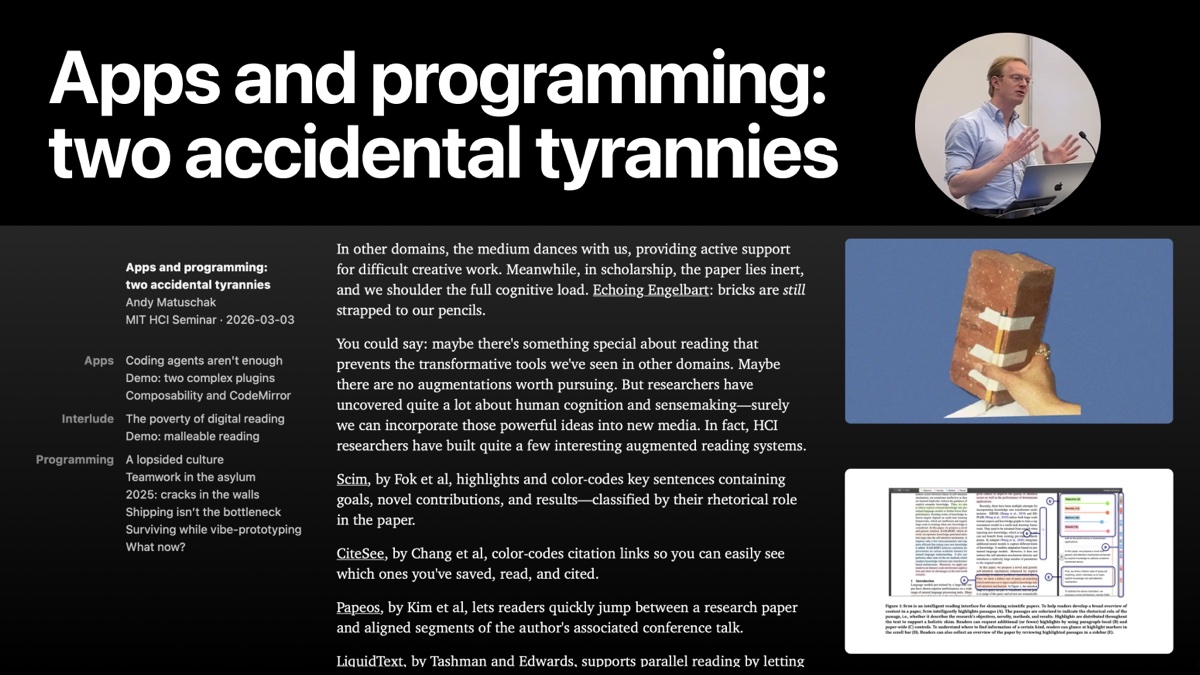
Apps and programming: two accidental tyrannies
On coding agents, malleable software, and the future of interface invention