


The images that appear on social media - happy people eating, cultural happenings, and smiling dogs - can actually predict the likelihood that a
Instagram photos reveal predictive markers of depression
Using Instagram data from 166 individuals, we applied machine learning tools to successfully identify markers of depression. Statistical features were computationally extracted from 43,950 participant Instagram photos, using color analysis, metadata components, and algorithmic face detection. Resulting models outperformed general practitioners’ average unassisted diagnostic success rate for depression. These results held even when the analysis was restricted to posts made before depressed individuals were first diagnosed. Human ratings of photo attributes (happy, sad, etc.) were weaker predictors of depression, and were uncorrelated with computationally-generated features. These results suggest new avenues for early screening and detection of mental illness.

Measuring The Health of Our Public Conversations - Cortico
By Deb Roy, Eugene Yi, Russell Stevens Published: March 1, 2018 The Internet and social media have transformed modern society in many positive ways by connecting us to the world’s information, enabling social connections that transcend space and time, and giving everyone a voice. Within this transformation, social media have become an essential part of
How Social Media Brings Out the Worst in Us
A new book argues that social media does more harm than good and we might be happier and healthier using it less.
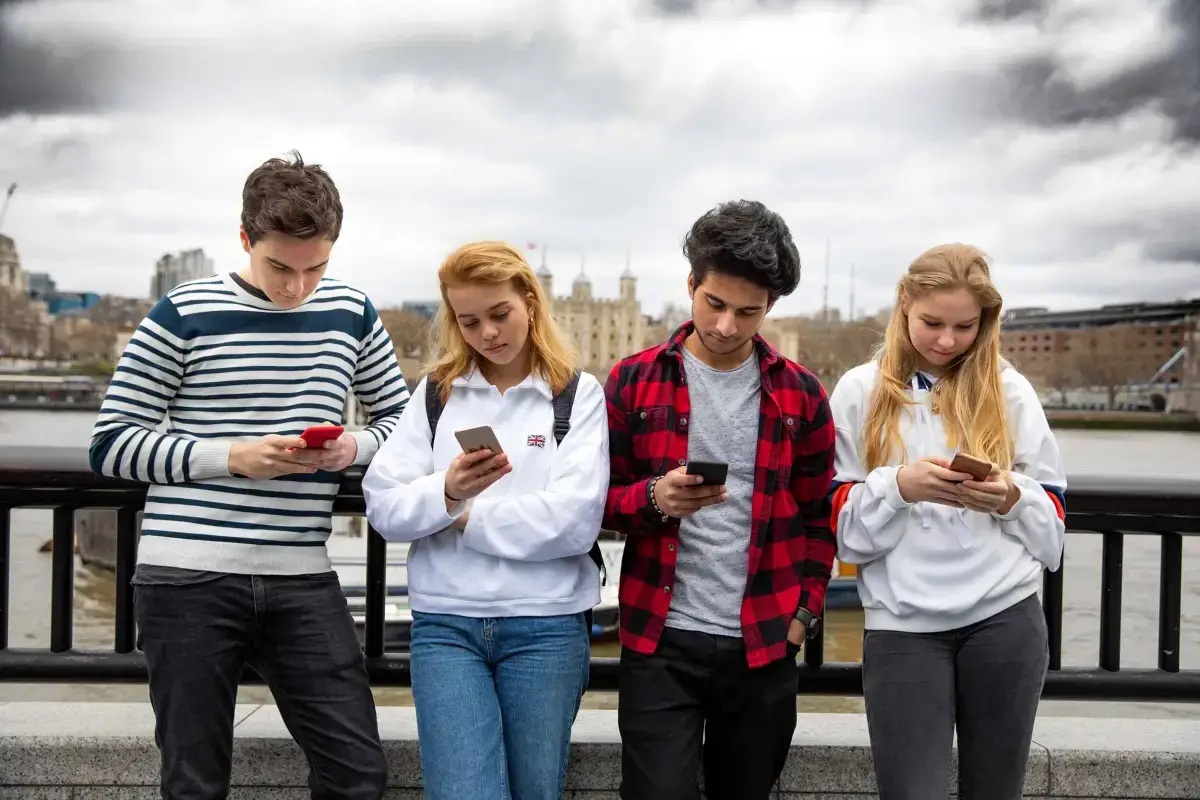

10 Astonishing Facts About Social Media Activity | Ambassador
If you were to print the amount of photos uploaded to Facebook in one day, they would stack taller than 8 Eiffel Towers. 9 amazing social media facts to go.
The Local Connection Crisis: New Data on What Communities Need
CityLab - Bloomberg
Bloomberg CityLab reports on the world’s cities, communities, and neighborhoods: How they work, the challenges they face, and the solutions they need.
Google Wants to Create a Map of What a Healthy Human Body Looks Like
It's the ultimate baseline study — an effort to collect the fullest picture of what a healthy human being should look like. The project, which is in its

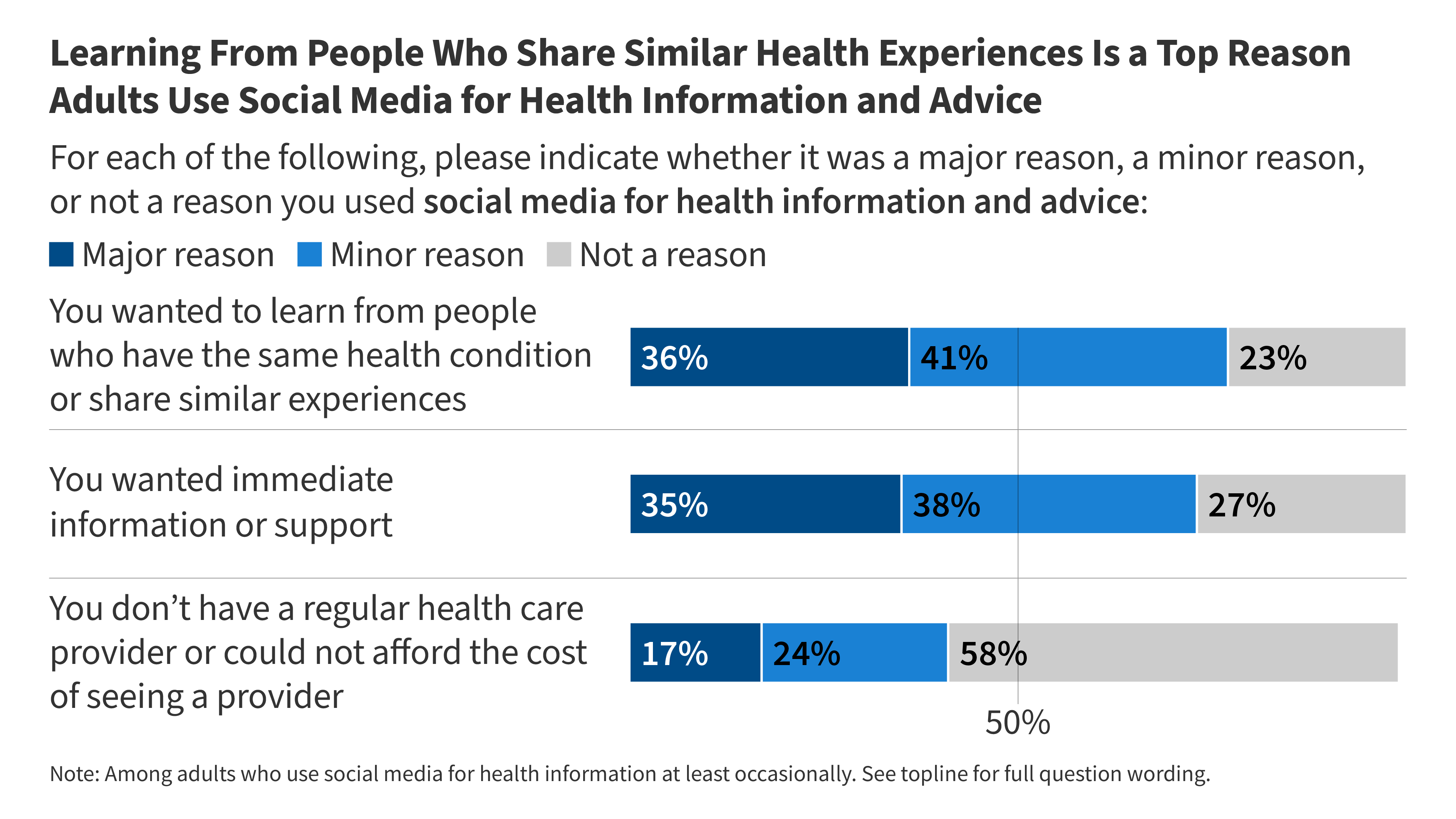
KFF Tracking Poll on Health Information and Trust: Use of Social Media and AI For Health Information and Advice | KFF
This poll finds that about 3 in 10 adults turn to social media for health information and advice at least monthly. Community connection and the need for immediate answers are the top reasons why people are turning to these tools. Slim majorities of those who use social media for health are confident they can tell what is true, and relatively few take steps to check the information they receive.
sweetbeex/bsky-photo-number-analyses
Statistical analysis of Bluesky posts, before app changed multi-photo presentation from grids to carousels. Looking specifically at image count vs post engagement on posts with images of people.
What Happens When Scientists Study "Black Twitter"?
A study at USC sponsored by IBM will study "Black Twitter,"trying to figure out what it means for people to form "neighborhoods" online. But has this
Why I Won't Eat At Restaurants That Use AI Images - Daily Meal
The proliferation of artificially generated images has been rapid, to say the least. It's even spread to restaurants. Here's why I think it's a bad sign.

Digital Hygiene — Real Life
Dietary metaphors for internet use blame individuals for systemic hazards

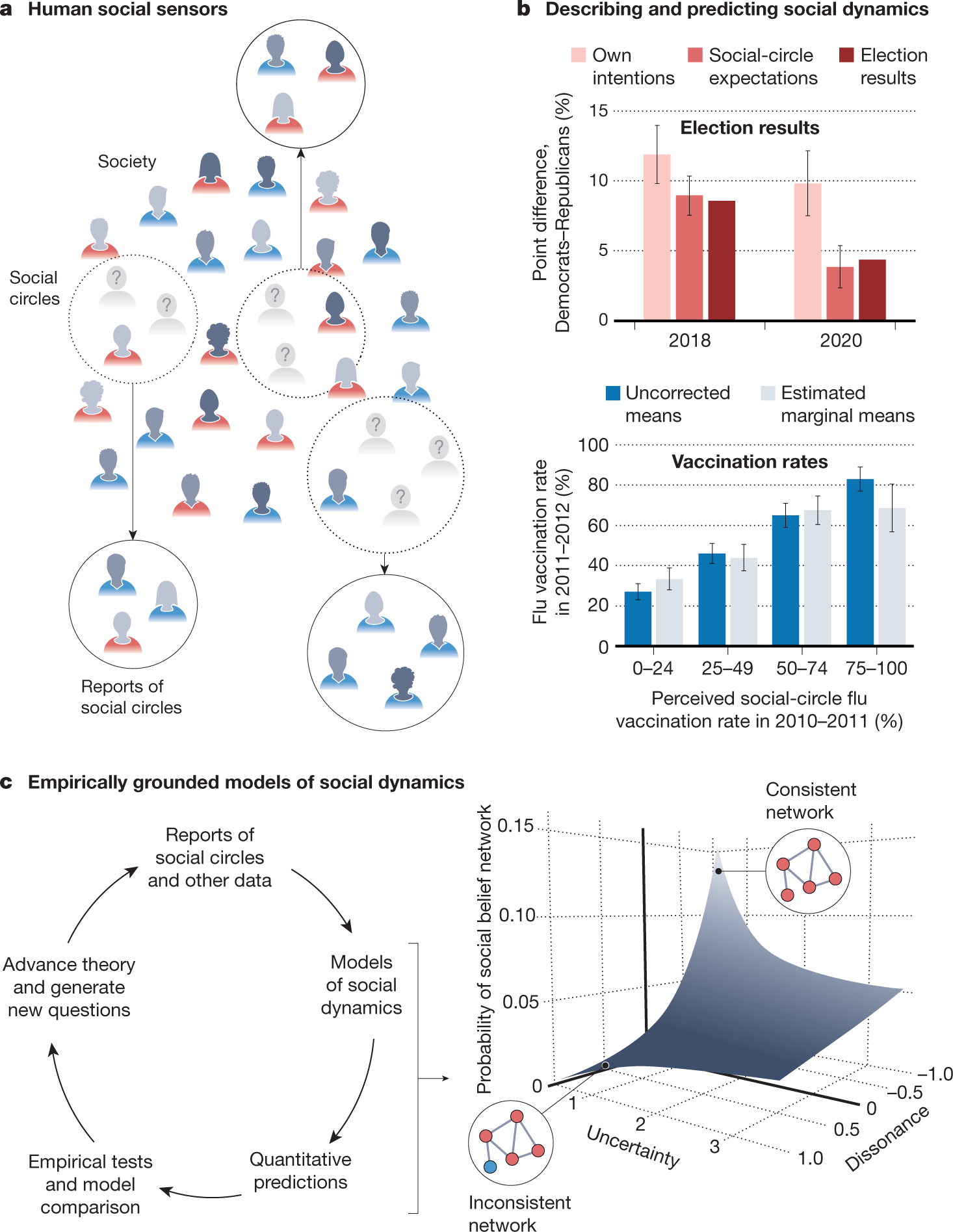
Human social sensing is an untapped resource for computational social science
The ability to ‘sense’ the social environment and thereby to understand the thoughts and actions of others allows humans to fit into their social worlds, communicate and cooperate, and learn from others’ experiences. Here we argue that, through the lens of computational social science, this ability can be used to advance research into human sociality. When strategically selected to represent a specific population of interest, human social sensors can help to describe and predict societal trends. In addition, their reports of how they experience their social worlds can help to build models of social dynamics that are constrained by the empirical reality of human social systems.
I didn't know how bad things are getting globally before finding /r/privacy
253 votes, 20 comments. The media has not informed us about the Flock cameras, age verification acts etc. that are happening in North America. There…