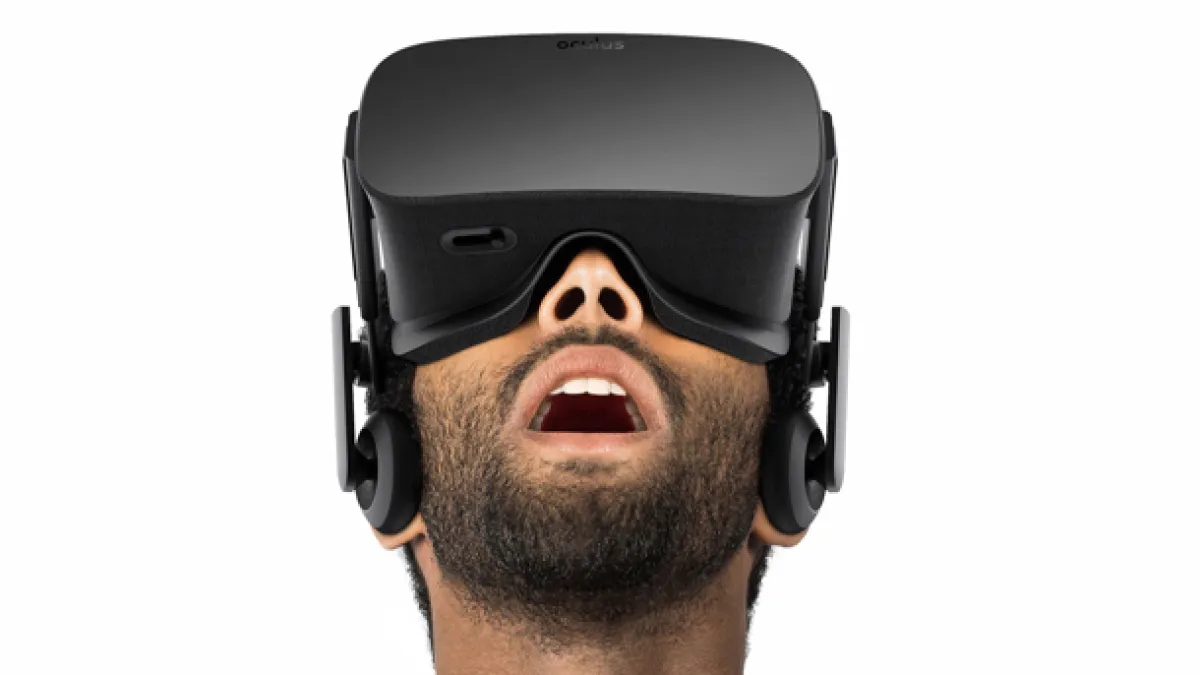
Researchers at the University of Maryland have found that people remember information better if it is presented in VR vs. on a two-dimensional personal
#1000: Voices of VR Retrospective on the Ultimate Potential of Virtual Reality - Voices of VR Podcast
Episode #1000 of the Voices of VR podcast is a special, three-hour retrospective featuring over 100 of the best answers I've received about the ultimate potential of VR over the past 7 years. I hope that it serves as a primer on the scope and breadth of different XR applications across many different contexts and domains of human experience as described by a diverse range of subject matter experts who are on the frontiers of innovation within spatial computing. The episode starts with describing the power of presence and immersion, and then elaborates on the underlying neuroscience foundations of perception and embodied cognition that explain why Extended Reality (XR) technologies like Virtual Reality (VR), Augmented Reality (AR), and Mixed Reality (MR) present unique affordances that go above and beyond what previous communication mediums can deliver. I believe XR represents a new computing paradigm that will be moving from flat 2D interfaces through windowed portals to volumetric experiences and worlds that are more embodied, immersive, participatory, social, and spatial.


Opinion: VR Is The Future, But The Future Isn’t Now
While I firmly believe that VR is the future of gaming, upcoming offerings face significant hurdles. - Game Informer
VR Is As Good As Psychedelics At Helping People Reach Transcendence - Slashdot
David Glowacki, an artist and computational molecular physicist, has created a VR experience called Isness-D that aims to recapture a transcendence experience he had when he fell in the mountains fifteen years ago. "[O]n four key indicators used in studies of psychedelics, the program showed the sam...

Are We Already Living in Virtual Reality?
A new technology—virtual embodiment—challenges our understanding of who and what we are.

I Tried VR and It Was Just OK
It’s been about a year and a half since I wrote The Road to VR, and a… few… things have happened since then. * Facebook bought Oculus for a skadillion dollars * I have to continually read thinkpieces describing how the mere act of strapping a VR headset on your face
Keep Forgetting Things? Neuroscience Says This Memory-Fixing Brain Habit Works Best
'The results were incontrovertible ... regular, engaged reading strengthened older adults' memory skills.'

Is the Memory Shortage Intentional? | Contrary Research
A deep dive from Contrary Research.

To Remember, the Brain Must Actively Forget | Quanta Magazine
Researchers find evidence that neural systems actively remove memories, suggesting that forgetting may be the default mode of the brain.

Dreaming: Better memory for a more helpful ChatGPT
ChatGPT introduces a new memory system to better remember preferences, keeping context fresh and relevant across conversations.

Virtual Reality Allows the Most Detailed, Intimate Digital Surveillance Yet
The kinds of behaviors virtual reality captures have long been a holy grail for data-monetizing companies.
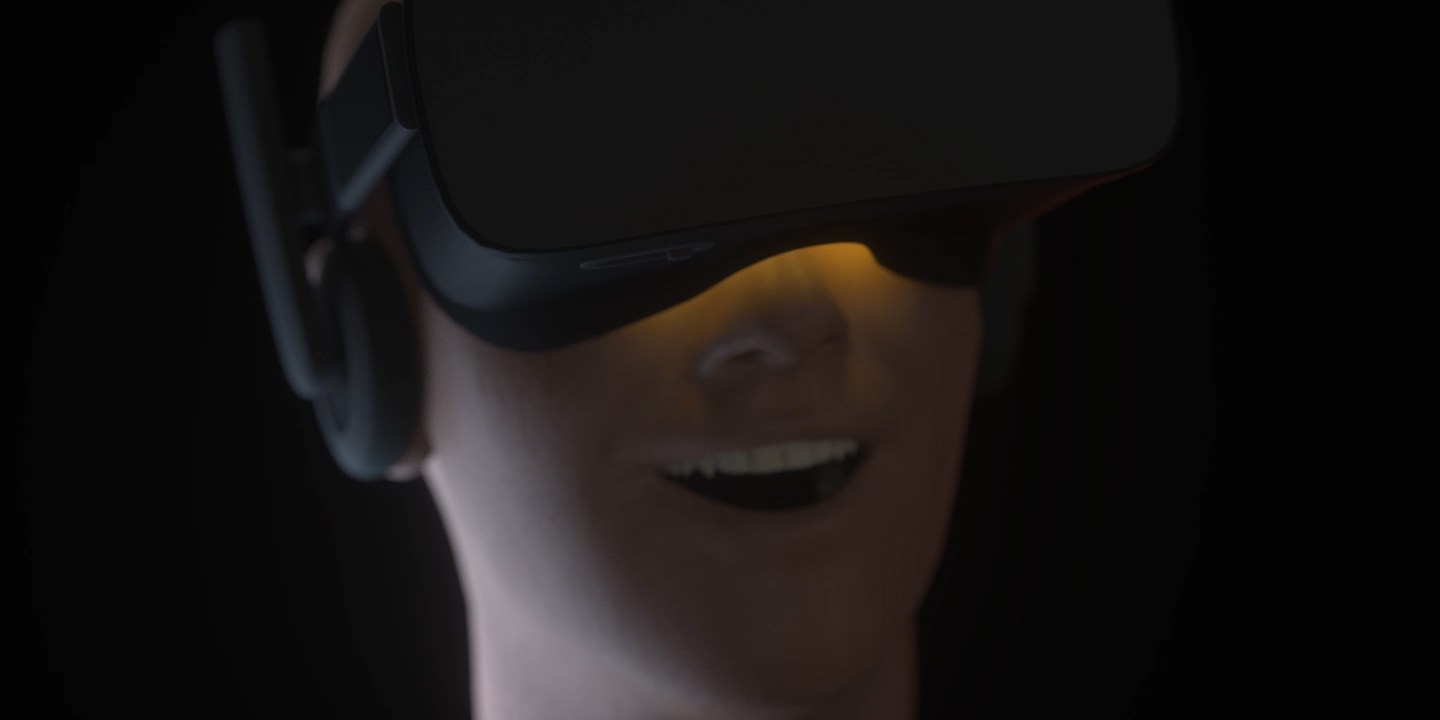
Acid test: how psychedelic virtual reality can help end society's mass bad trip
Cyberdelic VR is being used to treat trauma and even simulate near-death experiences
Why Now is the Time to Build A Second Brain: 7 Trends Driving the Note-Taking Revolution - Forte Labs
Illustration by Mark Weaver We are living in the midst of an Informational Apocalypse. The volume of information we’re exposed to every day continues to

Cultivating depth and stillness in research
I'm an applied researcher, focused on creating user interfaces that expand what people can think and do. My current focus is an augmented book which actively helps people understand, remember, and use what they read.
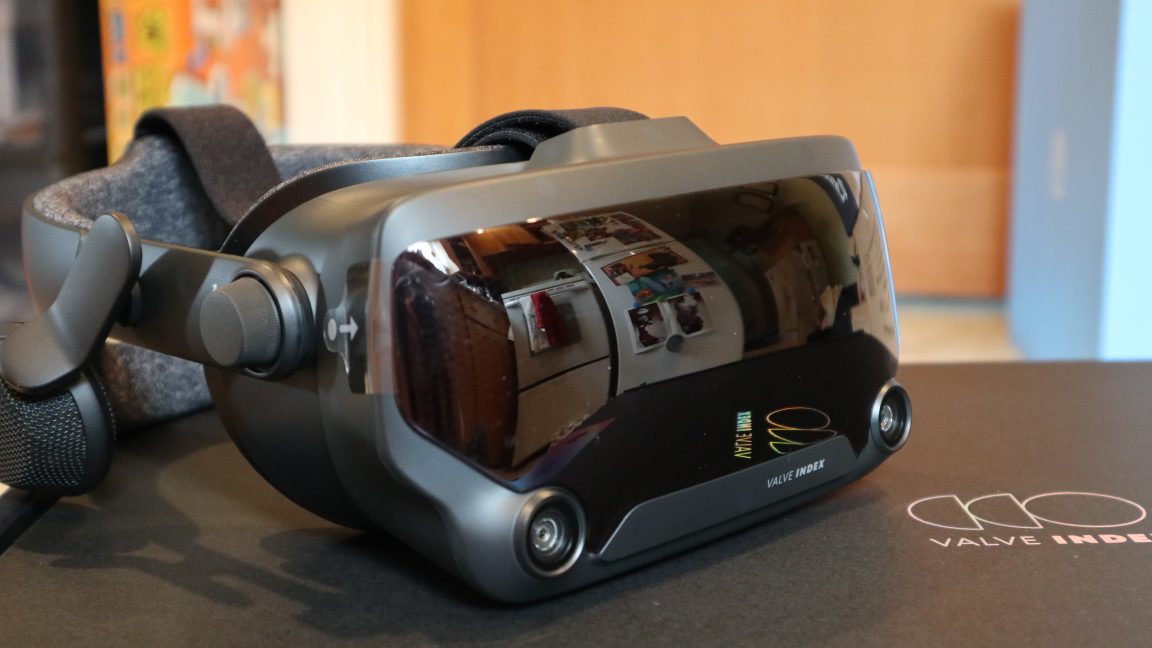
One week with the Valve Index: A VR game-changer with a few question marks
For better and for worse (mostly better), there's never been a VR system like this.
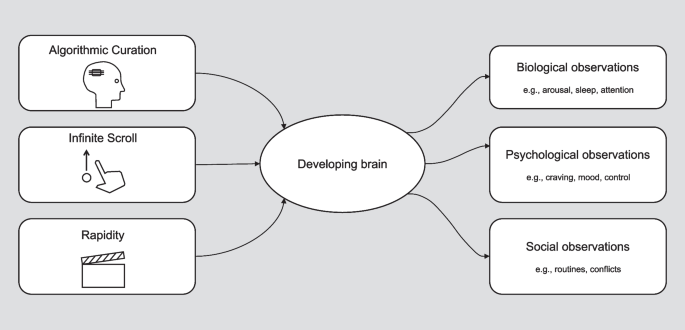
Taming the endless scroll? Short-form videos, digital routines and neurocognitive outcomes in youth
Short-form videos (SFVs) deliver digital content in a way that sets them apart from other media. Concerns have arisen that such user interfaces may diminish attention, memory and emotional wellbeing in young people, yet evidence has not previously been synthesised for this demographic and in isolation from other media types. To assess the association between exposure to SFV-interfaces and neurocognitive outcomes in individuals aged $$\varvec{\le 25}$$years, and to appraise the certainty of this evidence. Following PRISMA and Cochrane guidelines, four databases (PubMed, PsycINFO, WoS, Cochrane Reviews) were searched (2015–2025). Of 1,498 records, 42 studies (N = 46,912; mean age = 16.8) met the PICOS criteria. Most were cross-sectional (88%), with two longitudinal, one EEG, and one MRI study. Risk of bias and quality were evaluated using GRADE. Heavy, unstructured SFV use (typically $$\varvec{\ge 4}$$h/day) was consistently associated with: small-to-moderate increases in inattention ($$\varvec{\beta \approx 0.30}$$) and impulsivity ($$\varvec{\beta \approx 0.25}$$); moderate reductions in working-memory span ($$\varvec{\beta \approx -0.75}$$) and self-regulation ($$\varvec{\beta \approx -0.45}$$); moderate elevations in anxiety ($$\varvec{\beta \approx 0.35}$$), depression ($$\varvec{\beta \approx 0.48}$$) and stress ($$\varvec{\beta \approx 0.32}$$); and a moderate-to-large surge in addiction symptoms ($$\varvec{\beta \approx 0.60}$$). Two cross-sectional imaging studies also reported associations between heavier short-video use and neurobiological measures. These included grey-matter volume differences in the orbitofrontal cortex and cerebellum, altered resting-state signal synchrony, and reduced P300 amplitudes. Protective factors included supportive environments, digital routines, and digital literacy. Consistent, albeit preliminary, evidence links excessive SFV watching to cognitive and emotional challenges in youth. Longitudinal and experimental studies are urgently needed, alongside trials of modifiable levers to reduce addiction-like use and related harms.