


3D printing has changed the way people approach hardware design, but most printers share a basic limitation: they essentially build objects layer by layer, generally from the bottom up. This new system from Berkeley, however, builds them all at once more or less by projecting a video through a jar of light-sensitive resin.
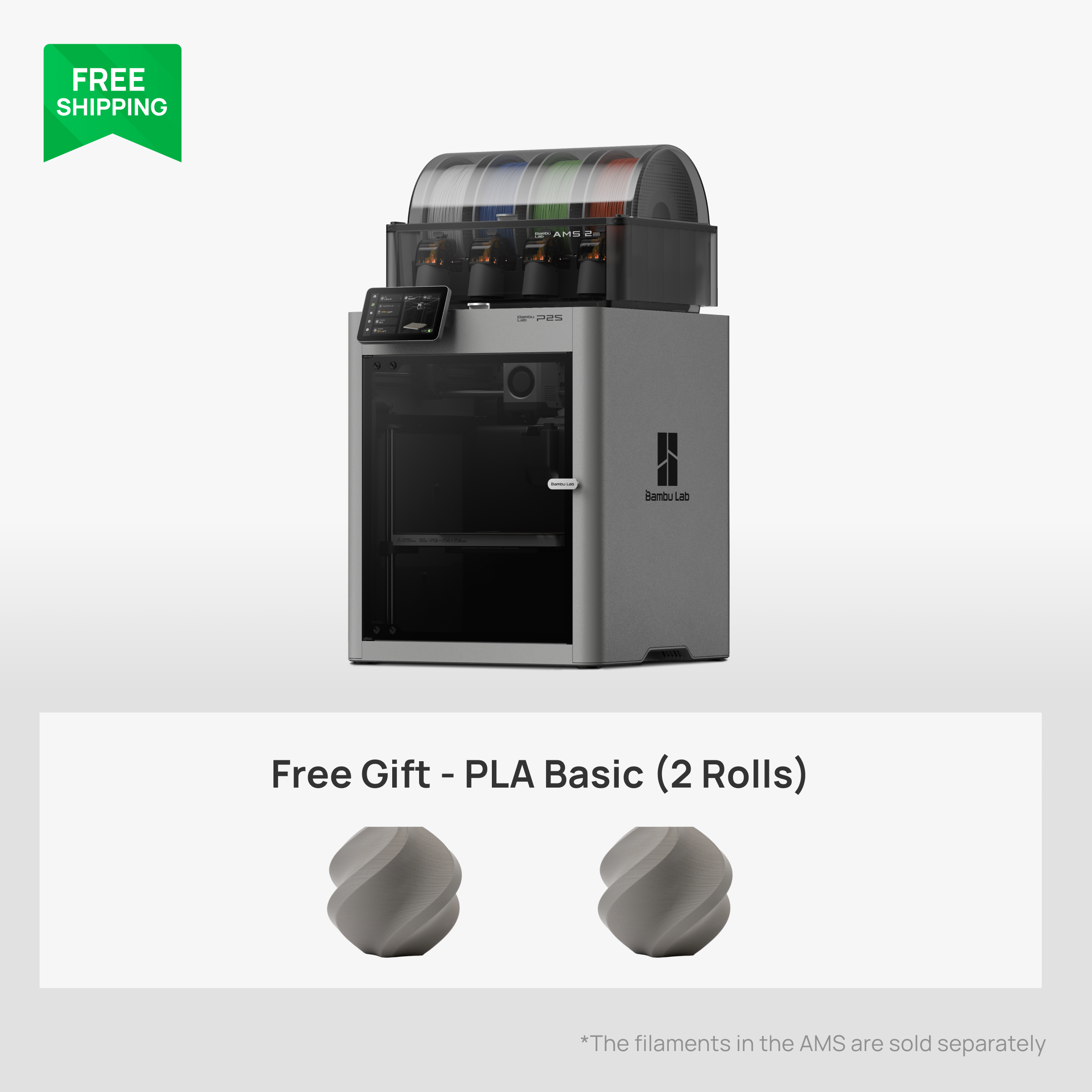
Bambu Lab P2S
A refined multi-filament 3D printer ready for effortless multi-material, up to 20-color printing, with 70% more extrusion force, flow-rate compensation, and adaptive airflow.
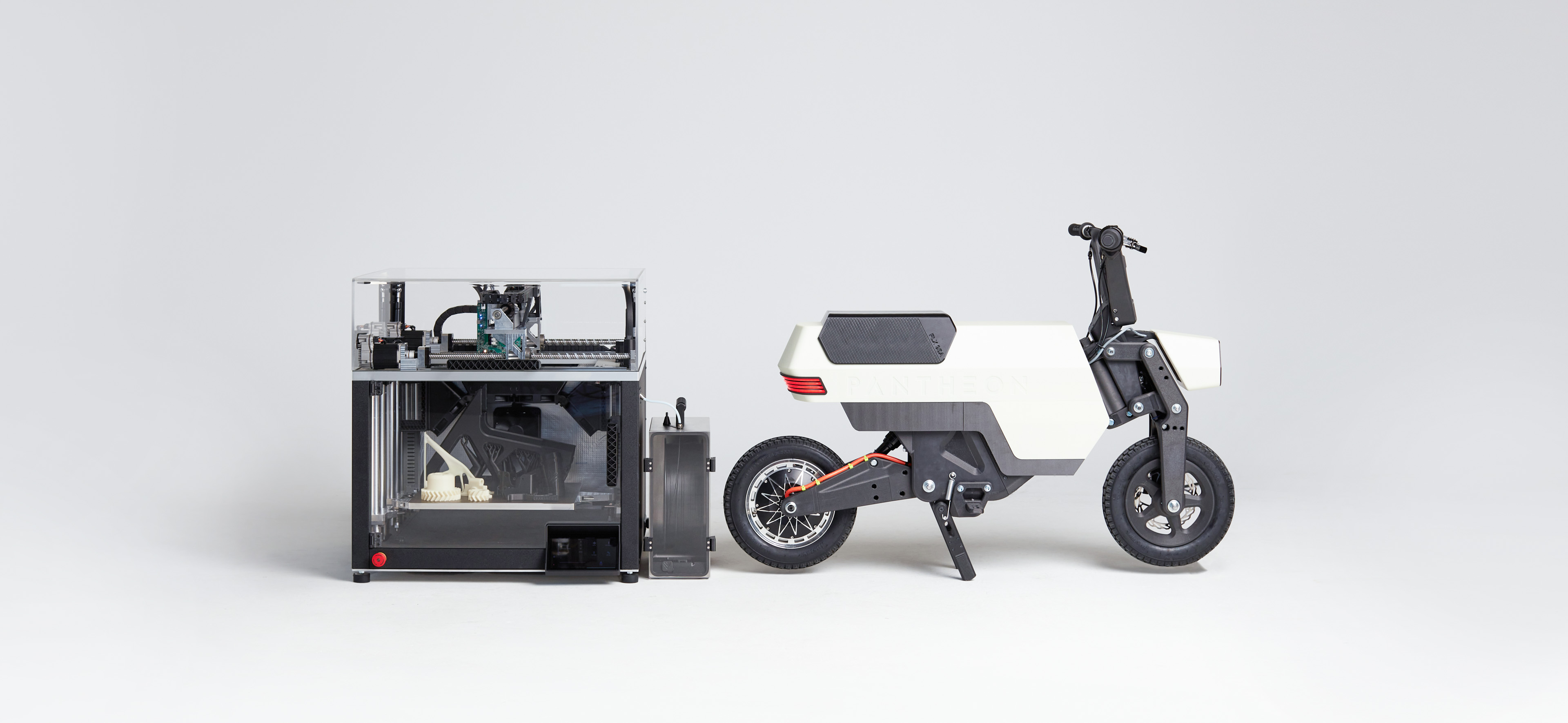
Pantheon Design - High Speed 3D printers
Pantheon Design develops 3D printing systems that allow industrial grade flexible manufacturing at a speed never seen before.
This 3D Printer Has No Motors! The Engineering Behind the LightMake L4
Foaming photopolymers as a high-resolution biomimetic printing platform
Nature creates a diverse range of foam-like materials, from bones to banana peels, through a rich orchestration of physical and biochemical processes across hierarchical length scales1. Here, we introduce deep-foam photolithography, a spatially controlled, light-induced foaming process in which a photosensitized polymer film is exposed to deeply penetrating UV-A light, which initiates the production of both scission and crosslinked polymers throughout the depth of the film. Hypotonically driven case II permeation2 of a weak solvent triggers pore nucleation, expansion and a controllable viscoelastic collapse to create foams through a localized solubilization of polymer fragments within a crosslinked network. The resemblance to amorphous structural whites in nature enables inkless printing in white and greyscale; the resolution is high enough (about 20,000 dots per inch) to generate diffractive colour. This uniquely allows the printing of mechanically expanded and collapsed foams with high aspect ratios (20×); controlled collapse creates hierarchically rough surfaces with lotus-like super-hydrophobicity. Deep-foam photolithography is applied to both films and fibres, using a range of amorphous and semi-crystalline polymeric materials. Patterning μm-level spatial differences in foamability, wettability, optical properties and local thickness enables high-resolution printing, microfluidics and picolitre capture of liquids and colloidal matter.
3D fabbers: don't let the DMCA stifle an innovative future
Physical objects are going digital, thanks to 3D scanners and printers. But …
Will 3D Printing End Mass Manufacturing? [PICS]
Will 3D Printing End Mass Manufacturing? [PICS]

Makerbot Digitizer Will Let Anyone Scan and Print Physical Items in 3D
Makerbot Digitizer Will Let Anyone Scan and Print Physical Items in 3D

How 3D printing is shaking up high end dining
How 3D printing is revolutionising the gourmet dining industry.

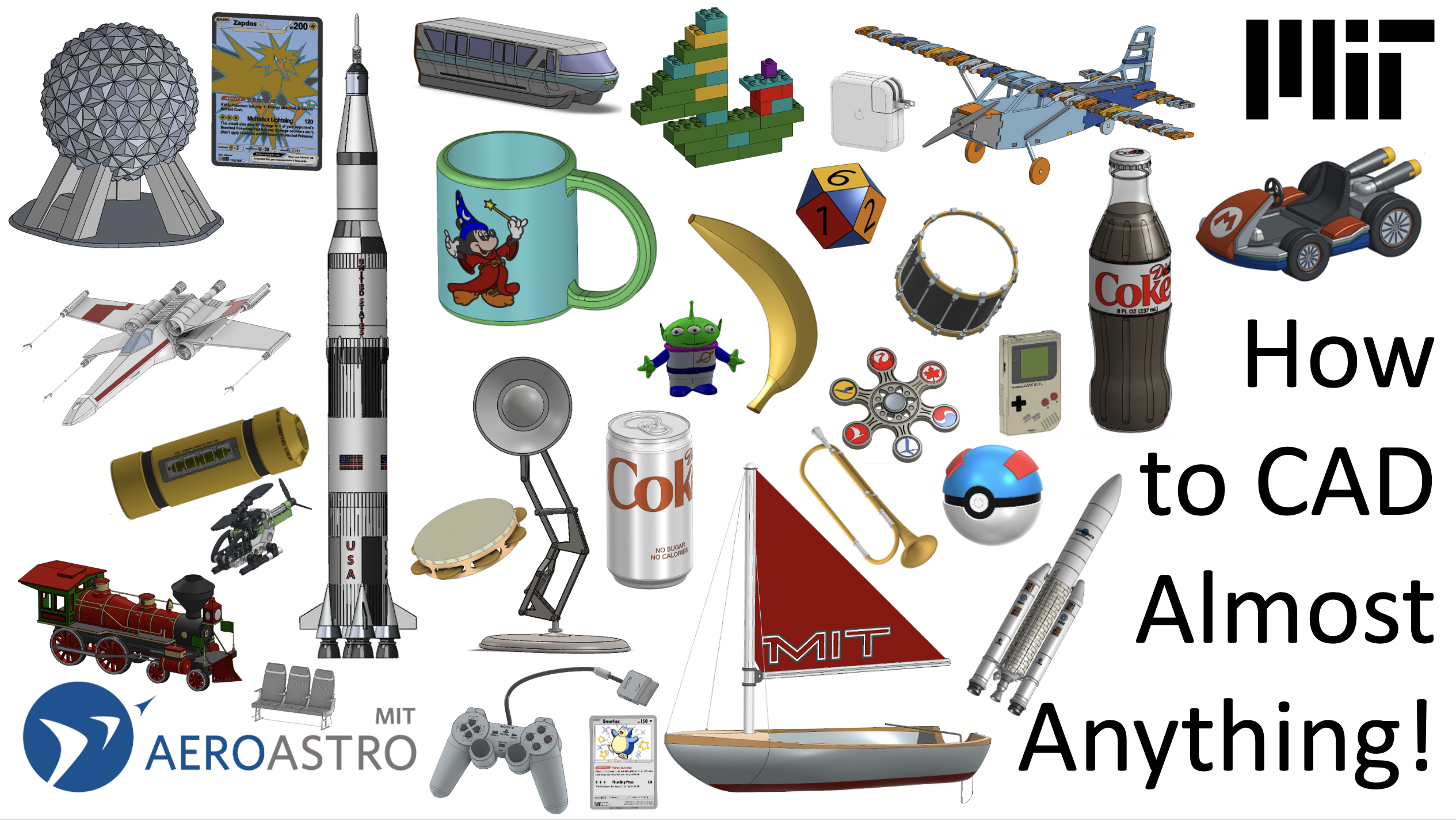
How to CAD Almost Anything | Aeronautics and Astronautics | MIT OpenCourseWare
Have you ever wondered how objects from our daily lives are designed? How can we generate a computer 3D model of a mug, a bottle of Diet Coke, or a Saturn V rocket? What about designing the blades of a jet engine? A test dummy? How about making an animation of a LEGO house building itself? Or making a realistic render of a bowl of fruit? In this workshop, you will learn skills to design all these and much more! How to CAD Almost Anything introduces students to CAD (Computer-Aided Design) through various fun examples focused on reverse engineering. In contrast to traditional mechanical design courses, this workshop emphasizes the design process itself, understanding how to plan and best leverage our available tools to arrive at our desired result. Thus, the sessions are less about following the instructions on an engineering drawing and more about independent thinking and strategizing, such as reverse engineering an object into a 3D model. Come and learn how to CAD almost anything! This supplemental resource offers links to the class’s {{% resource_link "16babc5f-0e62-460a-b4ba-9a58691cc546" "Solidworks" %}}, {{% resource_link "20ac40c2-a2af-460b-9466-c92e79e9205e" "Creo" %}}, {{% resource_link "d10bb908-13c8-4ddb-9bee-fa8f98e6225e" "Fusion" %}}, {{% resource_link "a5453488-8d59-4d4c-a5e1-d12f25cf65b9" "Inventor," %}} {{% resource_link "26cd69cf-0058-4f1f-b146-d59f125d7507" "Onshape" %}}, and {{% resource_link "758fc0d1-c41c-4289-9985-c6b83e34d067" "NX" %}} website materials, as well as companion playlists of the {{% resource_link "bb8eabca-d50c-4e54-8c25-b97eea4b6d80" "Solidworks" %}}, {{% resource_link "dee3acb9-06ab-4781-8d4c-a2165fc2711b" "Creo" %}}, {{% resource_link "b4a6a168-fba3-48e8-bb28-05eb9e011a8b" "Fusion," %}} {{% resource_link "43925915-3676-446c-b25e-84037183b6ed" "Inventor" %}}, {{% resource_link "de9839c7-413a-4fc7-9fe0-1b4ad9692ae2" "Onshape" %}}, and {{% resource_link "9d0754c5-7bd5-43f8-a211-5d359ef51c92" "NX" %}} session recordings on YouTube.
The Lightbulb Computer — Reimagining Spatial & Ambient Computing with Projectors
A new direction for computing: projecting information into the real world to augment it, with a device that combines a projector and computer vision in the shape of a large lightbulb.
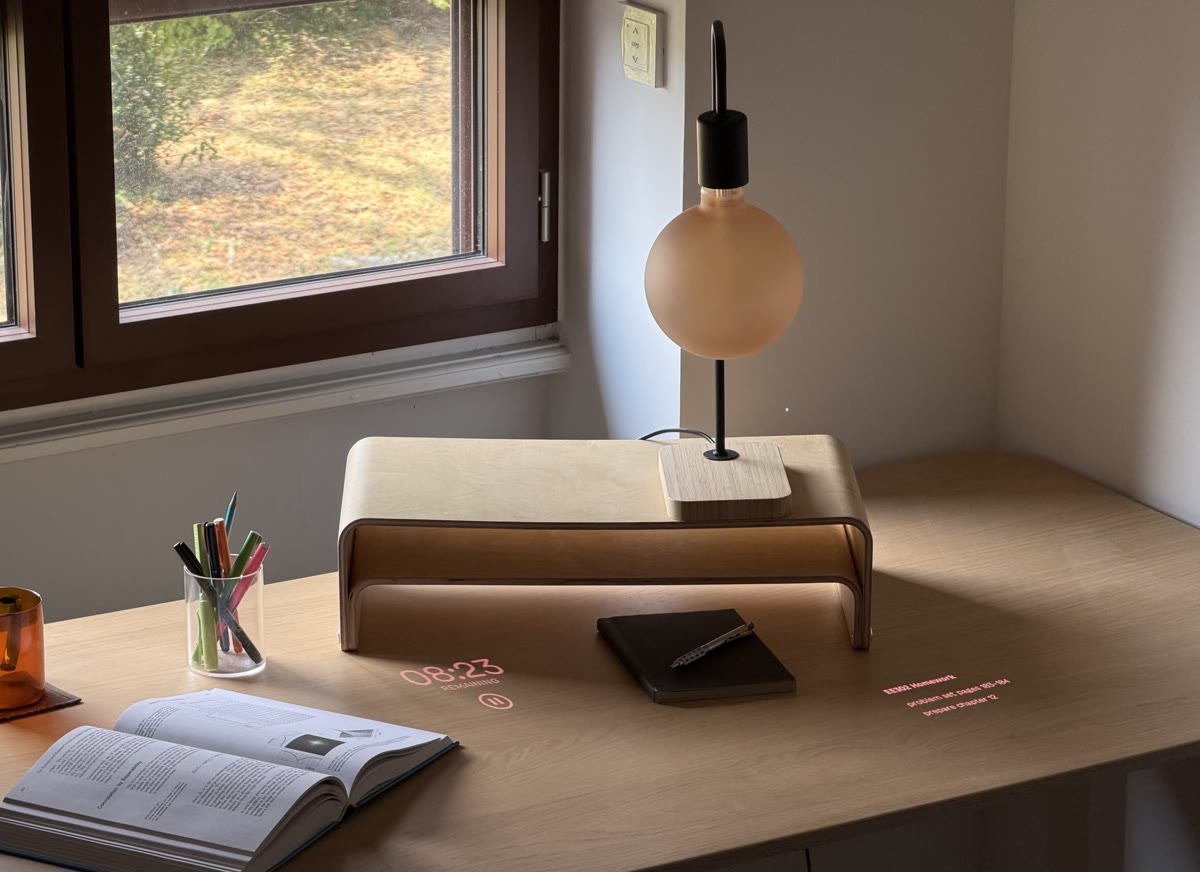
The Lightbulb Computer — Reimagining Spatial & Ambient Computing with Projectors
A new direction for computing: projecting information into the real world to augment it, with a device that combines a projector and computer vision in the shape of a large lightbulb.
3D printing my laptop ergonomic setup | nicole@web
Apparently, one of my hobbies is making updates to my ergonomic setup, then blogging about it from an Amtrak train. I've gone and done it again.
A brief summary of everything Substrate and Polkadot
We cut through the existing material on Substrate & Polkadot and take a deeper look at where we are going with the two technologies and…

Smart Disorganized Individuals: SpimeScript
These days, I'm thinking a lot about 3D printers, desktop manufacturing and software to create physical things. Last year I did some art...
Uniform | Sparseal
General purpose 3D editor with sculpting, modeling, texturing, and rendering capabilities.
