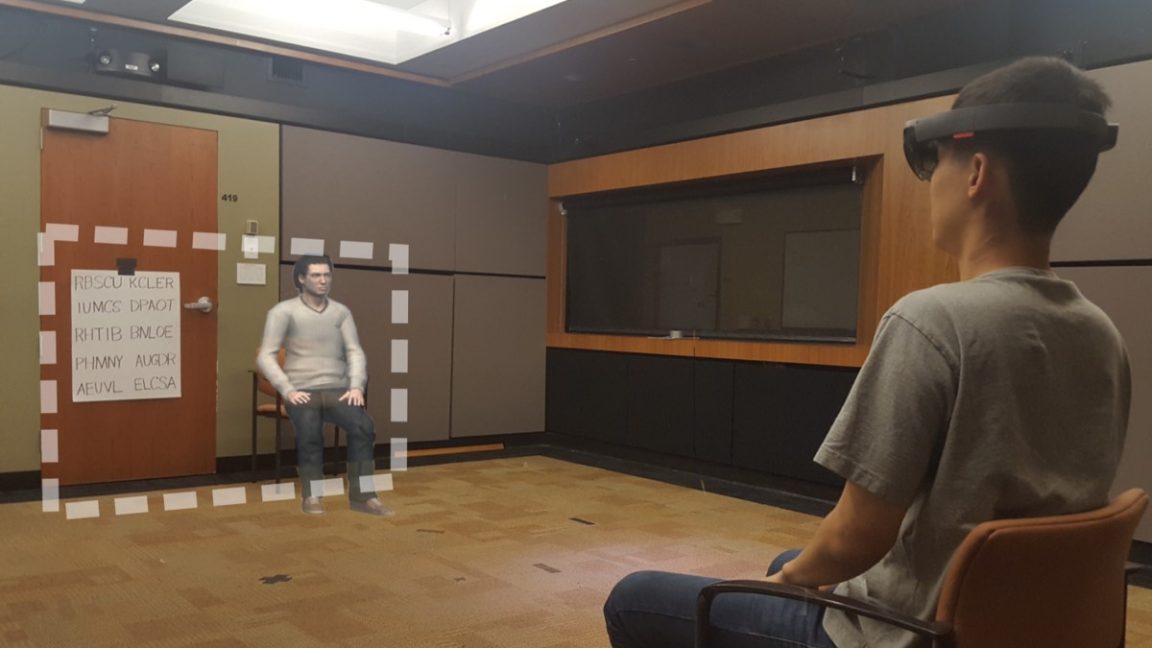
Facebook this morning issued a lengthy breakdown of recent research into BCI (brain-computer interface) as a means with which to control future augmented
The Problem with Facebook and Virtual Reality
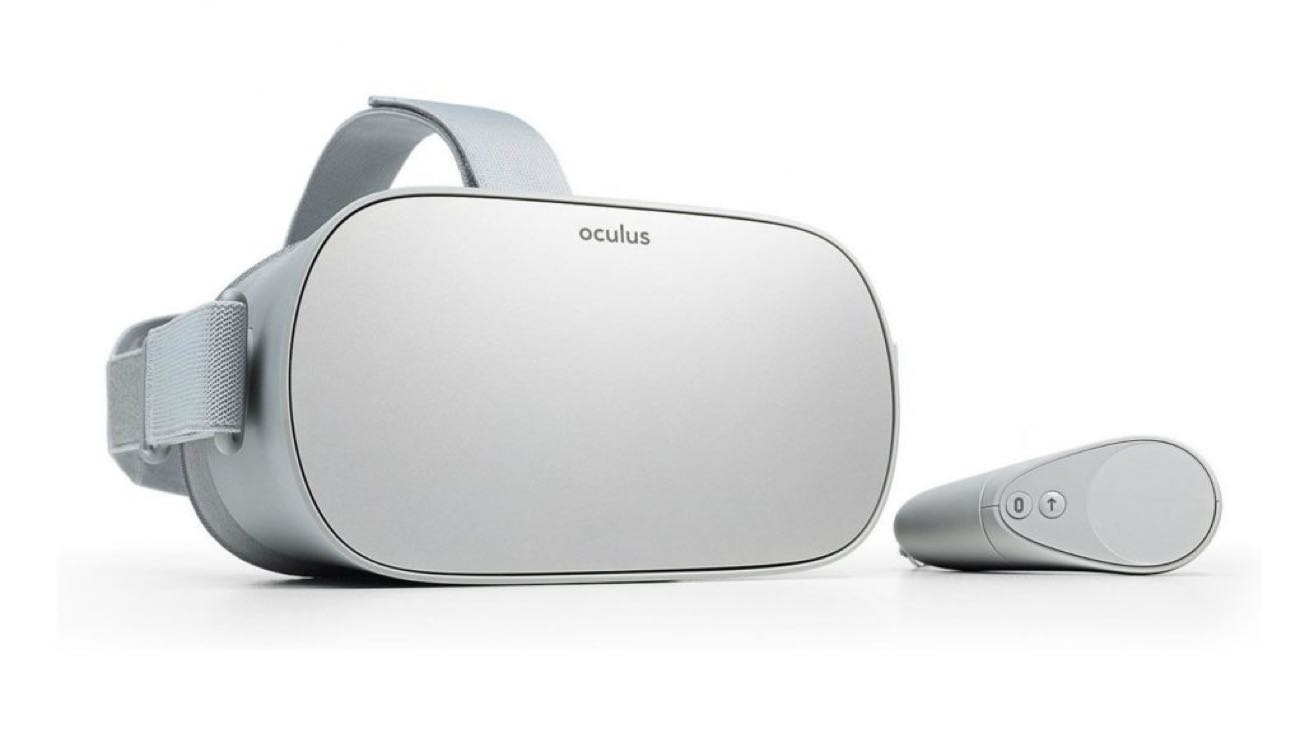
Virtual reality has always been destined to be less important than augmented reality, and Facebook taking a stake has never made much sense.
Man Controls iPad With His Mind Using Synchron Brain Implant - Slashdot
BrianFagioli shares a report from NERDS.xyz: Synchron has just released a public demo showing something that used to feel impossible. A man with ALS is now using his iPad with nothing but his brain. No hands. No voice. No eye-tracking. Just thought. The man in the video is named Mark. He's part of ...

Facebook AI learns human reactions after watching hours of Skype | New Scientist
People use their faces to communicate in subtle ways. A Facebook conversational bot trained on Skype chats had reactions indistinguishable from human ones

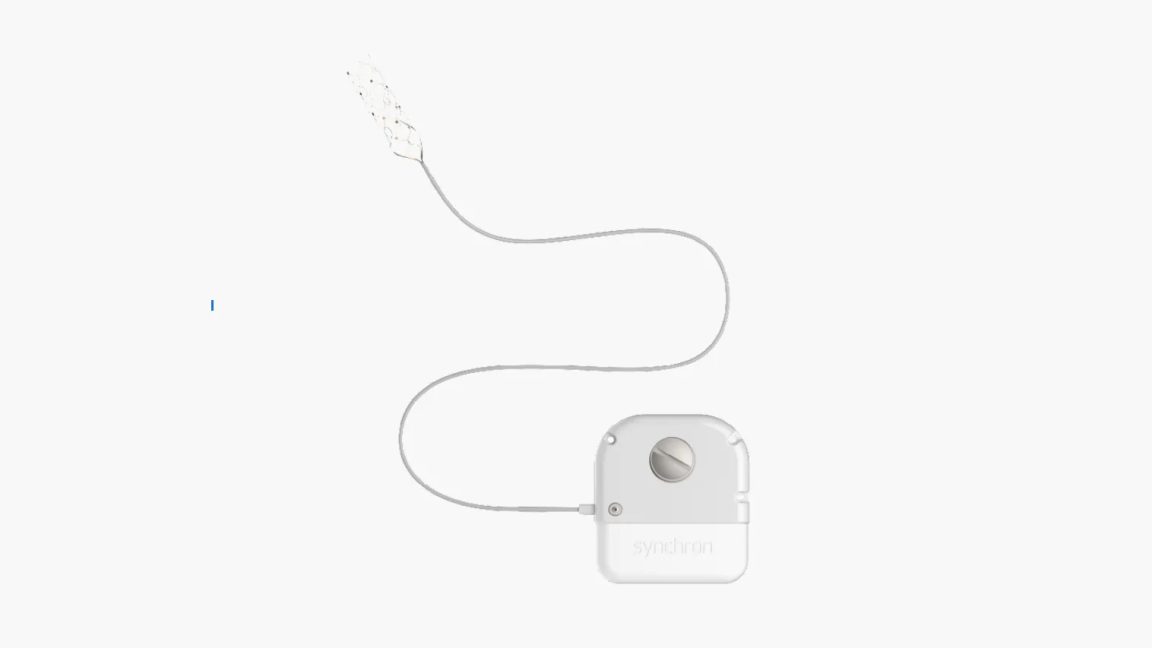
Synchron — Still you.
We build implantable Brain-Computer Interfaces to protect what makes you human.

Facebook’s AI unlocks the ability to search photos by what’s in them | TechCrunch
Initially used to improve the experience for visually impaired members of the Facebook community, the company's Lumos computer vision platform is now

The age of brain-computer interfaces is on the horizon
Synchron has implanted its BCI in a US patient for the first time.
Four Perspectives On Augmented Reality And Its Future | TechCrunch
Augmented reality (AR) -- the term does not exactly jump off the tongue. But the concepts behind the technology are beginning to change what we think of ourselves, objects and the people in the world that surrounds us.

Neuralink implant enables patient to make YouTube videos with generative AI’s help
Smith is the first non-verbal individual and only the third person globally to receive a Neuralink Brain-Chip Interface (BCI) implant.
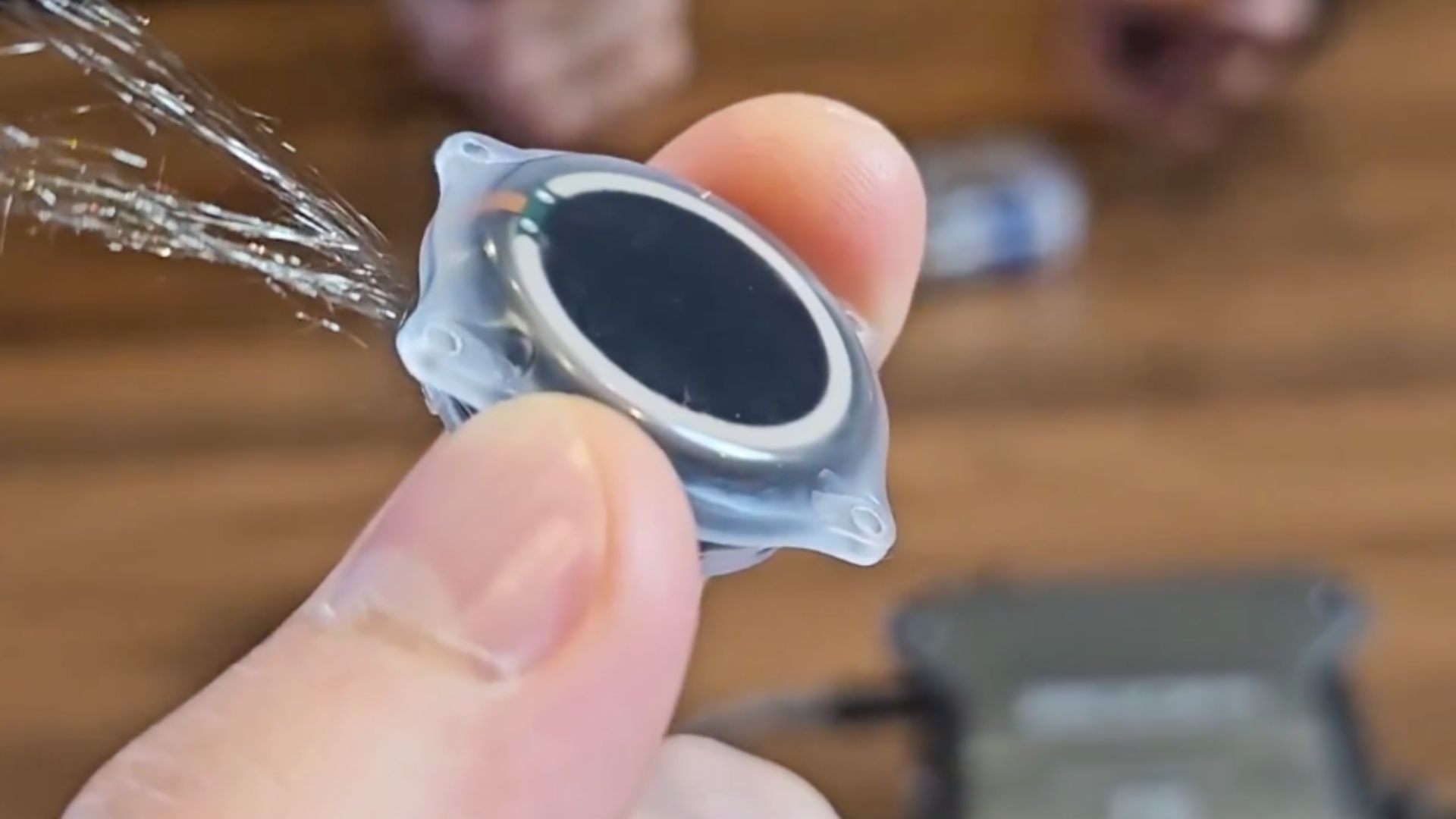
Motif Neurotech — Therapeutic Brain Computer Interface For Mental Health
We're building devices to help you monitor and regulate your mental health and performance.

(PDF) Why, when and how to use augmented reality agents (AuRAs)
PDF | Over the last number of years, multiple research projects have begun to create augmented reality (AR) applications that use augmented reality... | Find, read and cite all the research you need on ResearchGate

Social Communication Coaching Smartglasses: Well Tolerated in a Diverse Sample of Children and Adults With Autism
Background Augmented reality (AR) smartglasses are an emerging technology that is under investigation as a social communication aid for children and adults with autism spectrum disorder (ASD) and as a research tool to aid with digital phenotyping. Tolerability of this wearable technology in people with ASD is an important area for research, especially as these individuals may experience sensory, cognitive, and attentional challenges. Objective The aim of this study was to assess the tolerability and usability of a novel smartglasses system that has been designed as a social communication aid for children and adults with autism (the Brain Power Autism System [BPAS]). BPAS runs on Google Glass Explorer Edition and other smartglasses, uses both AR and affective artificial intelligence, and helps users learn key social and emotional skills. Methods A total of 21 children and adults with ASD across a spectrum of severity used BPAS for a coaching session. The user’s tolerability to the smartglasses, user being able to wear the smartglasses for 1 minute (initial tolerability threshold), and user being able to wear the smartglasses for the entire duration of the coaching session (whole session tolerability threshold) were determined through caregiver report. Results Of 21 users, 19 (91%) demonstrated tolerability on all 3 measures. Caregivers reported 21 out of 21 users (100%) as tolerating the experience, while study staff found only 19 out of 21 users managed to demonstrate initial tolerability (91%). Of the 19 users who demonstrated initial tolerability, all 19 (100%) were able to use the smartglasses for the entire session (whole session tolerability threshold). Caregivers reported that 19 out of 21 users (91%) successfully used BPAS, and users surpassed caregiver expectations in 15 of 21 cases (71%). Users who could communicate reported BPAS as being comfortable (94%). Conclusions This preliminary report suggests that BPAS is well tolerated and usable to a diverse age- and severity-range of people with ASD. This is encouraging as these devices are being developed as assistive technologies for people with ASD. Further research should focus on improving smartglasses design and exploring their efficacy in helping with social communication in children and adults with ASD.

ABILITY | Restoring Communication Through Brain-Computer Interfaces
ABILITY Neuro - Restoring communication through next-generation brain-computer interfaces
The First AI Gadgets Are a Cautionary Tale
These wearable devices feel new and ambitious — and that’s the problem.

Creating Magic Through Technology: Headset Prototyping for AR/VR
Augmented reality changes how people interact and communicate, study finds
Using AR can change where you walk, how well you do on tasks and connect socially.