Notion's head of product said he was "astonished" at “the amount of people RT-ing this."

US Travel Advisories | Notion
Hosted by Notion Sites — The easiest way to get a website up and running.

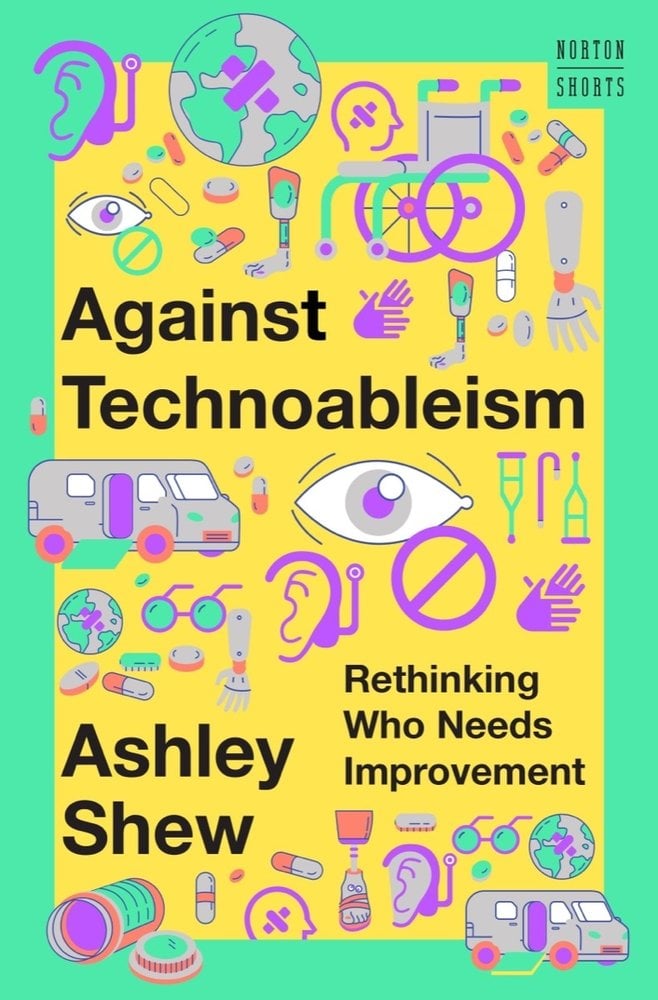
Against Technoableism
When bioethicist and professor Ashley Shew became a self-described "hard-of-hearing chemobrained amputee with Crohn's disease and tinnitus," there was no returning to "normal." Suddenly well-meaning people called her an "inspiration" while grocery shopping or viewed her as a needy recipient of technological wizardry. Most disabled people don't want what the abled assume they want--nor are they generally asked. Almost everyone will experience disability at some point in their lives, yet the abled persistently frame disability as an individual's problem rather than a social one. In a warm, feisty voice and vibrant prose, Shew shows how we can create better narratives and more accessible futures by drawing from the insights of the cross-disability community. To forge a more equitable world, Shew argues that we must eliminate "technoableism"--the harmful belief that technology is a "solution" for disability; that the disabled simply await being "fixed" by technological wizardry; that making society more accessible and equitable is somehow a lesser priority. This badly needed introduction to disability expertise considers mobility devices, medical infrastructure, neurodivergence, and the crucial relationship between disability and race. The future, Shew points out, is surely disabled--whether through changing climate, new diseases, or even through space travel. It's time we looked closely at how we all think about disability technologies and learn to envision disabilities not as liabilities, but as skill sets enabling all of us to navigate a challenging world.
Notion encourages busy-work and I’m tired of it
Why has everything become so needlessly complicated?

Notion—The AI workspace that works for you.
A tool that connects everyday work into one space. It gives you and your teams AI tools—search, writing, note-taking—inside an all-in-one, flexible workspace.
Notion—The AI workspace that works for you.
A tool that connects everyday work into one space. It gives you and your teams AI tools—search, writing, note-taking—inside an all-in-one, flexible workspace.
Notion—The AI workspace that works for you.
A tool that connects everyday work into one space. It gives you and your teams AI tools—search, writing, note-taking—inside an all-in-one, flexible workspace.
Notion—The AI workspace that works for you.
A tool that connects everyday work into one space. It gives you and your teams AI tools—search, writing, note-taking—inside an all-in-one, flexible workspace.
Anthropomorphism Is Breaking Our Ability to Judge AI
Tech Policy Press fellow James Ball asks, how should we interact with a technology designed to ‘speak’ with us on what appear to be human terms?
Technoableism
Technoableism is a belief in the power of technology that considers the elimination of disability a good thing, something we should strive for. It’s a classic form of ableism—bias against disabled people, bias in favor of nondisabled ways of life. Technoableism is the use of technologies to reassert those biases, often under the guise of empowerment.

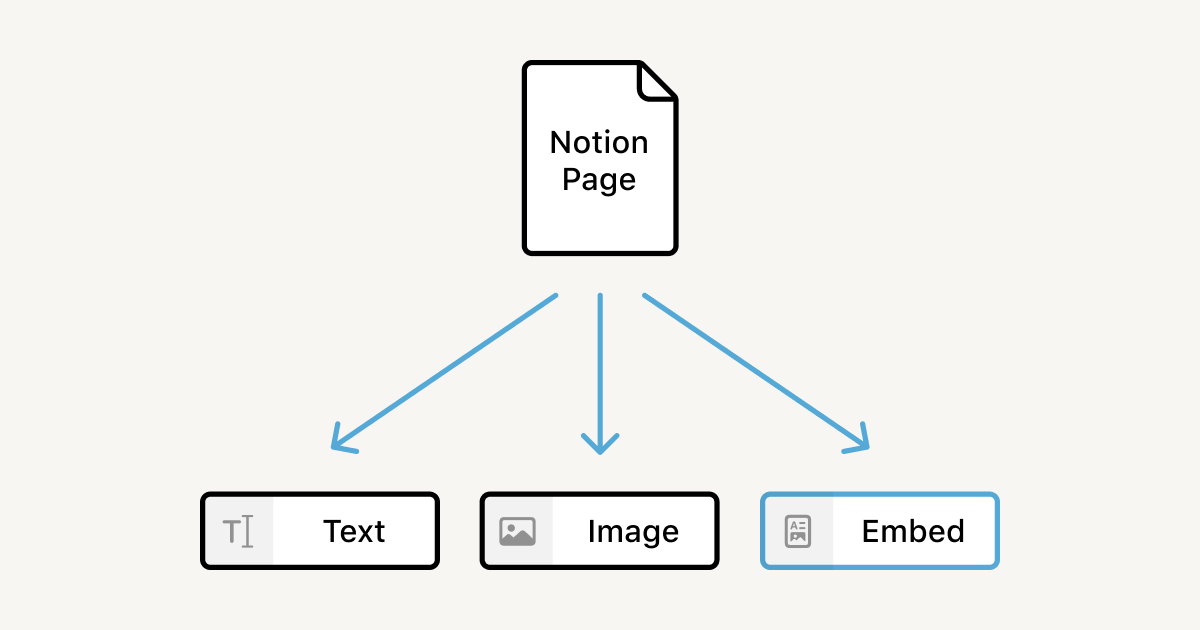
Exploring Notion's Data Model: A Block-Based Architecture | Notion
Notion’s data model enables the product’s most foundational component: blocks. Through blocks, we allow users more flexibility over their information.
How Open Protocols Are a Key Part of Regenerative Technology - Identity Woman
TLDR Infographic: What does it actually take for digital technology to be regenerative? The question matters because most of the digital tools being adopted right now in bioregional movements, community organizing, regenerative finance, and the broader systemic-change ecosystem are being chosen without anyone asking it carefully. The slide decks are beautiful. The intentions are sincere. […]

Substrates via Accessibility
The social model of disability holds that disability is produced by environments, not by bodies — that when software fails to accommodate a person’s needs, the environment is disabling them. We argue that the dominant organization of computing produces such interaction mismatches structurally: the commodity form of software requires a standardized consumer, and everyone whose needs diverge from this imagined subject is disabled by the software environment. The substrates research community has identified properties — disclosure, composability, malleability — that would address this, but the commodity form actively selects against these properties because they dissolve the boundaries on which exchange value depends. This raises a question: how can infrastructure organized against the grain of commodity logic be made durable? We find a precedent in accessibility infrastructure — sustained not by patronage but by the organized counter-power of disability rights movements. Through Allio, a system for cross-application augmentation built on accessibility APIs, we illustrate both what this foundation makes possible and where its limits lie. We argue that the accessibility case reframes the substrates programme’s central challenge as political-economic: the question of who sustains substrate infrastructure, and through what social mechanisms, is as important as the question of what properties it should have.
Notion’s Knowledge Board
Evaluating how models perform across a range of knowledge work tasks, using live anonymized traffic and judged by models from Anthropic, OpenAI, and Google. An ongoing experiment.
Notion engineers sped up Notion's browser speed with WASM SQLite
Notion engineers sped up Notion's browser speed with WASM SQLite