

Breaking Trusted Execution Environments via DDR5 Memory Bus Interposition
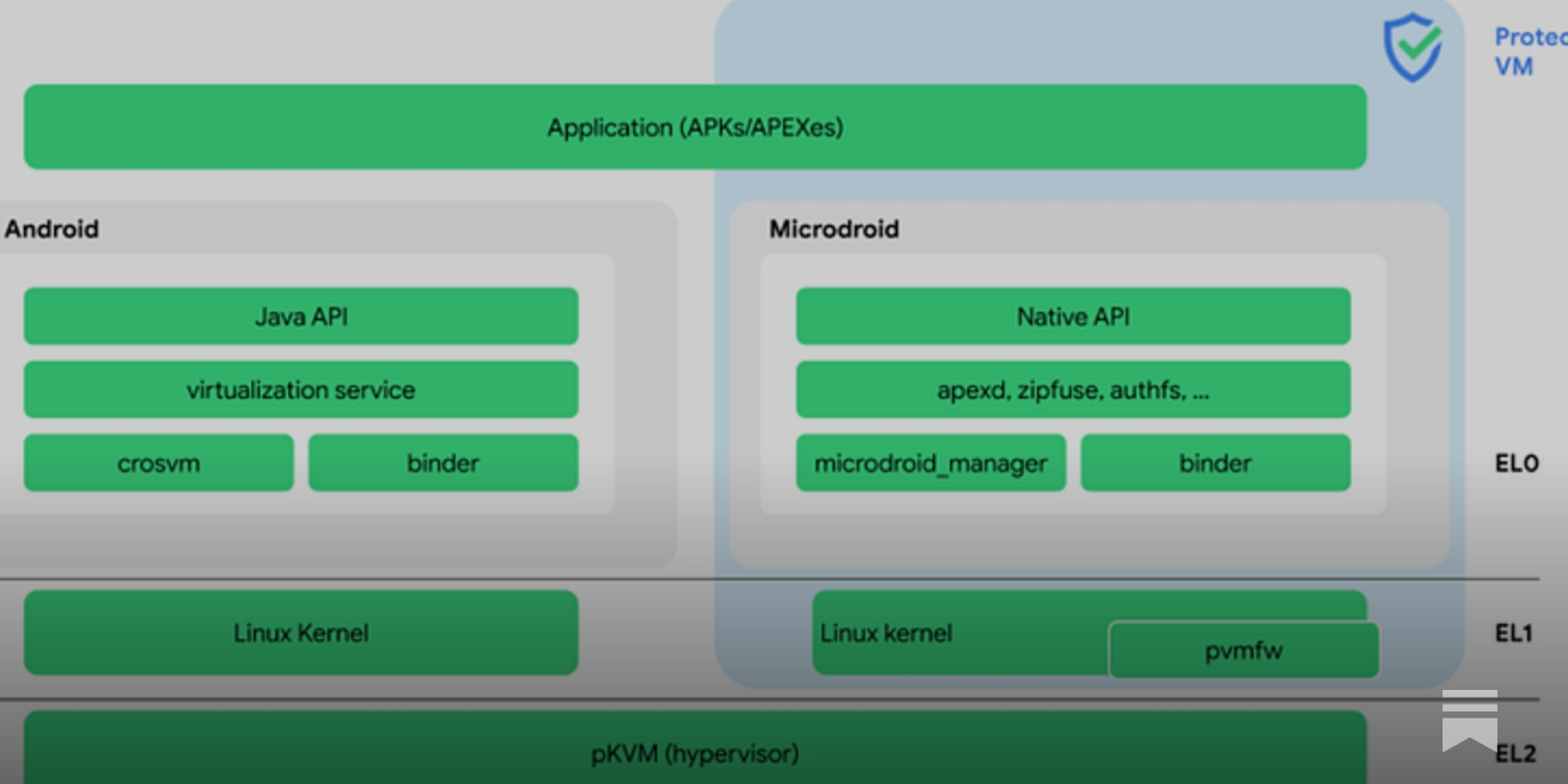
Why AVF?
AVF and pKVM: next-generation Trustworthy Execution Environment for connected products
New physical attacks are quickly diluting secure enclave defenses from Nvidia, AMD, and Intel
On-chip TEEs withstand rooted OSes but fall instantly to cheap physical attacks.

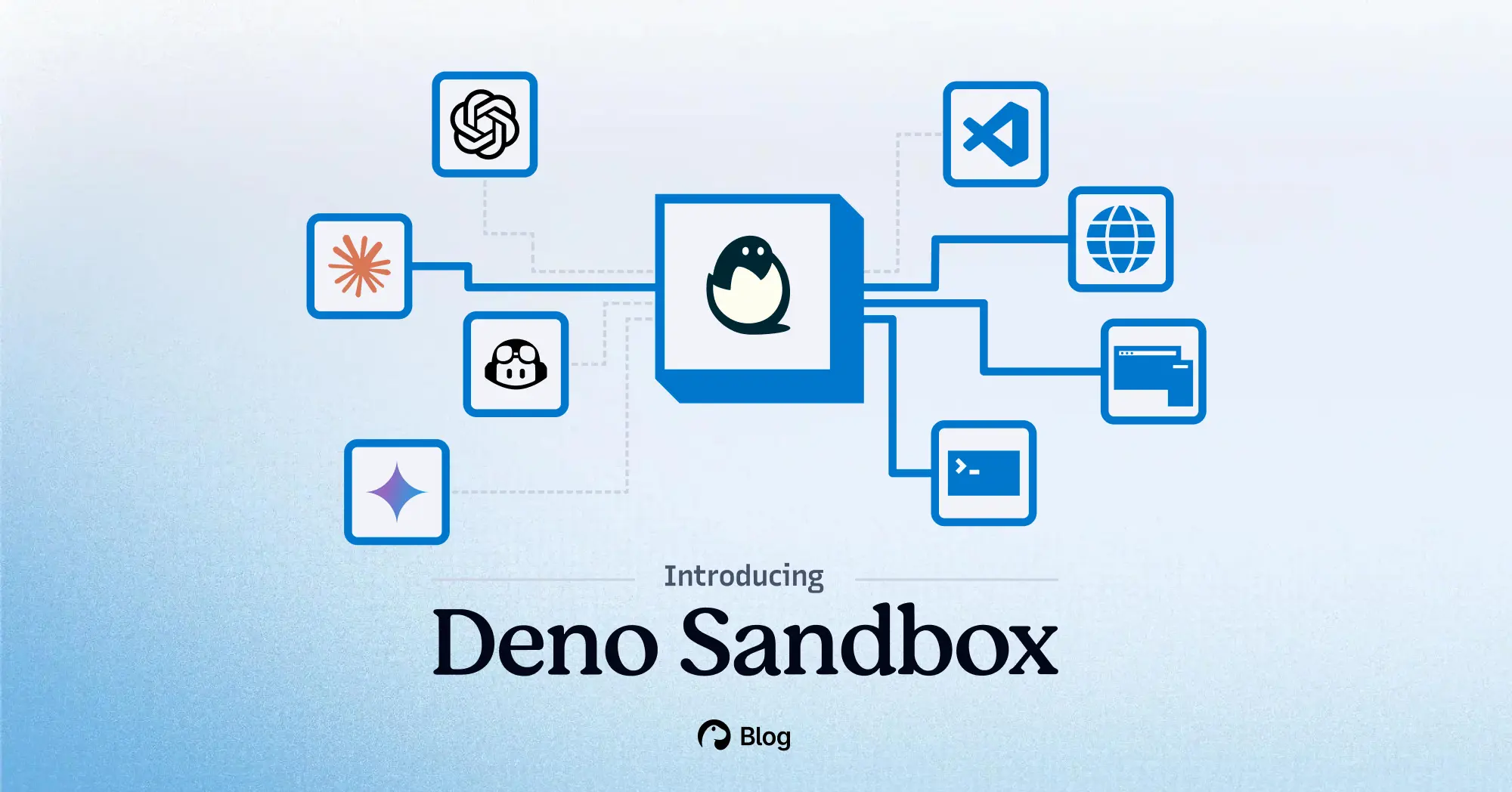
Introducing Deno Sandbox | Deno
Instant Linux microVMs with defense-in-depth security for running untrusted code.
libkrun/libkrun
A dynamic library providing Virtualization-based process isolation capabilities
SGX.Fail
Intel's Software Guard Extension (SGX) promises an isolated execution environment, protected from all software running on the machine. In the past few years, however, SGX has come under heavy fire, threatened by numerous side channel attacks. With Intel repeatedly patching SGX to regain security, we set out to explore the effectiveness of SGX's update mechanisms to prevent attacks on real-world deployments.
Tock OS A Rust Based Open Platform for Transparent and Secure Root of Trust Devices
TrenchBoot Anti Evil Maid (current plan - v2) - Dasharo Universe
As Qubes OS users, promoters, and developers, we understand how essential it is to be aware of the latest developments in maintaining the security of your favorite operating system. We're excited to share our plans to integrate the TrenchBoot Project into Qubes OS's new Anti-Evil Maid (AEM) implementation. As you may know, traditional firmware security measures like UEFI Secure Boot and measured boot, even with a Static Root of Trust (SRT), may only sometimes be enough to ensure a completely secure environment for your operating system. Compromised firmware may allow for the injection of malicious software into your system, making it difficult to detect. To overcome these limitations, many silicon vendors have started implementing Dynamic Root of Trust (DRT) technologies to establish a secure environment for operating system launch and integrity measurements. We're excited to take advantage of these advancements through integration with the TrenchBoot Project.
First public macOS kernel memory corruption exploit on Apple M5
Apple spent five years building hardware and software to make memory corruption exploits dramatically harder. Our engineers, working together with Mythos Preview, built a working exploit in five days.
kyju.org
Horribly misusing Rust features to provide provable memory safety and tracing garbage collection for pointer soup.
An Update on OpenTitan
omlx/docs/experimental/dflash_mlx_integration.md at main · jundot/omlx
LLM inference server with continuous batching & SSD caching for Apple Silicon — managed from the macOS menu bar - jundot/omlx
Benchmarks | EXO
Transparent benchmarks for LLMs tested on real hardware. Coming soon.
0xfreysa/trusted-mcp-server
First Trusted MCP server running on AWS Nitro Enclave Trusted Execution Environment
The seL4 Microkernel | seL4
seL4 is both the world's most highly assured and the world's fastest operating system kernel. Its uniqueness lies in the formal mathematical proof that it behaves exactly as specified, enforcing strong security boundaries for applications running on top of it while maintaining the high performance that deployed systems need.
Open Attested Runtimes Explainer
Open Attested Runtimes A New Foundation for User-Controlled Computing Author: Alex Komoroske, with some help from Claude Last Updated: March 26, 2025 Your personal devices are your sovereign territory. You control what software runs, what data is stored, and how your information is used. This ...

Kernel Probes (Kprobes) — The Linux Kernel documentation
Kprobes enables you to dynamically break into any kernel routine and collect debugging and performance information non-disruptively. You can trap at almost any kernel code address [1], specifying a handler routine to be invoked when the breakpoint is hit.