

Spend a few minutes in a place where software users interact with software developers – support forums, dev trackers, face-to-face team meetings – and you’re bound to hear this phrase used (or one of its relatives: I am not [a geek|a developer|a coder|tech-savvy], etc). It’s a statement of fact, and a useful statement at that, since the kind of help offered to a “programmer” is obviously quite different from what’s offered to someone who’s not.
The traits of a proficient programmer
Bridging the gap between competence and proficiency

The Non-Programming Programmer
I find it difficult to believe, but the reports keep pouring in via Twitter and email: many candidates who show up for programming job interviews can’t program. At all. Consider this recent email from Mike Lin: The article Why Can’t Programmers... Program? changed the way I did interviews.
A quote from Andrew Quinn
One could say in the first quarter-century of my life, that while I was always fascinated by programming, I could never overcome the guilt of not really knowing whether the …
Don't Call Yourself A Programmer, And Other Career Advice | Kalzumeus Software
Programming Still Sucks. — Writing
Sorry Peter. — I'm at a birthday party, and while most people here also work in tech, there's always a Guy with a Real Job. You know, a physical job, building some or other thing people need. And this Guy always asks some variant of the same question: aren't you worried AI is taking your job? I glance around and see a few faces turning around toward us, rolling their eyes ever so slightly before returning to their previous conversation. Yes, this question again.
1995 SPECIAL REPORT: "INTERNET HACKERS"
The Most Important Non-Programming Skills for Programmers
Skills for programmers that are so much more important than any language, library, or framework

Ten FOSS Development Fallacies For User Facing Software
This is a list, inspired by the Five Geek Social Fallacies, of common patterns or behaviours that developers of free/open source software (FOSS) fall into when they try to develop software for users who are not technical, or for whom non-technical users would be the most obvious userbase. Hopefully writing these down (which frankly is cathartic more than anything) is helpful to some in recognising these thought patterns and avoiding them when developing software - I’ve got some of my own thoughts on this at the bottom.
On AI Coding and Its Discontents - Cal Newport
Back in January, I received a note from a senior software engineer in Silicon Valley. He described himself as an AI skeptic who became converted ... Read more
We should rethink how we teach people to code | deadSimpleTech
It's fair to say that the tech industry at the moment is not in a good place. Software engineers tend to be detached, demotivated and unwilling to care much about the work they're doing beyond their paycheck. Code quality is poor on the whole, made worse by the current spate of vibe coding and whatever other febrile ideas come out of Sam Altman's brain. Much of the software that we write is either useless or actively hurts people. And the talented, creative people that we most need in the industry are pushed to the margins of it.

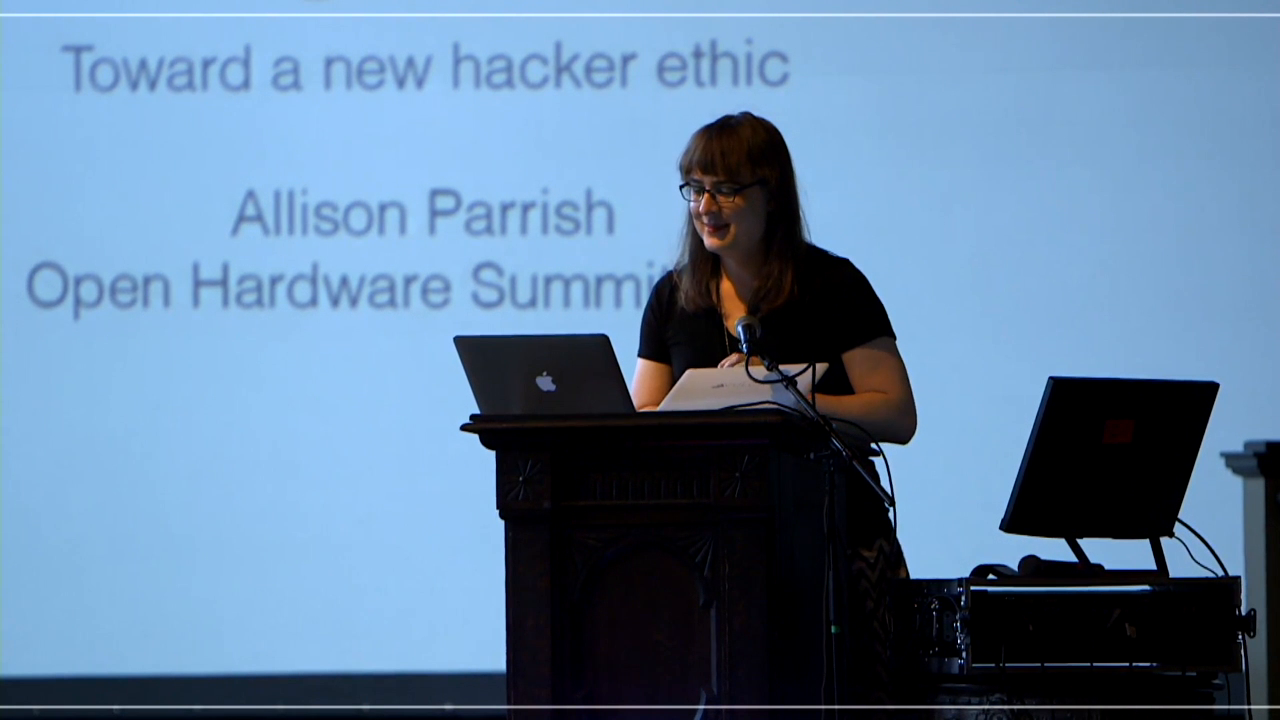
Programming is Forgetting: Toward a New Hacker Ethic - Allison Parrish | Open Transcripts
It's easy to interpret any criticism of the hacker ethic—which is what I'm about to do—as a kind of assault.
Coding After Coders: The End of Computer Programming as We Know It
In the era of A.I. agents, many Silicon Valley programmers are now barely programming. Instead, what they’re doing is deeply, deeply weird.

Coding After Coders: The End of Computer Programming as We Know It
In the era of A.I. agents, many Silicon Valley programmers are now barely programming. Instead, what they’re doing is deeply, deeply weird.
The Local Relational Technologist
Who can we rely on for meaningful software in our communities?
”The distinction between programmer and user is reinforced and maintained by a tech industry that benefits from a population rendered computationally passive. If we accept and adopt the role of less agency, we then make it harder for ourselves to come into more agency.”

always-already-programming.md
gist.github.comBarefoot Developers

Links about letting non-programmers solve their niche problems with personal vibe-coded software.
MCP Apps
A2UI

Gemini Canvas — write, code, & create in one space with AI
Claude Artifacts

Introducing Patchwork-26
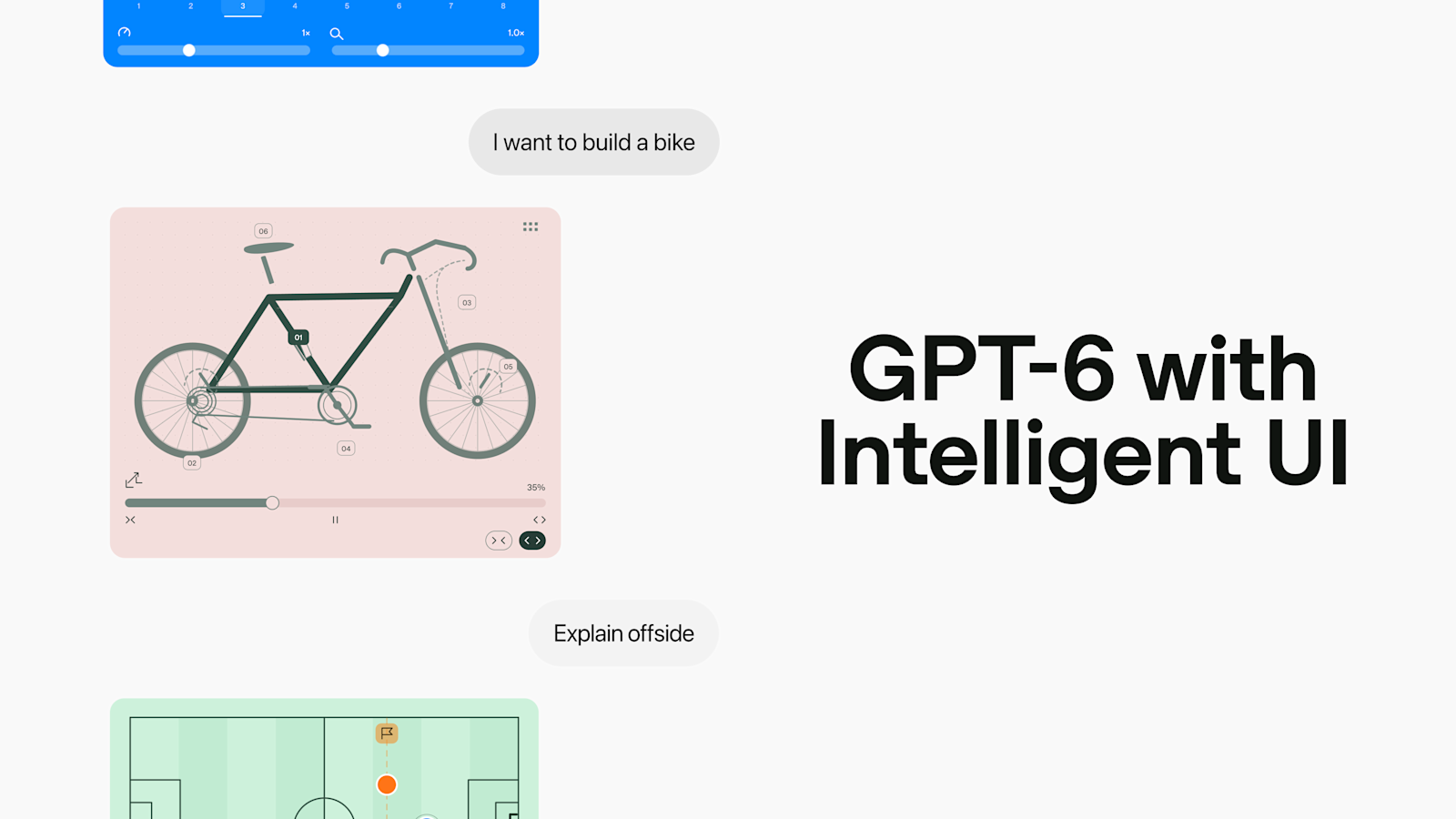
GPT-6 and Intelligent UI for everyone
