

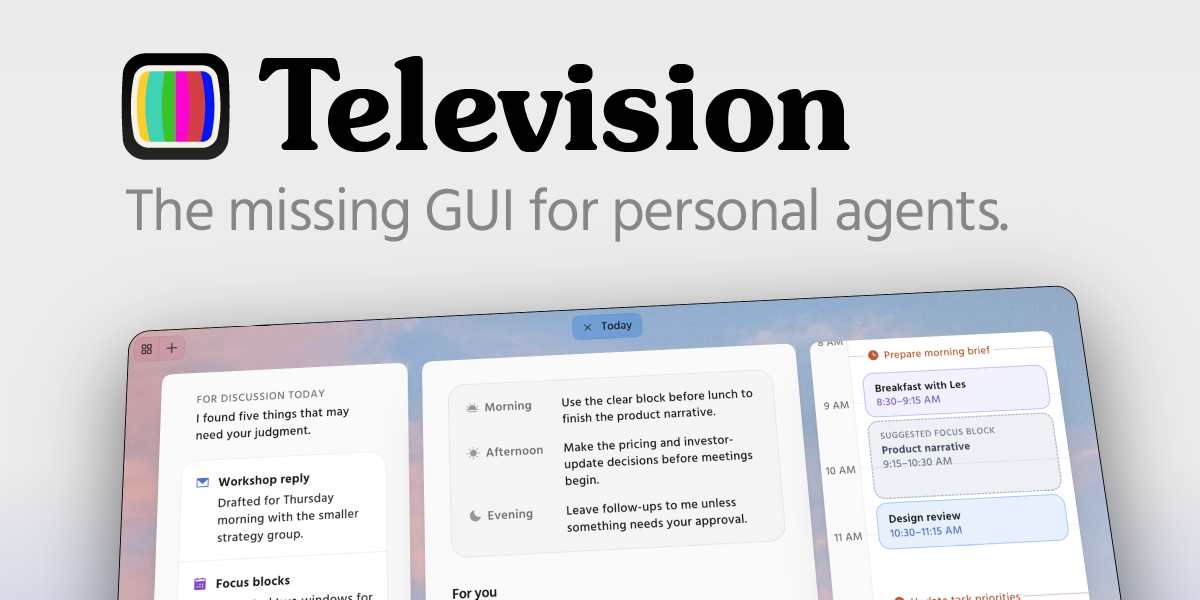
Television is a visual interface for personal agents, a space for creating, arranging, and reusing artifacts.
TV Tropes
TV Tropes, the all-devouring pop-culture wiki, catalogs and cross-references recurrent plot devices, archetypes, and tropes in all forms of media.

Challenges Of Broadcast Television Aspect Ratio Changes - 15 July 2026 04:50 UTC
I find the period where television was transitioning from 4:3 to 16:9 an interesting one. When broadcasting began in 16:9, but people were still actively using 4:3 televisions, broadcasters would commonly either letterbox the content or expect the left and right edges to be cropped. This led to a period where television series direction avoided putting anything too important at the horizontal edges of the frame. Cinema faced similar challenges, and either embraced pan-and-scan, letterboxing, or careful reframing from a wider image.

TV on the internet before YouTube
Just a little note to get this all in one place. This was prompted by my comment here: On-demand was a thing before, but it was mediated through slow, glitchy cable and satellite boxes. There was also a thriving scene of RSS-delivered web TV shows. * The technology (RSS)
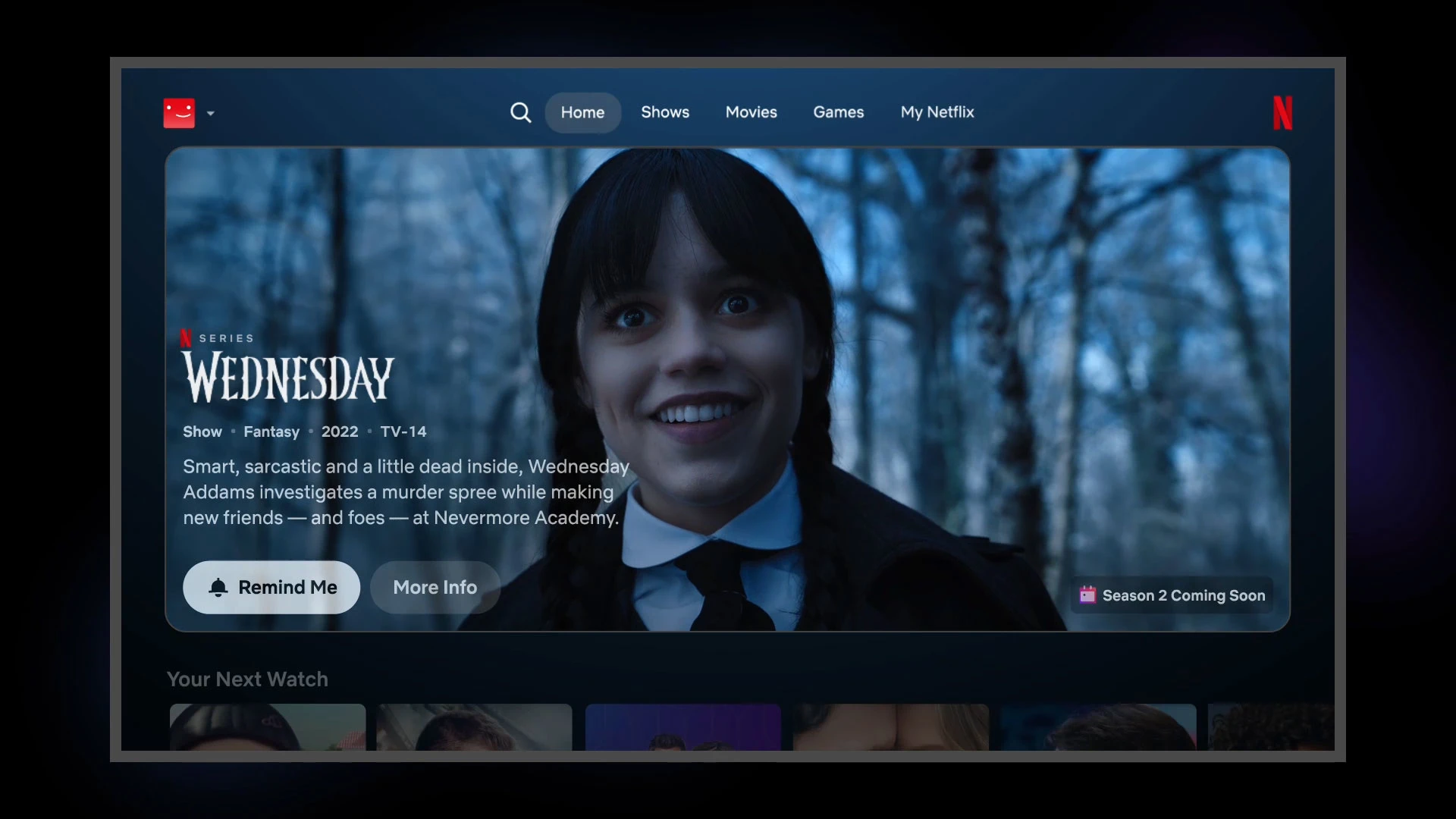
Netflix is getting a big TV redesign and AI search - Fast Company
The new interface aims to better adapt to your mood.
Screen As Room: An Architectural Perspective on User Interfaces — Christoph Locher · Interaction Designer
With the use of video games as social spaces being observed for several years and the increased focus put on virtual social spaces due to the scarceness of physical social spaces in the last months, the concept of “spatial interfaces” is once again at the center of discussions. I want to add an alternative perspective to this, looking at the properties of physical spaces as metaphors, rather than models, for interfaces and exploring seven of them in more detail.
Screen As Room: An Architectural Perspective on User Interfaces — Christoph Locher · Interaction Designer
With the use of video games as social spaces being observed for several years and the increased focus put on virtual social spaces due to the scarceness of physical social spaces in the last months, the concept of “spatial interfaces” is once again at the center of discussions. I want to add an alternative perspective to this, looking at the properties of physical spaces as metaphors, rather than models, for interfaces and exploring seven of them in more detail.
Make It So: Interaction Design Lessons from Science Fiction
Many designers enjoy the interfaces seen in science fiction films and television shows. Freed from the rigorous constraints of designing for real users, sci-fi production designers develop blue-sky interfaces that are inspiring, humorous, and even instructive. By carefully studying these “outsider” user interfaces, designers can derive lessons that make their real-world designs more cutting edge and successful

Presentation API - Web APIs | MDN
The Presentation API lets a user agent (such as a Web browser) effectively display web content through large presentation devices such as projectors and network-connected televisions. Supported types of multimedia devices include both displays which are wired using HDMI, DVI, or the like, or wireless, using DLNA, Chromecast, AirPlay, or Miracast.

216,000,000 Spy TVs | The LG Smart TV Problem
Set Lighting Technician's Handbook : Film Lighting Equipment, Practice, and Electrical Distribution
A friendly, hands-on training manual and reference for lighting technicians in motion picture and television production, this handbook is the most comprehensive guide to set lighting available. It provides a unique combination of practical detail with a big-picture understanding of lighting, technology, safety, and professionalism, essential to anyone doing motion picture lighting. The fifth edition delves into every aspect of lighting and features vastly expanded sections on controlling LED lights, color science, lighting control systems, wireless systems, Ethernet-based control systems, battery power, and modern set protocol for productions small and large. With a generous number of original images, the book illustrates the use of soft light, the effect of lighting angles, and how the gaffer and DP build an effective lighting plan around the blocking of the actors. This encyclopedic volume of technical knowhow is tempered with years of practical experience and a much-needed sense of humor.This is the ideal text for professional lighting technicians across film and television including lighting directors, gaffers, DOPs, and rigging crews, as well as film and television production students studying lighting, camera techniques, film production, and cinematography.It includes a revamped companion website with supplementary resources, forms, checklists, and images.

ELI5 : What exactly is Aesthetic Visual Analysis?
I am a designer and I recently read about Netflix using an image discovery tool called AVA to generate frames from the content on their platform…
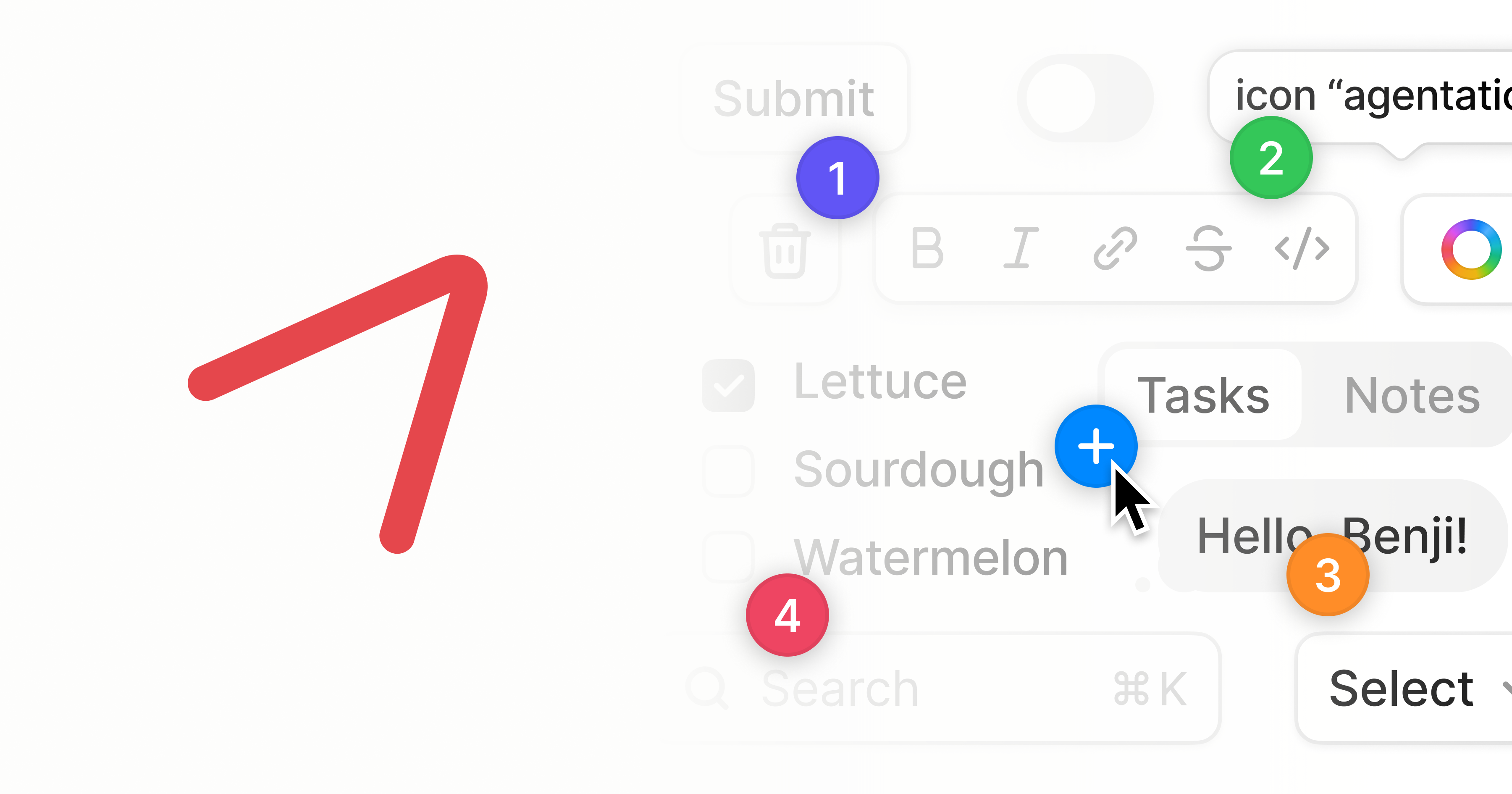
Television is the missing GUI for personal agents, created by me and the team at @telepathinc.bsky.social. It will be open-source, but in the meantime we're inviting early users to our private alpha. lmk if you want to try it out!

Telepath
Introducing Television, the missing GUI for personal agents. Television is a visual workspace for you and your agent, and our first step toward a new interface paradigm for agentic computers. Now accepting alpha users, open source soon.
