[This is a guest post by Nestor Guillen, crossposted from his blog. This blog post was initially written in a different file format and converted using AI. — T.] Keywords: LLMs, cultural tech…
Faulty Towers, vibe sickness, and the vibe bobsled -- Dustycloud Brainstorms
I know. As if what the world needed was yet another blogpost about LLMs and AI tech. Yet there is a pile of things which have been on my mind, and I haven't seen them laid out elsewhere in the way I'm going to write them, and so here we go.
How Do We Talk about LLMs?
By Jim Clifford It is never fun to watch friends argue. Generative AI has created multiple fractures across our universities and the community of historians. The stakes are high and we are all deal…

The most important thing when working with LLMs
Blog post: The most important thing when working with LLMs by Steve Klabnik
Why do LLMs make stuff up? New research peers under the hood.
Claude's faulty "known entity" neurons sometimes override its "don't answer" circuitry.

Dan Shipper 📧 on Twitter / X
this is true and is a big reason why you don’t need to be a highly technical researcher to use LLMs in surprising and novel ways https://t.co/TuxNzXzToU— Dan Shipper 📧 (@danshipper) July 27, 2025
Brandon Stewart on Twitter / X
1/ New @Nature! We study how powerful institutions shape the information environment for LLMs. Commercial LLM training is opaque, so we trace a path from state-coordinated media -> training data -> model responses. pic.twitter.com/5LdFvzbFaf— Brandon Stewart (@b_m_stewart) May 13, 2026

Scientists Say LLMs Appear to Be Acting as a Cognitive Virus Among Humans
AI's wide proliferation shares some striking similarities with the ways viruses spread, as an international team of researchers argue.

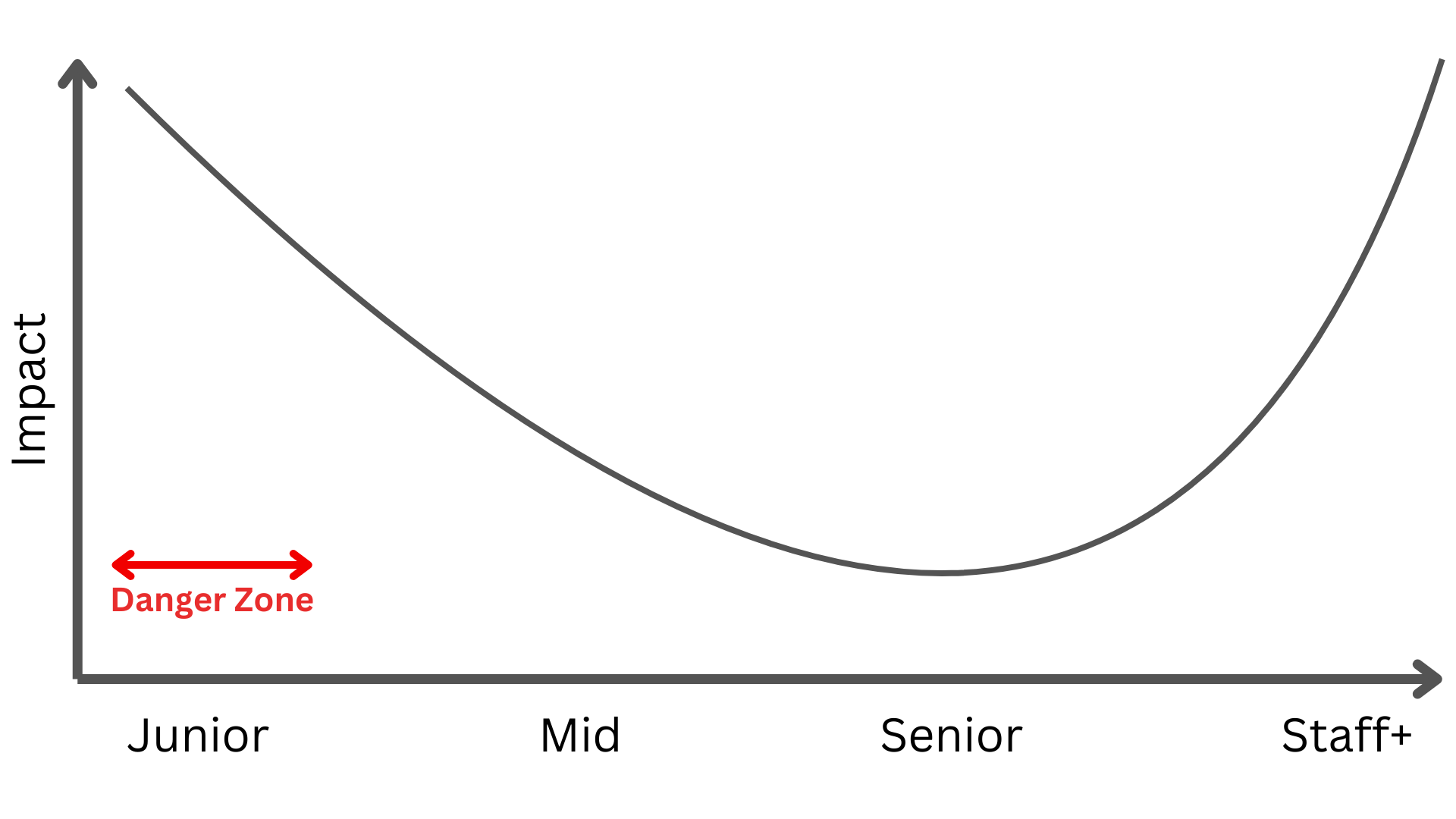
The LLM Curve of Impact on Software Engineers
In this article, I share my personal mental model of how LLMs affect software engineers at different levels, and why this leads to both excitement and scepticism.
Mitigating Cross-Lingual Cultural Inconsistencies in LLMs via...
Despite their impressive capabilities, multilingual large language models (MLLMs) frequently exhibit inconsistent behaviour when the prompt's language changes. While such adaptation is generally...


The two worlds of programming: why developers who make the same observations about LLMs come to opposite conclusions
Writing at the end of the world, from Hveragerði, Iceland
The Ultimate Guide to Fine-Tuning LLMs from Basics to Breakthroughs: An Exhaustive Review of Technologies, Research, Best Practices, Applied Research Challenges and Opportunities (Version 1.0)
What Google Translate Can Tell Us About Vibecoding | off the grid
There has been rather a lot of doomsaying (and perhaps astroturfing) lately about LLMs as the end of computer programming. Much of the discussion has been lacking nuance, so I’d like to add mine. I see claims from one side that “I used $LLM_SERVICE_PROVIDER to make a small throwaway tool, so all programmers will be unemployed in $ARBITRARY_TIME_WINDOW”, and from the other side flat-out rejections of the idea that this type of tool can have any utility.1 I think it best sheds light on these claims to examine them in the context of another field that’s been ahead of the curve on this: translation.
Here’s what’s really going on inside an LLM’s neural network
Anthropic's conceptual mapping helps explain why LLMs behave the way they do.