[This is a guest post by Amit Sahai. This blog post was initially written in a different file format and converted using AI. — T.] When I was an undergraduate student, I remember talking with…
The AI Revolution in Math Has Arrived | Quanta Magazine
AI is being used to prove new results at a rapid pace. Mathematicians think this is just the beginning.
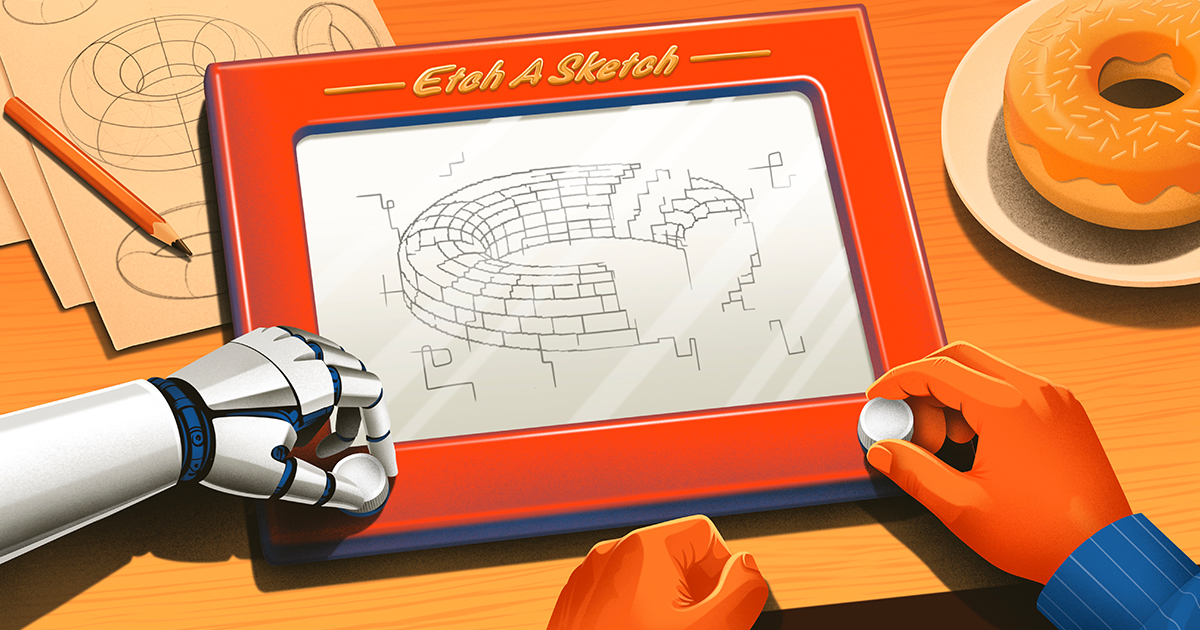
If math is more than proof, we need to better celebrate the rest of it
[This is a guest post by Grant Sanderson. This blog post was initially written in a different file format and converted using AI. — T.] A sentiment echoing throughout the mathematics communit…

Mathematical Beauty, Truth and Proof in the Age of AI | Quanta Magazine
Mathematicians have started to prepare for a profound shift in what it means to do mathematics.
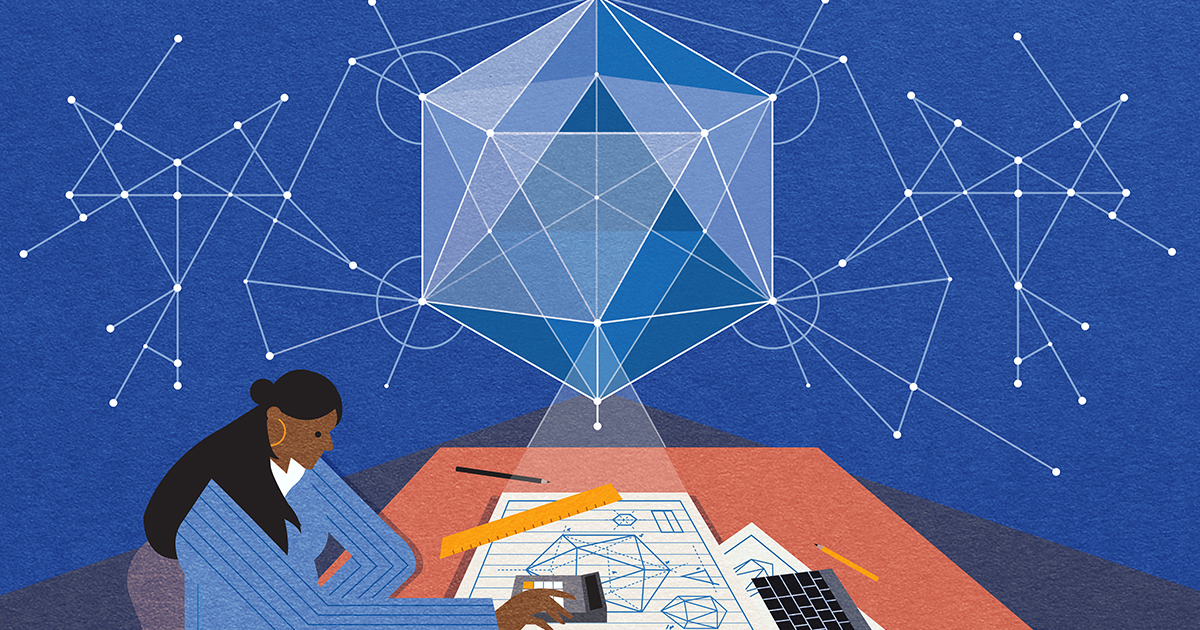
Mathematical discovery in the age of artificial intelligence
In this comment, we consider how artificial intelligence tools are reshaping the way mathematical research is conducted and discuss how future developments of this technology will transform mathematical practice.
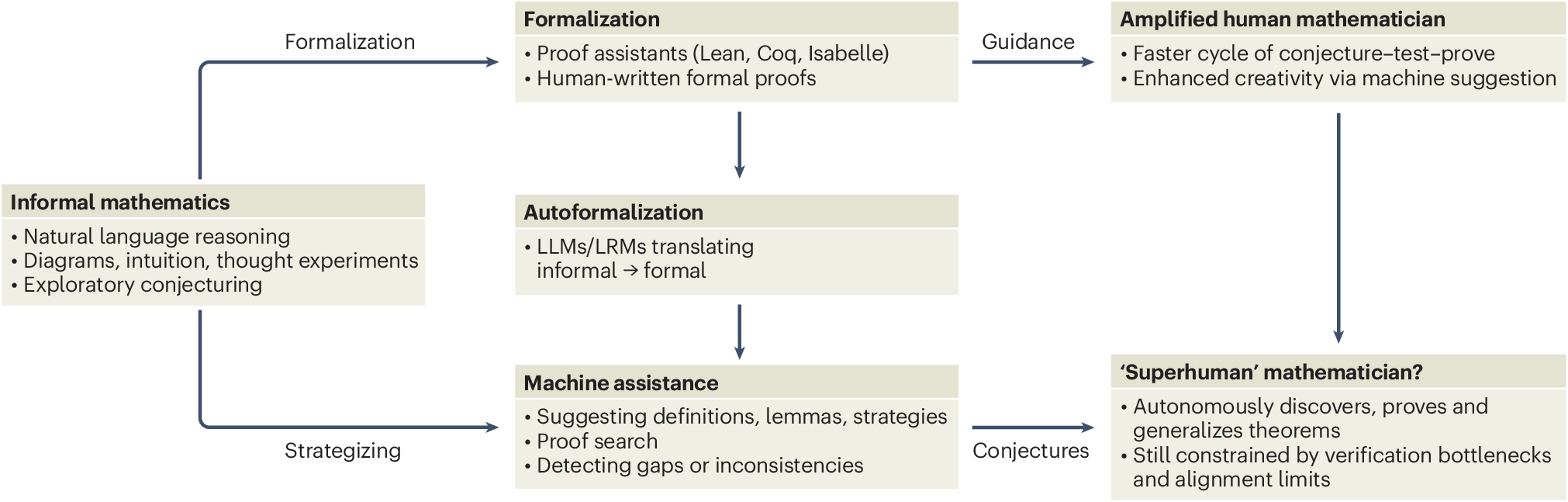
A Severe Misalignment of AI in Mathematics
I am proud to be among the list of 25 initial signatories — all Fields Medallists — to the declaration below, which grew out of discussions between ourselves over the last week. We have…
Mathematicians are grappling with the possibility that AI might eclipse them
I talked to 20 mathematicians about rapid AI progress in their field.
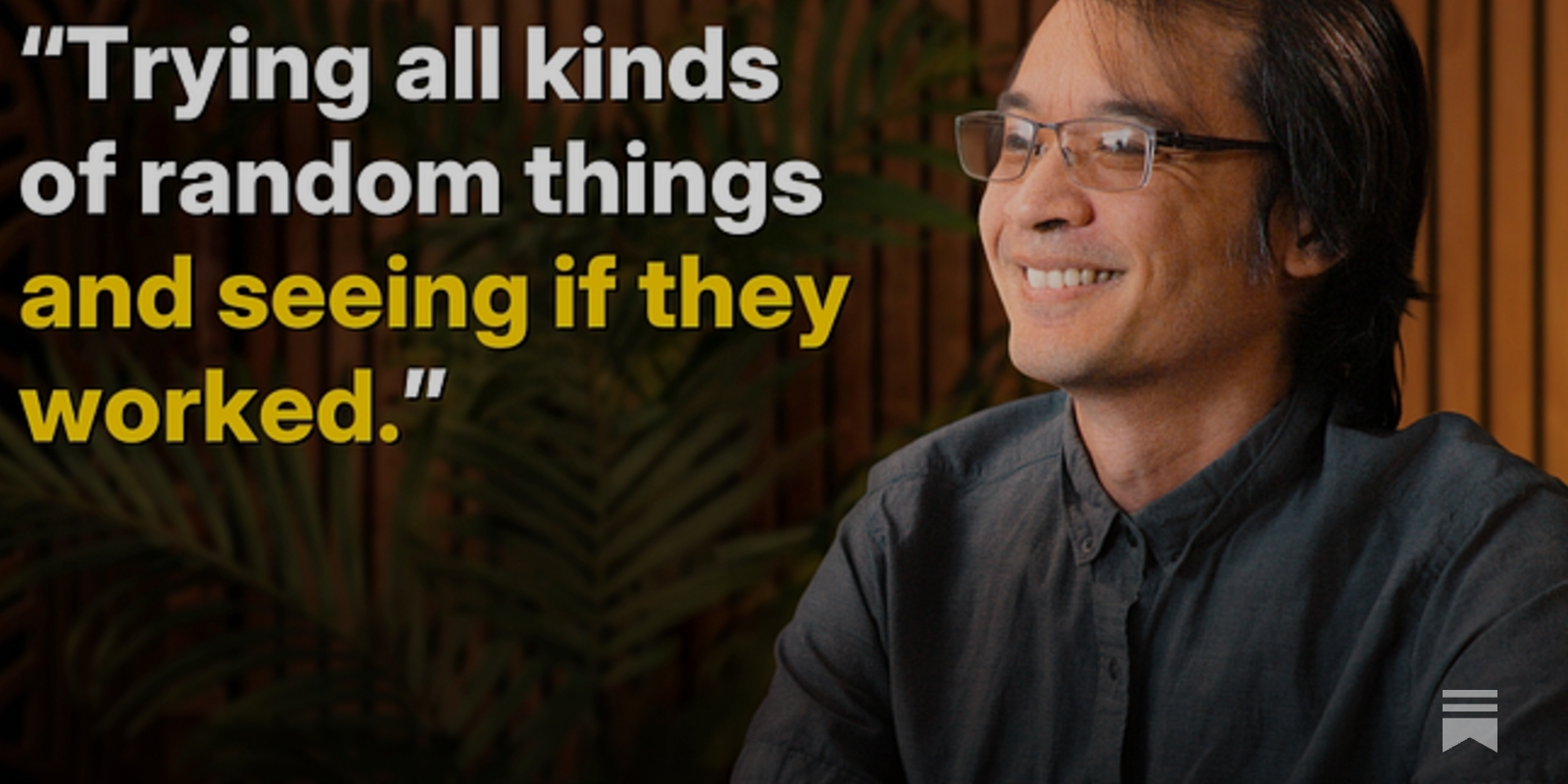
Terence Tao – Kepler, Newton, and the true nature of mathematical discovery
“And what those stories teach us about how AI will revolutionize math”
I’ll write romance novels if AI solves all maths, Chinese Fields winner jokes
As AI models prove they can push the boundaries, mathematicians are grappling with the threat that they could become obsolete.

Embracing AI and formalization: Experimenting with tomorrow’s mathematical tools
Embracing AI and formalization: Experimenting with tomorrow’s mathematical tools. By Jarod Alper
Talia Ringer 🕊🪬 on Twitter / X
Poured my heart and soul into advocating for formal proof with AI assistance in a mathematical setting because of the large collaborations I thought it could empower. (1/3)— Talia Ringer 🕊🪬 (@TaliaRinger) September 10, 2026
Exploring the interplay between AI and human logic in mathematical problem-solving
This paper investigates the dynamic interplay between Artificial Intelligence (AI) and human logic in the domain of mathematical problem-solving. By critically examining a series of case studies, we compare the efficacy of AI-generated solutions, particularly those offered by ChatGPT, against traditional human problem-solving methods. The study employs various mathematical challenges, ranging from abstract logical puzzles to applied numerical problems, to evaluate AI's problem-solving approach and alignment with human cognitive processes. Our analysis highlights instances where AI's computational strategies complement or diverge from human reasoning, shedding light on AI's potential and limitations in deciphering mathematical problems. Furthermore, we explore the implications of integrating AI tools in educational contexts, specifically their role in enhancing students' mathematical problem-solving skills. The paper aims to contribute to the ongoing discourse on the optimal utilization of AI in education, proposing a balanced approach that leverages AI's computational power while fostering the depth and creativity of human logic. Through this comparative study, we advocate for a collaborative model where AI and human reasoning merge to enrich the educational landscape, particularly in the teaching and learning of mathematics.

About - Project Euler
A website dedicated to the fascinating world of mathematics and programming
Tony Feng on Twitter / X
I am a mathematician but I avoided commenting on this because the problems are (far) outside my domain. Even if I sat down to read the technical details (which I have not), it would be hard to appreciate the context of prior work, etc. But I've gotten enough sense of things… https://t.co/VZzosBYFto— Tony Feng (@tonylfeng) August 5, 2026
Mathematical methods and human thought in the age of AI
Artificial intelligence (AI) is the name popularly given to a broad spectrum of computer tools designed to perform increasingly complex cognitive tasks, including many that used to solely be the province of humans. As these tools become exponentially sophisticated and pervasive, the justifications for their rapid development and integration into society are frequently called into question, particularly as they consume finite resources and pose existential risks to the livelihoods of those skilled individuals they appear to replace. In this paper, we consider the rapidly evolving impact of AI to the traditional questions of philosophy with an emphasis on its application in mathematics and on the broader real-world outcomes of its more general use. We assert that artificial intelligence is a natural evolution of human tools developed throughout history to facilitate the creation, organization, and dissemination of ideas, and argue that it is paramount that the development and application of AI remain fundamentally human-centered. With an eye toward innovating solutions to meet human needs, enhancing the human quality of life and expanding the capacity for human thought and understanding, we propose a pathway to integrating AI into our most challenging and intellectually rigorous fields to the benefit of all humankind.

The end of the age of heroes
AI will soon be better at math than any human. What does that mean?