

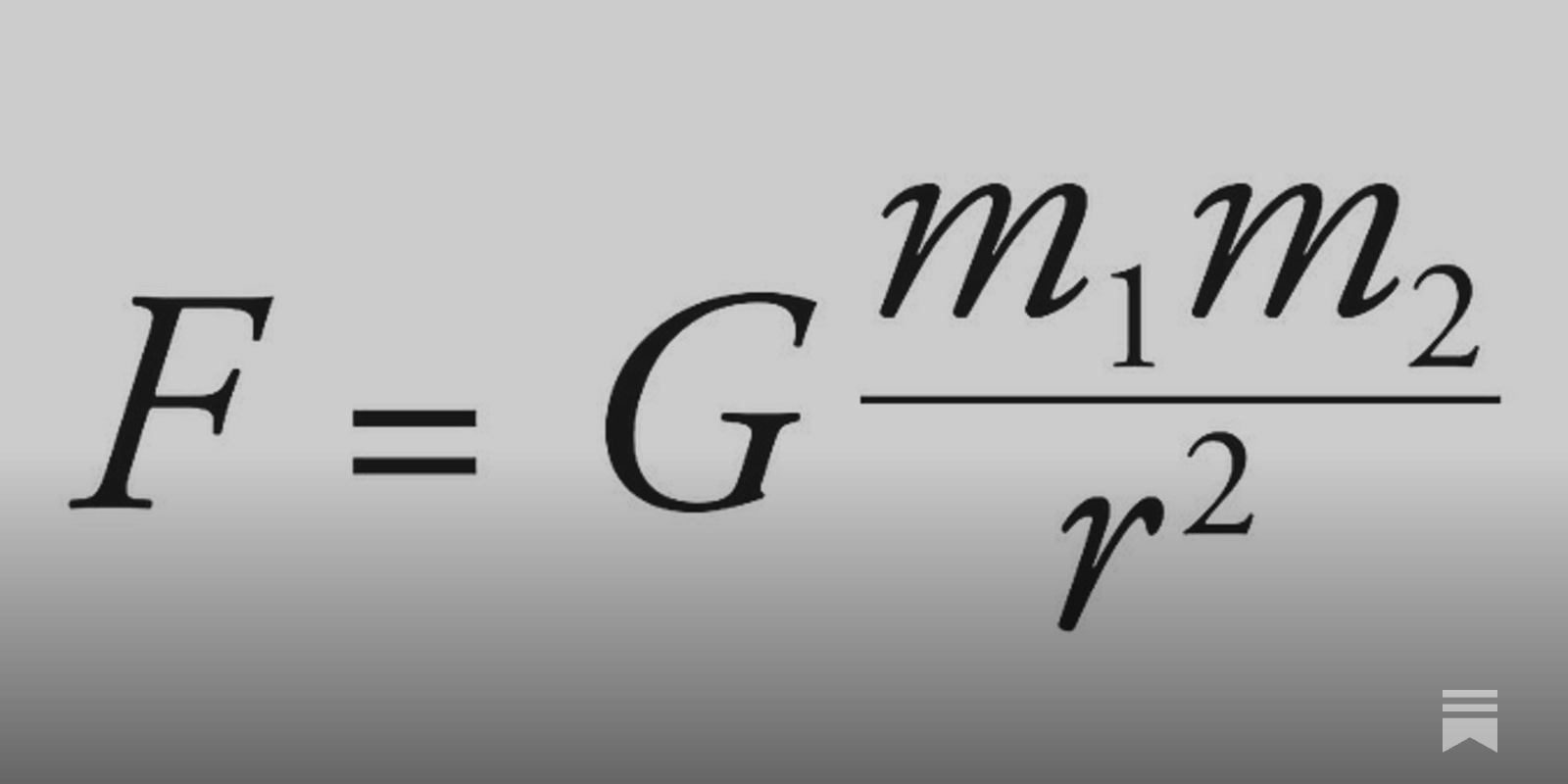
A look at the history of scientific progress through an often unused perspective: the people that actually lived it.
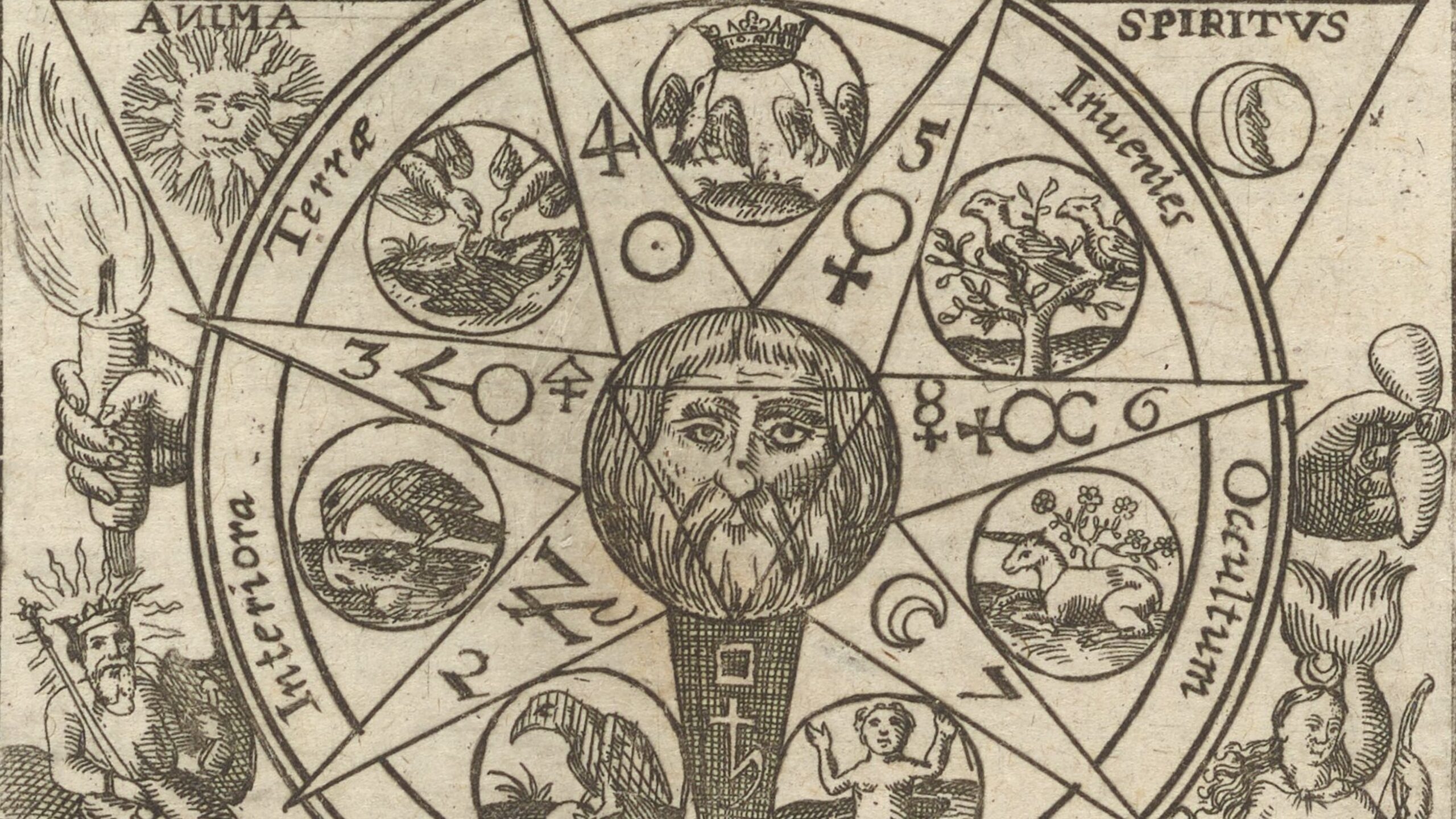
Noam Chomsky - "The machine, the ghost, and the limits of understanding"
Rationality: What It Is, Why It Seems Scarce, Why It Matters by Steven Pinker
In the twenty-first century, humanity is reaching new heights of scientific understanding—and at ...
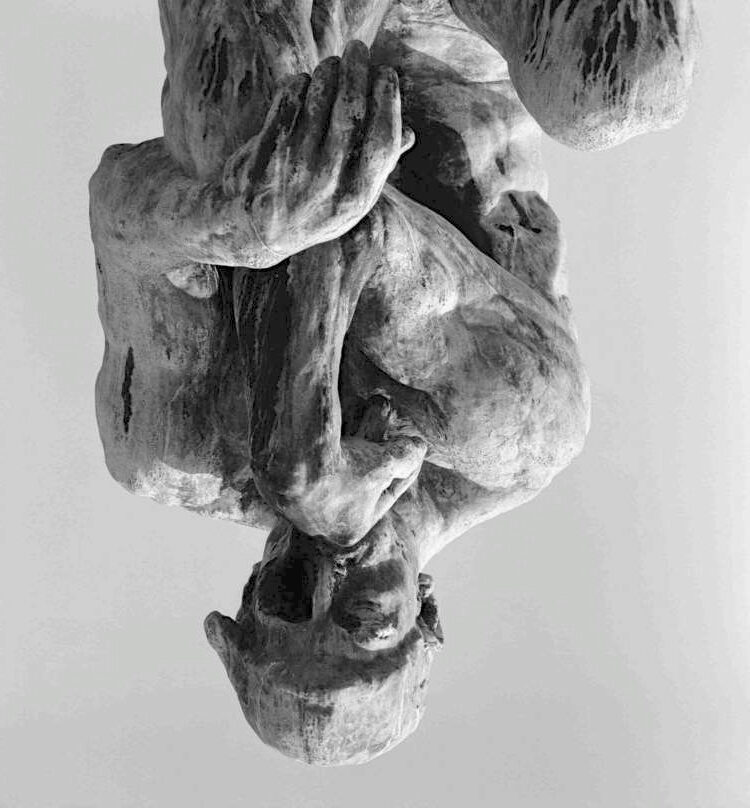
Magnets, magic, and other anomalies : in defense of methodological naturalism
Recent critiques of methodological naturalism (MN) claim that it fails by conflicting with Christian belief and being insufficiently humble. We defend MN by tracing the real history of the debate, contending that the story as it is usually told is mythic. We show how MN works in practice, including among real scientists. The debate is a red herring. It only appears problematic because of confusion among its opponents about how scientists respond to experimental anomalies. We conclude by introducing our preferred approach, Science‐Engaged Theology.
Rationalism: When did we decide that a premise is true if it leads to absurd conclusions? – enfascination
I don’t know how it happened. Maybe the bodystealers murdered Rationality and gave its skinsuit to Madness. My theory is more reserved: I think there was a recent change in the fabric of the universe. Either way, something happened that reductio ad absurdum is no longer a method of falsification. It’s now the sign of a good argument. Today, every visionary idea in Silicon Valley, from “cure for death” longevity research, through the full gamut of AI speculation, to Dark Right social accelerationism, stands on the new standard of logical proof: that a premise is true if it leads to absurd conclusions.
The Periodic Table of Cognition
I’ve been studying the early history of electricity’s discovery as a map for our current discovery of artificial intelligence. The smartest people alive back then, including Isaac Newton, who may have been the smartest person who ever lived, had confident … Continue reading →

What stories should we tell about scientific progress now?
In search of the mysterious fruits of basic science

Guest post: If you’re going to critique science, be scientific about it
Loren K. Mell Editor’s note: This post responds to a Feb. 13 article in The Atlantic, “The Scientific Literature Can’t Save Us Now,” written by Retraction Watch cofounders Adam Marcus and Ivan Oran…

The Philosophical Implications of the Second Scientific Revolution
Notes from my history of philosophy course lecture on Darwin, Maxwell, Einstein, and Bohr
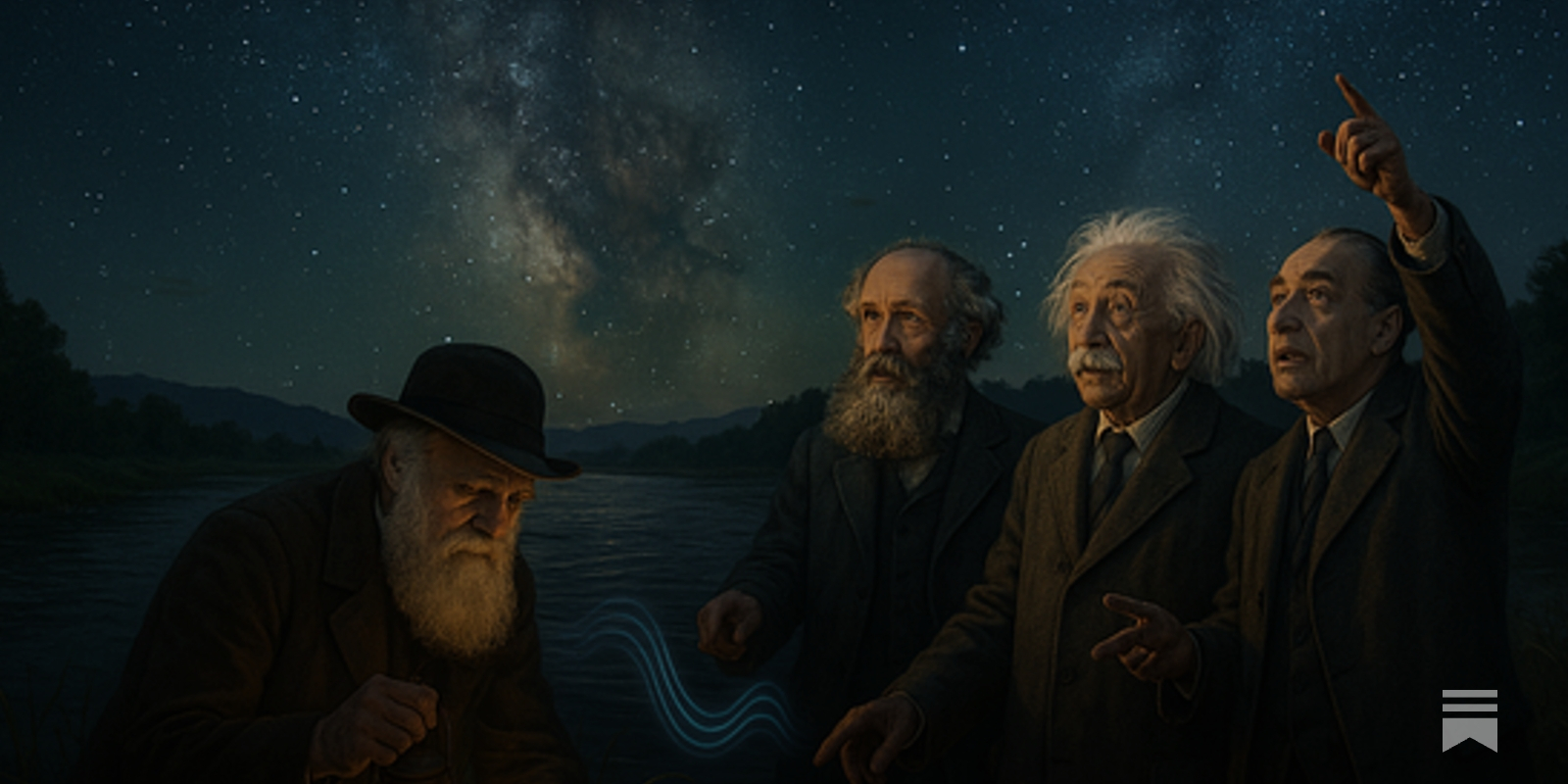
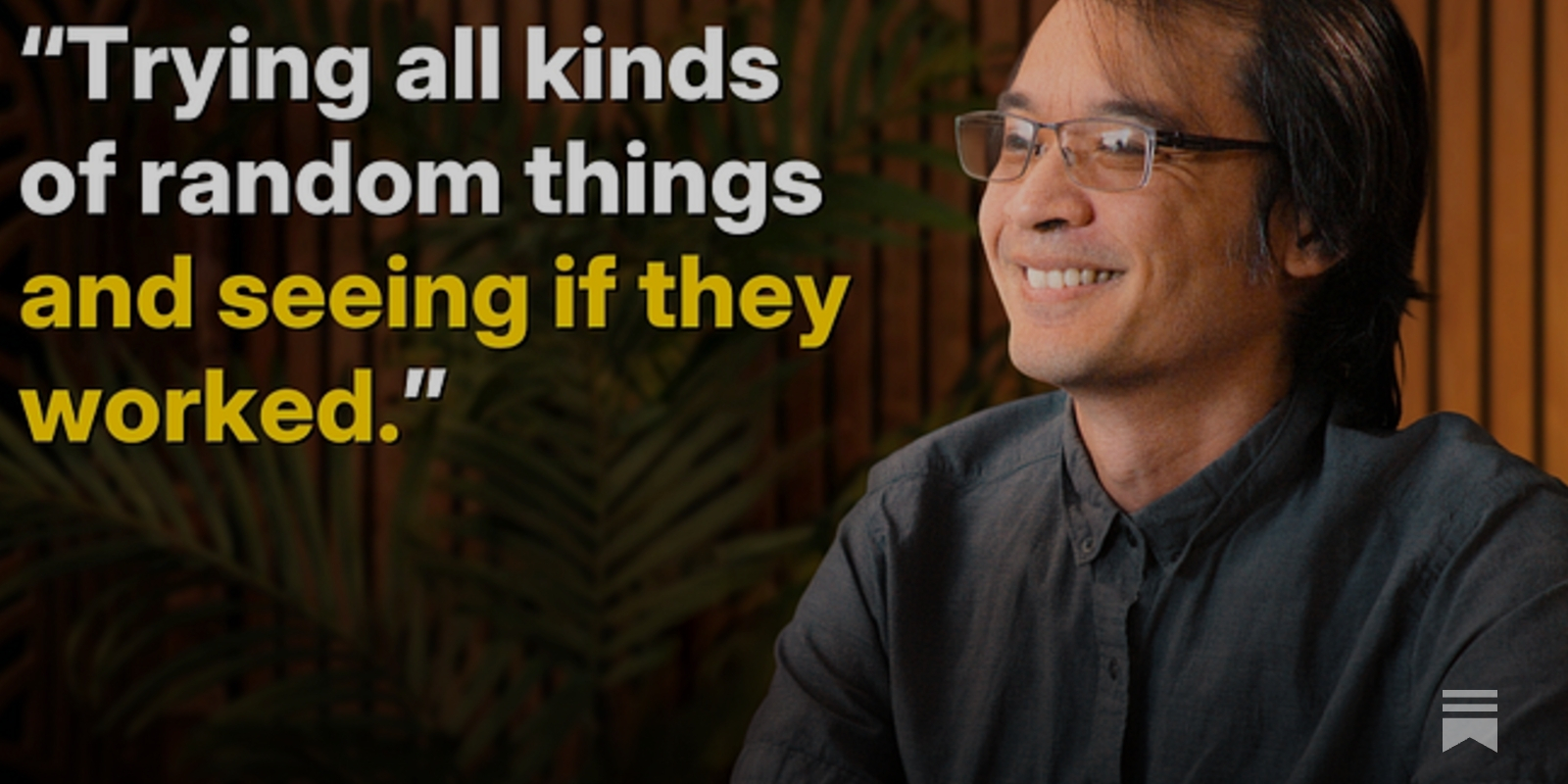
Terence Tao – Kepler, Newton, and the true nature of mathematical discovery
“And what those stories teach us about how AI will revolutionize math”
Theorizing the Human Sciences in the Age of Absolute Disruption: Historical Criticism and Its Remainders | The Journal for Cultural and Religious Theory | JCRT
Adam DJ Brett reads Jason Ānanda Josephson-Storm’s trilogy — The Myth of Disenchantment, Metamodernism, and The Genealogy of Genealogy — as one project asking whether a thing exists, how it arose, what grounds our claims

The People’s Science: A Call for Justice Based Ethics for the March for Science & Beyond
ABSTRACT: In the midst of rising overt fascism scientists have come together to organize a march on Washington in defense of science. Science has been championed as the way forward but I caution t…

Accelerationism: how a fringe philosophy predicted the future we live in
The long read: The world is changing at dizzying speed – but for some thinkers, not quickly enough. Is accelerationism a dangerous idea or does it speak to our troubled times?
Accelerationism: how a fringe philosophy predicted the future we live in
The long read: The world is changing at dizzying speed – but for some thinkers, not quickly enough. Is accelerationism a dangerous idea or does it speak to our troubled times?
The phony comforts of useful idiots
On Casey Newton and the shallowness of anti-skepticism.

The Science of Why We Don’t Believe Science
How our brains fool us on climate, creationism, and the vaccine-autism link.
