


I think one of the hardest things for me to learn after I became disabled, was when to slow down, and when to ask for help. We talk about the energy cost that comes with living with chronic illness, but accepting it is still a process. Coming to terms with the fact that you can’t […]
Confessions of a Failed Self-Help Guru
I traveled around the country telling strangers how to better their lives—until I learned that the those offering to solve your problems are often the ones who need help.
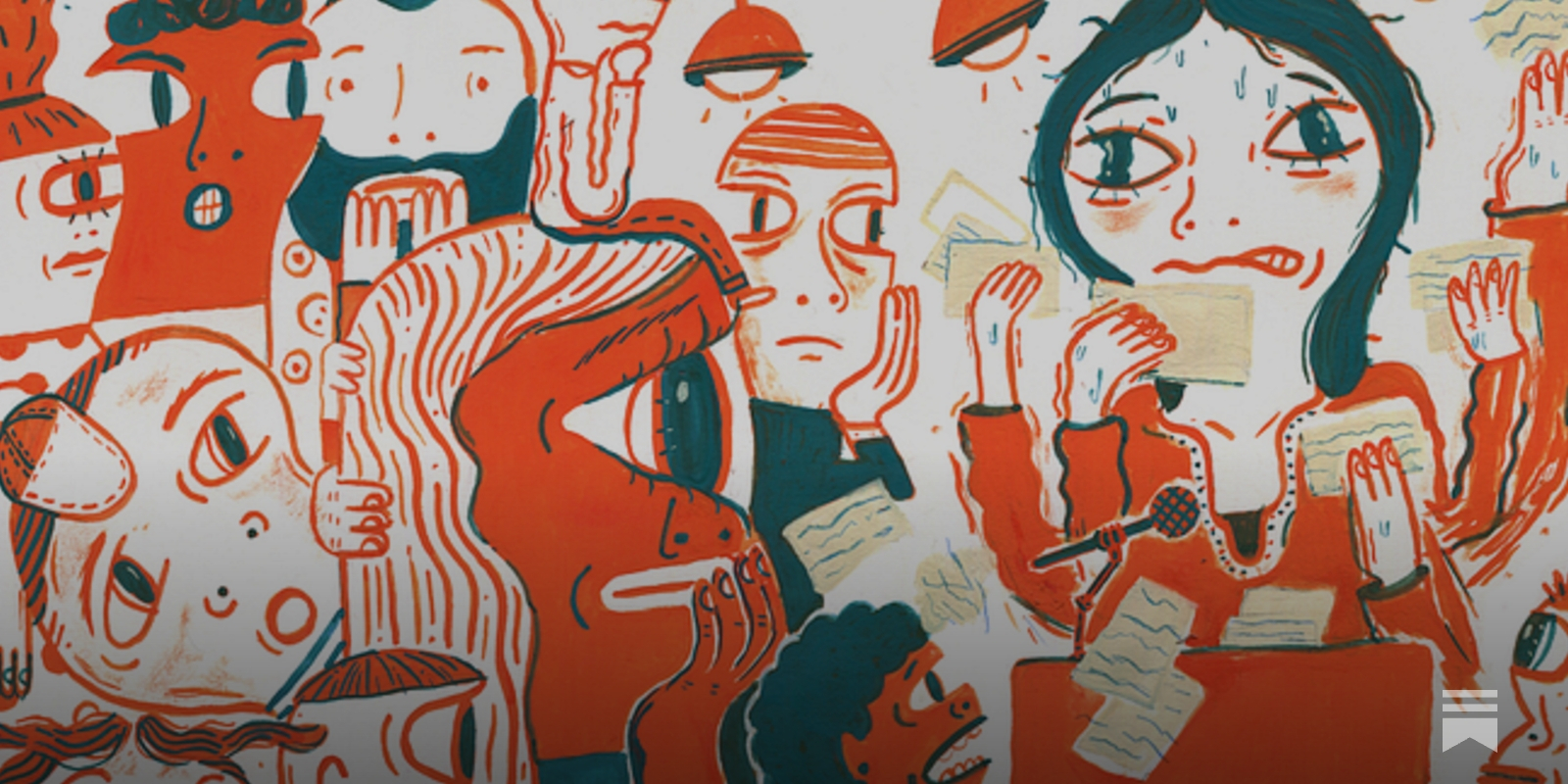
how to support people who have depression
Admit you don’t know what to say Express “I care” Remind them that they matters Check them regularly Ask how I can help, but be specific (“Could I do X?” rather than “How can I help you?“) Encourage them to see professional treatment To listen without interruptions Only claim understanding if you g...

10 Ways to ‘Reach Out’ When You’re Struggling With Your Mental Health
Give people the chance to help you. Give people the chance to surprise you. You deserve that — and my friend did, too.

Exhausting search for solutions to UK’s sharp rise in tiredness
Cost of living crisis, mental health issues and long Covid all thought to be factors, but we still know too little about fatigue
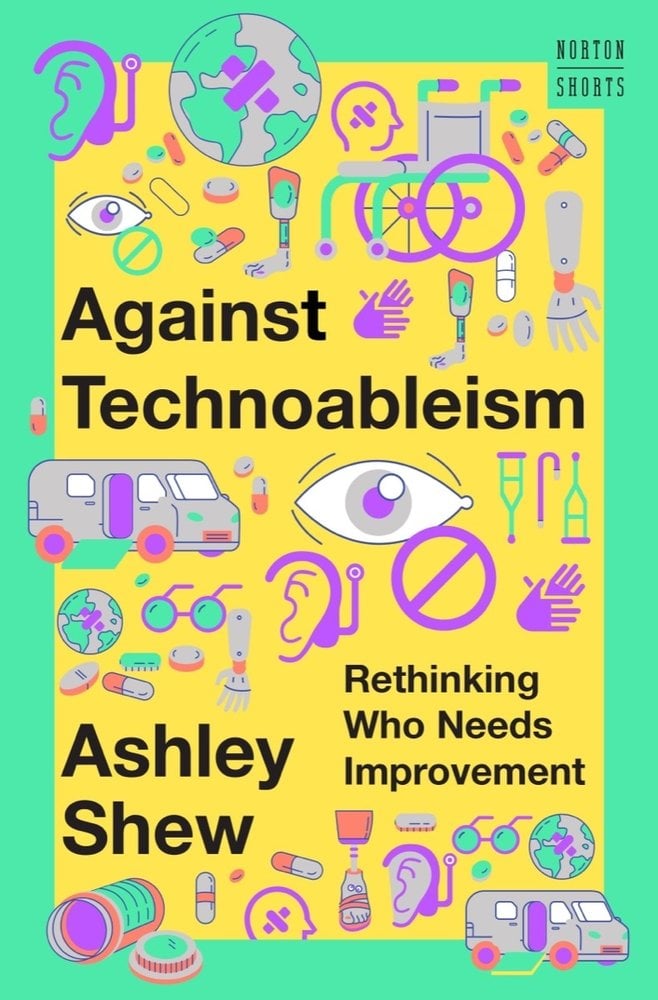
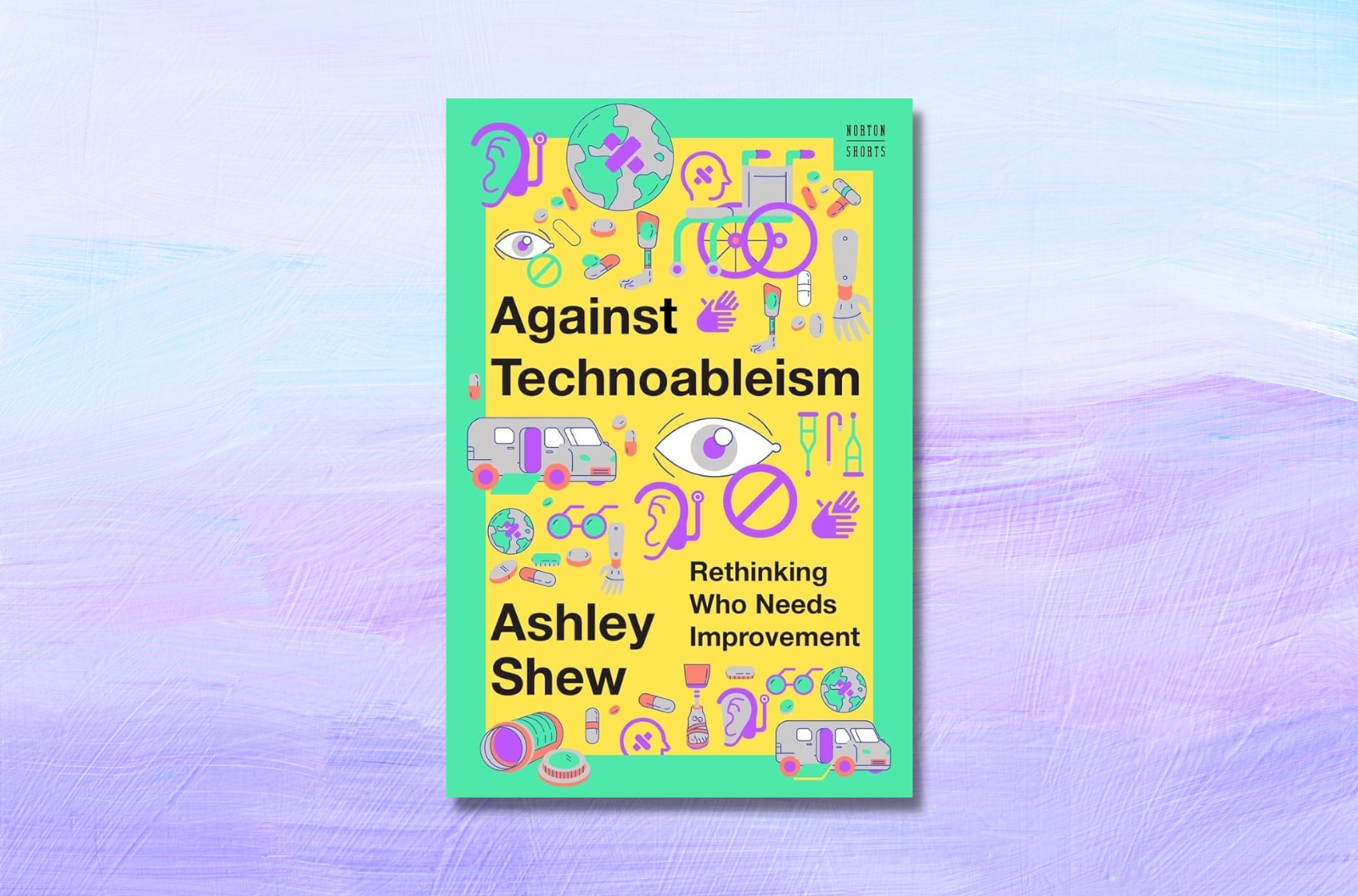
Against Technoableism
When bioethicist and professor Ashley Shew became a self-described "hard-of-hearing chemobrained amputee with Crohn's disease and tinnitus," there was no returning to "normal." Suddenly well-meaning people called her an "inspiration" while grocery shopping or viewed her as a needy recipient of technological wizardry. Most disabled people don't want what the abled assume they want--nor are they generally asked. Almost everyone will experience disability at some point in their lives, yet the abled persistently frame disability as an individual's problem rather than a social one. In a warm, feisty voice and vibrant prose, Shew shows how we can create better narratives and more accessible futures by drawing from the insights of the cross-disability community. To forge a more equitable world, Shew argues that we must eliminate "technoableism"--the harmful belief that technology is a "solution" for disability; that the disabled simply await being "fixed" by technological wizardry; that making society more accessible and equitable is somehow a lesser priority. This badly needed introduction to disability expertise considers mobility devices, medical infrastructure, neurodivergence, and the crucial relationship between disability and race. The future, Shew points out, is surely disabled--whether through changing climate, new diseases, or even through space travel. It's time we looked closely at how we all think about disability technologies and learn to envision disabilities not as liabilities, but as skill sets enabling all of us to navigate a challenging world.
Dismissing chronic illness: A qualitative analysis of negative health care experiences
In the US, medical training is inadequate regarding the symptomatology, prognosis, and treatment for myalgic encephalomyelitis (ME) and chronic fatigue syndrome (CFS). As a result, many physicians lack the appropriate level of knowledge about effective methods for ME and CFS symptom reduction and often suggest inappropriate treatments, such as increased exercise or psychiatric services. The authors’ purpose in this study was to analyze negative patient experiences with health care professionals. Patients with ME and CFS who reported experiencing a dismissive physician attitude were asked to detail the encounter via open-ended response on an international, online survey. Participant responses were thematically coded and analyzed using processes outlined by Patton. Emergent themes related to perceived physician attitudes and how they impact patient wellbeing are described and their implications discussed. Additionally, we highlight suggestions for how the health care system can effectively approach this often marginalized patient group.


Ask Disabled People What They Want. It’s Not Always Technology.
While our lives are deeply entangled with technologies of all kinds, disabled people are almost never included in discussions about technology.
Chronically Ill People Spend a Lot of Time at Home — This Is How They Make It Comfortable
\"We’re always attempting... to be around other people in a way that’s more comfortable for them. And home for me is the place where I don’t have to do any of that.\"

Social Model of Disability | The Paper Pilot
The Paper Pilot's digital garden of thoughts on philosophy, politics, and sociology
Belonging Is a Right, Not a Reward
CW: Ableism Disabled people have been made to prove their worth for too long. Society sees value in work, earnings, or productivity, and anyone who doesn’t meet these standards is expected to…

Mental Wealth
TL;DR • When it comes to mental health, our society approaches it like we did with physical health 50 years ago. We only think about it when something goes wrong. • To the wider public, mental heal…

A therapist’s guide to staying productive when you’re depressed or heartbroken
“We entrepreneurs can’t afford to date,” I half-joked to a friend the other day. “We can’t take sick days when we get our hearts smashed.”

Disability-Driven Development
Psychological ownership interventions increase interest in claiming government benefits
Significance Most government benefits programs exhibit a sizable participation gap, with eligible individuals forgoing billions of dollars in government benefits each year. Many policymakers have focused on addressing this participation gap, as receiving government benefits has been shown to reduce poverty, childhood hunger, educational gaps, and physical and mental illness. The current work presents psychological ownership framing as a behavioral science intervention, and we show that it can help address this benefits participation gap. These interventions are subtle, simple to implement, and cheaper to execute relative to logistical interventions. Moreover, the data show that psychological ownership interventions can be more efficacious than other common psychological interventions such as social norms and urgency. , Each year, eligible individuals forgo billions of dollars in financial assistance in the form of government benefits. To address this participation gap, we identify psychological ownership of government benefits as a factor that significantly influences individuals’ interest in applying for government benefits. Psychological ownership refers to how much an individual feels that a target is their own. We propose that the more individuals feel that government benefits are their own, the less likely they are to perceive applying for them as an aversive ask for help, and thus, the more likely they are to pursue them. Three large-scale field experiments among low-income individuals demonstrate that higher psychological ownership framing of government benefits significantly increases participants’ pursuit of benefits and outperforms other common psychological interventions. An additional experiment shows that this effect occurs because greater psychological ownership reduces people’s general aversion to asking for assistance. Relative to control messages, these psychological ownership interventions increased interest in claiming government benefits by 20% to 128%. These results suggest that psychological ownership framing is an effective tool in the portfolio of potential behavioral science interventions and a simple way to stimulate interest in claiming benefits.

People are using AI for their health crises, and no amount of screaming about it is stopping that. I started slowly drafting a piece about my experiences having long, slow conversations about AI practices in the patient communities I'm in, where I primarily stay just to provide scientific support
