


If you want others to follow, learn to be alone with your thoughts
Solitude and Leadership by William Deresiewicz
Solitude and Leadership was delivered by William Deresiewicz to the plebe class at West Point in October 2009.
On liberty
Introductory -- Of the liberty of thought and discussion -- Of individuality, as one of the elements of well-being -- Of the limits to the authority of society over the individual -- Applications; Book, leather; Explanatory note by H.E. Barker attached; 18

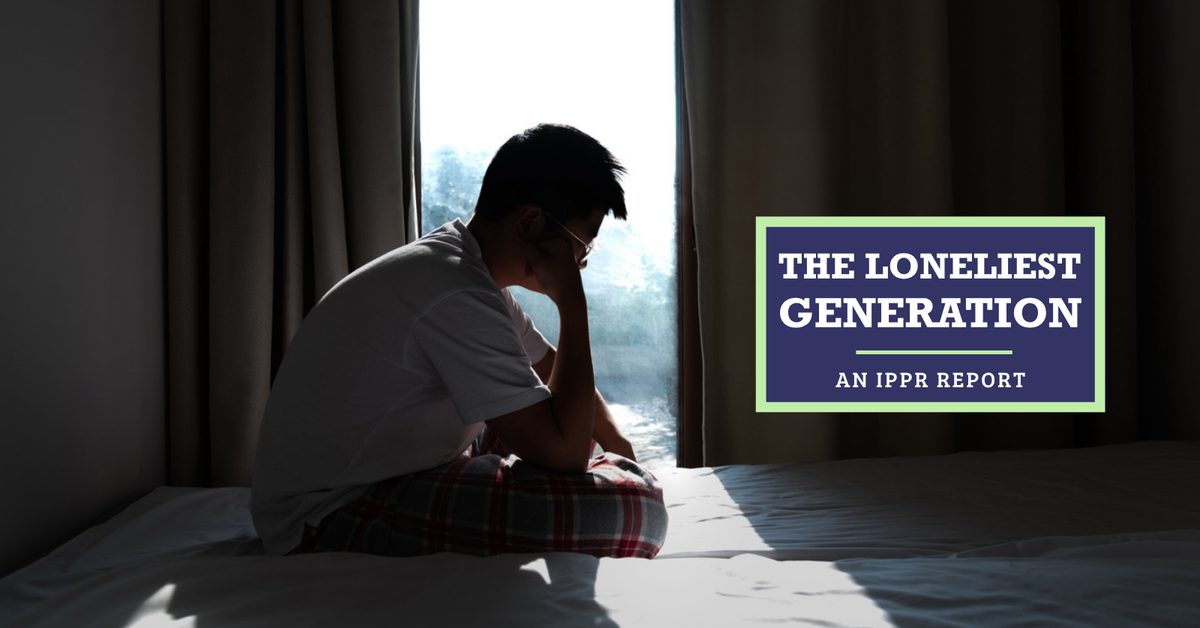
The loneliest generation: What it is like to grow up in England today | IPPR
A connected society is one in which we care about how others are doing and, in turn, others look out for our wellbeing. It is the state and public services
The Inner Life of Liberalism - Aaron Ross Powell’s Blog
The practices that make your life better are the same ones that sustain a free society. It's time liberalism took that seriously.
Intellectual Loneliness
I have a confession to make: I leave most parties early because I'd rather read a book. The world comes to life when I'm surrounded by ideas.

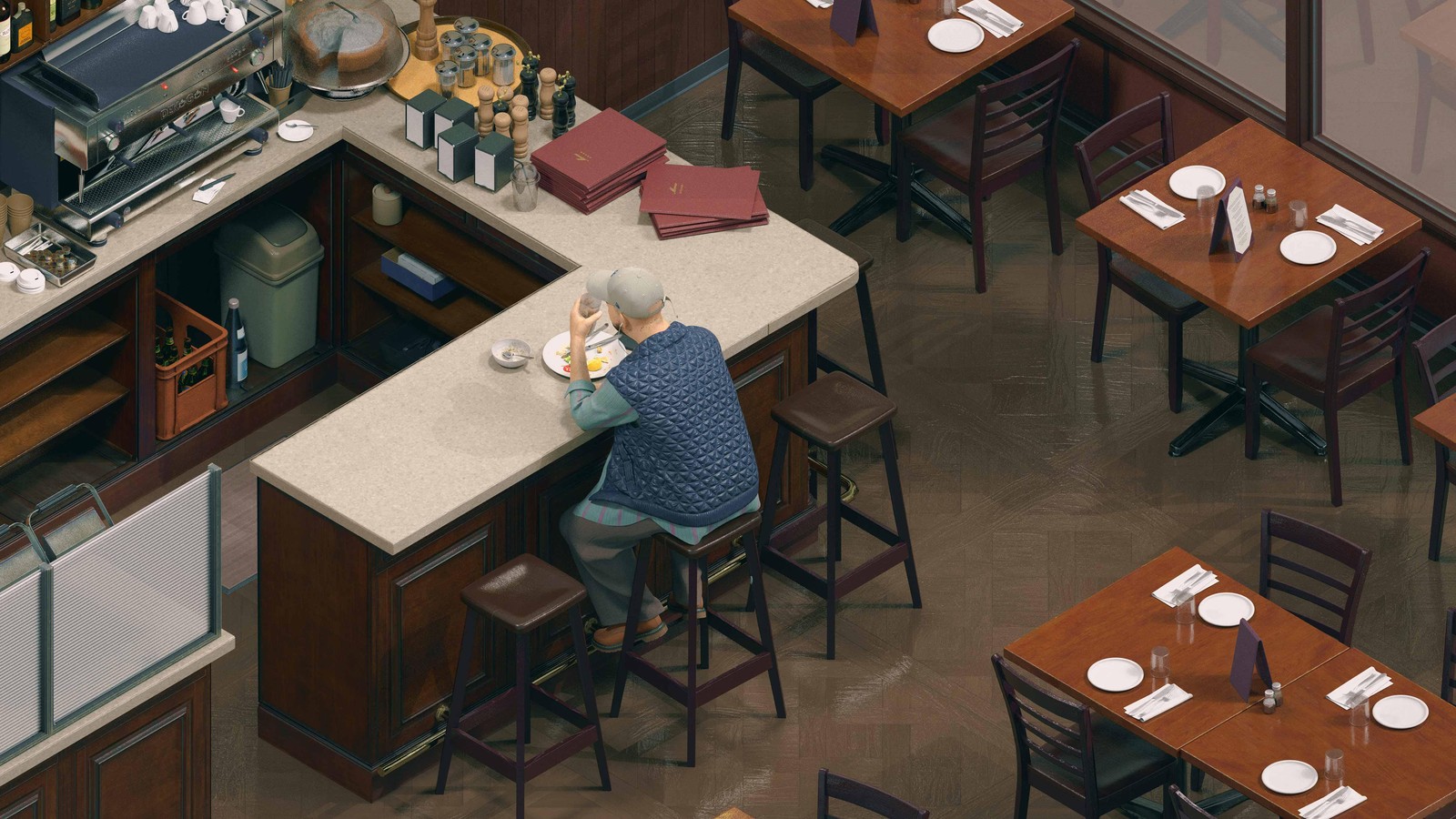
The Anti-Social Century
Americans are now spending more time alone than ever. It’s changing our personalities, our politics, and even our relationship to reality.

Individualism | The Paper Pilot
The Paper Pilot's digital garden of thoughts on philosophy, politics, and sociology
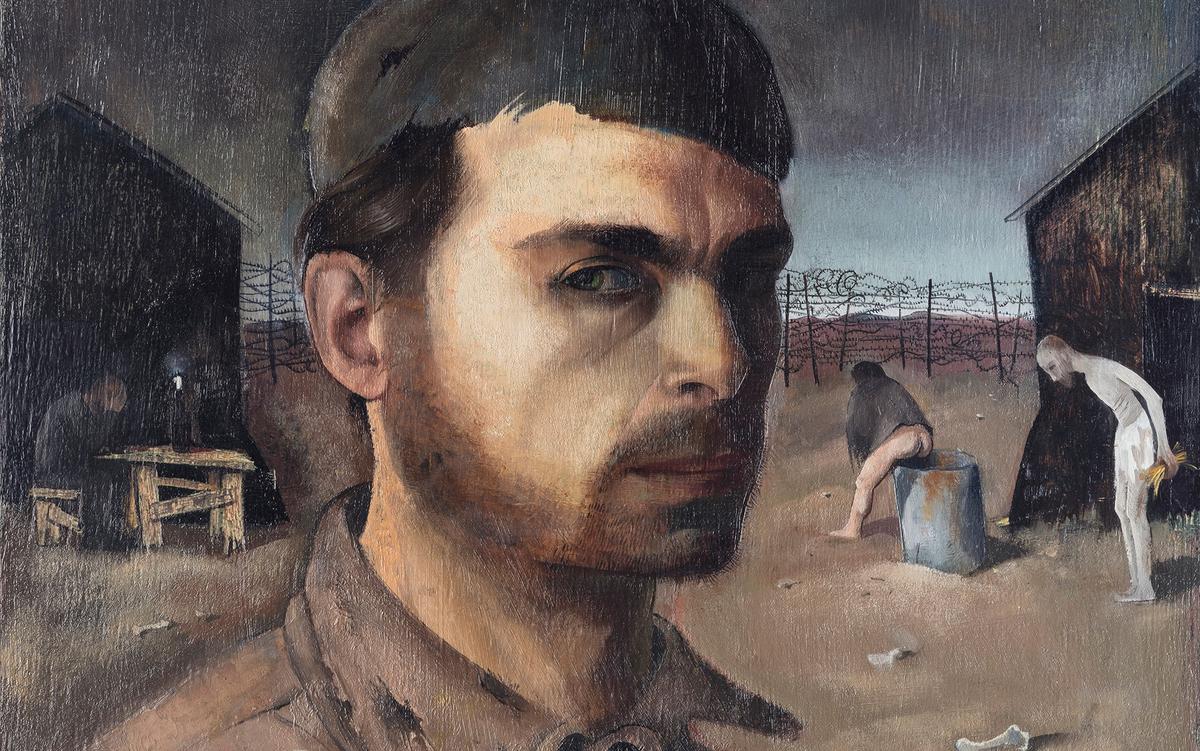
For Hannah Arendt, totalitarianism is rooted in loneliness | Aeon Essays
Hannah Arendt enjoyed her solitude, but she believed that loneliness could make people susceptible to totalitarianism
How we can solve loneliness in America
An expert in loneliness says the U.S. is in a new "social frontier." Here's how we can cope

Wave Goodbye To Solitude: Privacy in Public Under Threat in Colombia
This piece was written by PI Advocacy Officer Matthew Rice.

Being a curious leader
Being a curious leader, by Emma Wilson, explores how curiosity can reshape leadership in research environments. Drawing on personal experience, this piece highlights the value of listening, asking questions, and embracing uncertainty as strengths rather than weaknesses. It reflects on how curiosity, reflexivity, and openness to different perspectives can foster more inclusive, collaborative, and supportive research cultures.
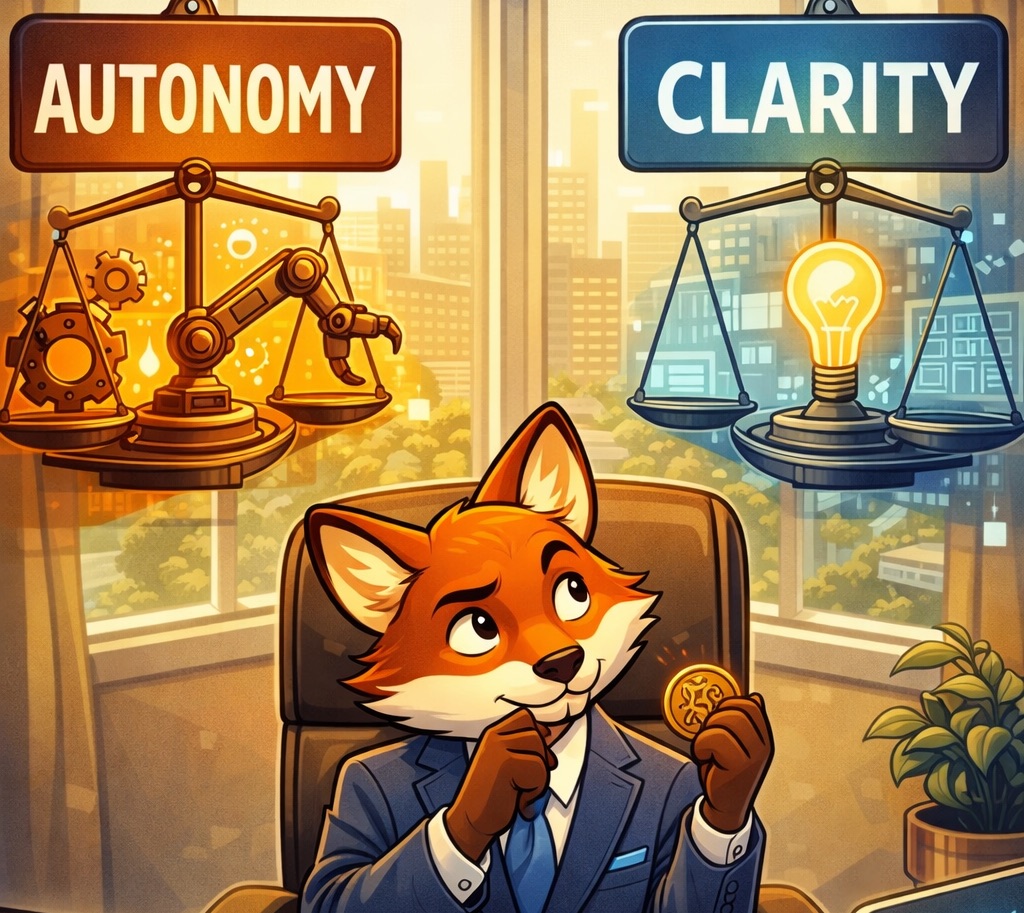
Autonomy and Clarity in Leadership Styles
There’s no one right style of leadership. Use the right style of at the right time.

How being alone may be the key to rest
The results of the world’s largest survey on rest suggest that to feel truly rested, we need to get away from other people.

When we lose shared experiences, we lose humanity Isolationism is the number one issue Isolationism leads to ignorance, ignorance leads to fear, fear leads to hate

Sam Clemente
People are biking by and slowing down as they pass, others walking by stop for a moment to listen, the kids are running around while a big family sits down to dinner The people in cars are oblivious to the purest human experience happening as they drive by