

Chellis Glendinning Notes toward a Neo-Luddite Manifesto 1990

An (accidental?) love letter to the lunkheads
Taking a closer look at the BBC Home Affairs Editor’s gentle coverage of street fascists.

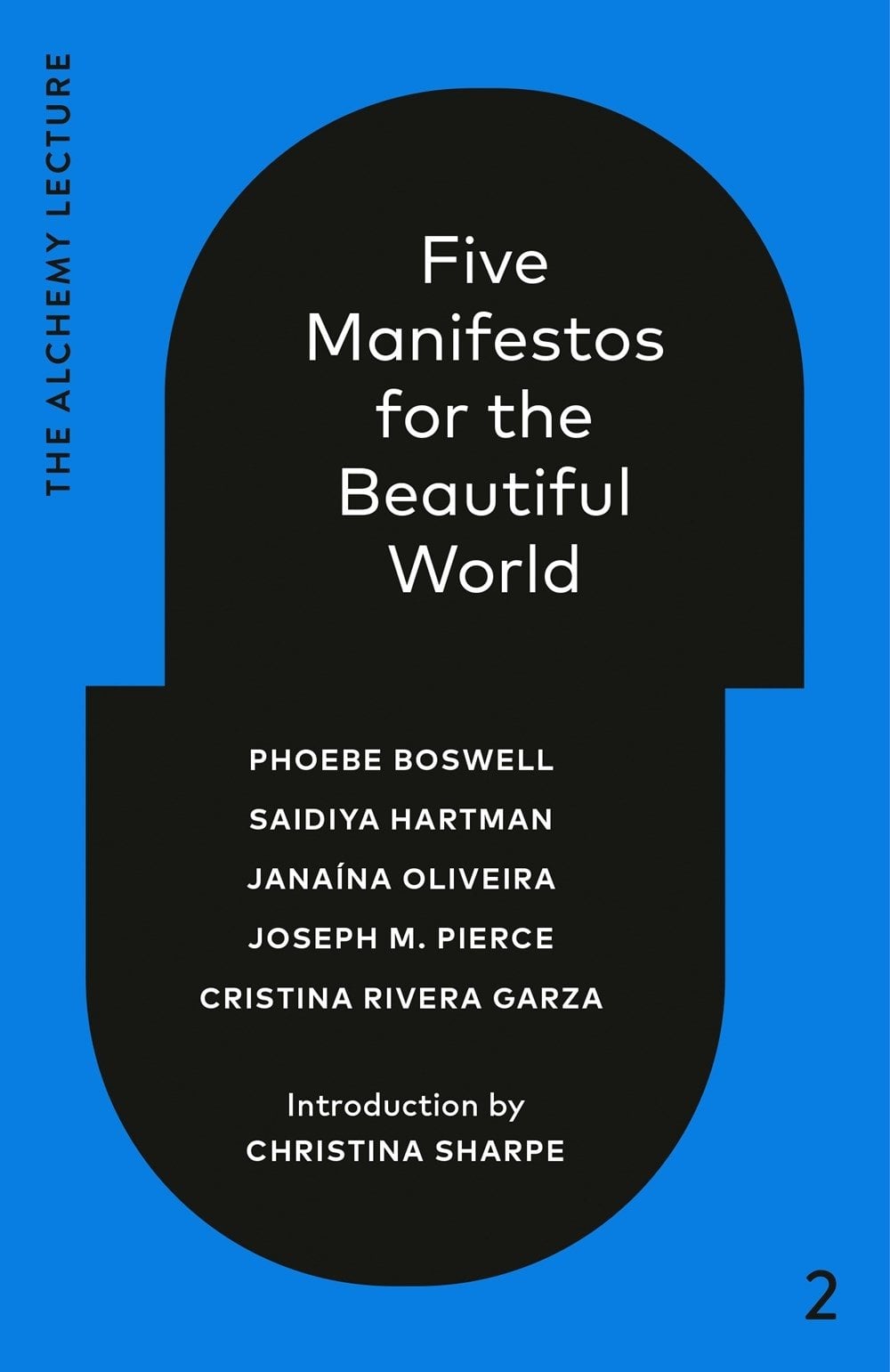
Five Manifestos for the Beautiful World: The Alchemy Lecture 2023
The Alchemy Lecture 2023
Neoliberalism | The Paper Pilot
The Paper Pilot's digital garden of thoughts on philosophy, politics, and sociology
We should all be Luddites now
A review of Brian Merchant's "Blood in the Machine"
Populism, Media Revolutions, and Our Terrible Moment
Making Sense of Open-Source: Ideals, Reality, and What's on the Horizon - December, 3 2025 | Notion
🗓️ Luma event description

What Happened to Liberal Democracy?: Remaking a Politics of Shared Prosperity - FROM THE WINNER OF THE NOBEL PRIZE IN ECONOMICS
'Timely ... an important call to arms' FINANCIAL TIMES'A must-read' THOMAS PIKETTY, author of Capital in the Twenty-First Century'A thoughtful solution to the most important question of modern democracy' JARED DIAMOND, author of Guns, Germs, and Steel'Brilliant and insightful a tour de force' STEVEN LEVITT, author of FreakonomicsFrom its inception, liberalism offered a glittering promise of shared prosperity, equality, democratic values and the free pursuit of knowledge. At first, it flourished. And then it faltered. Once a tantalising beacon of hope, it began to erode and decay at the hands of elitism, intolerance and rising autocracy. One could say that liberalism is broken. So what comes next? Nobel prize-winning co-author of Why Nations Fail Daron Acemoglu charts the rise and fall of liberal democracy, and offers hope for a way forward: a new theory that lays the groundwork for how we can - and must - remake liberalism before it's too late.
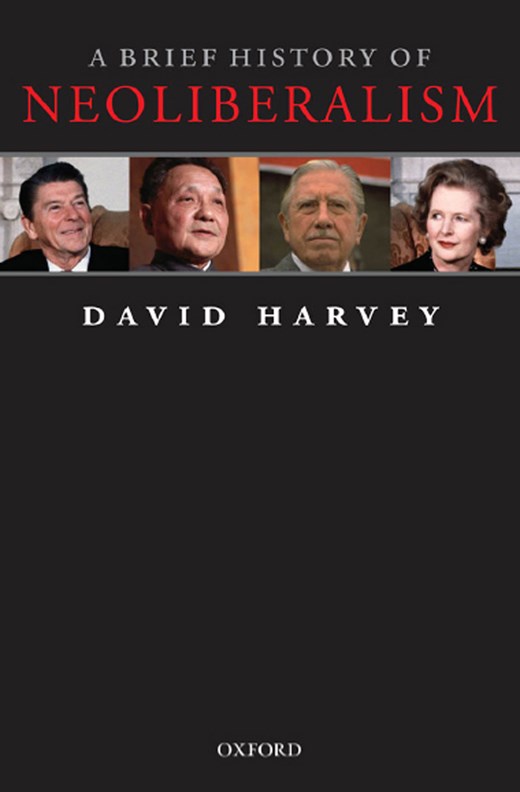
A Brief History of Neoliberalism
Abstract. Neoliberalism--the doctrine that market exchange is an ethic in itself, capable of acting as a guide for all human action--has become dominant in
Wisereads Vol. 21 — The latest Howard Marks, Ethan Mollick on AI, and The Communist Manifesto

Interdependent Thoughts
Bookmarked Will A.I. Become the New McKinsey? by Ted Chiang in the New Yorker
Field Notes: The Architecture of Rationalization - Aaron Ross Powell
Marginalia on the internet turning bad, platform extraction, and existential restlessness.
Spime Script?
The rants and raves of Simon Wardley on Evolution, Technology, Economics and Business
Hyperpolitics: Extreme Politicization without Political Consequences
POLITICS AFTER THE END OF THE END OF HISTORYWhat happens when politics is everywhere, yet nothing seems to change? From the abandoned dance floors of Thatcher’s London to the mass mobilizations of Black Lives Matter, Anton Jäger traces how public life has become infused with protest, spectacle, and moral urgency — while the old infrastructure of parties, unions, and civic solidarity has been hollowed out.Hyperpolitics revisits the illusions of the “end of history” and dissects the strange energies that replaced them: viral outrage, endless culture wars, and the digital rush of causes that flare and vanish overnight. Jäger shows how the promises of post–Cold War liberalism gave way to a restless, unsteady public sphere where private passions overflow into politics but rarely build enduring power.Ranging from Guy Debord and Wolfgang Tillmans to Houellebecq’s disenchanted fictions, Hyperpolitics makes sense of a world in which collective action remains fragmented and the social fabric thinner than ever. For anyone trying to grasp why our age feels so charged yet so inconsequential, this book offers a vital map through the new contradictions of our hyperpolitical moment.
Local-First

rude1 '25 reading list

Coral Stack - Build Local-First. Encrypted. Effortless.
DIDComm
The CRDT Dictionary: A Field Guide to Conflict-Free Replicated Data Types - Ian Duncan - Ian Duncan

Daemon

Anathem

Starship Troopers

Blindsight (Firefall, #1)
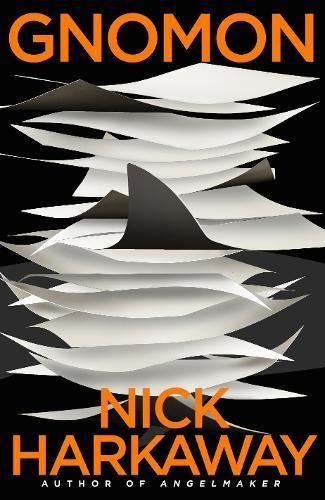
Gnomon

Stranger in a Strange Land