


The lords of the internet care very little about user privacy—what they want to preserve, is their own commercial license against government regulation of any kind.
Opinion | Who Should Own the Internet? (Published 2014)
The destruction of privacy widens the existing power imbalance between the ruling factions and everyone else.

The Best Replacements for Privacy-Invading Services
These days, it seems like everyone's out to violate your privacy. But even if you care about privacy, you probably don't want to leave the internet fo

The New Wilderness (Idle Words)
The need to regulate online privacy is a truth so universally acknowledged that even Facebook and Google have joined the chorus of voices crying for change.
EFFecting Change: How to Build a Decentralized Web That Truly Works for All
6 really practical ways to protect your privacy online - Amnesty International
216K subscribers in the privacytoolsIO community. As announced on July 27th, and on Sept 14th, 2021, The Team Formerly Known As PrivacyTools.io – the…

Cory Doctorow: Zuck’s Empire of Oily Rags
For 20 years, privacy advocates have been sounding the alarm about commercial online surveillance, the way that companies gather deep dossiers on us to help marketers target us with ads. This pitch…

Opinion | It’s Time to Panic About Privacy (Published 2019)
We claim to want it, companies claim to provide it, but we all just accept that, well, you have no privacy online.

The Tor Project | Privacy & Freedom Online
Defend yourself against tracking and surveillance. Circumvent censorship.

Internet for the People: The Fight for Our Digital Future
"For all the informational convenience the internet offers, it is deeply flawed. How can it be improved? Writer Ben Tarnoff proposes one possibility in this intriguing book, which urges the development of 'a public lane on the information superhighway.' It's worth checking out for yourself." – Seth MacFarlane Why is the internet so broken, and what could ever possibly fix it? In Internet for the People, leading tech writer Ben Tarnoff offers an answer. The internet is broken, he argues, because it is owned by private firms and run for profit. Google annihilates your privacy and Facebook amplifies right-wing propaganda because it is profitable to do so. But the internet wasn't always like this—it had to be remade for the purposes of profit maximization, through a years-long process of privatization that turned a small research network into a powerhouse of global capitalism. Tarnoff tells the story of the privatization that made the modern internet, and which set in motion the crises that consume it today. The solution to those crises is straightforward: deprivatize the internet. Deprivatization aims at creating an internet where people, and not profit, rule. It calls for shrinking the space of the market and diminishing the power of the profit motive. It calls for abolishing the walled gardens of Google, Facebook, and the other giants that dominate our digital lives and developing publicly and cooperatively owned alternatives that encode real democratic control. To build a better internet, we need to change how it is owned and organized. Not with an eye towards making markets work better, but towards making them less dominant. Not in order to create a more competitive or more rule-bound version of privatization, but to overturn it. Otherwise, a small number of executives and investors will continue to make choices on everyone’s behalf, and these choices will remain tightly bound by the demands of the market. It's time to demand an internet by, and for, the people now.
Unpacking the Public Health Turn in Internet Regulation
Measures designed to protect children from digital harms are ushering in a public health approach to internet regulation, writes Ramiro Álvarez Ugarte.
The Age-Gated Internet Is Sweeping the US. Activists Are Fighting Back
Half of the country now requires age verification to watch porn or access “harmful” content. Digital rights advocates are pushing back against legislation they say will make the internet less safe.

The "Segregate-and-Suppress" Approach to Regulating Child Safety Online
<div> In an effort to protect children online, regulators around the country and the world are enacting laws that compel Internet publishers to age-authenticat

Differential Privacy | Harvard University Privacy Tools Project
Please see below for further information about differential privacy and our group's work. To get involved, please email privacytools-info@seas.harvard.edu and see our calls for summer interns, students, postdocs and visiting scholars.
Introducing a terms of use and updated privacy notice for Firefox | The Mozilla Blog
UPDATE: We’ve seen a little confusion about the language regarding licenses, so we want to clear that up. We need a license to allow us to make some of t

privacy - bad examples

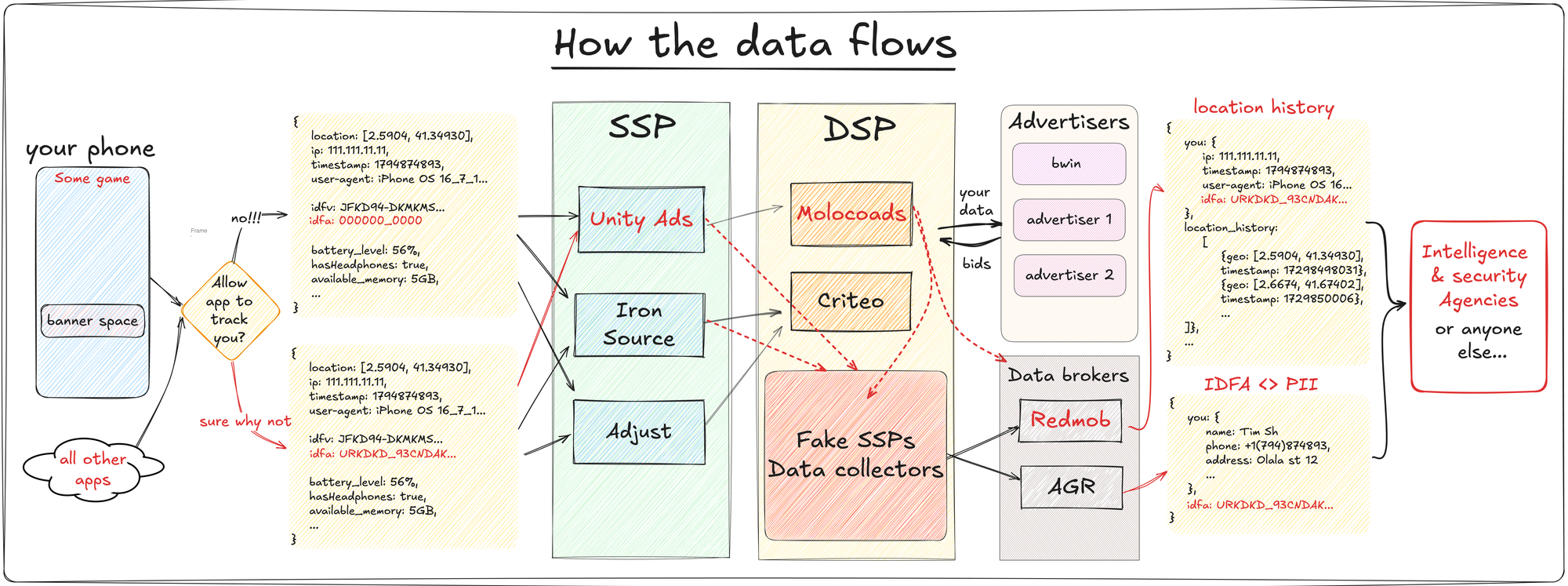
Everyone knows your location