

Your Brain on MIT Media Lab
This Is Your Brain on Podcasts (Published 2016)
Different people’s brains absorb a compelling story in the roughly the same complicated pattern, using many parts of the brain, researchers found.

AI overuse could spark "brain fry," new research finds
The mental strain associated with AI carries "significant costs," researchers find.
Brainrot: Deskilling and Addiction are Overlooked AI Risks | Proceedings of the 2026 ACM Conference on Fairness, Accountability, and Transparency
As part of the Digital Library's transition to Open Access, new features for researchers are available in the Premium Edition. Click here to learn more.

This Is Your Brain on Exercise
Exercise is as good for your brain as it is for your body, and researchers are just beginning to discover why
Understanding the influence of digital technology on human cognitive functions: A narrative review
In the era of rapid digitalization, the widespread integration of digital technology into various aspects of daily life has sparked significant interest in understanding its impact on cognitive mental processes. While the emerging data suggests that its influence may be positive or negative, the depth of evidence regarding neurobiological mechanisms remains limited. This review aims to synthesize previously published studies and develop a comprehensive framework that systematically categorizes digital technologies, the cognitive functions they impact, and developmental stages around the concept of neuroplasticity, while clearly illustrating their interconnections. Despite acknowledged limitations, through an exhaustive approach, this paper intends to offer a dynamic perspective on the effects of digital media on the human brain, before the onset of addiction.
Your Brain on ChatGPT: Accumulation of Cognitive Debt when Using an AI Assistant for Essay Writing Task – MIT Media Lab
This study explores the neural and behavioral consequences of LLM-assisted essay writing. Participants were divided into three groups: LLM, Search Engine, and …
Cognitive Bias Lab | Learn to Make Better Decisions
Explore cognitive biases with interactive tests, simulations, and real-world examples. Free platform to sharpen decision-making and critical thinking — no sign-up needed.
The Hole In Your Brain That Makes You Doomscroll
The Second Brain That Grows Smarter and Lives on your Computer
How a spark from Andrej Karpathy, app called Obsidian, and “The Curator”, the app I built are changing the way I think.
Do not give up your brain
It's tempting to just let tools think for you, but you still need to be able to think for yourself and stay sharp.

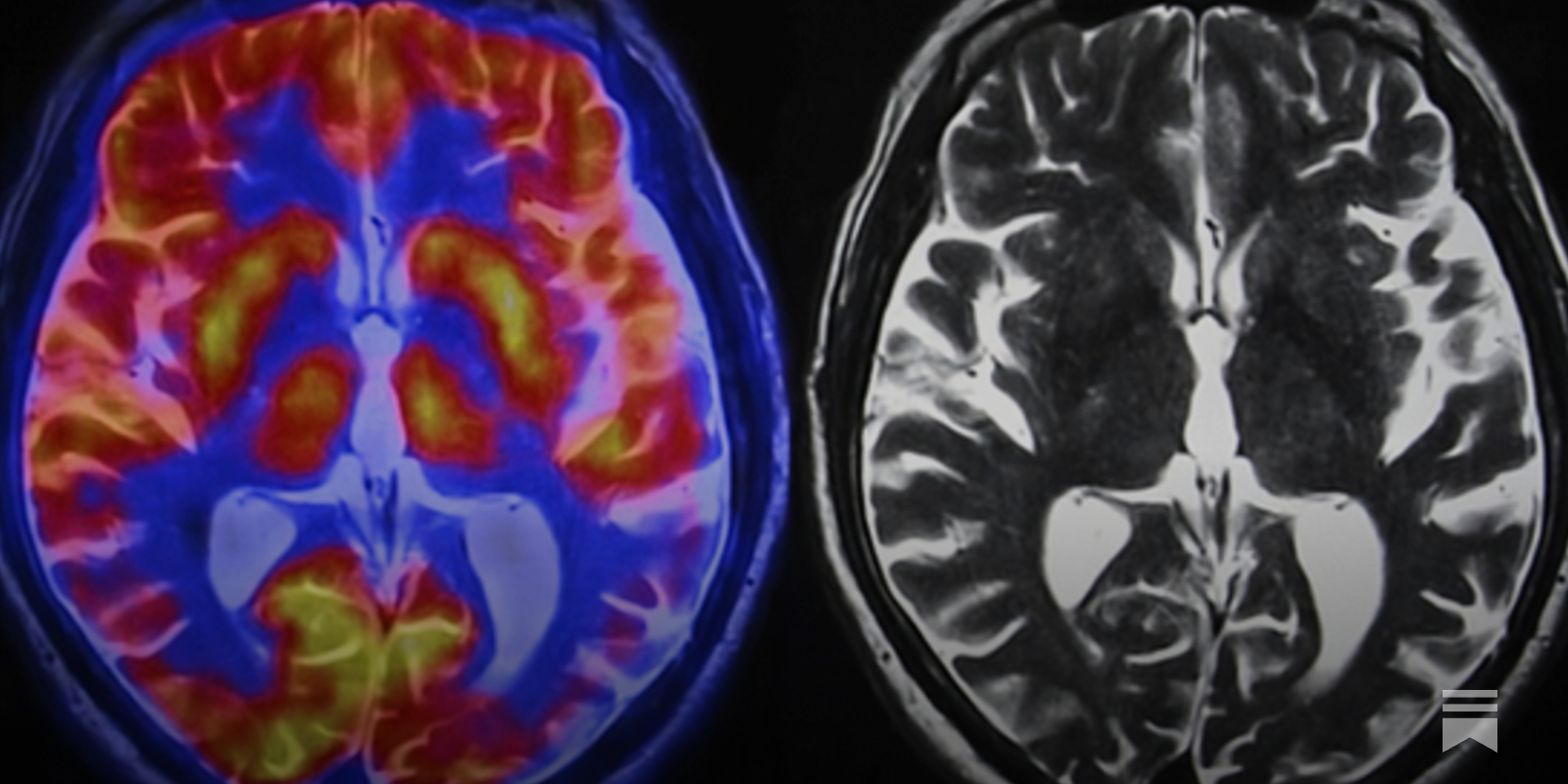
What the Studies Say About How AI Affects Your Brain: A (Very Big) Compilation
The entire literature clearly points to a single surprising finding
Research Debt
Science is a human activity. When we fail to distill and explain research, we accumulate a kind of debt...

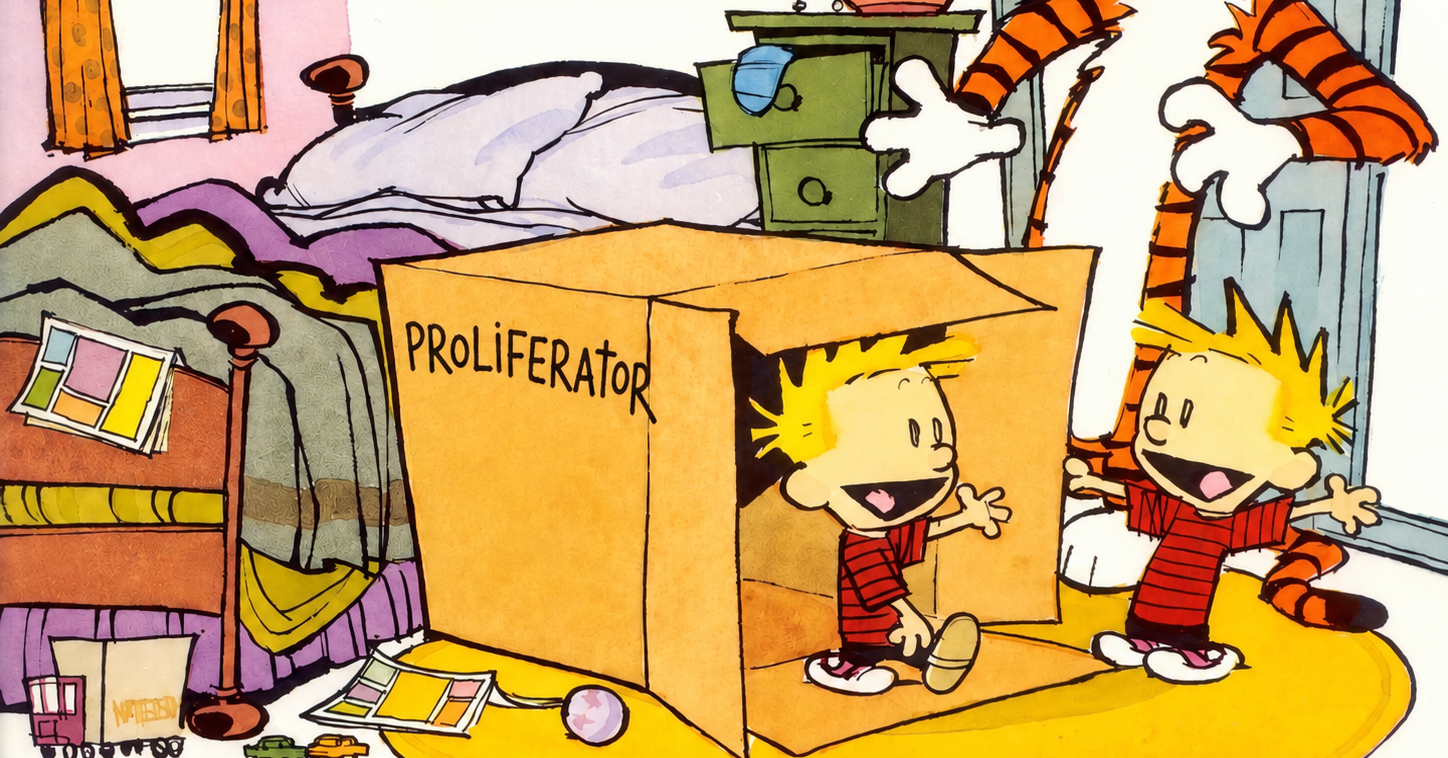
Problems of Proliferation — LessWrong
Scientific progress and its perils. TLDR: The vulnerable world hypothesis is likely correct. Once enormous amounts of cognitive labor start getting a…
Thinking Fast, Slow, Artificially: AI and Your Brain
AI can boost your decisions — or quietly undermine them. Wharton researchers introduce a new theory of cognition that every leader needs to understand.
