

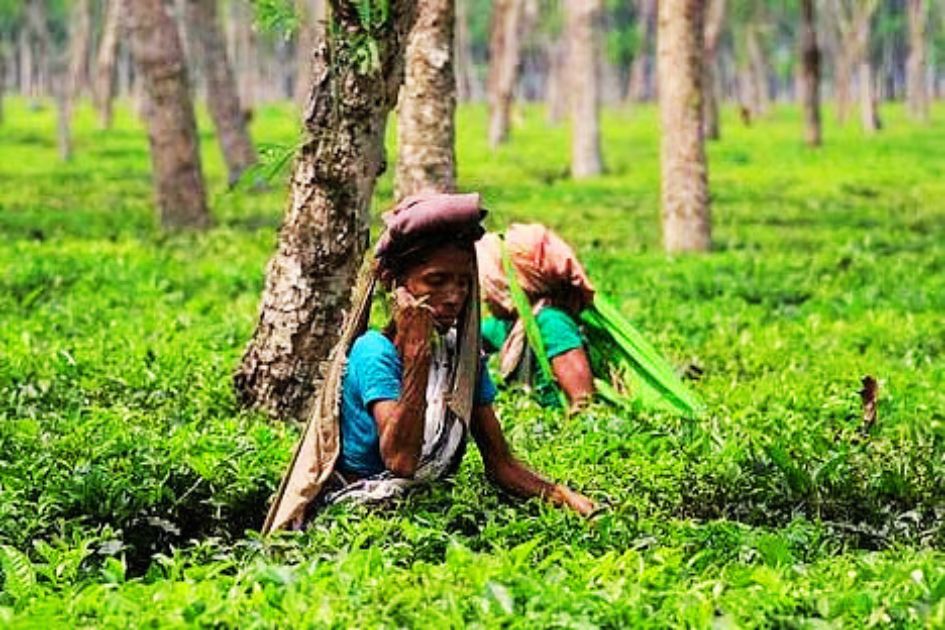
Bangladesh tea workers renew wage, union and land demands amid colonial-era labour legacies.
Bangladesh union bureaucracy betrays garment workers’ struggles against poverty wages
As the BNP government unleashed police violence against workers, union leaders called on them to end their struggles.
Tea production in Bangladesh
Bangladesh is an important tea-producing country. It is the 9th largest tea producer in the world, producing a total of 97.08 million kgs in 2019. Its tea industry dates back to British rule, when the East India Company initiated the tea trade in the hills of the Sylhet region. In addition to that, tea cultivation was introduced to Greater Chittagong in 1840. Today, the country has 166 commercial tea estates, including many of the world's largest working plantations. The industry accounts for 3% of global tea production, and employs more than 4 million people.

A Nice Cup of Tea by George Orwell
This is curious, not only because tea is one of the main stays of civilization in this country, as well as in Eire, Australia and New Zealand, but because the best manner of making it is the subject of violent disputes.
Bangladesh: Garment workers protest demanding TK30,000 minimum wage increase - Business and Human Rights Centre
Check out this page via the Business and Human Rights Centre

Bangladesh: Wage protests force hundreds of garment factories to close
These factories, which manufacture for brands like H&M and Uniqlo, rely on millions of lowly paid workers.

‘Going hungry’: Garment workers in Bangladesh say wages barely cover needs
Tens of thousands of workers in world's second-largest apparel exporter hit the streets to demand better minimum wages.
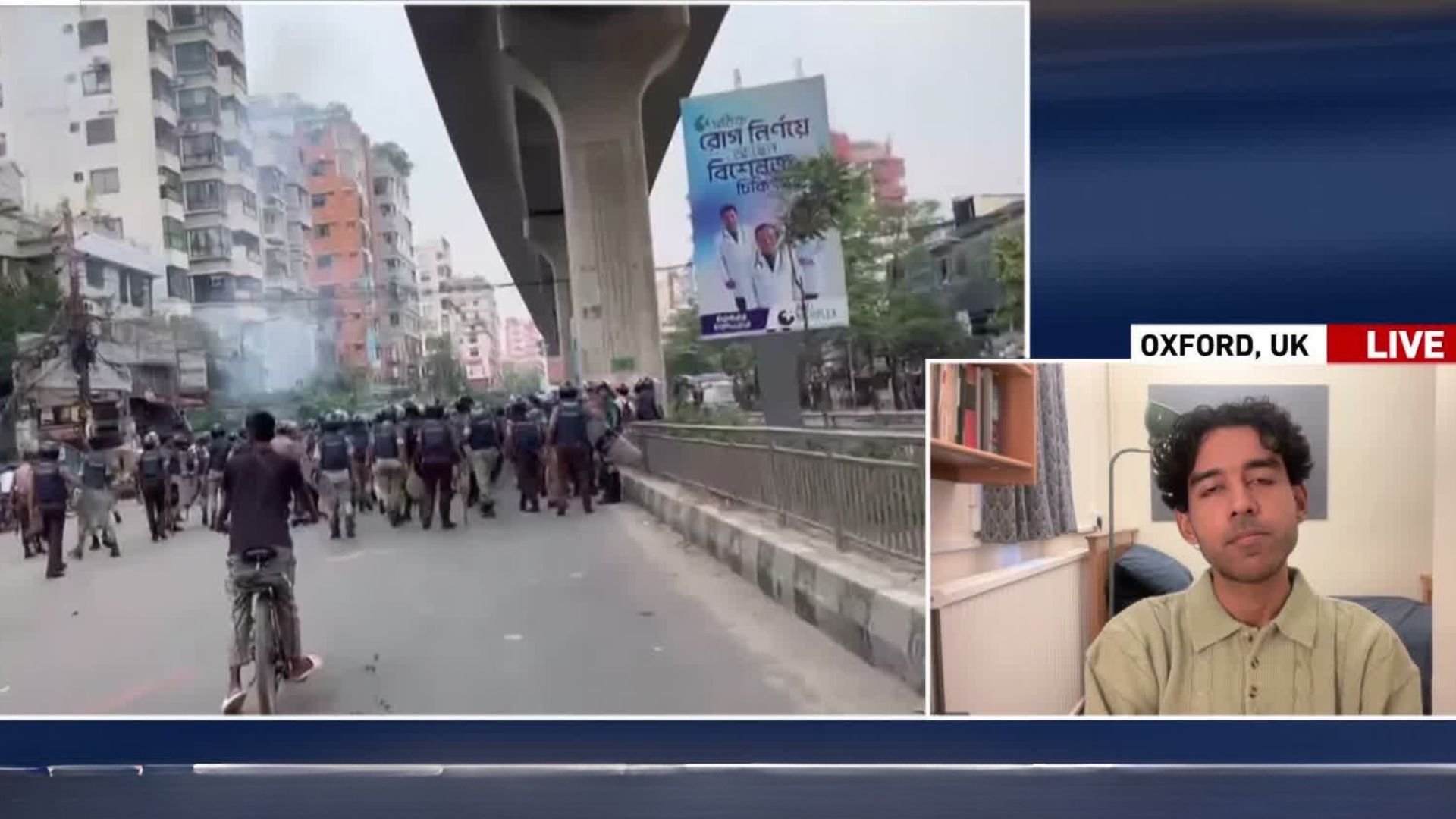
Behind Bangladesh's garment boom, workers cut food, healthcare as wages fall short
Before dawn each day, garment worker Shilpi Khatun cooks over a wood-fired clay stove because her family cannot afford gas, before heading to a factory in Gazipur, an industrial hub on the outskirts of Dhaka.

Islamization of Bangladesh’s Electoral Politics and its Anti-trans Implications - শুদ্ধস্বর
As the aspirations behind Bangladesh’s July uprising failed to materialize, Trans Bangladeshi citizens must rely on coalition-building efforts to make their voices heard.

Bangladesh garment workers stage fourth day of wage protests
Garment workers in Bangladesh staged a fourth day of wage protests on Tuesday, with police firing tear gas to disperse demonstrators as unrest disrupted factory operations and transport links in the country's vital export sector.

Bangladesh garment factories close as workers clash with police during wage protests – video
Garment factory workers clashed with Bangladesh police as protests over wages entered their fifth day and disrupted production in the country's key apparel sector
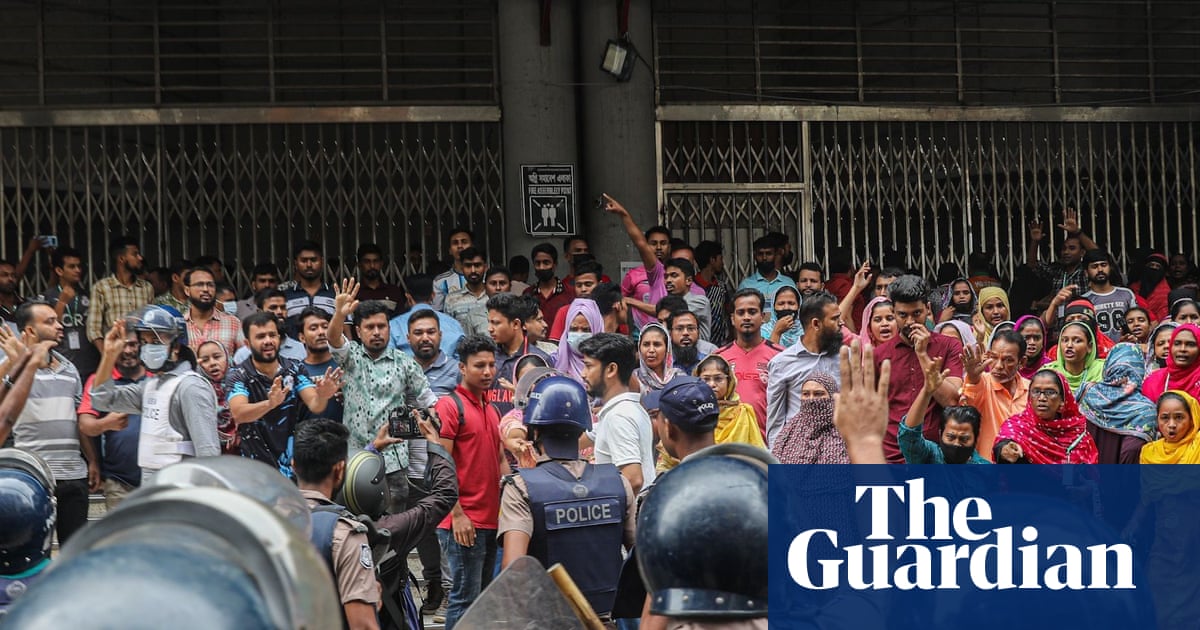
Bangladesh garment workers protest over low pay; govt announces formation of wage board
Dhaka, Nov 1 (PTI) Garment workers in Bangladesh on Sunday staged protests in Gazipur and Dhaka over their longstanding demand for higher pay, prompting the government to announce the formation of a wage board, according to local media reports. Garment workers chanting slogans blocked the Dhaka-Tangail highway in Gazipur, demanding a minimum monthly wage of […]

Socialist Party of Bangladesh (Marxist) | Worker of the world, Unite

Policy solutions key to their inclusion in job sector
Hawa Islam, a graduate with hearing and speech disabilities, endured discrimination and disrespect while working in several job sectors in Bangladesh. Eventually, she ended up without a job and is currently struggling financially.

Volition Tea | Single-Origin Loose Leaf Teas
Discover single-origin loose leaf teas from farmers who strive for holistic sustainability.

Bangladesh garment factories disrupted as protests continue for third day
Workers in Bangladesh's largest export sector are demanding a minimum wage increase amid rising inflation.

2026 Bangladesh garment workers protests
The 2026 Bangladesh garment workers protests are a series of labour demonstrations by workers in the ready-made garment industry of Bangladesh, demanding an increase in the sector's minimum monthly wage from ৳12,500 to ৳30,000.[1] Protests began in August 2026[2] and escalated in late October and early November 2026 in the industrial areas of Ashulia and Gazipur and in the capital, Dhaka.[3][4] On 1 November 2026, the government announced the formation of a six-member Minimum Wage Board including factory owners, though protests continued after the announcement due to not meeting demands.[1]