


In platforms, higher layers often have more opinion, and also typically have more power, because they have more control over the final output the user sees. This means that the layer that legitimately
Tiled rendering
Tiled rendering is the process of subdividing a computer graphics image by a regular grid in optical space and rendering each section of the grid, or tile, separately. The advantage to this design is that the amount of memory and bandwidth is reduced compared to immediate mode rendering systems that draw the entire frame at once. This has made tile rendering systems particularly common for low-power handheld device use. Tiled rendering is sometimes known as a "sort middle" architecture, because it performs the sorting of the geometry in the middle of the graphics pipeline instead of near the end.[1]
Presentation layer
In the seven-layer OSI model of computer networking, the presentation layer is layer 6 and serves as the data translator for the network.[2][3][4] It is sometimes called the syntax layer.[5]
Alex Komoroske on Twitter / X
The real AI battle isn't about who has the best model—it's about who controls your context. I just published a piece on why keeping these layers separate is the most important design decision of the AI era: https://t.co/6bljxg7KIt— Alex Komoroske (@komorama) June 16, 2025
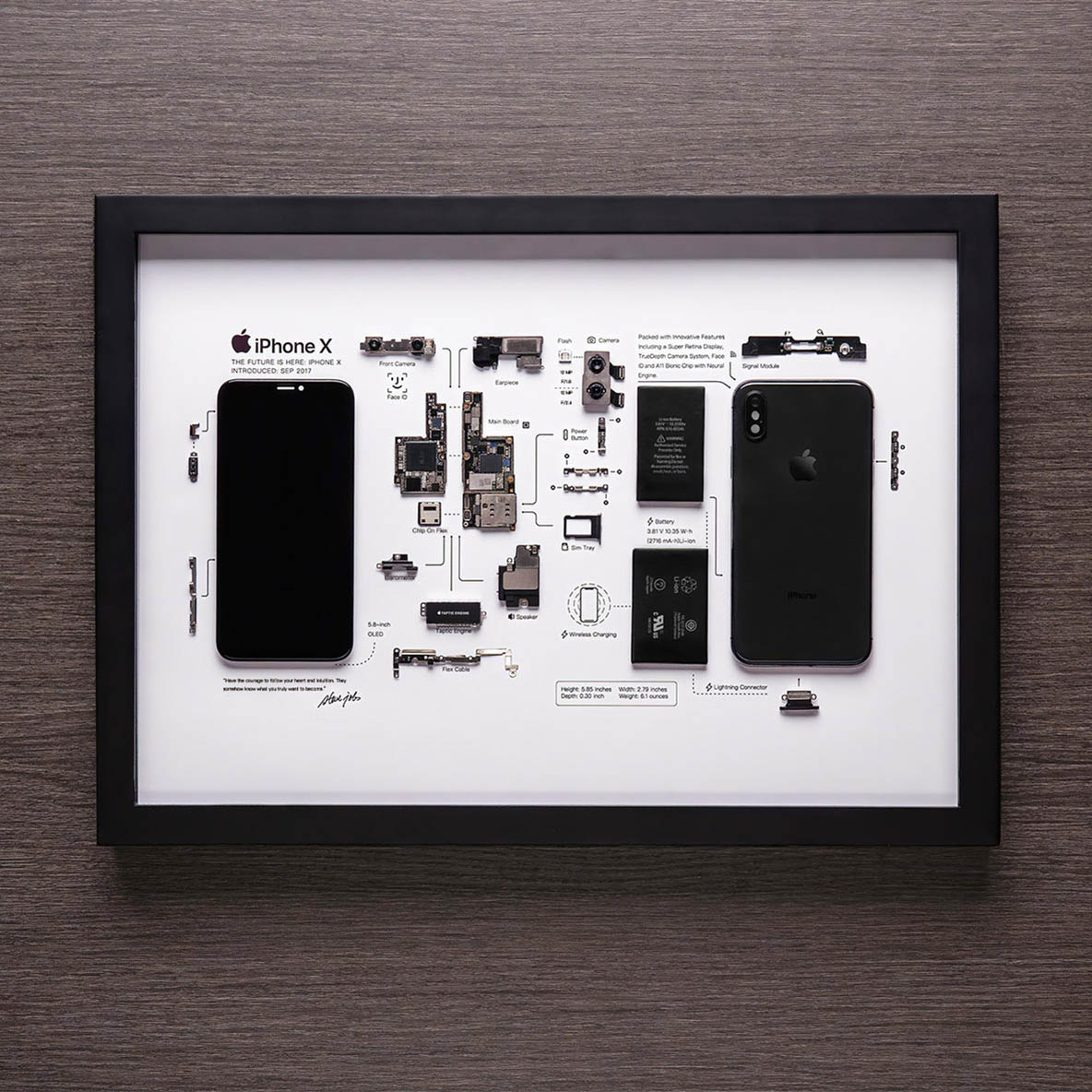
GRID® X
The iPhone X was clearly the best iPhone ever made. It was thin and powerful, it had ambitious ideas about what cameras on phones can be used for, and it pushed the design language of phones into a strange new place. -Grid Studio
Wayland vs X11: 2026 Comparison
The Linux display server landscape has been evolving dramatically over the past decade. Wayland,...

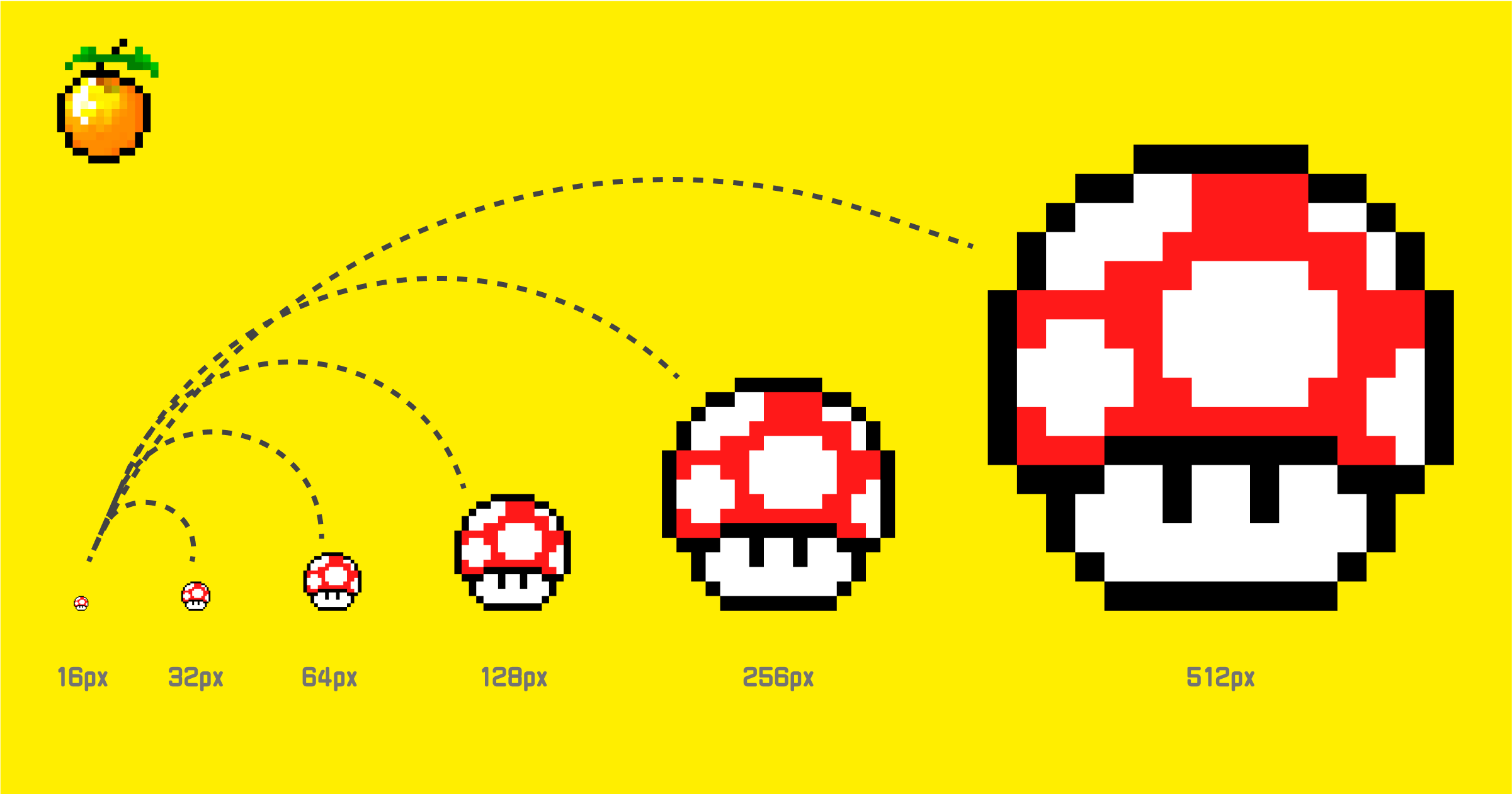
Preserving the Pixel Art Look in Web Content
Learn essential CSS techniques, scaling strategies, and design principles that preserve the crisp, totally-cool aesthetic of pixel graphics across high-resolution displays and responsive web environments.
Good Taste the Only Real Moat Left
AI makes competent output cheap. That makes taste more valuable, but also more incomplete. The real edge comes from pairing judgment with context, stakes, and the willingness to build.

Platform Design: Interfaces, Incentives, Emergence & Second-Order Thinking
Platform design isn't just product design at scale. Learn the four concepts that set it apart—with a detailed Lego case study showing how great platforms enable creativity.
Apple Design on Twitter / X
iPhone 17 Pro has MORE GRAPHICS POWER than M2 MacBook Air.. this is just BONKERS 🤯 pic.twitter.com/8y6UMNFj82— Apple Design (@TheAppleDesign) September 10, 2025

aesthetics
Aesthetics is relevant to many aspects of computing. Here, we are mostly concerned of the superficial visual appearances and their technological bases.
A Quantitative Framework for Layered Multirate Control: Toward a Theory of Control Architecture
Complex engineered and natural control systems, such as those used in robotics, the power grid, human sensorimotor control, and the Internet, are characterized by needing to operate robustly and reliably across many spatiotemporal scales despite being implemented using highly constrained hardware and software. Remarkably, a universal design pattern centered around layered control architectures (LCAs) has emerged to address these challenges across vastly different domains. These LCAs are the central object of study of this article (see “Summary”).
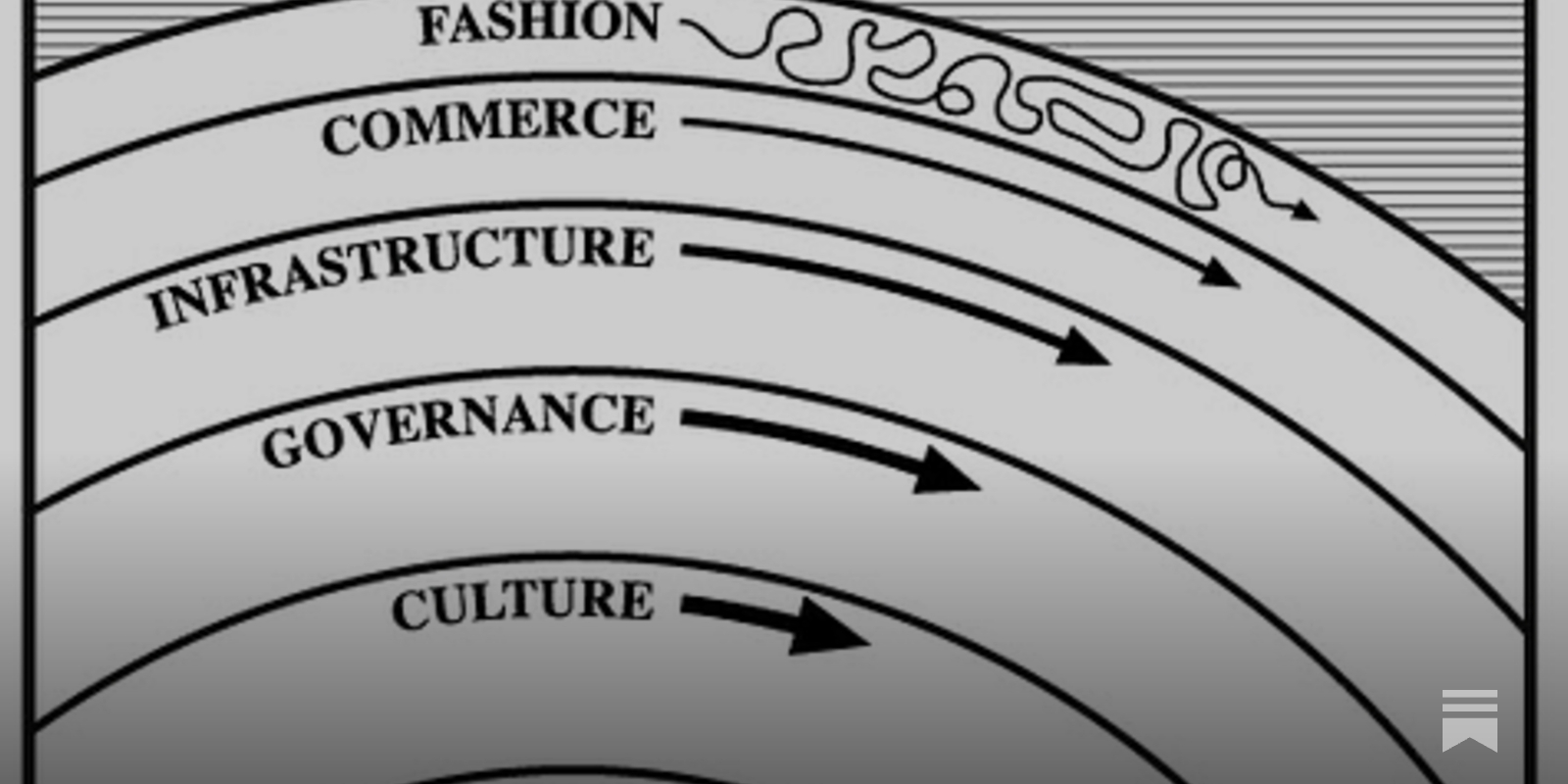
Layered protocols
Layering is a special form of modularity that restricts interactions between modules. A module assigned to a layer can use any of the modules in the same or in a lower layer; however, it cannot use a module belonging to a higher layer.
Every layer of review makes you 10x slower
We’ve all heard of those network effect laws: the value of a network goes up with the square of the number of members. Or the cost of commun...
Evolving the infinite canvas
In the digital world, especially on the web, we’re used to things being stacked vertically. Scrolling, scrolling, through boxes of content,
The real AI battle isn't about who has the best model—it's about who controls your context. I just published a piece on why keeping these layers separate is the most important design decision of the AI era: techdirt.com/2025/06/16/why-centralized-ai…

Why Centralized AI Is Not Our Inevitable Future
www.techdirt.com