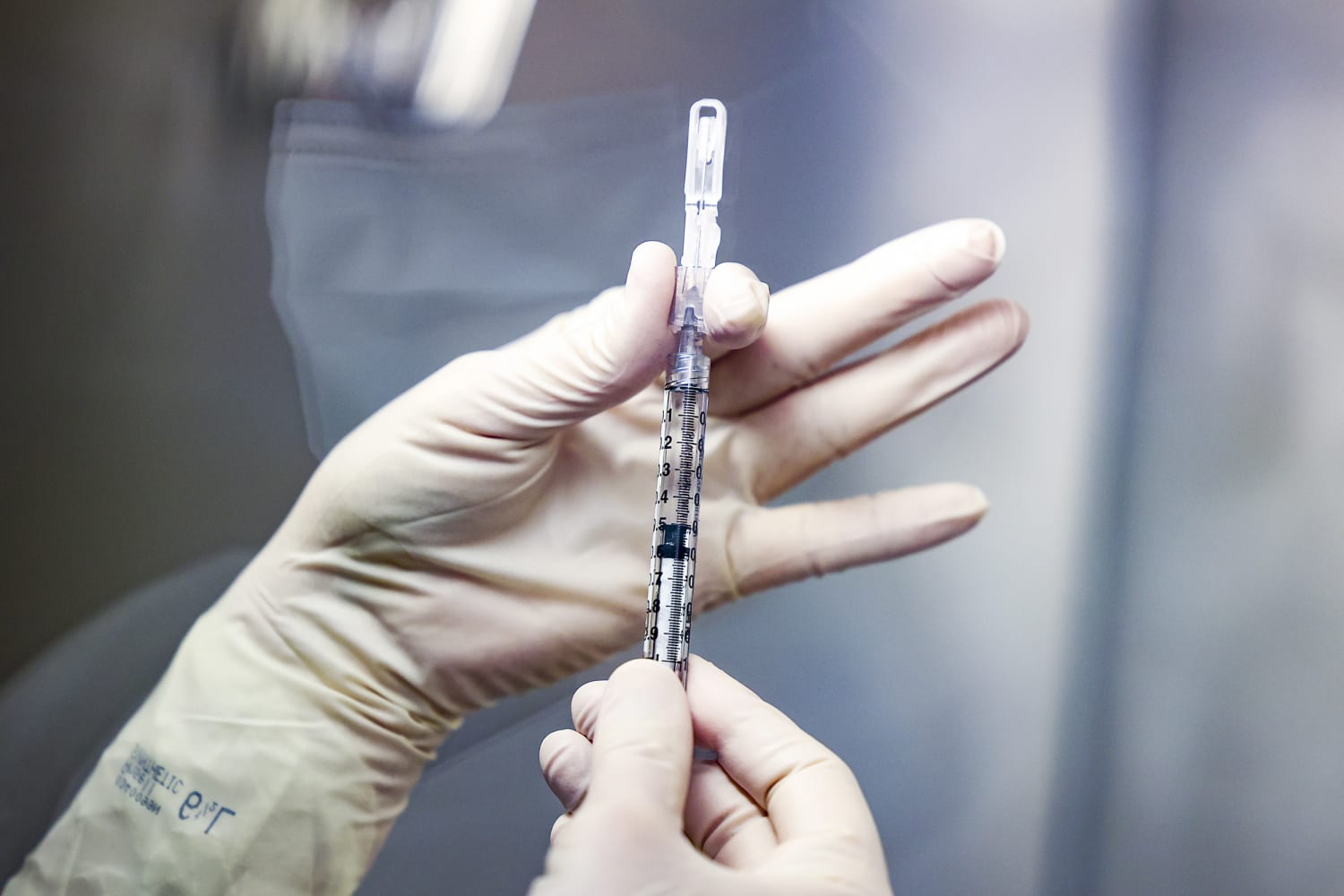
The measles vaccine may do more than we thought – and the growing number of outbreaks makes ensuring you’re protected ever more urgent.
Measles isn’t just dangerous – it may erase your immune system
The measles vaccine may do more than we thought – and the growing number of outbreaks makes ensuring you’re protected ever more urgent.
Measles cases reach highest level in 35 years. See the charts
Measles cases have surged to a 35-year high in the United States, marking the largest outbreak in decades.

PA measles outbreak tops 1,000 cases, largest since disease was eliminated
Pennsylvania reported 1,066 outbreak-linked cases on Wednesday.
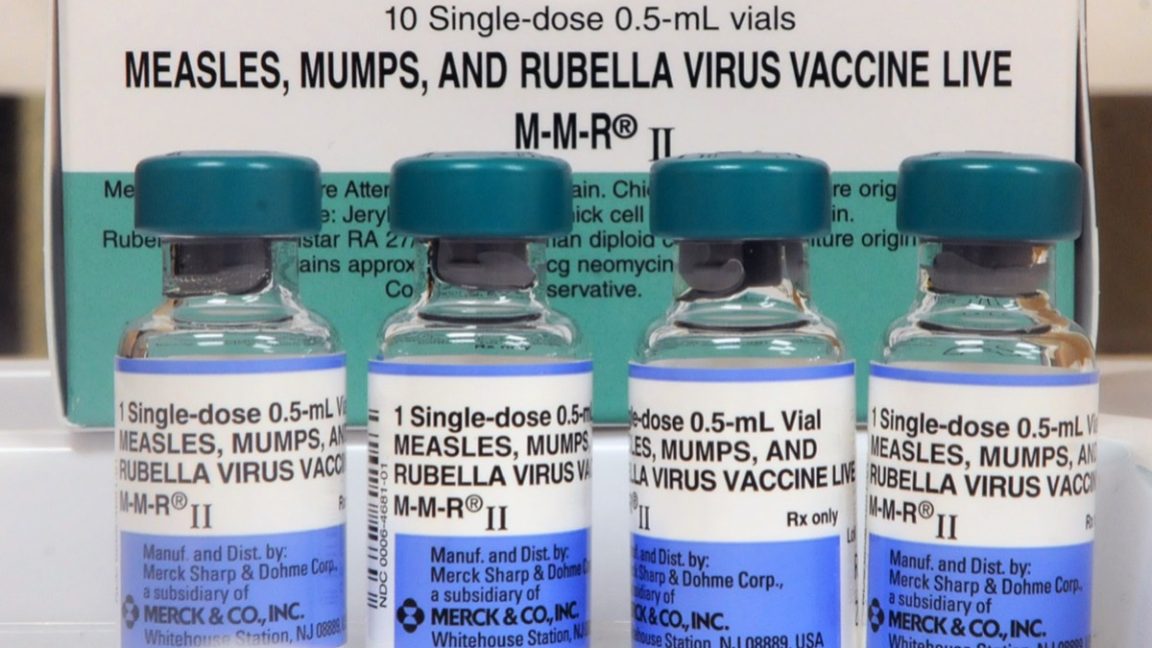
A Model For HHS: New Mexico Measles Outbreak Was Curtailed With Mass Vaccination Campaign
With RFK Jr. and his version of HHS entirely out to lunch on the ongoing measles issue in America, it’s been left to states and local medical professionals to try to figure out how to do comb…

Helpless to Prevent Cancer? Actually, Quite a Bit Is in Your Control (Published 2016)
Many cases of cancer are preventable, studies show, but this research has inflamed as much as it has assuaged people’s fears.

Vascular and inflammatory diseases after COVID-19 infection and vaccination in children and young people in England: a retrospective, population-based cohort study using linked electronic health records
Children and young people have higher risks of rare vascular and inflammatory diseases up to 12 months after a first COVID-19 diagnosis and higher risk of rare myocarditis or pericarditis up to 4 weeks after a first BNT162b2 vaccine, although the risk following vaccination is substantially lower than the risk following infection. These findings are of great importance for national policy makers and caregivers considering vaccination consent for children, and support the public health strategy of COVID-19 vaccination in children and young people to mitigate the more frequent and persistent risks associated with SARS-CoV-2 infection.

Vascular and inflammatory diseases after COVID-19 infection and vaccination in children and young people in England: a retrospective, population-based cohort study using linked electronic health records
Children and young people have higher risks of rare vascular and inflammatory diseases up to 12 months after a first COVID-19 diagnosis and higher risk of rare myocarditis or pericarditis up to 4 weeks after a first BNT162b2 vaccine, although the risk following vaccination is substantially lower than the risk following infection. These findings are of great importance for national policy makers and caregivers considering vaccination consent for children, and support the public health strategy of COVID-19 vaccination in children and young people to mitigate the more frequent and persistent risks associated with SARS-CoV-2 infection.
COVID-19 Vaccine Effectiveness and Safety for the 2026-2027 Respiratory Season
Importance SARS-CoV-2 remains a substantial cause of respiratory illness, morbidity, and mortality. Evidence to date has demonstrated that COVID-19 vaccines reduce the risk of severe disease, including hospitalization and death. Objective This systematic review identifies and summarizes newly published studies reporting on the effectiveness and safety of COVID-19 vaccines and COVID-19 epidemiology in the US. Evidence Review Cochrane Central Register of Controlled Trials, PubMed/MEDLINE, Embase, and Scopus were searched from August 1, 2025, through June 29, 2026. Studies were eligible if they reported on the effectiveness, efficacy, or safety of a US-licensed COVID-19 vaccine or SARS-CoV-2 epidemiology in the US. Findings From 11 829 identified references, 155 publications were eligible (15 randomized clinical trials, 84 observational studies with a comparator group, 38 product safety studies without a comparator group [single group], and 18 descriptive studies of disease burden). Consistent with prior evidence, studies reported that updated COVID-19 vaccines were associated with a reduction in the risk of hospitalization among both older adults (≥65 years; vaccine effectiveness [VE], 53.0%; 95% CI, 37.0%-65.0%; 2025-2026 season) and adults (18-64 years; VE, 54.0%; 95% CI, 1.0%-78.0%; 2024-2025 season). Maternal vaccination was associated with reduced risk of COVID-19–associated emergency department/urgent care encounters among individuals vaccinated (VE, 58.0%; 95% CI, 24.0%-77.0%) and with fewer COVID-19–related hospital contacts in the first 2 months of life among infants born subsequently (VE range, 50.0%-54.0%), regardless of trimester of vaccination. Vaccination was also associated with a significant reduction in COVID-19–related pediatric emergency department visits (9 months to 4 years; VE, 76.0%; 95% CI, 58.0%-87.0%). Vaccination was associated with a reduced risk of critical COVID-19 illness (intensive care unit admission or death) in immunocompromised adults (VE range, 32.0%-53.0%, depending on condition and other factors). Health care personnel who received 3 to 5 vaccine doses were less likely to develop laboratory-confirmed COVID-19 illness (VE, 41.0%; 95% CI, 34.0%-47.0%) and postacute COVID-19 symptoms (VE, 57.0%; 95% CI, 46.0%-66.0%) compared with those who received only 2 doses. Across adverse events of special interest (eg, stroke, thrombosis, myocarditis), safety profiles were consistent with those of previous reviews. No identified studies conducted under the updated guidance on extended dosing intervals for the primary series reported an increased risk of myocarditis or pericarditis. No new safety signals were reported in the recently published studies eligible for this updated review of US-licensed COVID-19 vaccines. Conclusions and Relevance COVID-19 vaccines were consistently associated with a reduction in the risk of hospitalization and other outcomes, including among individuals at high risk of severe COVID-19, such as infants, and those who were pregnant. No new safety concerns were identified.

COVID-19 Vaccine Effectiveness and Safety for the 2026-2027 Respiratory Season
This Special Communication aims to identify and summarize the most recently published evidence evaluating the effectiveness and safety of US-licensed COVID-19 vaccines and report on the epidemiology of SARS-CoV-2 in the US.
Hantavirus Doesn’t Spread Easily, but Officials May Be Downplaying Risks
The virus is clearly far less contagious than the coronavirus, scientists agree, but they have found cases where it spread among people without direct contact.

mRNA vaccine for melanoma reduces relapse after therapy, trial finds
A personalized mRNA cancer vaccine combined with immunotherapy cuts the risk of recurrence by nearly half, researchers say.
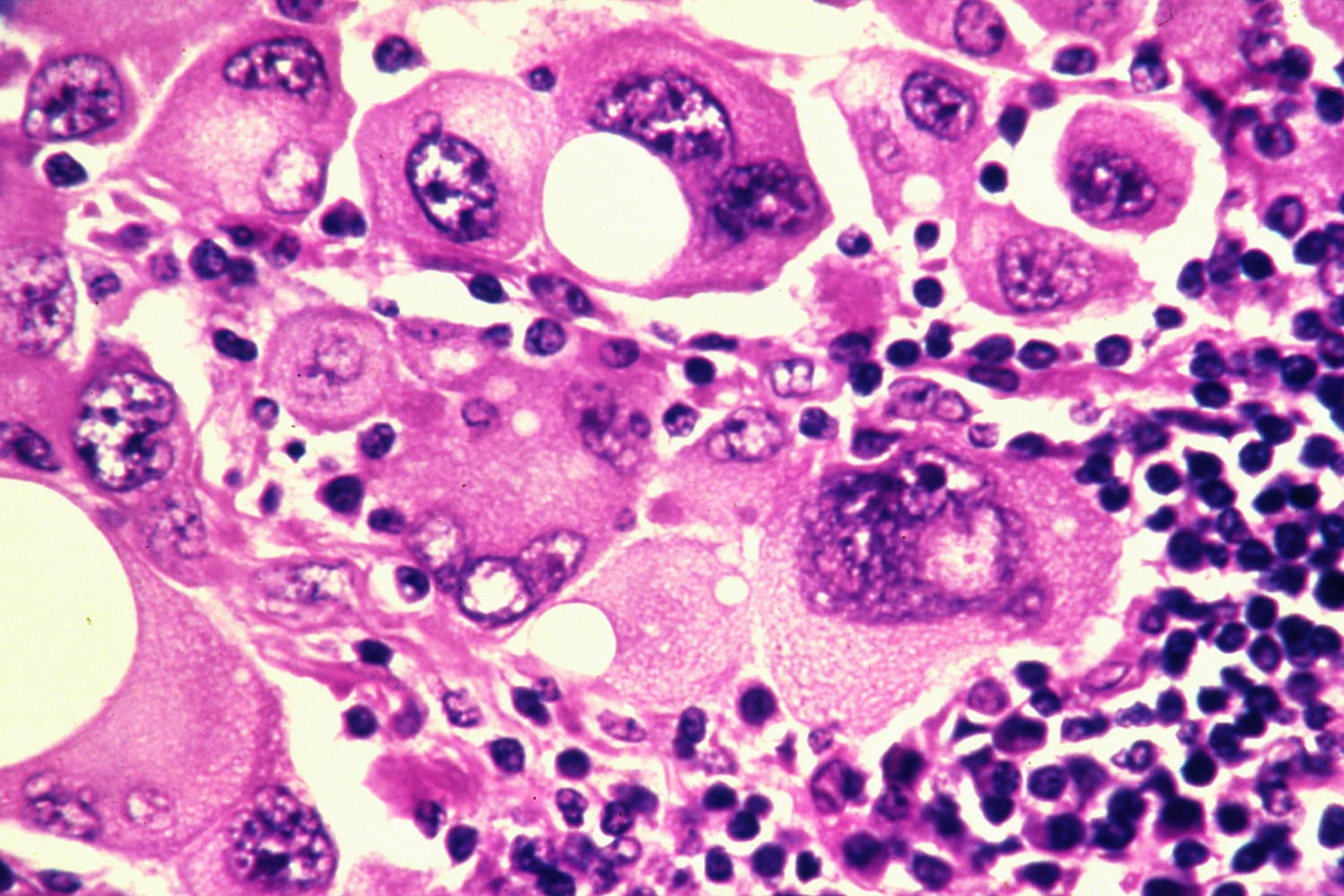
Strengthening biosecurity in the era of AI
AI is reshaping biology, unlocking breakthroughs while raising new risks. Learn how smarter safeguards can strengthen biosecurity without slowing innovation.

Opinion | Educate Your Immune System (Published 2016)
Our bodies are confused by this 21st-century world.

mRNA cancer vaccine succeeded in Phase 3 melanoma trial, Moderna and Merck say
The vaccine reportedly thwarted the cancer's return and spread.
How to safely evacuate a wildfire
Evacuating a wildfire area can be scary, but experts say people can significantly improve their own safety with a little preparation and situational awareness.
A personalized vaccine for melanoma cut the risk of cancer returning after five years
If the vaccine is effective in a late-stage trial, it would be “paradigm-shifting,” one expert said.