The Convivial Society: Vol. 4, No. 4
The Daily Planet #123: Deep Time Impermanence - The Daily Planet
Prophecy And Future Coding
Preface: On Prophecy and the Search for Certainty in an Age of Reflexive Time

How to Future
A good futurist focuses on the 3 time phases: past, present, future.

Annick de Witt on Worldview Theory in a Time Between Worlds
Join us for the Life Itself Research Community Call#33. Annick de Witt discusses how her research on worldviews helps us respond to our current period of global societal transition.
Who Owns the Future? Ways to Understand Power, Technology, and the Moral Commons
Thomas Meier and Kristina Khutsishvili argue for a reorientation to revive the democratic lifeblood of shared meaning, moral cultivation, and civic agency.

timeline · plonk.li
by @calibanscreations.at.app.wafrn.net · 1mo ago · plaintext · 1 loc · 1 comment
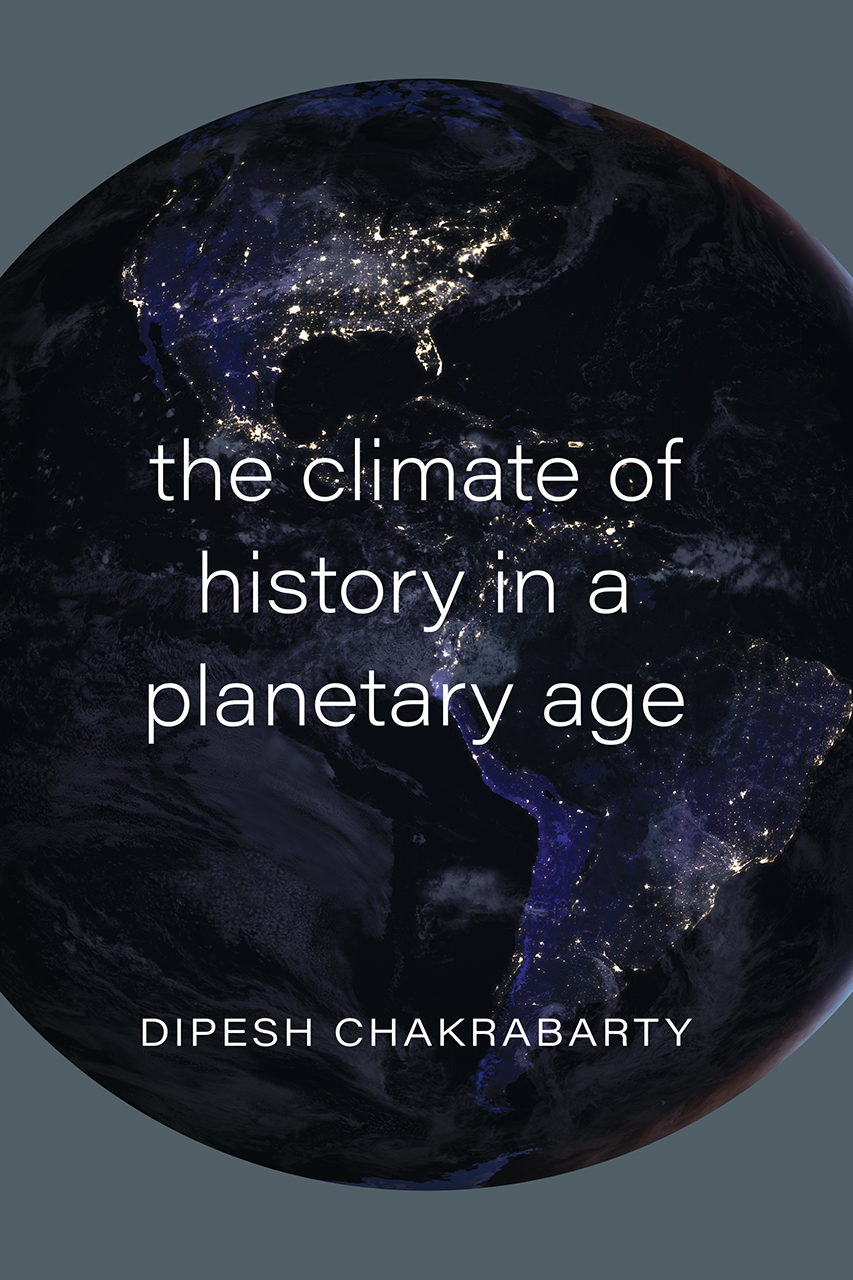
The Climate of History in a Planetary Age
For the past decade, historian Dipesh Chakrabarty has been one of the most influential scholars addressing the meaning of climate change. Climate change, he argues, upends long-standing ideas of history, modernity, and globalization. The burden of The Climate of History in a Planetary Age is to grapple with what this means and to confront humanities scholars with ideas they have been reluctant to reconsider—from the changed nature of human agency to a new acceptance of universals. Chakrabarty argues that we must see ourselves from two perspectives at once: the planetary and the global. This distinction is central to Chakrabarty’s work—the globe is a human-centric construction, while a planetary perspective intentionally decenters the human. Featuring wide-ranging excursions into historical and philosophical literatures, The Climate of History in a Planetary Age boldly considers how to frame the human condition in troubled times. As we open ourselves to the implications of the Anthropocene, few writers are as likely as Chakrabarty to shape our understanding of the best way forward.

Jonathan White on Twitter / X
New article of mine - 'Time and the Neo-Monarchist Turn', European Journal of Social Theoryhttps://t.co/DjewlLoGp3 pic.twitter.com/w4pS4vFmeE— Jonathan White (@JonathanPJWhite) September 15, 2026
Towards the Symbiocene: Building an Eco-Civilisation with thought-leader, Jeremy Lent
Jeremy Lent is a long time friend of the podcast. His new book, 'Ecocivilization: Making a World That Works for All' is coming out at the end of April 2026 and so we got together to discuss what an Ecocivilisation is, why we so badly need to become one, and how we might get there.
Anna Stansbury on Twitter / X
Nope. This paper is about US academics 1900-1960! The present looks different.Asking people to stop drawing inference from these stats as if they're about the present& asking authors to put time period in their title and abstract!🙏 https://t.co/bphnK6Hy7H— Anna Stansbury (@annastansbury) December 31, 2024
HOME - Daniel Schmachtenberger
EXPLORATIONS ON THE FUTURE OF CIVILIZATION Some of the central questions being explored here: With the first fully globalized civilization, how do we avoid the collapse fate that has befallen all previous civilizations? What are effective types of immune systems for identifying and correcting corruption in governance systems? How do we comprehensively disincentivize misinformation and harm to … HOME Read More »

The Great Reckoning - The Ideas Letter
The world feels unsettled, as if history itself were changing tempo. The familiar landmarks of the modern age are blurring, slipping away, and the stories we once told ourselves about…