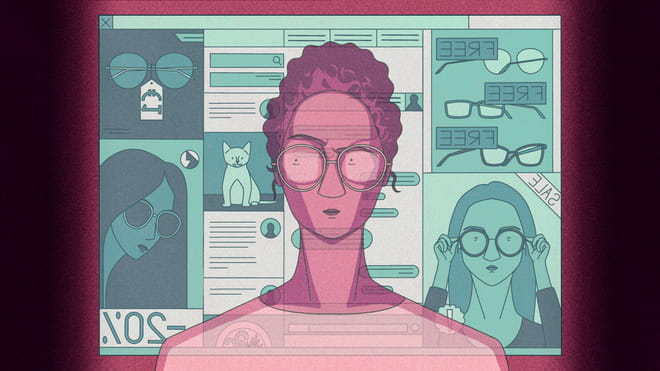
We delve into the world of advertising, worth hundreds of billions of dollars annually, to find out if it's really even that effective. A collection with 3 stories from The Correspondent.
What's Advertising Content Worth? Evidence from a Consumer Credit Marketing Field Experiment<sup>*</sup>
Abstract. Firms spend billions of dollars developing advertising content, yet there is little field evidence on how much or how it affects demand. We analy
The $2.43 Billion Question: Podcast Advertising in 2024
An immersive data story exploring podcast advertising trends and the breaking point where ads drive audiences away.
Can We Ever Know If Online Advertising Really Works?
In the summer of 2003, Viacom executive Mel Karmazin managed to sum up old media’s horror of the Internet with one of business lore’s greatest vulgar...
Howtown
We spent $51,975 on podcast advertising: here’s everything we learned
Demystifying a good bit of the podcast sponsorship experience.
Blendle: A radical experiment with micropayments in journalism, 365 days later
One year of journalism without subscriptions, without ads and without clickbait
facebook-ads-we-burned-20k
We've also tried Facebook marketing. In this blog post we describe our successes and failures with the marketing channel Facebook.
What I Learned Burning $13,867 on YouTube Ads for Candy Japan
Explains how expensive it is to advertise on YouTube, what is involved in launching a campaign and finally tweaking it towards profitability.

Ads and Ad blockers
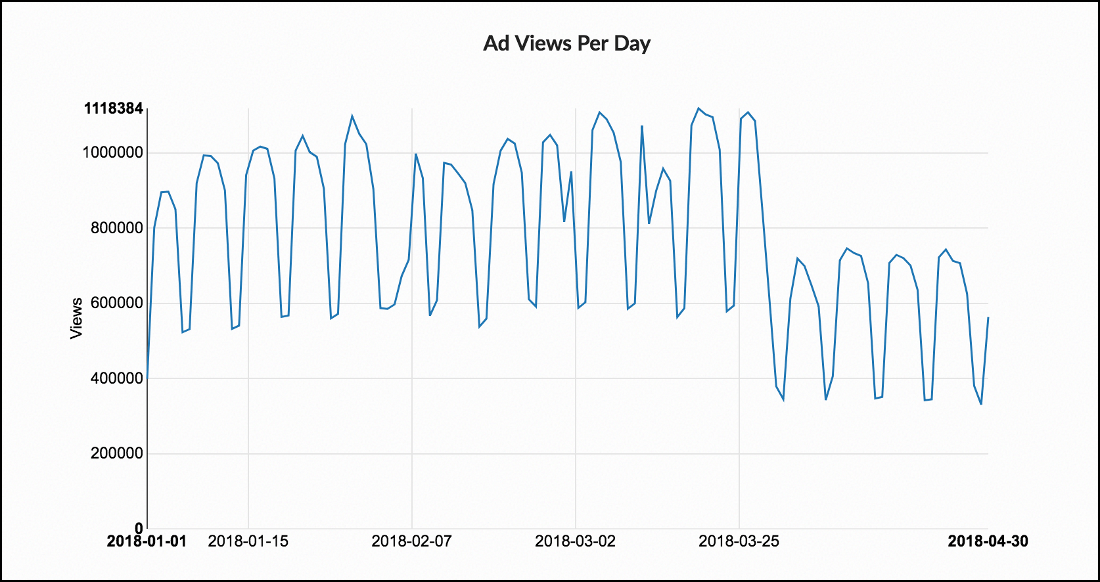
Last time, we shared how ethical advertising works to keep Read the Docs sustainable without creepy ad targeting. This time, we will share about one of our biggest challenges with advertising. At the beginning of April, Read the Docs was added to one of the most popular ad block lists: the Easyli...
I truly hate mostpeopleslop
In 2006, Joe Sugarman published a book called The Adweek Copywriting Handbook - and an axiom stuck... "The sole purpose of the first sentence in an advertisement is to get you to read the second sentence." That line, more or less, explains how social media turned into a pile of

Advertising is a cancer on society — Jacek Złydach
A detailed explanation of why I keep saying that advertising is a cancer on modern society.
The Real Money In Modern ‘Journalism’ Now Involves Filling The Internet With ‘AI’-Generated Garbage
Last year both Gannett and Sports Illustrated were caught creating fake, “AI” generated journalists to create fake, plagiarism and mistake-prone “journalism.” In both instances …

What can news publishers learn from creators? Interview with Simon Owens
Don't leave money on the table and think outside the box about business models

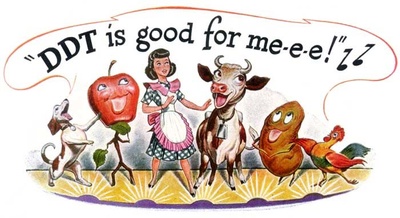
What Were We Thinking? The Top 10 Most Dangerous Ads
Often the criticism of vintage ads focuses on their inherent sexism, racism, or other displays of social prejudices, which we find laughable today, despit...
The Truth About Social Media as an "Advertising Industry," Bluesky's Gamble, and "Reclaiming Conversation" - Nightflight
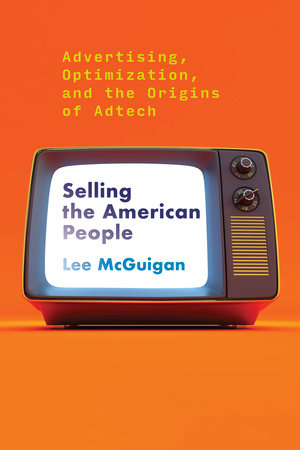
Selling the American People: Advertising, Optimization, and the Origins of Adtech
How marketers learned to dream of optimization and speak in the idiom of management science well before the widespread use of the Internet.Algorithms, data