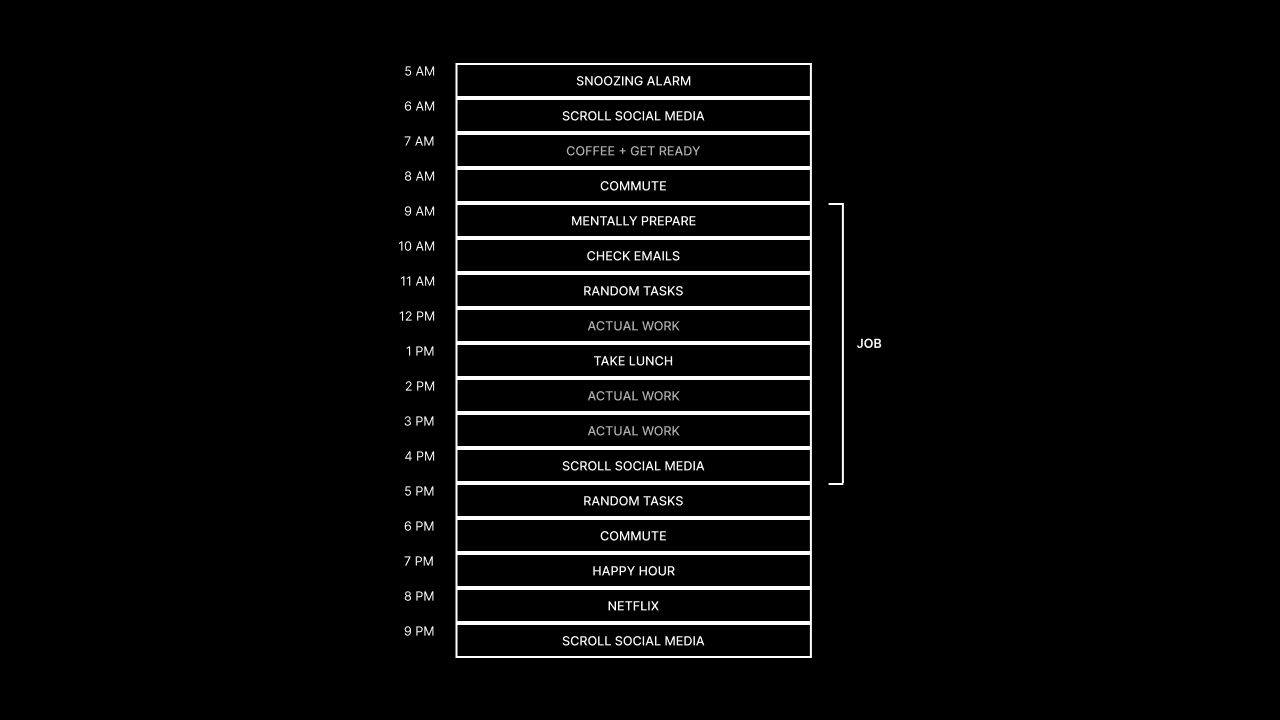
Ever since I could remember, I didn’t want to work my life away. Anti role models were all around me. And I was pretty observant as a child. I didn’t want to wake up at 4am, drive to work at 5am, grind away, and get home at 7pm because I was trying to support a […]
Opinion | You Don’t Need More Free Time (Published 2016)
Well, you might. But that’s not the real key to finding work-life balance.

Less stress, more productivity: why working fewer hours is better for you and your employer
There’s always too much work to be done on software projects, too many features to implement, too many bugs to fix. Some days you’re just not going through the backlog fast enough, you’re not producing enough code, and it’s taking too long to fix a seemingly-impossible bug. And to make things worse you’re wasting time in pointless meetings instead of getting work done. Once it gets bad enough you can find yourself always scrambling, working overtime just to keep up. Pretty soon it’s just expected, and you need to be available to answer emails at all hours even when there are no emergencies. You’re tired and burnt out and there’s still just as much work as before. The real solution is not working even harder or even longer, but rather the complete opposite: working fewer hours.
Work for only 3 hours a day, but everyday | plumshell
I am an indie iPhone developer, and I've been working for 3 hours everyday for almost 2 years now. It may not work for everybody, but I started this habit in early 2014, and I have continued to do it since have I found that this is the most productive way to work for me.

The secret life of a games programmer: I’ve lived my dream and it came up short | Anonymous
‘Passion’ meant working six days a week –16-hour days. I still play games, but having seen the inside of the sausage factory they’ll never be the same again

Opinion | 5-Hour Workdays? 4-Day Workweeks? Yes, Please (Published 2019)
Sick of round-the-clock work emails and Slack messages? Here’s some hope.

Your dreams demand your best hours
a short reflection on the inequality of time
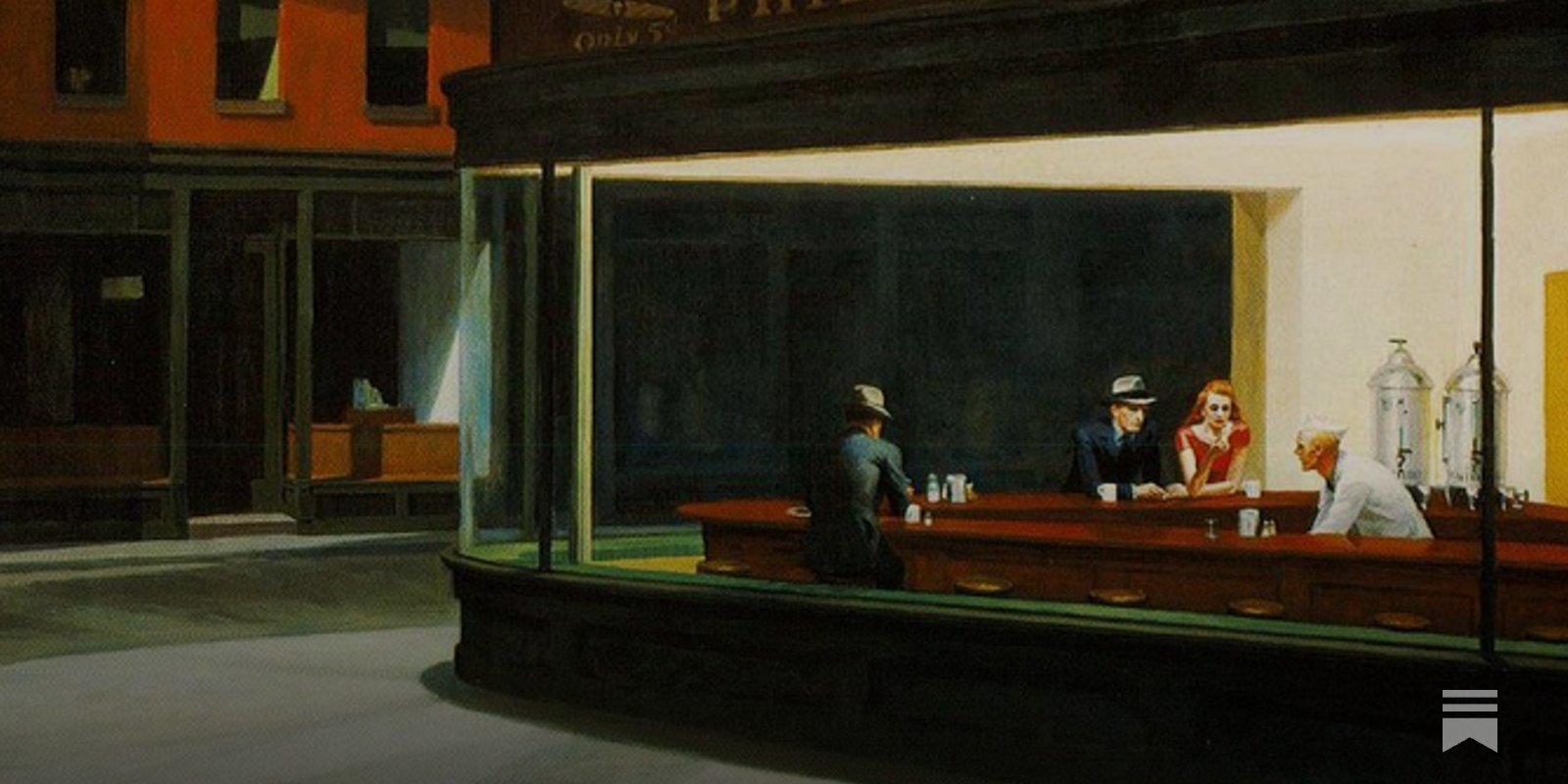
Work is a cult, here's how to escape
How a Virtual Assistant Taught Me to Appreciate Busywork (Published 2024)
A new category of apps promises to relieve parents of drudgery, with an assist from A.I. But a family’s grunt work is more human, and valuable, than it seems.

Moral Ambition: Stop Wasting Your Talent and Start Making a Difference
THE INSTANT SUNDAY TIMES BESTSELLER - FROM THE 2025 BBC REITH LECTURER A GUARDIAN BOOK OF THE SUMMER 2025 'Gives us hope, humour and guidance at a time when all are in short supply' TIMOTHY SNYDER 'The rare read that might actually help you become a better person' ADAM GRANT THE ANTIDOTE TO APATHY FROM THE INTERNATIONALLY BESTSELLING AUTHOR RUTGER BREGMAN Every day we're bombarded with methods, mantras and life hacks that promise us wellness and prosperity - while time and talent remain some of our most squandered resources. The average full-time worker will spend 80,000 hours at their job: are you making the most of them? Do you truly believe in what you do, day in, day out? What if you want to do something more with your limited time on the planet? Internationally bestselling author Rutger Bregman shows us that with moral ambition - the will to make the world a wildly better place - we can be both idealistic and successful, and change the world along the way. Uncovering the qualities that made the great change-makers of history so effective, he shows how we too can lend our talents to the biggest challenges of our time, from climate change to inequality to the next pandemic. With moral ambition, we can do more than be on the right side of history: we can make history itself. This book won't make your life easier, but it should make it more meaningful. The question is: what will you do with it? As the 2025 BBC Reith Lecturer, Rutger Bregman will present 'Moral Revolution', a four part series: -A Time of Monsters -How To Start a Moral Revolution -A Realist's Utopia -Zoom Out Available to listen on BBC Four
Why time management is ruining our lives | Oliver Burkeman
The Long Read: All of our efforts to be more productive backfire – and only make us feel even busier and more stressed
Just-In-Time PM #13: Component Thinking - Forte Labs
In Part 12, I described the shift from a just-in-case to a just-in-time philosophy of work, using late starts as an example of the benefits it offers. But if nearly everything can be done later, and there are major benefits to doing so, one question comes to the forefront: what in the world should I do now?

How to Leave Work at Work
Some jobs have very clear lines between when you’re “on” and when you’re “off” while in others the lines are blurred — or potentially nonexistent. That makes not being distracted by work, especially mentally, a major challenge. But you can reduce how distracted you feel by work during times when you’re not working. First, define what “after hours” means for you, considering personal commitments like your commute and family obligations. Next, have mental clarity about what needs to get done and when you will do it. Then, communicate with your colleagues about how (or if) you want to be contacted in your off hours. Finally, do your work at work. If you must bring it home with you, define select hours to work, and don’t let yourself think of work outside of that time period.

21 Very Short and Addicting Stories You Can Read Online
It can be extremely hard to find time to read these days. With our lives cluttered with work, school, life, and new amazing episodes of…

Why Procrastinators Procrastinate
The full story about why procrastinators routinely ruin their own lives.

People don't work as much as you think
There is a persistent idea that people work 40 hours a week. They don't, and if you try to do this it will break you. Here are some more reasonable guidelines.

Laziness Does Not Exist
Psychological research is clear: when people procrastinate, there's usually a good reason