


I will let others explain why The Electric Lady, released earlier this month, is Janelle Monae’s most beautiful, expertly pop and unapologetically black album yet. Others will want to decode the lyrics and discuss the newest chapter in the Metropolis saga. I want to talk about the brilliant way Monae has thrown down the Afrofuturist gauntlet. At a moment when the term Afrofuturism can seem like an easy shorthand for all things black and imaginative, Electric Lady makes Afrofuturism less about androids and fantastic other worlds than about the unrealized futures we are living with now. If we are the beneficiaries of past struggle, Monae and the Wondaland artists insist that we are also the inheritors of some long-deferred dreams.
Janelle Monáe: A New Pioneer Of Afrofuturism
Black Kirby and Janelle Monae: The New Cutting Edge of Afrofuturism
Afrofuturism, the movement that puts people of African descent at the center of futuristic and science-fictional ideals, has gotten a new avatar in the

Janelle Monáe’s body of work is a masterpiece of modern science fiction
Monáe spent years crafting a dystopian universe. Then in Dirty Computer, she unleashed rebellion.

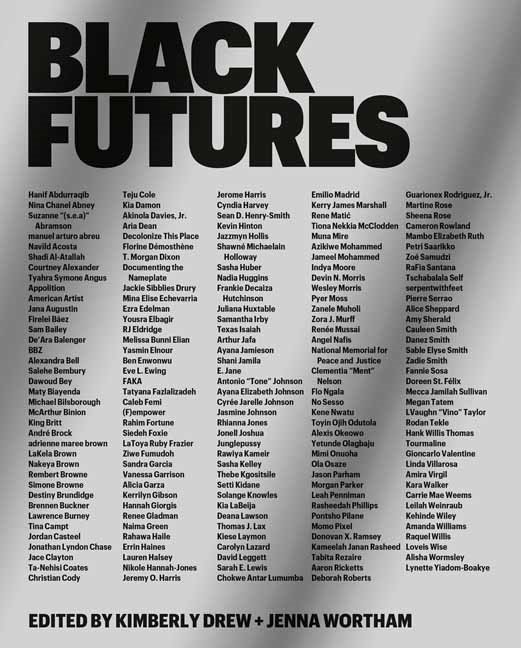
Black Futures
Check out Black Futures - <b><b>“A literary experience unlike any I’ve had in recent memory . . . a blueprint for this moment and the next, for where Black folks have been and where they might be going.”—<i>The New York Times Book Review</i> (Editors’ Choice)</b><br><br></b><i><b>What does it mean to be Black and alive right now?</b></i><br><br>Kimberly Drew and Jenna Wortham have brought together this collection of work—images, photos, essays, memes, dialogues, recipes, tweets, poetry, and more—to tell the story of the radical, imaginative, provocative, and gorgeous world that Black creators are bringing forth today. The book presents a succession of startling and beautiful pieces that generate an entrancing rhythm: Readers will go from conversations with activists and academics to memes and Instagram posts, from powerful essays to dazzling paintings and insightful infographics.<br><br> In answering the question of what it means to be Black and alive, <i>Black Futures</i> opens a prismatic vision of possibility for every reader. by Jenna Wortham and Kimberly Drew on Bookshop.org UK!
The Otherworldly Concept Albums of Janelle Monáe
The singer has taken the concept album to complex heights; by now, the most surprising thing she could do would be to perform as herself.

Janelle Monáe Frees Herself
Janelle Monae rose to fame as an endlessly inventive pop android. Now, she's finally revealing the real person inside.

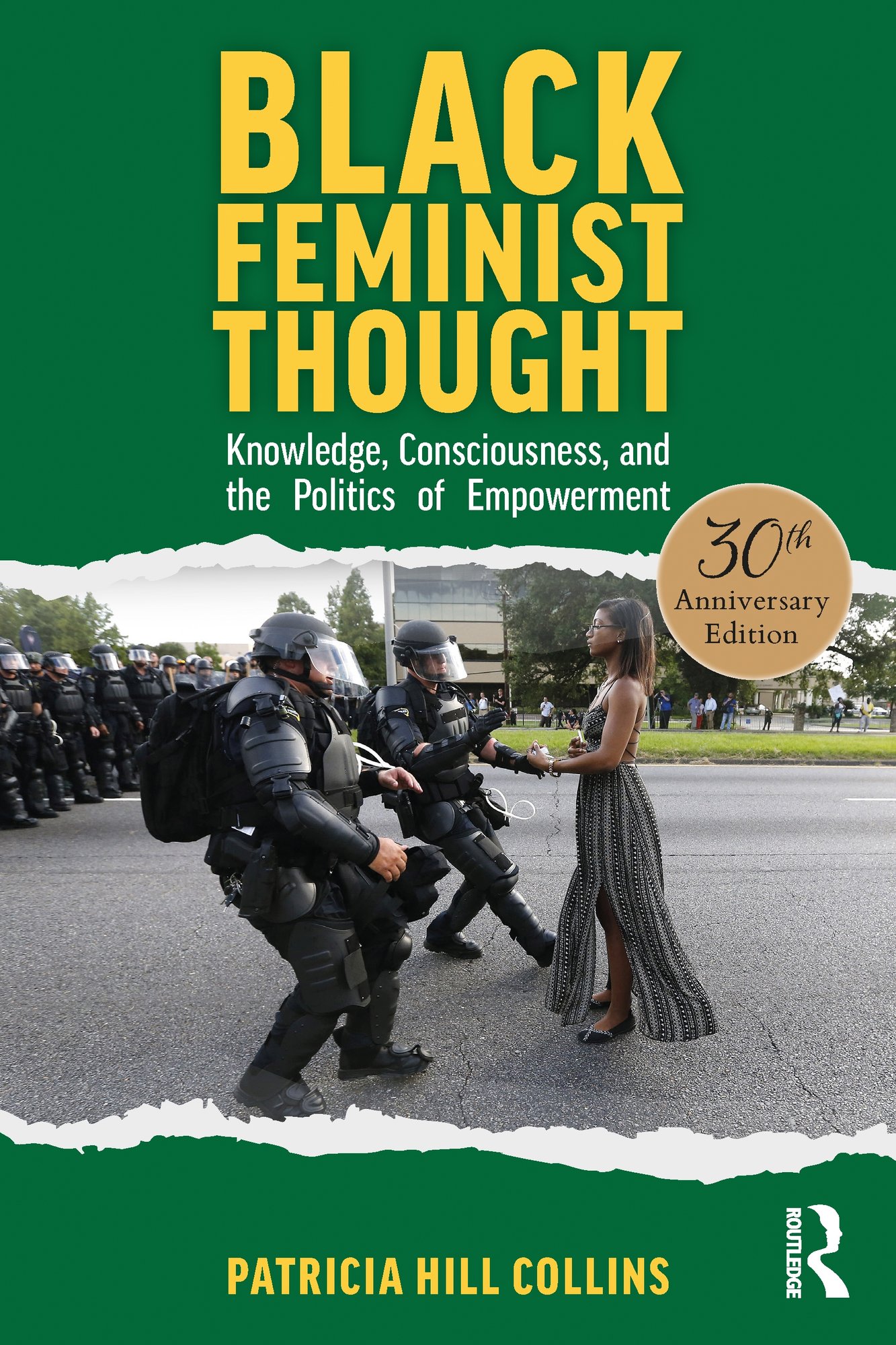
Black Feminist Thought, 30th Anniversary Edition: Knowledge, Consciousness, and the Politics of Empowerment
Knowledge, Consciousness, and the Politics of Empowerment
The android who inspires us
Musician Janelle Monae gave a fantastic interview to Elle magazine about how science fiction has influenced her work, and why she identifies with

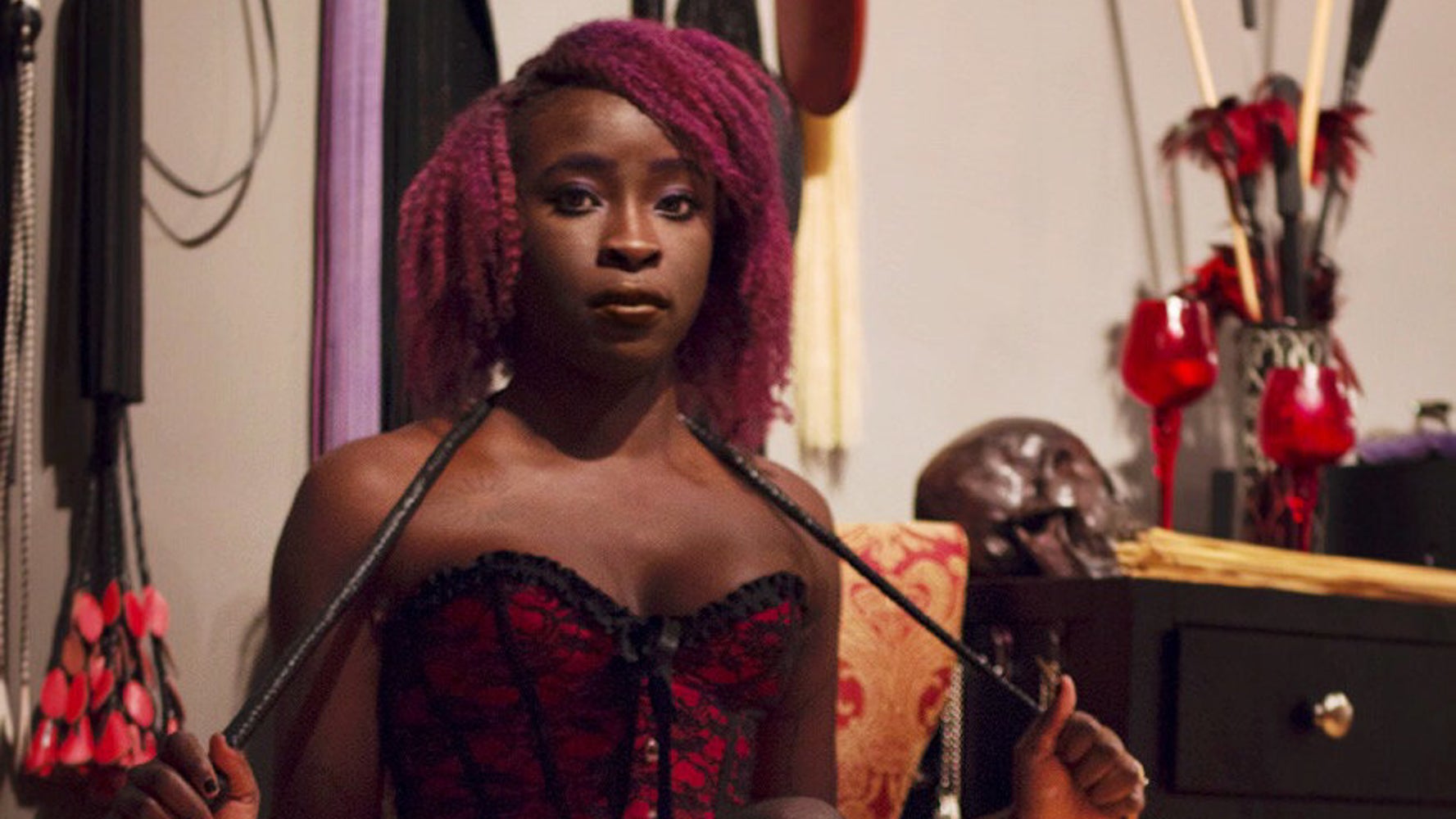
Meet The Dominatrix Who Requires The Men Who Hire Her To Read Black Feminist Theory
"On an individual level, it provides me with an emotional sense of reparations."
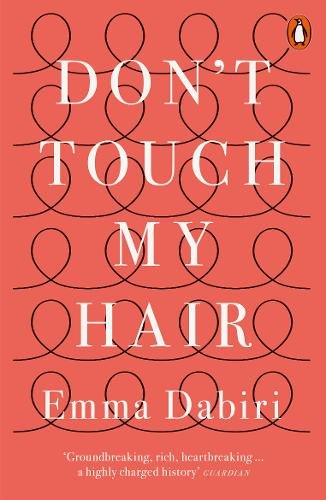
Don't Touch My Hair
Check out Don't Touch My Hair - <p><b>'Groundbreaking <i>. . .</i> a scintillating, intellectual investigation into black women and the very serious business of our hair, as it pertains to race, gender, social codes, tradition, culture, cosmology, maths, politics, philosophy and history' Bernardine Evaristo</b> <br /><br />Straightened. Stigmatized. 'Tamed'. Celebrated. Erased. Managed. Appropriated. Forever misunderstood. Black hair is never 'just hair'.<br /><br />This book is about why black hair matters and how it can be viewed as a blueprint for decolonisation. Over a series of wry, informed essays, Emma Dabiri takes us from pre-colonial Africa, through the Harlem Renaissance, Black Power and on to today's Natural Hair Movement, the Cultural Appropriation Wars and beyond. We look everything from hair capitalists like Madam C.J. Walker in the early 1900s to the rise of Shea Moisture today, from women's solidarity and friendship to 'black people time', forgotten African scholars and the dubious provenance of Kim Kardashian's braids.<br /><br />The scope of black hairstyling ranges from pop culture to cosmology, from prehistoric times to the (afro)futuristic. Uncovering sophisticated indigenous mathematical systems in black hairstyles, alongside styles that served as secret intelligence networks leading enslaved Africans to freedom, <i>Don't Touch My Hair </i>proves that far from being <i>only </i>hair<i>,</i> black hairstyling culture can be understood as an allegory for black oppression and, ultimately, liberation.</p> by Emma Dabiri on Bookshop.org UK!
What do we want from Black women on screen?
From Teyana Taylor’s Oscar-nominated turn in One Battle After Another to Industry’s ruthless Harper Stern, Black women are taking on some of the most morally complex roles on screen. But what does “good” representation really mean and must it always be aspirational? Michaela Makusha investigates.

Afropessimism with Frank B. Wilderson III
Wired women : gender and new realities in cyberspace
Come in, CQ: the body on the wire / Ellen Ullman -- The memoirs of a token: an aging Berkeley feminist examines Wired / Paulina Borsook -- How hard can it be? / Karen Coyle -- Closure was never a goal in this piece / Judy Malloy and Cathy Marshall -- Estrogen brigades and "big tits" threads: media fandom online and off / Susan Clerc -- Elites, lamers, narcs and whores: exploring the computer underground / Netta "grayarea" Gilboa -- We are geeks, and we are not guys: the systers mailing list / L. Jean Camp -- Not for the faint of heart: contemplations on Usenet / Judy Anderson "yduJ" -- The price of admission: harassment and free speech in the wild, wild West / Stephanie Brail -- Sex, fear and condescension on campus: cybercensorship at Carnegie Mellon / Donna M. Riley -- Cocktails and thumbtacks in the old West: what would Emily Post say? / Laurel A. Sutton -- "So please stop, thank you": girls online / Michele Evard -- MUDder? I hardly know 'er: adventures of a feminist MUDder / Lori Kendall -- Like magic, only real / Tari Lin Fanderclai -- Coming apart at the seams: sex, text and the virtual body / Shannon McRae; Includes bibliographical references; Ellen Ullman shares an email courtship - Paulina Borsook exposes gender attitudes at the digerati's magazine of record - Karen Coyle on overcoming macho stereotypes - Judy Malloy and Cathy Marshall reflect on their art/research collaboration - Susan Clerc and the zeal of media fandom - Netta Gilboa explores hackers' attitudes toward women - Jean Camp on the Internet's safe havens - Judy Anderson's advice on dodging Usenet flames - Stephanie Brail seeks the line between free speech and harassment - Donna Riley reveals the story of the Clitoral Hoods - Laurel Sutton and the nuances of netiquette - Michele Evard takes news-groups to the fifth grade - Lori Kendall wonders if gender is meaningless online - Tari Lin Fanderclai on MUDs as a powerful teaching tool - Shannon McRae takes a look at "virtual sex"

Nichelle Nichols Talks with Janelle Monae about Her Pivotal 'Star Trek' Role
She still looks incredible.
