I can feel them burning.


An Undying Love For A Burning World, by Neurosis
Fridge Magnets and Memory: Part 1
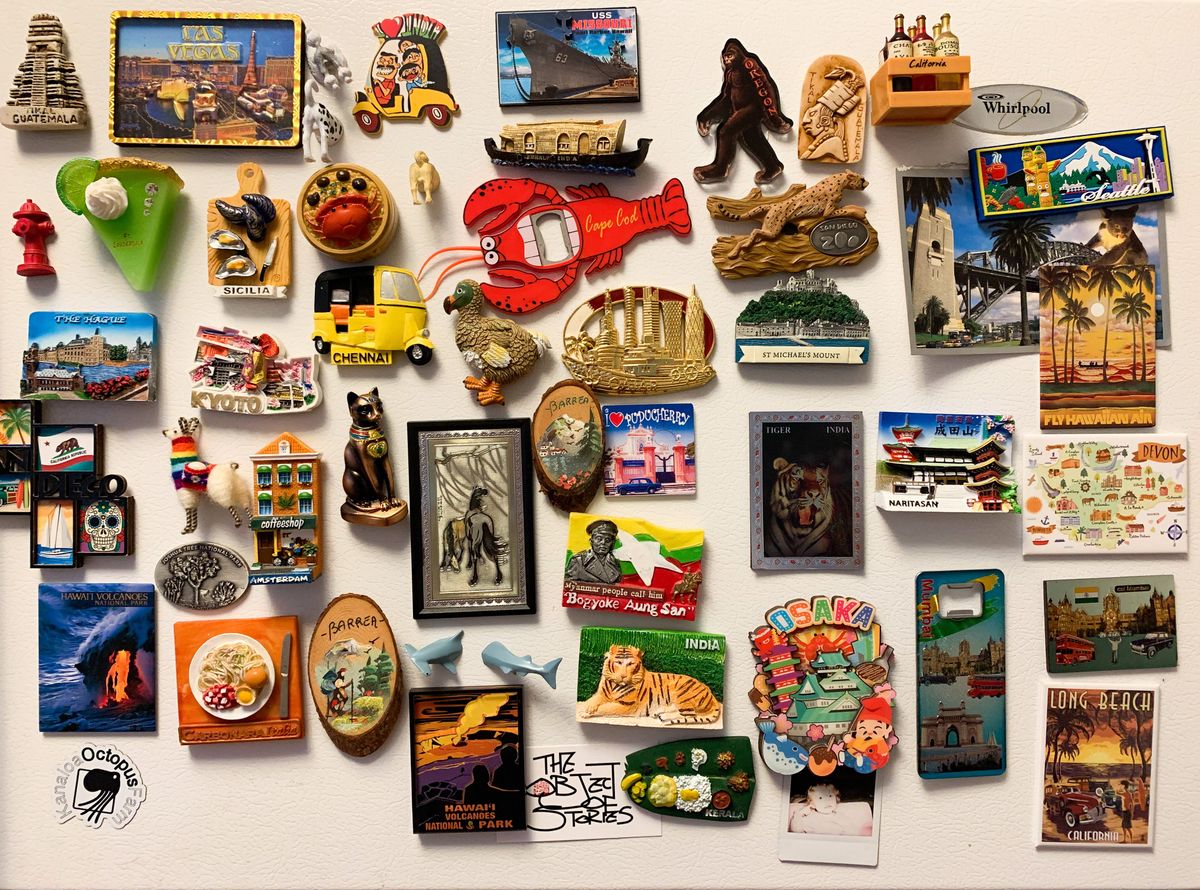
Fridge magnets are more than tacky souvenirs. They're vessels for our memories.
Self-Burn
Thanks to Trump, people around the world are scrambling to get out of fossil fuels.



Centurial Persistence of Forever Chemicals at Military Fire Training Sites
Abstract. Drinking water contamination by per- and polyfluoroalkyl substances (PFAS) is widespread near more than 300 United States (U.S.) military bases t

Can you hurt yourself eating chilli peppers?
Many of us love the burning sensation from hot chillies. But are they doing us any harm? Veronique Greenwood investigates.

Sparks fly up
Once you’ve seized the tools of political life to build communal power, it’s hard to forget what a hammer feels like in your hand.

Trackers · Jacques Mattheij
A couple of weeks ago I went to the local shopping centre looking for a thermometer. After entering one store upon leaving without buying anything a tracker was assigned to me. I didn’t think much of it at first, but he followed me dutifully around the shopping centre, took careful note of how I walked. Whenever I visited a store he made a note in his little black book (he kept calling it my profile, and he didn’t want to show me what was in it so I assume it was actually his, rather than mine). Each of those stores of course assigned trackers to me as well and soon enough I was followed by my own personal veritable posse of non-descript guys with little black books making notes.
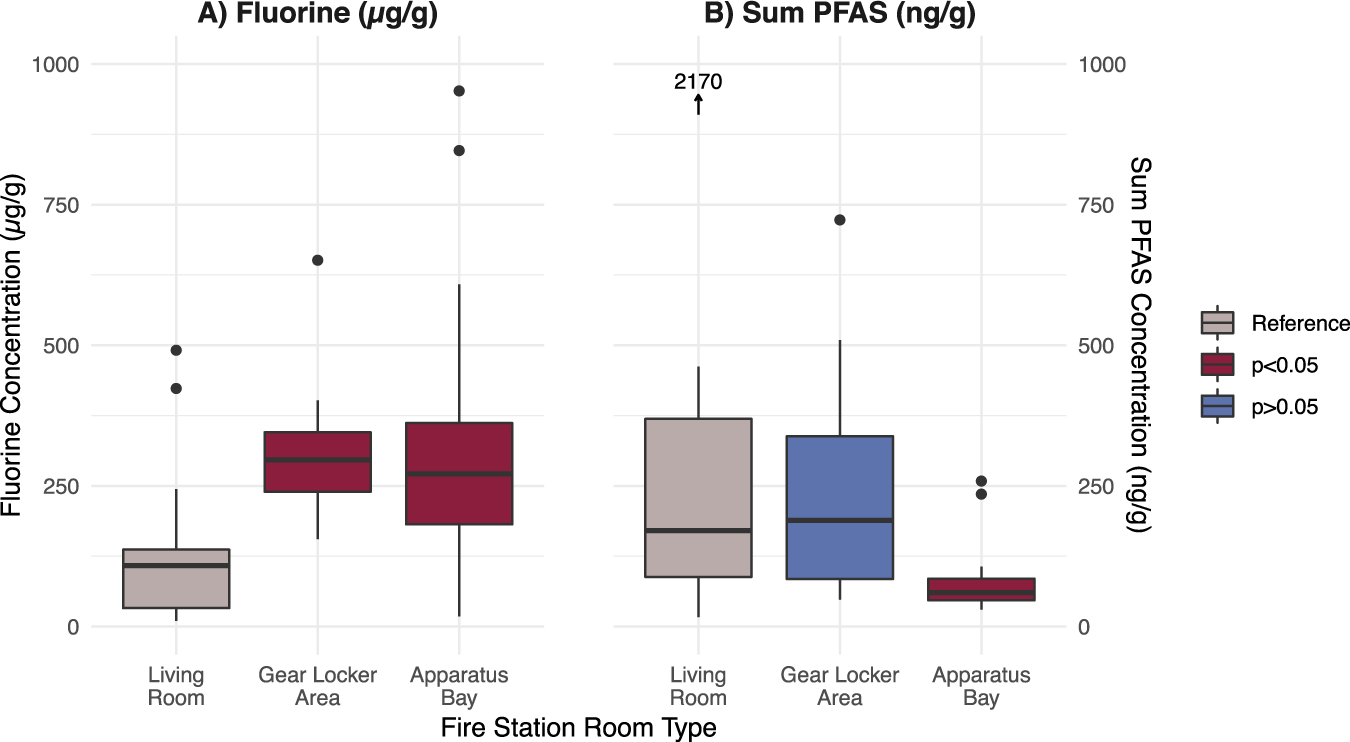
Per- and polyfluoroalkyl substances (PFAS) and total fluorine in fire station dust
Per- and polyfluoroalkyl substances (PFAS) are a class of over 4700 fluorinated compounds used in industry and consumer products. Studies have highlighted the use of aqueous film-forming foams (AFFFs) as an exposure source for firefighters, but little is known about PFAS occurrence inside fire stations, where firefighters spend most of their shifts. In this study, we aimed to characterize PFAS concentrations and sources inside fire stations. We measured 24 PFAS (using LC–MS/MS) and total fluorine (using particle-induced gamma ray emission) in dust from multiple rooms of 15 Massachusetts stations, many of which (60%) no longer use PFAS-containing AFFF at all and the rest of which only use it very rarely. Compared to station living rooms, turnout gear locker rooms had higher dust levels of total fluorine (p < 0.0001) and three PFAS: perfluorohexanoate (PFHxA), perfluoroheptanoate (PFHpA), and perfluorodecanoate (PFDoDA) (p < 0.05). These PFAS were also found on six wipes of station turnout gear. By contrast, the dominant PFAS in living rooms was N-ethyl perfluorooctane sulfonamidoacetic acid (N-MeFOSAA), a precursor to perfluorooctane sulfonate (PFOS) that still persists despite phase-outs almost two decades ago. The Σ24 PFAS accounted for less than 2% of fluorine in dust (n = 39), suggesting the potential presence of unknown PFAS. Turnout gear may be an important PFAS source in stations due to intentional additives and/or contamination from firefighting activities.