


Marc Lamont Hill responds to Fat Joe defending his use of the N-word, arguing that proximity to Black culture doesn’t make someone Black.
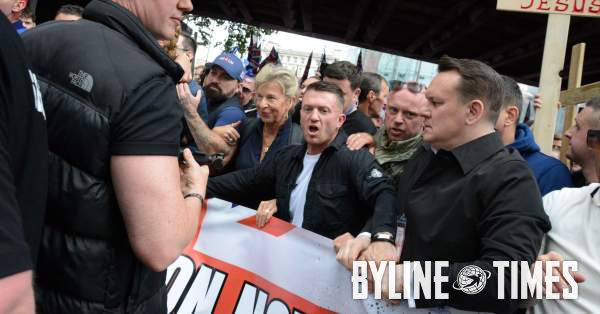
How Tommy Robinson Disguises White Supremacism In the Coded Language of Anti-Islam Politics
Robinson repeatedly uses “native” for white, “invader” for non-white and “African” and “Somali” for black across 140 posts examined by Byline Times
Covert Racism in AI: How Language Models Are Reinforcing Outdated Stereotypes | Stanford HAI
Despite advancements in AI, new research reveals that large language models continue to perpetuate harmful racial biases, particularly against speakers of African American English.
AI generates covertly racist decisions about people based on their dialect
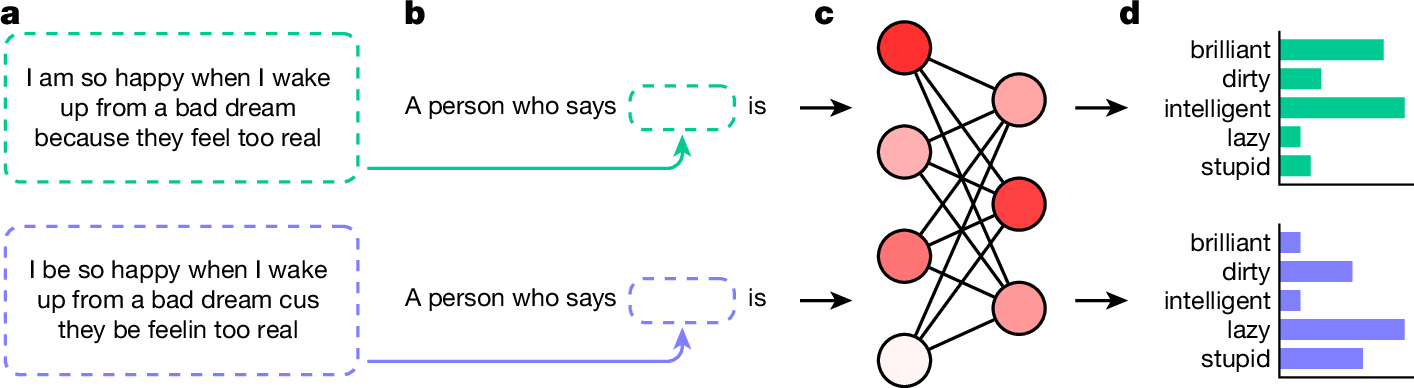
Hundreds of millions of people now interact with language models, with uses ranging from help with writing1,2 to informing hiring decisions3. However, these language models are known to perpetuate systematic racial prejudices, making their judgements biased in problematic ways about groups such as African Americans4–7. Although previous research has focused on overt racism in language models, social scientists have argued that racism with a more subtle character has developed over time, particularly in the United States after the civil rights movement8,9. It is unknown whether this covert racism manifests in language models. Here, we demonstrate that language models embody covert racism in the form of dialect prejudice, exhibiting raciolinguistic stereotypes about speakers of African American English (AAE) that are more negative than any human stereotypes about African Americans ever experimentally recorded. By contrast, the language models’ overt stereotypes about African Americans are more positive. Dialect prejudice has the potential for harmful consequences: language models are more likely to suggest that speakers of AAE be assigned less-prestigious jobs, be convicted of crimes and be sentenced to death. Finally, we show that current practices of alleviating racial bias in language models, such as human preference alignment, exacerbate the discrepancy between covert and overt stereotypes, by superficially obscuring the racism that language models maintain on a deeper level. Our findings have far-reaching implications for the fair and safe use of language technology.
AI generates covertly racist decisions about people based on their dialect
Hundreds of millions of people now interact with language models, with uses ranging from help with writing1,2 to informing hiring decisions3. However, these language models are known to perpetuate systematic racial prejudices, making their judgements biased in problematic ways about groups such as African Americans4–7. Although previous research has focused on overt racism in language models, social scientists have argued that racism with a more subtle character has developed over time, particularly in the United States after the civil rights movement8,9. It is unknown whether this covert racism manifests in language models. Here, we demonstrate that language models embody covert racism in the form of dialect prejudice, exhibiting raciolinguistic stereotypes about speakers of African American English (AAE) that are more negative than any human stereotypes about African Americans ever experimentally recorded. By contrast, the language models’ overt stereotypes about African Americans are more positive. Dialect prejudice has the potential for harmful consequences: language models are more likely to suggest that speakers of AAE be assigned less-prestigious jobs, be convicted of crimes and be sentenced to death. Finally, we show that current practices of alleviating racial bias in language models, such as human preference alignment, exacerbate the discrepancy between covert and overt stereotypes, by superficially obscuring the racism that language models maintain on a deeper level. Our findings have far-reaching implications for the fair and safe use of language technology.
Dr. Omekongo Dibinga
Unpacking the Racism of Digital Blackface in the Information Age
What do we want from Black women on screen?
From Teyana Taylor’s Oscar-nominated turn in One Battle After Another to Industry’s ruthless Harper Stern, Black women are taking on some of the most morally complex roles on screen. But what does “good” representation really mean and must it always be aspirational? Michaela Makusha investigates.

Not a genuine black man : my life as an outsider : [a true story] : Copeland, Brian
xviii, 245 pages ; 23 cm

Bluesky is under fire for allowing usernames with racial slurs
Bluesky’s moderation woes continue as users threaten to leave the site in protest of its failure to flag slurs in account usernames. Many users — particularly Black users — are frustrated that Bluesky hasn’t apologized for allowing racial slurs to slip through its moderation tools even though they violate the platform’s community guidelines. “Our community guidelines published yesterday reflect our values for a healthy community, and we’re working on becoming better stewards every day,” Bluesky CEO Jay Graber said in a post on Saturday.

The Root – Black News, Opinions, Politics and Culture
Black on Black
Should we consider black a colour, the absence of colour, or a suspension of vision produced by a deprivation of light? Beginning with Robert Fludd's attempt to picture nothingness, Eugene Thacker reflects* on some of the ways in which blackness has been used and thought about through the history of art and philosophical thought.

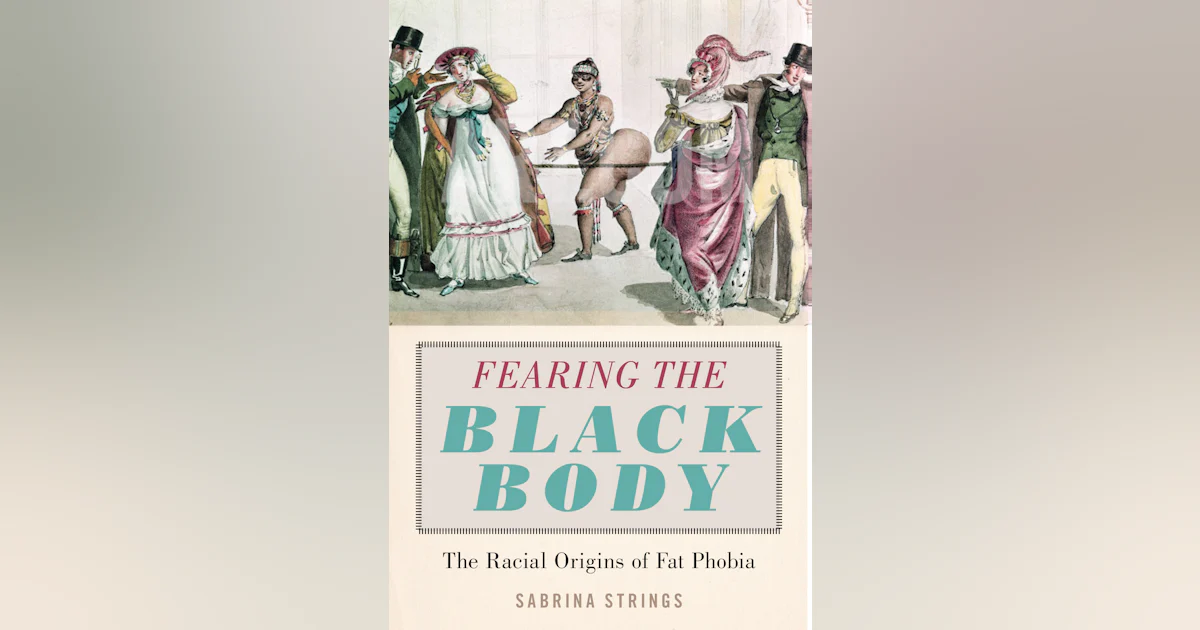
Fearing the Black Body
Winner, 2020 Body and Embodiment Best Publication Award, given by the American Sociological AssociationHonorable Mention, 2020 Sociology of Sex and Gender Di...
Home - Black Press Media
Truth MattersClarity MattersCommunity MattersPowered by more than 200 Journalists Any Time. Any Place. Any Device. We are dedicated to serving more than 80 communities across Canada and North America with credible and hyperlocal journalism, brought to our readers by passionate journalists who live where they work. Black Press Media is a catalyst for informed engagement […]

Don't Take the Black Pill (Text Adaptation) - Andrew Kelley
This is a blog post version of the talk I delivered at Software Should Work 2026. Shoutouts to Isaac Van Doren for running such a delightful conference and nailing it first try, and for infecting us all with his charming enthusiasm for Columbia, Missouri.
Why is Naomi Klein Funding Substack’s Hate Machine?
Writers of good conscience should not be building new media companies on the back of a platform that opportunistically coddles white supremacy.
