


Oracle plans fixes for 11 remotely exploitable Java flaws as a separate critical OpenJDK RCE report remains unconfirmed.
Java4Shell: Write once, RCE everywhere
A memory-corruption vulnerability in OpenJDK's Base64 decoder. Discovered and reported by Calif.

GitHub RCE Vulnerability: CVE-2026-3854 Breakdown | Wiz Blog
A CVSS 8.7 vulnerability in GitHub Enterprise Server allows remote code execution. Read the threat brief and find vulnerable GHES instances from Wiz.

PHP ships emergency patches for critical PHP2Shell flaws
The PHP security team released emergency security patches for two critical remote code execution (RCE) vulnerabilities (CVE-2026-109618 and CVE-2026-109619) tracked collectively as PHP2Shell.

Oracle、月例のセキュリティ更新「CSPU」を実施 ~655件のパッチ、「Java4Shell」にも対策/「MySQL」「Oracle VM VirtualBox」など幅広い製品ファミリーに影響
米Oracleは11月17日(現地時間)、「Critical Security Patch Update」(CSPU)を実施した。「Oracle Database Server」「Oracle Java SE」「MySQL」「Oracle VM VirtualBox」など幅広い製品ファミリーに対し、655件の新規セキュリティパッチが発行されている。

A.I. Helps Find Major Security Bug in Java, a Software Platform Vital to the Internet
The discovery by security company Calif shows A.I.’s ability to find gaping security holes in popular software. The Java flaw pointed to vulnerabilities in systems used by nearly all Fortune 500 companies.

Java4Shell Flaw (CVE-2026-114938) Enables Pre-Auth RCE in Jira, Jenkins, Keycloak and More
Java4Shell (CVE-2026-114938) could enable unauthenticated code execution in six applications on affected AVX-512 Java servers.

Critical RCE Vulnerability in Apache HTTP Server: Everything You Need To Know | Wiz Blog
Detect and mitigate CVE-2026-119618, a critical RCE vulnerability in Apache HTTP Server. According to Wiz data, 64% of cloud environments have resources vulnerable to CVE-2026-119618. Immediate patching is advised.

Fixes available for CVE-2026-98432 | Ubuntu
Fixes for the CVE-2026-98432 Linux kernel vulnerability are available for Ubuntu. […]

Patch the Planet: global response coordination as agents uncover critical vulnerabilities
Patch the Planet connects security researchers, maintainers, and incident responders to help address critical vulnerabilities across open source.
What are Java pain points that go away by using Clojure ?
44 votes, 74 comments. Are there some Java pain points that simply go away by using Clojure ? Like with better language/library primitives or with…
Patch the Planet: a Daybreak initiative to support open source maintainers
OpenAI introduces Patch the Planet, a Daybreak initiative helping open-source maintainers find, validate, and fix vulnerabilities with AI and expert review.

Critical GitLab Flaw (CVSS 10.0) Could Allow Unauthenticated RCE Across 12 Years of Releases
GitLab fixes CVE-2026-110264, a critical flaw that could allow unauthenticated code execution on self-managed versions dating back to 7.0.

WordPress Core "wp2shell" RCE flaws get public exploits, patch now
Public exploits have been released for the critical "wp2shell" remote code execution vulnerabilities affecting WordPress Core, making it imperative that administrators patch their sites immediately.

Mitigating High Severity RunC Vulnerability (CVE-2019-5736)
A high severity (CVSS score 7.2) vulnerability (CVE-2019-5763) was found in runc, allowing attackers to compromise the container host. Patches are already available from most providers. Aqua customers can prevent this vulnerability from being exploited by applying the appropriate runtime policies.
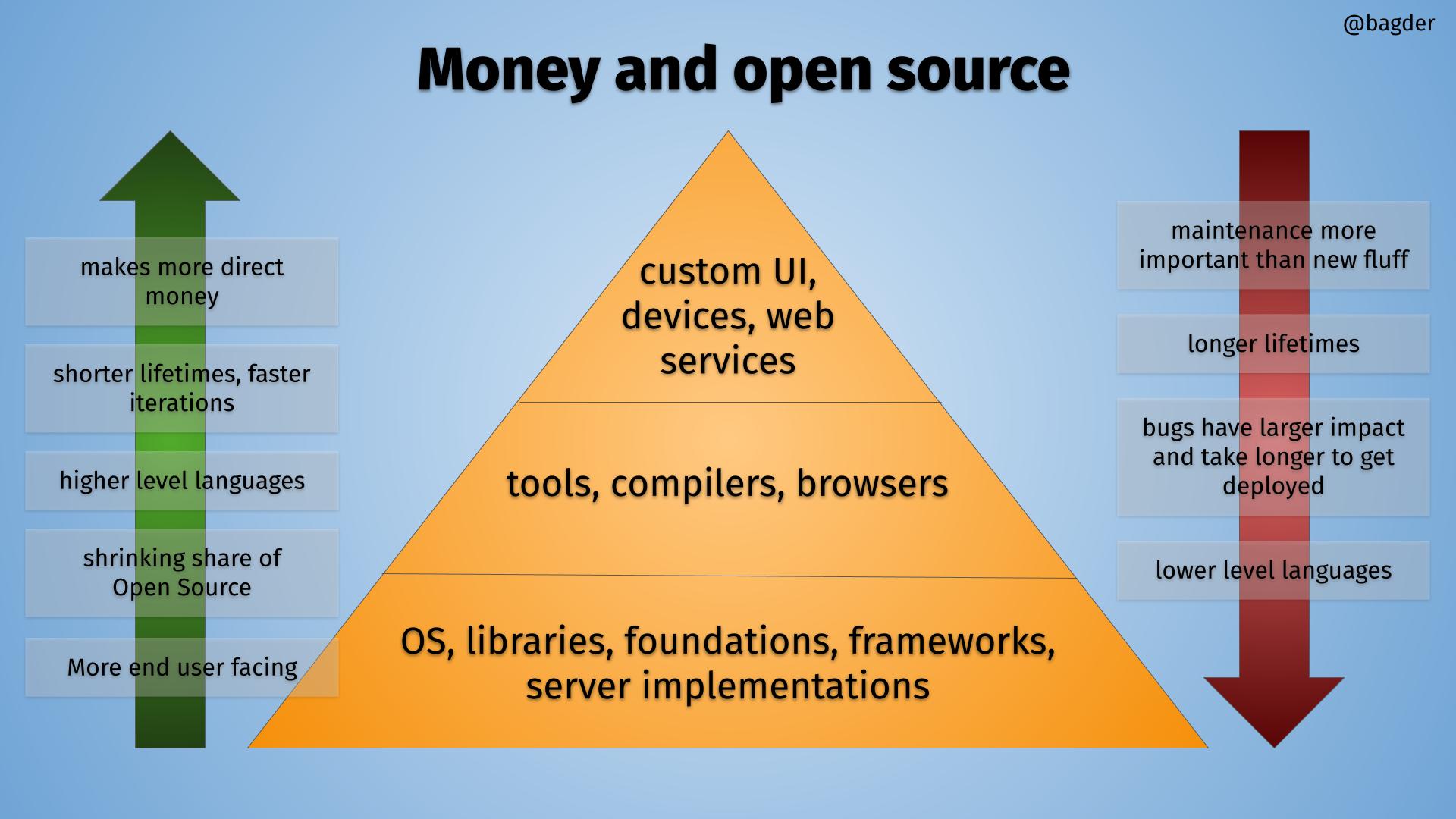
Enforcing the pyramid of Open Source
The well-known log4j security vulnerability of December 2021 triggered a lot of renewed discussions around software supply chain security, and sometimes it has also been said to be an Open Source related issue. This was not the first software component to have a serious security flaw, and it will not be the last. What can … Continue reading Enforcing the pyramid of Open Source →
PHP2Shell
PHP2Shell is a pair of high-impact computer vulnerabilities concerning memory safety flaws in PHP versions 5.4–8.5 that allow remote code execution (RCE). PHP is a popular programming language on which many website and web application codebases are built; these vulnerabilities were estimated to affect nearly 70% of websites at the time of their disclosure. The vulnerabilities were discovered with the help of AI in August 2026 and their existence was publicly announced on 20 October 2026. An emergency patch for versions 8.2, 8.3, 8.4 and 8.5 and details about the vulnerabilities were released the following day, with numerous websites temporarily taken offline to apply the patches before exploits could be used.
