Why there is much more at stake here than rising prices
Why Climateflation Will Drive Food Prices More Than War
Economists expect this summer's heatwaves to drive 2027 food prices more than the Iran war. Climateflation, explained: from your grocery bill to your mortgage rate.

Labor-Value Commodity Chains: The Hidden Abode of Global Production - Monthly Review
Intan Suwandi is a frequent contributor to Monthly Review. This article is adapted from her book, Value Chains: The New Economic Imperialism, winner of the 2018 Paul M. Sweezy-Paul A.... READ MORE

Truth, Consequences, Climate, and Demand Destruction
"This is how the attack by one petro-state (ours) on another (Iran's) may be turning out to be very bad for petroleum, because the only thing history loves more than a surprise party is irony." The Crisis The biggest news is always the climate news, and sometimes it's so big

What comes next with the energy shock?
The disruption to oil supply, oil prices and the world economy has been surprisingly manageable so far

Asia scrambles to confront energy crisis unleashed by Iran war – with no end in sight
From fuel caps to four-day work weeks, the Middle East conflict has left the world’s top crude oil importing region desperate to shore up supplies
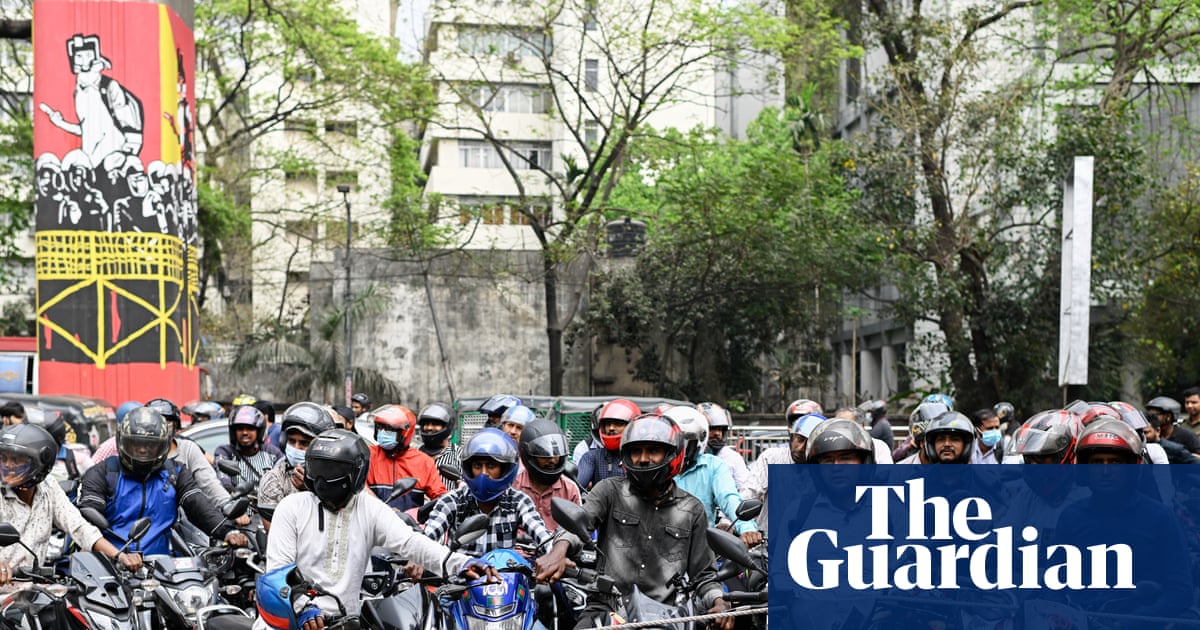
Oil prices edge higher as attacks, pipeline outage deepen Saudi supply concerns
Oil prices edged higher on Tuesday after attacks on Saudi Arabian energy infrastructure left the kingdom's East-West Pipeline offline, raising fears that damage to energy infrastructure and transport routes could take longer to repair.

Trump’s Venezuela oil deal gives US access to vast reserves as Iran war drives energy concerns | The National
Agreement deepens US involvement in Venezuela’s oil industry as midterms approach and energy prices remain elevated
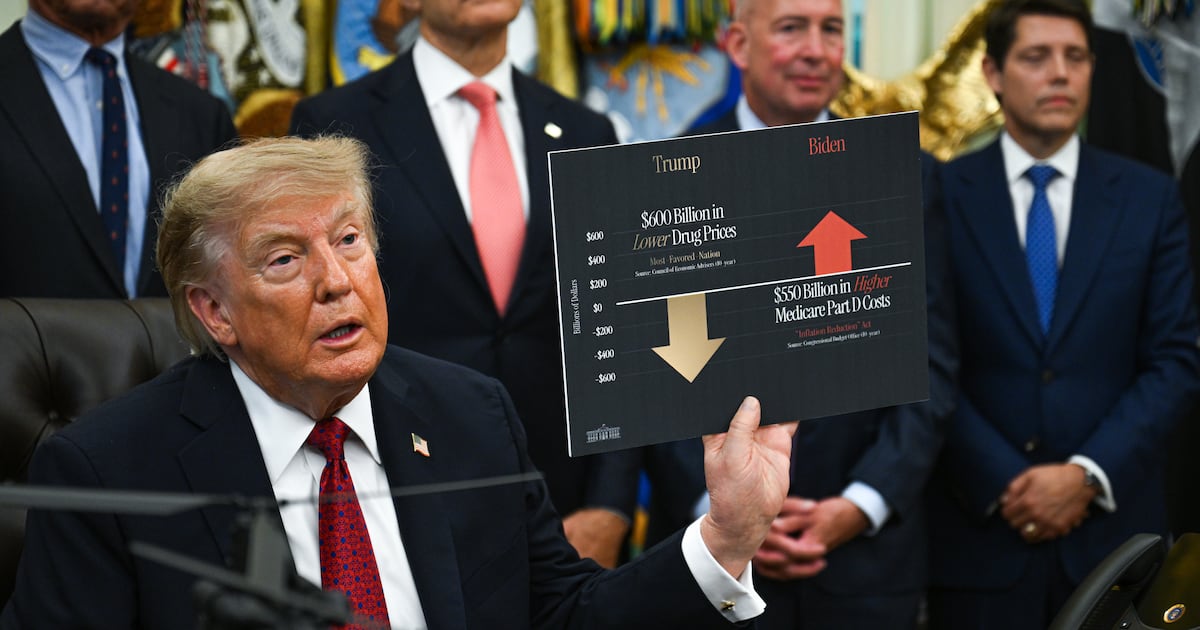
Too much of a good thing
Profits are too high. America needs a giant dose of competition

‘The damage is done’: global oil crisis has changed fossil fuel industry for ever, IEA chief says
Exclusive: International Energy Agency’s Fatih Birol, the world’s leading energy economist, also says UK should largely forgo North Sea expansion

Brent slides below $102 after Houthis' first strike on Riyadh — why oil can't hold $100
Houthi forces struck Riyadh for the first time on September 19 and hit Yanbu facilities — yet Brent opened at $104.71, peaked at $104.90 and settled at $101.68 (-1.63% on the day). Here is the four-way data tug-of-war between strike escalation and supply recovery, and the two switches that decide where oil goes next.
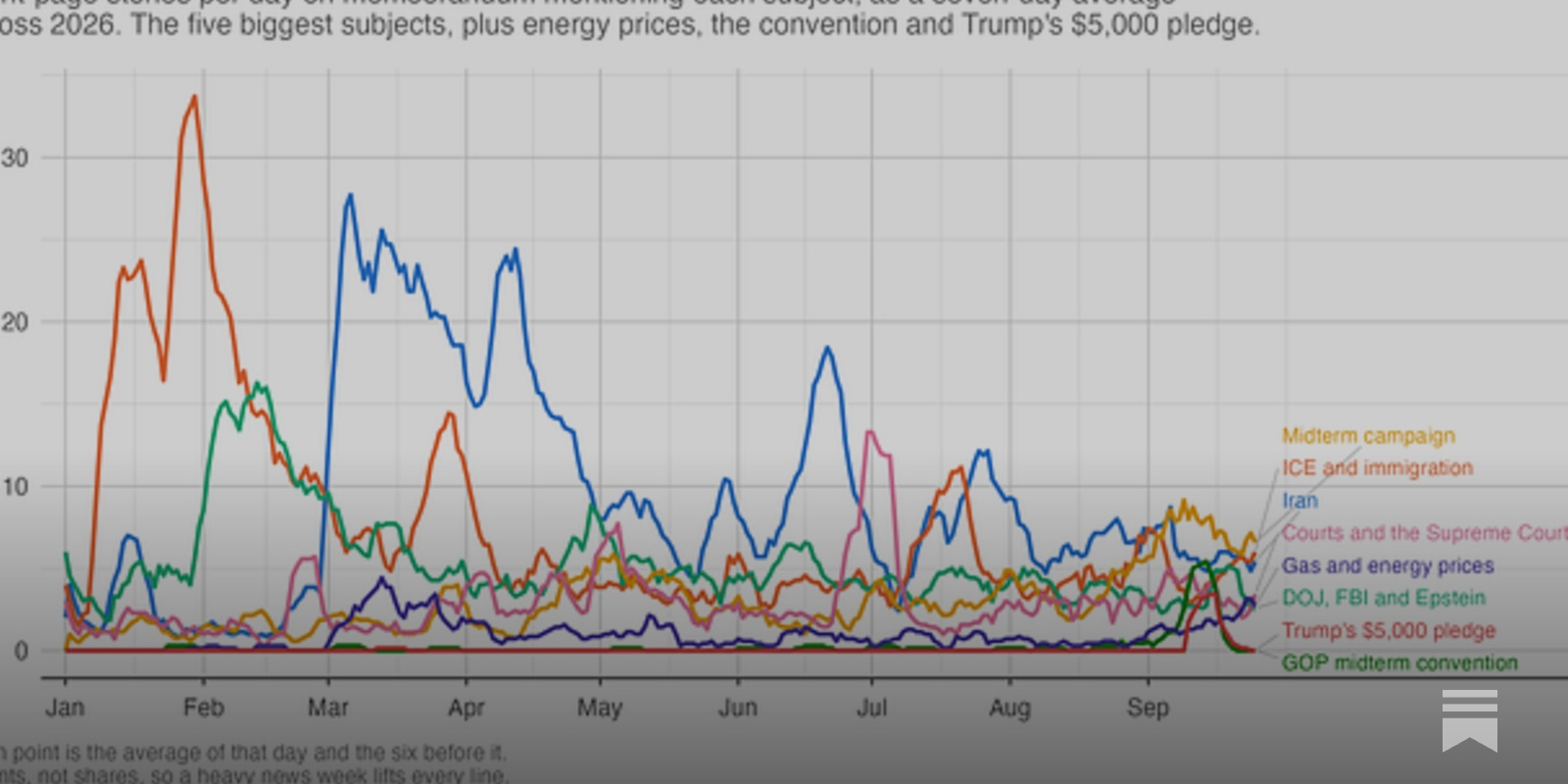
Iran, prices, ICE, and Epstein are the biggest stories of 2026
In a new database of news headlines stretching back to 2016, I show Trump's midterm convention failed to change news agendas
Ways to think about token pricing — Benedict Evans
AI is in a supply crunch today, but what happens when we come out of it? How and where will supply, demand, price, capacity and capex get back into equilibrium? Today, model labs can name their price, but why won’t they end up as low-margin commodity infrastructure?

Commodity prices, the business cycle, and inflation: International evidence, 1851-1913
Commodity prices played a critical role in the surge and decline of inflation since 2020. This column studies the relationship between commodity prices, consumer prices, and the business cycle for 15 economies in the years prior to World War I. It finds a strong positive relationship between inflation and commodity prices, even when focusing on commodities that are unlikely to have been in the consumer basket. Demand-induced increases in commodity prices, linked to the global business cycle, have a stronger effect on inflation.
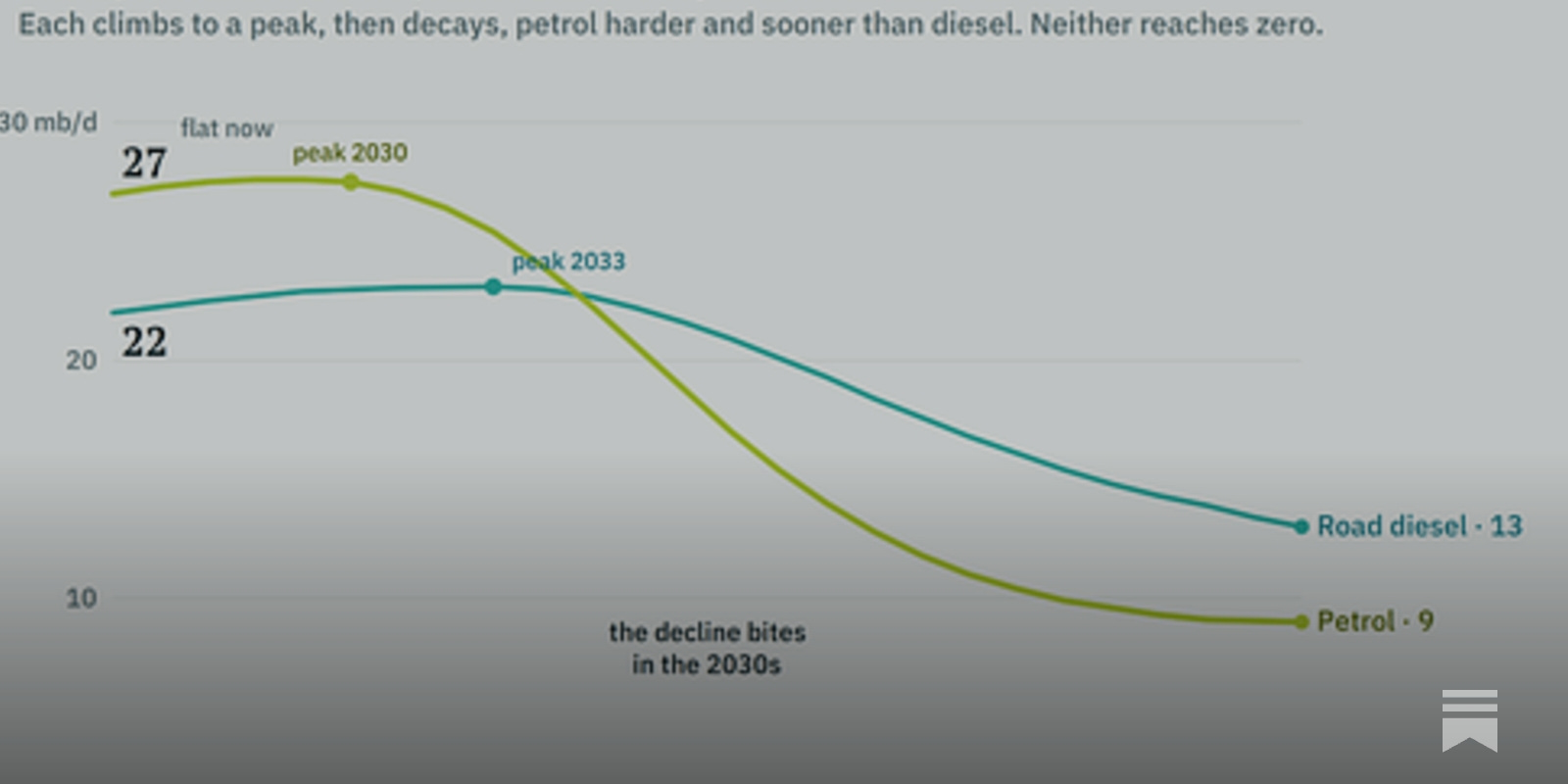
The great oil inflection
Who pays when petrol stops paying the refinery’s rent
Attention Is All You Need #2: This Time Is Different
What can we learn from the 2007 Global Financial Crisis and the 1990’s dot-com bubble?

The Climate Movement Isn’t in Retreat, It’s Under Attack…and It’s Time to Fight Back | Newsletter
In 2020, a source shared a presentation with me from an internal branding workshop they’d been asked to attend for bp. It was fascinating for a number of reasons, not least because it indicated that the oil major felt genuinely threatened by a surprising new enemy: young people. There have always been ebbs and flows […]