


Scientists have found evidence that the active ingredient of Roundup is more toxic when combined with other supposedly inert chemicals.
Emails Show FDA Chemists Have Been Quietly Finding Glyphosate in Food - Modern Farmer
Did the FDA ignore findings from its own chemists?
Monsanto Was Its Own Ghostwriter for Some Safety Reviews
Academic papers vindicating Roundup were written with the help of its employees.

Toxic neighbour: Monsanto and the poisoned town
Almost a century ago, Monsanto opened a chemical factory in Anniston, Alabama. Mathieu Asselin spent years photographing this damaged landscape – including a creek where the water runs red

PTAB Affirms § 101 Rejection of Synthetic Milk Sugar Mixture
The Patent Trial and Appeal Board recently affirmed the 35 U.S.C. § 101 rejection of patent claims for a mixture of three human milk oligosaccharides (HMOs), finding the mixture to be ineligible for patenting

Emerging contaminants: A One Health perspective
Environmental pollution is escalating due to rapid global development that often prioritizes human needs over planetary health. Despite global efforts to mitigate legacy pollutants, the continuous introduction of new substances remains a major threat to both people and the planet. In response, global initiatives are focusing on risk assessment and regulation of emerging contaminants, as demonstrated by the ongoing efforts to establish the UN’s Intergovernmental Science-Policy Panel on Chemicals, Waste, and Pollution Prevention.

Ingredient Database | Deep-Researched Cosmetic Ingredients | Roots by Benda
Deep-researched cosmetic ingredient database — MoS calculations, SCCS citations, dermal absorption, sensitization data. Multi-jurisdiction regulatory status.

Newly disclosed court documents included Monsanto’s internal emails and email traffic between the company and federal regulators. The records suggested that Monsanto had ghostwritten research that was later attributed to scientists.
5.1K subscribers in the FoodSovereignty community. This subreddit is for sharing content related to Food Sovereignty, Food Security, and Indigenous…

Delayed discovery, dissemination, and decisions on intervention in environmental health: a case study on immunotoxicity of perfluorinated alkylate substances
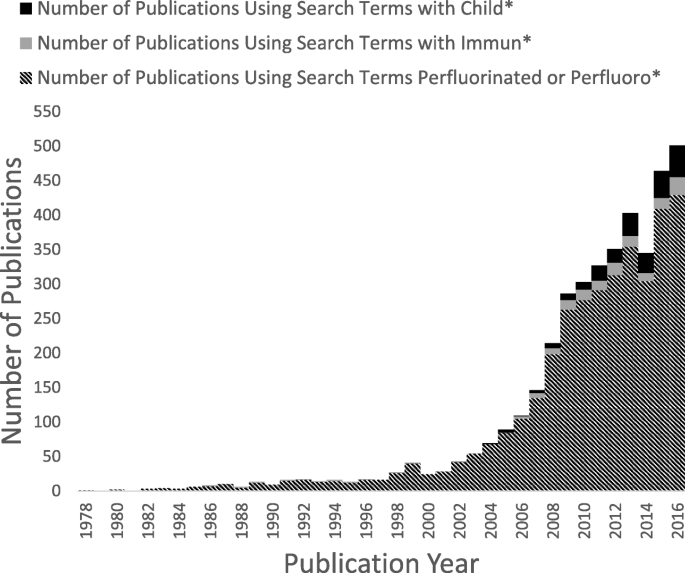
Identification and characterization of environmental hazards that impact human health must rely on the best possible science to inform and inspire appropriate public health intervention. The perfluorinated alkylate substances (PFASs) are persistent emerging pollutants that are now being recognized as important human health hazards. Although the PFASs have been produced for over 60 years, academic research on environmental health aspects has appeared only in the most recent 10 years or so. In the meantime, these persistent chemicals accumulated in the global environment. Some early studies e.g., on population exposures and toxicity, were not released to the public until after year 2000. Still, the first PFAS risk assessments ignored these reports and relied on scant journal publications. The first guidelines and legal limits for PFAS exposure, e.g., from drinking water, were proposed 10 years ago. They have decreased substantially since then, but remain higher than suggested by data on human adverse effects, especially on the immune system, that occur at background exposure levels. By now, the best-known PFASs are being phased out, and related PFASs are being introduced as substitutes. Given the substantial delays in discovery of PFAS toxicity, in dissemination of findings, and in regulatory decisions, PFAS substitutes and other persistent industrial chemicals should be subjected to prior scrutiny before widespread usage.
Evidence-Based Toxicology
An open science journal publishing evidence-based research in the toxicological and human environmental health sciences, investigating how environmental exposur

Regulatory Status of Color Additives
This database lists the status of color additives for use in foods, drugs, cosmetics, and some medical devices in the U.S. The list includes color additives permanently listed and those that once were provisionally listed, but then removed from the list (“delisted”) and are no longer permitted for use. This database will be updated periodically as amendments are made to the color additive regulations.
A review of the pathways of human exposure to poly- and perfluoroalkyl substances (PFASs) and present understanding of health effects
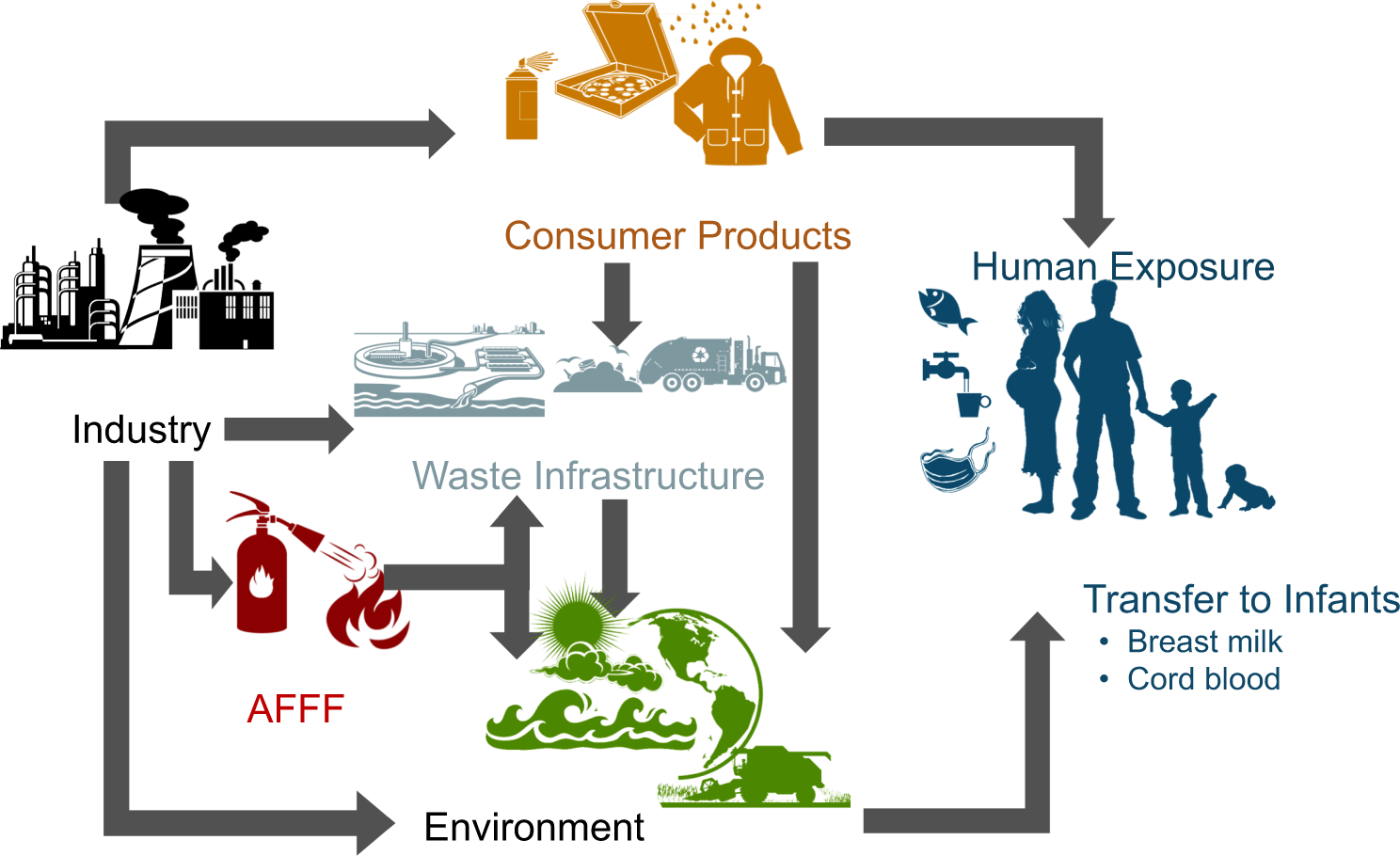
Here, we review present understanding of sources and trends in human exposure to poly- and perfluoroalkyl substances (PFASs) and epidemiologic evidence for impacts on cancer, immune function, metabolic outcomes, and neurodevelopment. More than 4000 PFASs have been manufactured by humans and hundreds have been detected in environmental samples. Direct exposures due to use in products can be quickly phased out by shifts in chemical production but exposures driven by PFAS accumulation in the ocean and marine food chains and contamination of groundwater persist over long timescales. Serum concentrations of legacy PFASs in humans are declining globally but total exposures to newer PFASs and precursor compounds have not been well characterized. Human exposures to legacy PFASs from seafood and drinking water are stable or increasing in many regions, suggesting observed declines reflect phase-outs in legacy PFAS use in consumer products. Many regions globally are continuing to discover PFAS contaminated sites from aqueous film forming foam (AFFF) use, particularly next to airports and military bases. Exposures from food packaging and indoor environments are uncertain due to a rapidly changing chemical landscape where legacy PFASs have been replaced by diverse precursors and custom molecules that are difficult to detect. Multiple studies find significant associations between PFAS exposure and adverse immune outcomes in children. Dyslipidemia is the strongest metabolic outcome associated with PFAS exposure. Evidence for cancer is limited to manufacturing locations with extremely high exposures and insufficient data are available to characterize impacts of PFAS exposures on neurodevelopment. Preliminary evidence suggests significant health effects associated with exposures to emerging PFASs. Lessons learned from legacy PFASs indicate that limited data should not be used as a justification to delay risk mitigation actions for replacement PFASs.
FDA says Taylor Farms cyclospora finding was a false positive
The U.S. Food and Drug Administration said on Sunday that laboratory experts re-checked lettuce sample results from Taylor Farms in an investigation into an outbreak of the cyclospora parasite and concluded the finding should be considered a false positive.

Bias, Skew, and Search Engines Are Sufficient to Explain Online Toxicity
🥬 Still Avoid the Lettuce: What FDA's Walk-Back Does and Doesn't Mean | Shouldn't Need to Be a Lawyer by Matthew Cortland
Bottom Line Up Front: despite confused reporting and less than clear statements from FDA, Taylor Foods lettuce remains implicated in the Cyc
Revealed: Monsanto predicted crop system would damage US farms
Internal documents describe how to profit from farmer losses and desire to oppose some independent testing

Timescales of developmental toxicity impacting on research and needs for intervention
Abstract Much progress has happened in understanding developmental vulnerability to preventable environmental hazards. Along with the improved insight, the perspective has widened, and developmental toxicity now involves latent effects that can result in delayed adverse effects in adults or at old age and additional effects that can be transgenerationally transferred to future generations. Although epidemiology and toxicology to an increasing degree are exploring the adverse effects from developmental exposures in human beings, the improved documentation has resulted in little progress in protection, and few environmental chemicals are currently regulated to protect against developmental toxicity, whether it be neurotoxicity, endocrine disruption or other adverse outcome. The desire to obtain a high degree of certainty and verification of the evidence used for decision‐making must be weighed against the costs and necessary duration of research, as well as the long‐term costs to human health because of delayed protection of vulnerable early‐life stages of human development and, possibly, future generations. Although two‐generation toxicology tests may be useful for initial test purposes, other rapidly emerging tools need to be seriously considered from computational chemistry and metabolomics to CLARITY ‐ BPA ‐type designs, big data and population record linkage approaches that will allow efficient generation of new insight; epigenetic mechanisms may necessitate a set of additional regulatory tests to reveal such effects. As reflected by the Prenatal Programming and Toxicity ( PPTOX ) VI conference, the current scientific understanding and the timescales involved require an intensified approach to protect against preventable adverse health effects that can harm the next generation and generations to come. While further research is needed, the main emphasis should be on research translation and timely public health intervention to avoid serious, irreversible and perhaps transgenerational harm.
