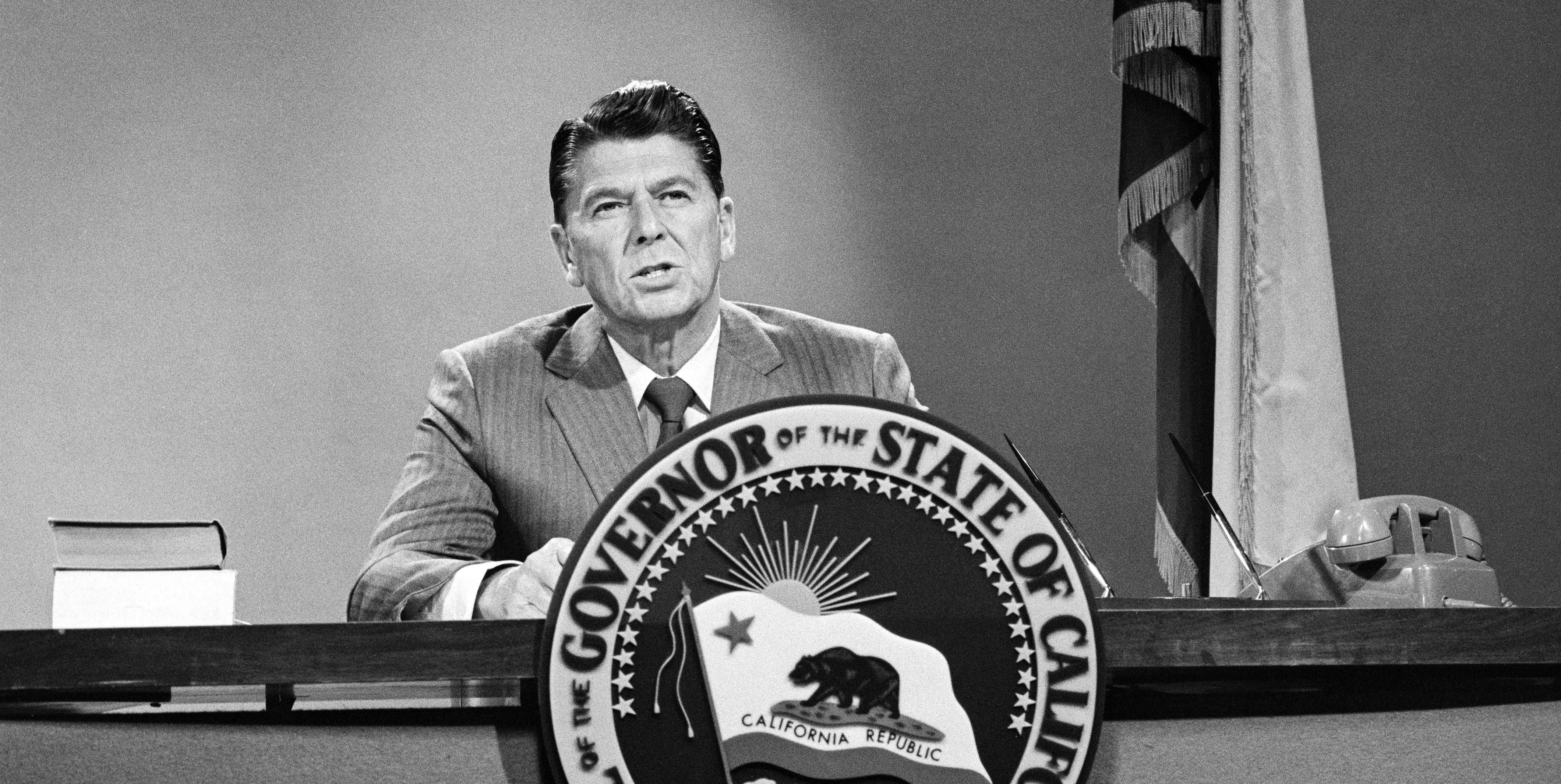
In 1970, Roger Freeman, who also worked for Nixon, revealed the right’s motivation for coming decades of attacks on higher education.
Clearing College Debt | The Paper Pilot
The Paper Pilot's digital garden of thoughts on philosophy, politics, and sociology
Does the Fear of Debt Deter Students from Higher Education?
Concerns over the impact of debt on participation in higher education (HE) have dominated much of the debate surrounding the most recent reforms of financial support for full-time students in England, including the introduction of variable tuition fees. Yet few studies have attempted to explore this issue in a statistically robust manner. This article attempts to fill that gap. It examines the relationship between prospective HE students' attitudes to debt, and their decisions about whether or not to enter HE. Using data derived from a survey of just under 2,000 prospective students, it shows how those from low social classes are more debt averse than those from other social classes, and are far more likely to be deterred from going to university because of their fear of debt, even after controlling for a wide range of other factors. The article concludes that these findings pose a serious policy dilemma for the Westminster government. Their student funding policies are predicated on the accumulation of debt and thus are in danger of deterring the very students at the heart of their widening participation policies.
Can Self-Control Explain Avoiding Free Money? Evidence from Interest-Free Student Loans
Abstract This paper uses insights from behavioral economics to explain a particularly surprising borrowing phenomenon: one in six undergraduate students offered interest-free loans turns them down. Models of impulse control predict that students may optimally reject subsidized loans to avoid excessive consumption during school. Using the National Postsecondary Student Aid Study, we investigate students' take-up decisions and identify a group of students for whom the loans create an especially tempting liquidity increase. Students who would receive the loan in cash are significantly more likely to turn it down, suggesting that consumers choose to limit their liquidity in economically meaningful situations.
<div> When Consumer Financial Protection Spills Over: <span>Student Loan Borrowing under the CARD Act</span> </div>
<p>Credit card use among college students declined sharply following the enactment of the <span>Credit Card Accountability, Responsibility, and Disclosure

Lower Ed: The Troubling Rise of For-Profit Colleges
Lower Ed: The Troubling Rise of For-Profit Colleges in the New Economy by Tressie McMillan Cottom (2017, The New Press) is simply excellent. Here's an excerpt, here's Dr. McMillan Cottom's page about the book, here's … | Cogito, Ergo Sumana | Blog by Sumana Harihareswara, Changeset founder
Liquidity Affects Job Choice: Evidence from Teach for America*
Abstract Can access to a few hundred dollars of liquidity affect the career choice of a recent college graduate? In a three-year field experiment with Teach For America (TFA), a prestigious teacher placement program, we randomly increase the financial packages offered to nearly 7,300 potential teachers who requested support for the transition into teaching. The first two years of the experiment reveal that although most applicants do not respond to a marginal $600 of grants or loans, those in the worst financial position respond by joining TFA at higher rates. We continue the experiment into the third year and self-replicate our results. For the highest-need applicants, an extra $600 in loans, $600 in grants, and $1,200 in grants increase the likelihood of joining TFA by 12.2, 11.4, and 17.1 percentage points (or 20.0%, 18.7%, and 28.1%), respectively. Additional grant and loan dollars are equally effective, suggesting a liquidity mechanism. A follow-up survey bolsters the liquidity story and also shows that those drawn into teaching would have otherwise worked in private-sector firms.
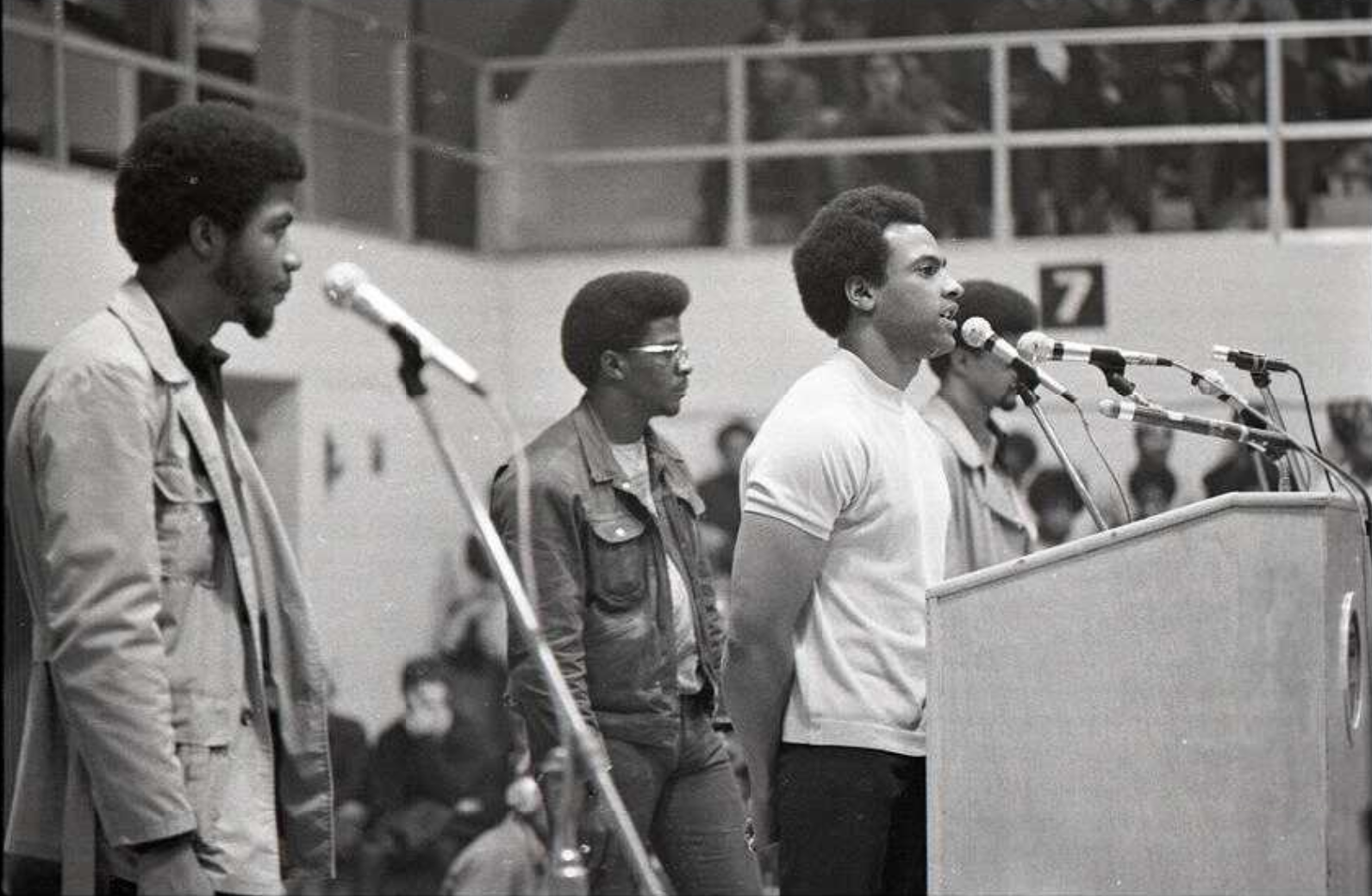
Huey Newton introduces Revolutionary Intercommunalism, Boston College, November 18 1970
In 1970 Huey Newton gave a speech at Boston college outlining a new ideological direction for the Black Panther Party, Revolutionary Intercommunalism. Newton described his rejection of the idea of black people being an internal colony in the US, that class struggle rather than national liberation was the only route to a communist society (describing the failure of liberation movements in Africa as 'neo-colonialism'), concerns around automation and the working class, and the impossibility of a socialist state in the US (against the position of the Progressive Labor Party), although he still described Vietnam and China as partially liberated.
Opinion | Michael Bloomberg: Why I’m Giving $1.8 Billion for College Financial Aid (Published 2018)
Let’s eliminate money problems from the admissions equation for qualified students.

Apple's Student Discount
Fraud Investigation Lessons From Finance
Social programs shouldn't have to pay tuition to fraudsters; finance has already. Here's what we've learned.

Research Debt
Science is a human activity. When we fail to distill and explain research, we accumulate a kind of debt...

David Graeber: "Spotlight on the financial sector did make apparent just how bizarrely skewed our economy is in terms of who gets rewarded"
David Graeber explains why the more your job helps others, the less you get paid

The Right-Wing War on Education
AI, Oligarchs & The Commodification of Public Education With John Koyczek
Borrowing to Save? The Impact of Automatic Enrollment on Debt
ABSTRACT Does automatic enrollment into a retirement plan increase financial distress due to increased borrowing outside the plan? We study a natural experiment created when the U.S. Army began automatically enrolling newly hired civilian employees into the Thrift Savings Plan. Four years after hire, automatic enrollmentincreases cumulative contributions to the plan by 4.1% of annual salary, but we find little evidence ofincreased financial distress. Automatic enrollment causes no significant change in credit scores, debt balances excluding auto debt and first mortgages, or adverse credit outcomes, with the possible exception of increasedfirst‐mortgage balances in foreclosure.

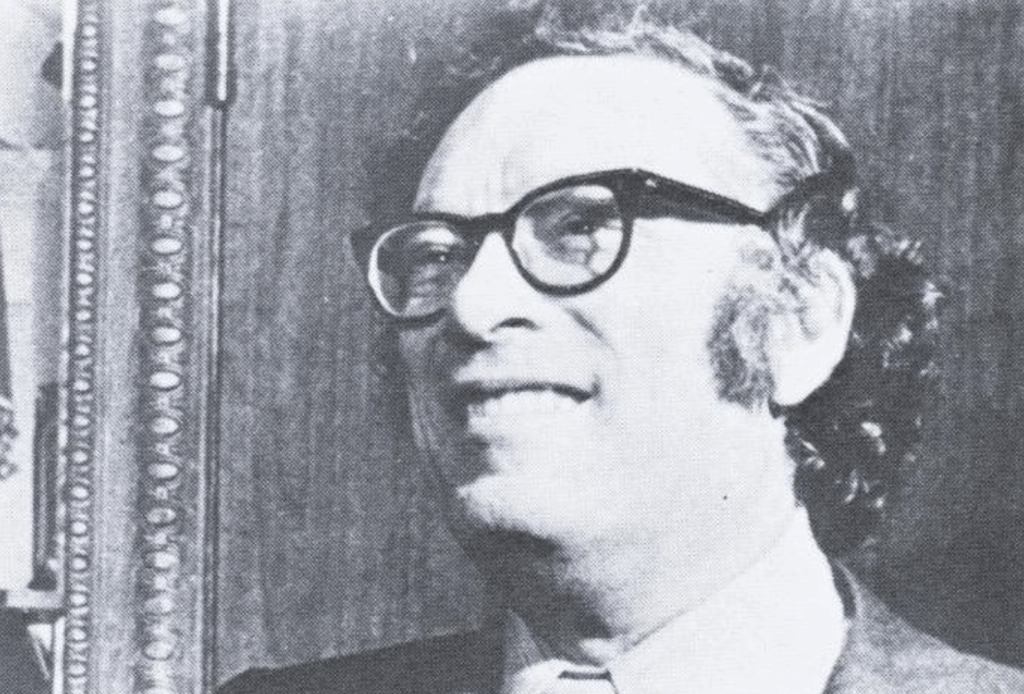
Isaac Asimov Laments the “Cult of Ignorance” in the United States (1980)
Rochester Institute of Technology, via Wikimedia Commons In 1980, scientist and writer Isaac Asimov argued in an essay that 'there is a cult of ignorance in the United States, and there always has been.' That year, the Republican Party stood at the dawn of the Reagan Revolution, which initiated a decades-long conservative groundswell.