


We should distinguish between fascism and conservatism. DHH feels like the former.
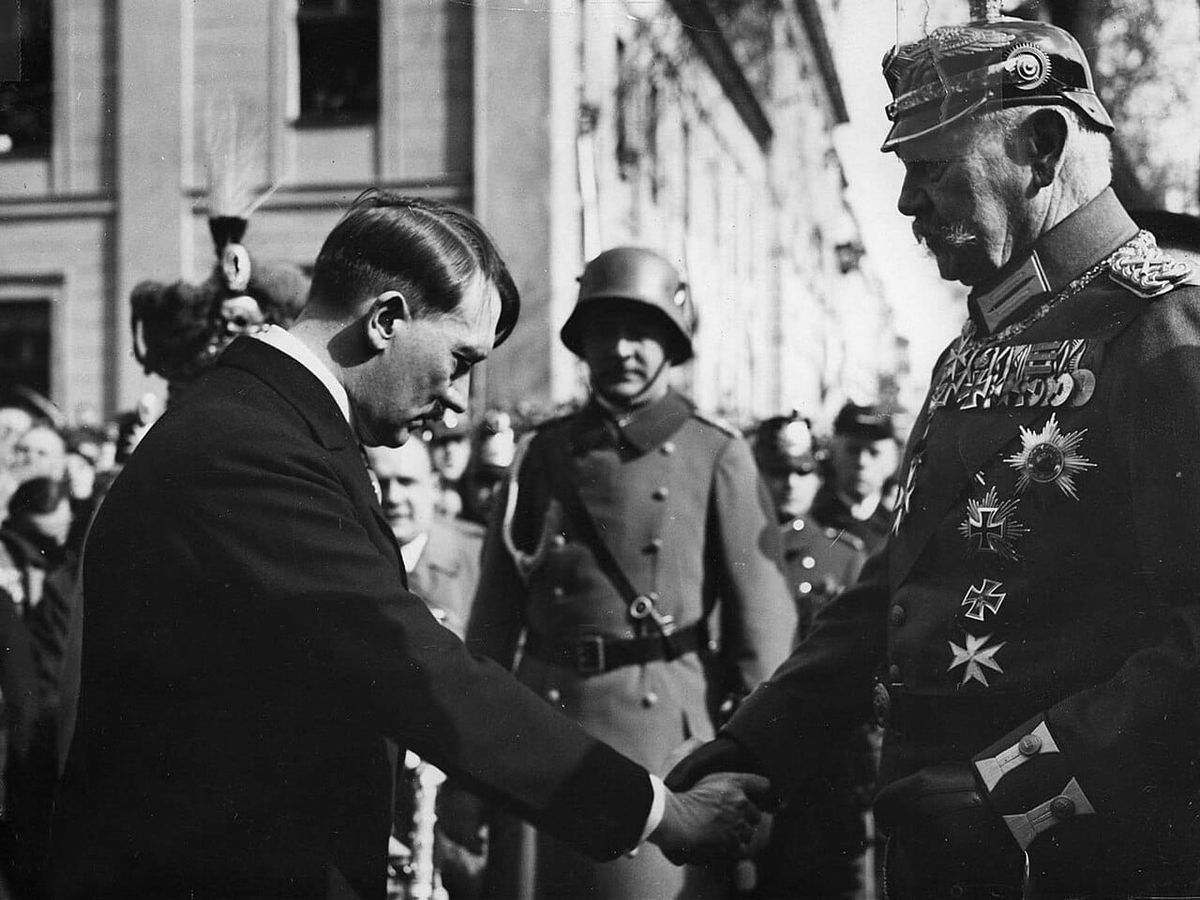
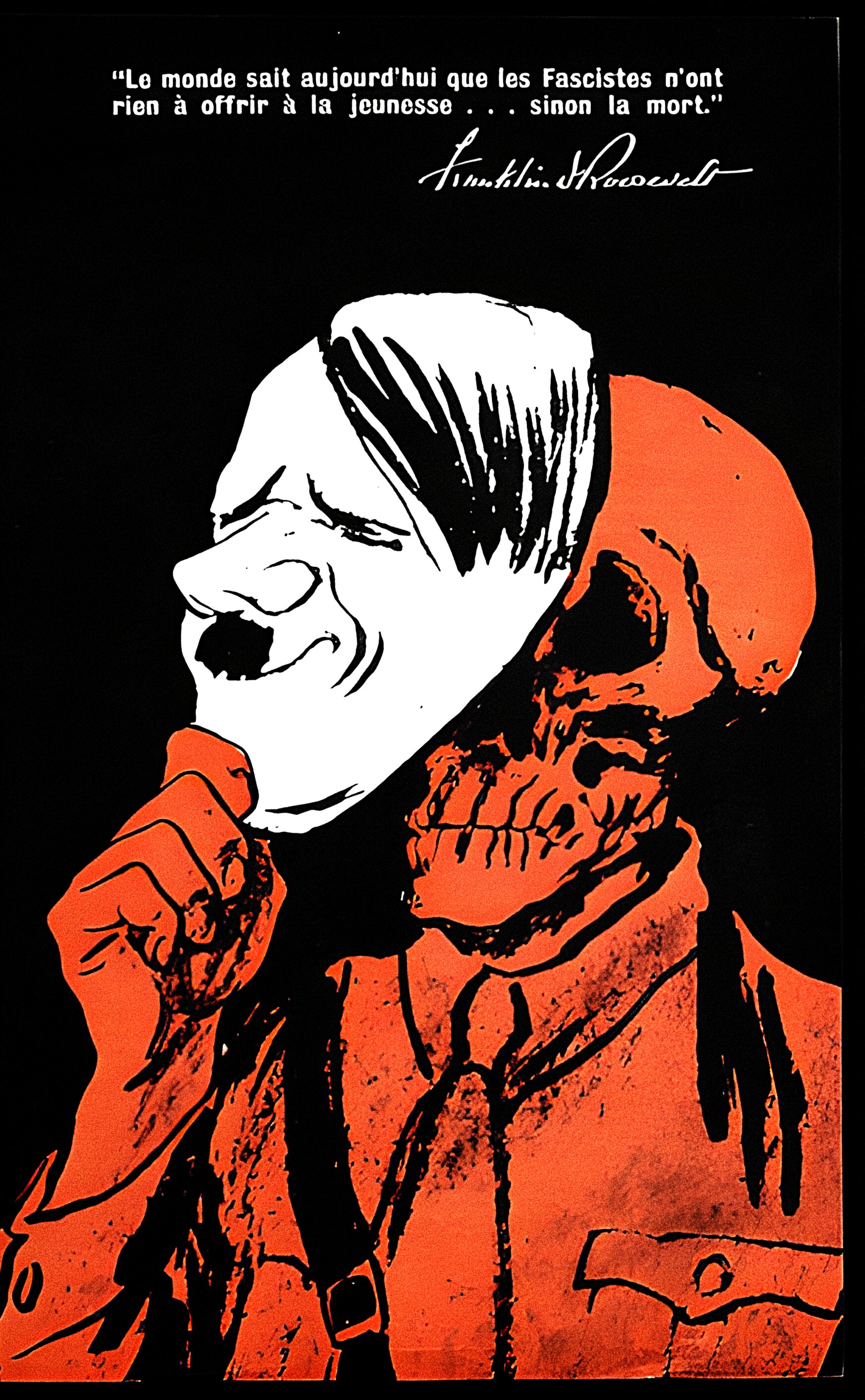
It Was Fascism All Along
When we emphasize a distinction between conservatism and fascism, we obscure the structural logic that ties the right-wing project together.
Normalized Fascism in Open Source: $12 Million Given to DHH
Open source has become a safe harbor for far-right politics, from David Heinemeier Hansson's white-nationalist rhetoric and the Omarchy Foundation's $12 mi…
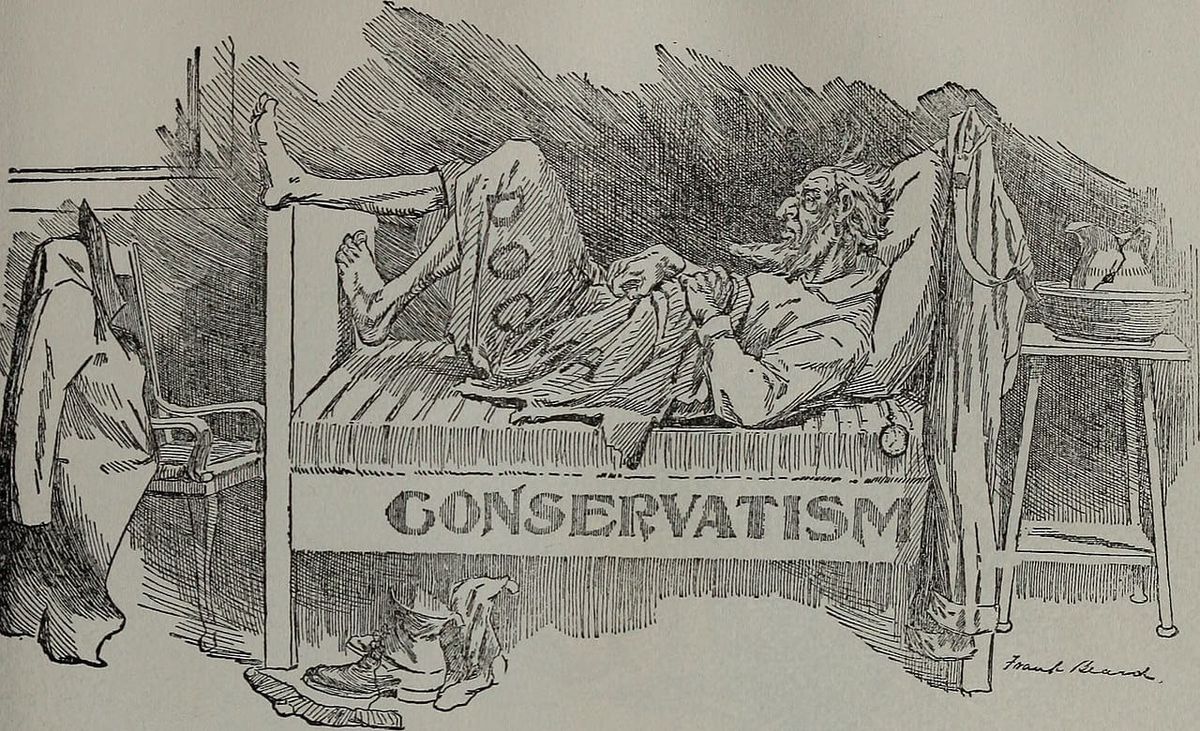
Liberalism Did Not Fail, Conservatism Did
We are moving from an ideologically multipolar world, to a bipolar one.
Fascism Depends On The Presumption Of Good Faith
The media's sanewashing of the Trump regime is fueled by this presumption
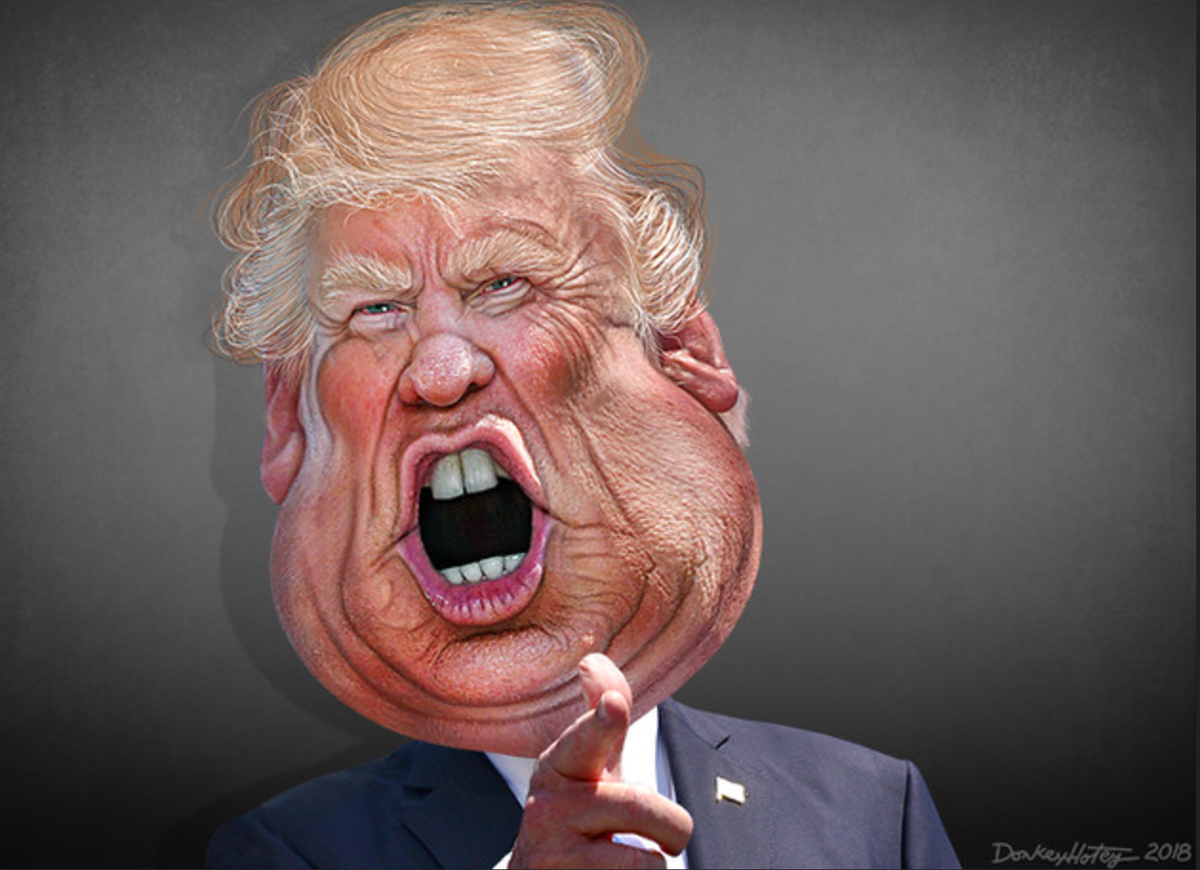
Donald Trump: A Critical Theory-Perspective on Authoritarian Capitalism
This paper analyses economic power, state power and ideological power in the age of Donald Trump with the help of critical theory. It applies the critical theory approaches of thinkers such as Franz Neumann, Theodor W. Adorno and Erich Fromm. It analyses changes of US capitalism that have together with political anxiety and demagoguery brought about the rise of Donald Trump. This article draws attention to the importance of state theory for understanding Trump and the changes of politics that his rule may bring about. It is in this context important to see the complexity of the state, including the dynamic relationship between the state and the economy, the state and citizens, intra-state relations, inter-state relations, semiotic representations of and by the state, and ideology. Trumpism and its potential impacts are theorised along these dimensions. The ideology of Trump (Trumpology) has played an important role not just in his business and brand strategies, but also in his political rise. The (pseudo-)critical mainstream media have helped making Trump and Trumpology by providing platforms for populist spectacles that sell as news and attract audiences. By Trump making news in the media, the media make Trump. An empirical analysis of Trump’s rhetoric and the elimination discourses in his NBC show The Apprentice underpins the analysis of Trumpology. The combination of Trump’s actual power and Trump as spectacle, showman and brand makes his government’s concrete policies fairly unpredictable. An important question that arises is what social scientists’ role should be in the conjuncture that the world is experiencing.See also the related blog post "How The Frankfurt School Helps Us To Understand Donald Trump’s Twitter Populism"http://www.huffingtonpost.co.uk/christian-fuchs1/how-the-frankfurt-school-_b_14156190.html?utm_hp_ref=uk-donald-trumpThe German translation of this shorter piece was published in Der Falter 5/2017: 21-23.
Pluralistic: A fascist paradigm (12 May 2026) – Pluralistic: Daily links from Cory Doctorow
Yesterday, I attended a workshop on systems thinking and political change, which included a presentation on the work of Donella Meadows, whose Thinking in Systems is a canonical work on the subject:
Cloudflare bankrolls fascists
US politics has been pretty fascist lately. The state is filling up concentration camps, engaging in mass state violence against people on the basis of racialized traits, deporting them to random countries without any respect for habeas corpus, exerting state pressure on the free press to censor speech critical of the current administration, and Trump is openly floating the idea of an unconstitutional third term.
American Fascists: The Christian Right and the War on A…
Twenty-five years ago, when Pat Robertson and other rad…

Moral Imperialism versus Class Solidarity
Individualism and imperialism define ruling class morality. Solidarity is the left's only answer.
You Can’t Post Your Way Out of Fascism
Authoritarians and tech CEOs now share the same goal: to keep us locked in an eternal doomscroll instead of organizing against them, Janus Rose writes.

Recently I’ve been thinking a lot about this 2015 observatio...
Recently I’ve been thinking a lot about this 2015 observation on Tumblr about the dangerous conflation of respect of personhood and the respect of authority.
The antifa terrorism threat the Trump administration describes does not exist
Antifa is a scattered movement of local collectives that opposes fascism. It has no leader, command hierarchy, funding structure or record of deadly attacks.
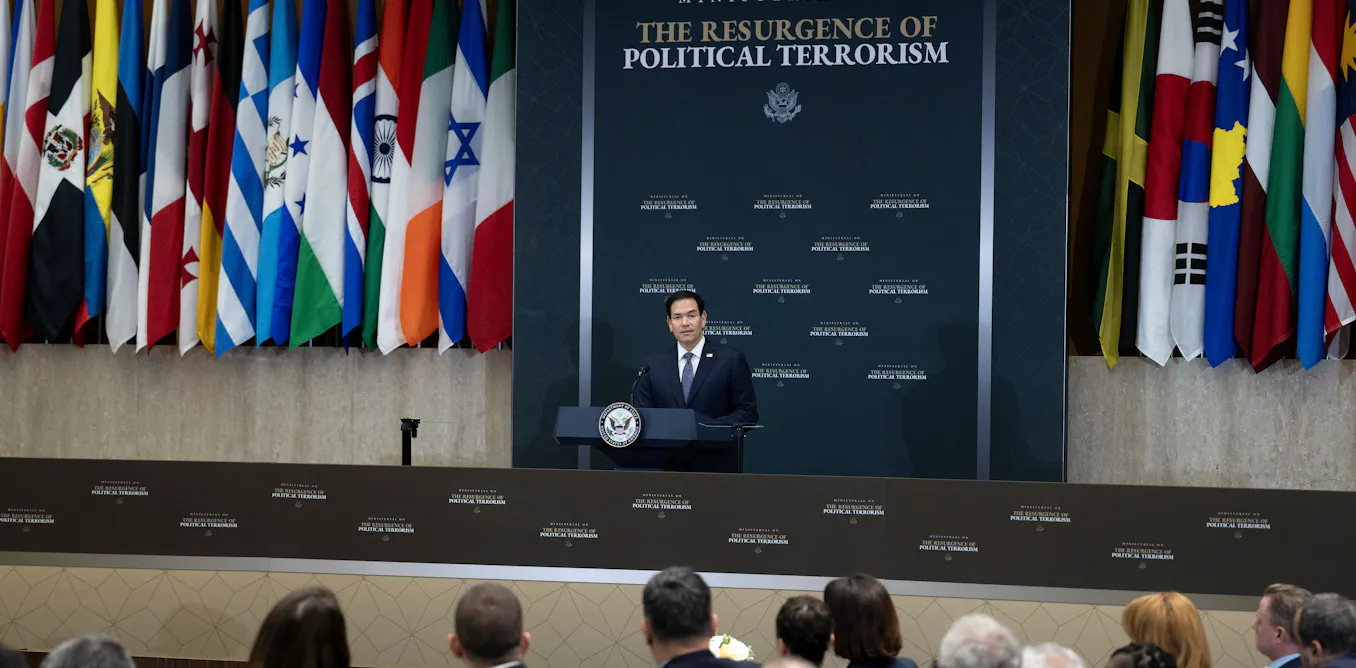
The antifa terrorism threat the Trump administration describes does not exist
Antifa is a scattered movement of local collectives that opposes fascism. It has no leader, command hierarchy, funding structure or record of deadly attacks.
It’s Not Polarization; It’s the Radicalization of the Political Right
Polarization has become the master concept for diagnosing contemporary democratic crises. The notion denotes three features: symmetry between parties, politics as an opinion space where positions diverge, and mutual repulsion between opposing camps. Yet none of these capture current realities. Across democracies, the central dynamic is not two poles drifting apart but the transformation of the political right into authoritarianism, norm breaking, and openness to political violence. Social democratic and center-right parties tend to respond in the opposite way from what “polarization” implies: by accommodating rightward. Attempts to salvage the polarization frame with modifiers (“asymmetric,” “affective,” “sectarian,” “pernicious”) concede these realities but risk hollowing out the concept’s definitional core. These limitations reveal a deeper misdiagnosis: when one party turns antidemocratic and illiberal, incivility and conflict are inevitable—but they are symptoms, not the root problem. Misdiagnosing them as the central issue leads to viewing civility and compromise as remedies, thereby risking the legitimation of authoritarian actors. This article proposes an alternative lens: the radicalization of the political right. Developed in the study of extremism, the radicalization framework better captures asymmetric change, identity-driven politics, and the mainstreaming of illiberalism. It foregrounds identity fusion, threat narratives, elite entrepreneurship, and escalation. Concepts are never politically innocent and persisting with “polarization” risks both misdiagnosing and normalizing authoritarian threats.
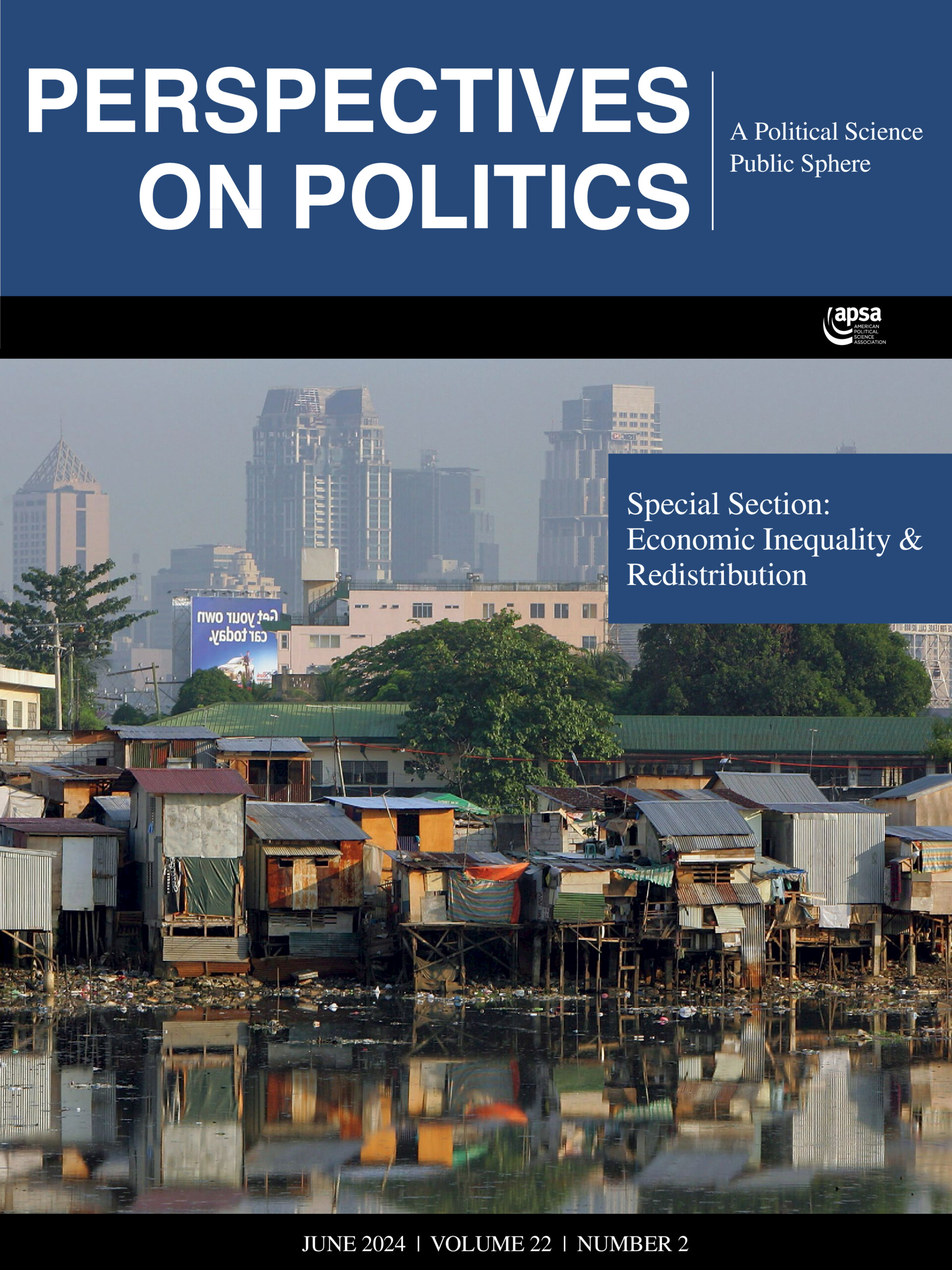
It’s Not Polarization; It’s the Radicalization of the Political Right
Polarization has become the master concept for diagnosing contemporary democratic crises. The notion denotes three features: symmetry between parties, politics as an opinion space where positions diverge, and mutual repulsion between opposing camps. Yet none of these capture current realities. Across democracies, the central dynamic is not two poles drifting apart but the transformation of the political right into authoritarianism, norm breaking, and openness to political violence. Social democratic and center-right parties tend to respond in the opposite way from what “polarization” implies: by accommodating rightward. Attempts to salvage the polarization frame with modifiers (“asymmetric,” “affective,” “sectarian,” “pernicious”) concede these realities but risk hollowing out the concept’s definitional core. These limitations reveal a deeper misdiagnosis: when one party turns antidemocratic and illiberal, incivility and conflict are inevitable—but they are symptoms, not the root problem. Misdiagnosing them as the central issue leads to viewing civility and compromise as remedies, thereby risking the legitimation of authoritarian actors. This article proposes an alternative lens: the radicalization of the political right. Developed in the study of extremism, the radicalization framework better captures asymmetric change, identity-driven politics, and the mainstreaming of illiberalism. It foregrounds identity fusion, threat narratives, elite entrepreneurship, and escalation. Concepts are never politically innocent and persisting with “polarization” risks both misdiagnosing and normalizing authoritarian threats.